

Basmati Rice vs Jasmine Rice - What's the Difference?
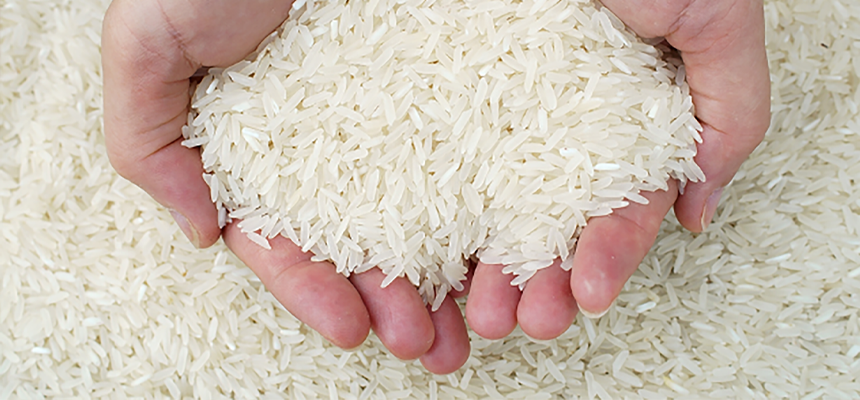
Rice is a staple food for a significant portion of the world’s population, and there are a lot of different types of rice available. This includes basmati rice and jasmine rice, two of the most popular types of rice in the world. Both have their own unique qualities and characteristics, making them popular in their own right. In this blog post, we’ll take a look at basmati rice vs jasmine rice, and which one is better suited for your needs.
Nutritional Value.
Both types of rice are relatively low in calories and fat, and are good sources of carbohydrates. However, basmati rice has a slightly higher protein content compared to jasmine rice. Basmati rice is also lower on the glycemic index, meaning it doesn’t cause as much of a blood sugar spike as jasmine rice.
Texture.
Basmati rice is long-grain rice that has a characteristic fluffy texture. It has a distinct aroma and flavor, and the grains tend to stay separate after cooking. In contrast, jasmine rice is shorter-grain, stickier, and more moist than basmati. It is typically used in dishes where softer, stickier rice is preferred, such as soups, stews, and sushi.
Conclusion of Basmati Rice vs. Jasmine Rice.
In conclusion, both basmati rice and jasmine rice are great choices for different types of dishes and cuisines. Ultimately, the choice comes down to personal preference and what you’re looking for in a rice dish. If you’re preparing Indian or Middle Eastern dishes, then basmati rice is the better choice.
However, if you’re making Southeast Asian dishes or want a softer, stickier rice, then jasmine rice is the way to go. Regardless of your choice, both types of rice are delicious and nutritious and can make a healthy addition to your meals.