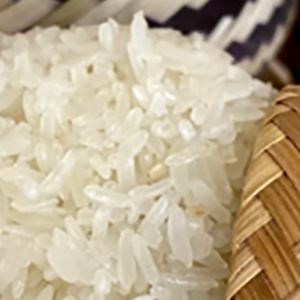

Organic Jasmine Rice
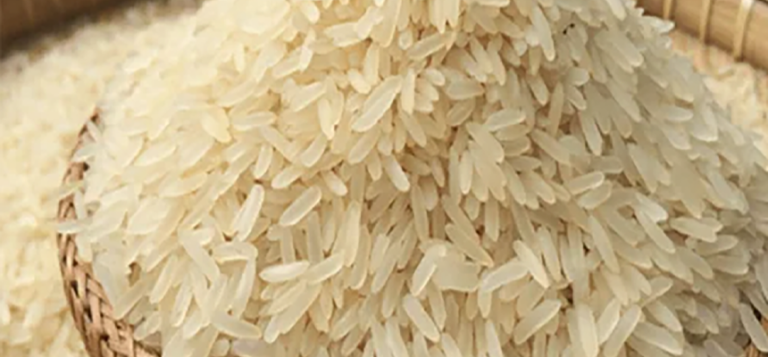
Organic Jasmine Rice
Overview
Basically, this is the same high-quality jasmine rice that is grown without chemicals. Organic Jasmine Rice For Sale
Basically, we sell top quality organic jasmine rice that is the same good standard for all customers. Organic Jasmine Rice For Sale
Description
Importance of Quality and Purity
Quality and purity are surely the most important factors for any product. Moreover, these two aspects determine the overall value and effectiveness of what we use. Organic Jasmine Rice For Sale
Quality rice actually makes the real difference in taste and smell, and it definitely ensures pure food for home meals and business needs. Our Organic Jasmine Rice is surely ideal for households, retail stores, and dining establishments that seek excellent flavor and nutritious meals. Moreover, this product meets the requirements of consumers who prioritize both taste and health benefits. Moreover, as per food business needs, this premium rice gives the best quality regarding what is required. Organic Jasmine Rice For Sale
We are seeing that we supply only top quality organic jasmine rice as per international standards, and we ensure excellent quality for every grain. As per your personal use or bulk selling needs, we process and pack our rice carefully regarding freshness and good taste. Organic Jasmine Rice For Sale
Our organic jasmine rice is actually special because it definitely has pure quality and natural growing methods.
Product Description
We are seeing that jasmine rice is famous only for its light flower smell and soft feel that becomes sticky when cooked, and this makes it popular in many countries. Basically, our organic rice grows without bad chemicals, so it's the same as getting healthier food that's better for nature. Organic Jasmine Rice For Sale
Key Highlights
We are actually seeing only natural farming methods that definitely do not use any chemicals.
As per our observation, the smell is natural and sweet regarding its fragrance. As per its natural properties, it has a good smell that comes naturally.
We are seeing that the food only becomes soft and fluffy when we cook it. The cooked product surely develops a light and airy texture. Moreover, this characteristic becomes quite evident after the cooking process is completed.
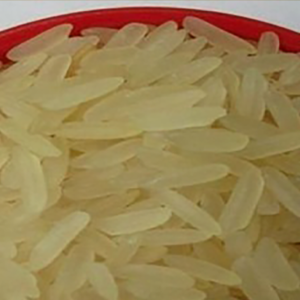
Basically, the grains are the same - long and thin in shape. Basically, they have the same thin and narrow shape.
We are seeing this product meets quality standards only, with no pesticides and additives for safety requirements.
Every batch surely undergoes thorough quality testing to ensure purity and consistency. Moreover, this makes it highly effective for both household cooking and commercial kitchen use. Organic Jasmine Rice For Sale
Product Specifications
Buyers need complete information to make proper purchasing decisions, and this requirement itself helps them choose further options correctly. Moreover, clear details surely help customers make confident buying decisions. We are seeing the complete details of our Organic Jasmine Rice only here. As per the requirements, all specifications are provided below regarding the complete details.
General Specifications
We are seeing this product is only organic jasmine rice for sure. Moreover, this is surely a natural grain type that farmers grow without using any chemicals. This variety is cultivated in a simple way without adding harmful substances. Organic Jasmine Rice For Sale
This rice is further a long grain variety itself. This rice variety surely possesses grains that are longer compared to ordinary rice. Moreover, the grain length difference is quite noticeable.
This product surely displays only natural white color. Moreover, no artificial coloring agents are present in its composition. Organic Jasmine Rice For Sale
Purity: 100%
The moisture content is surely the same at maximum 14%. Moreover, this level remains consistent across samples.
The broken grains itself should not be more than 5% maximum, but this limit can be further changed as per needs.
The examination shows that foreign matter in the sample is surely very less or not present at all. Moreover, this finding confirms the sample's good quality.
The mixture should surely not exceed 0.1% at maximum. Moreover, this limit must be strictly maintained for proper results.
Quality Standards
As per nature's way, these are grown without any artificial chemicals regarding farming methods.
Basically, the testing shows the same thing - no chemical residues are left in the product. Organic Jasmine Rice For Sale
Non-GMO
As per the process, it is same as grinding and smoothing with proper care regarding the technique. Organic Jasmine Rice For Sale
Packaging Options
The product is surely offered in various bag sizes of 1kg, 5kg, 10kg, 25kg, and 50kg. Moreover, these multiple packaging options provide flexibility for different consumer requirements. Also, basically, these different packaging sizes are the same way to meet what different customers need and how they use the product. Organic Jasmine Rice For Sale
As per customer needs, we provide private label packaging regarding their custom branding requirements.
We are surely observing vacuum-sealed and woven bags that are used only for exporting large quantities of goods to foreign countries. Moreover, these specialized packaging materials serve the specific purpose of international trade shipments.
Shelf Life
As per proper storage conditions, the product will last up to 24 months regarding its shelf life. Basically, you need the same proper storage conditions to maintain this shelf life. Organic Jasmine Rice For Sale
Storage Instructions
The product should surely be stored in a cool and dry location to prevent damage. Moreover, moisture can cause harm to the item and must be avoided.
We are seeing that for storage needs, only keep the product away from water and direct sunlight for proper keeping.
Basically, our organic jasmine rice is the same choice that gives you good taste and health benefits together. Organic Jasmine Rice For Sale
Key Benefits
1. Aroma and Taste
Basically, our jasmine rice has the same natural smell that makes any food taste better. We are seeing that this quality only makes it very important among all rice types. Further, when cooked, it gives a light flower smell that further makes the food experience better itself. This aroma surely makes the food taste much better. Moreover, it helps to improve the overall dining experience.
2. Organic Quality
We grow our rice using organic methods without chemicals, and this process itself ensures natural farming practices for further quality enhancement. This means no harmful chemicals, which further makes it a healthier option itself. Organic Jasmine Rice For Sale
3. Consistency
Moreover, the grain size is actually uniform and there is definitely minimal breakage, which gives a premium look for both retail display and fine dining use.
4. Global Supply
We are seeing that we only serve buyers from other countries and give them the same good shipping and delivery help. We are seeing that we can send small amounts or big shipments only as per what you need, and our service is made to handle more orders of any size. Organic Jasmine Rice For Sale
5. Competitive Pricing
Our pricing structure itself provides good value for quality without further compromise. Bulk buyers and distributors actually get good wholesale prices. They definitely save money when buying large quantities. As per the attractive rates, customers can save money regarding their large purchases.
Applications
As per cooking requirements, organic jasmine rice is good regarding everyday food and special cooking. Organic Jasmine Rice For Sale
Also, our rice is surely versatile and can be used for many different cooking purposes. Moreover, it adapts well to various culinary preparations.
Daily home cooking further helps families save money and itself provides nutritious meals for better health.
Restaurants and catering services surely provide essential food services to communities. Moreover, these establishments play a vital role in the hospitality sector. Organic Jasmine Rice For Sale
Asian food varieties can further expand to include dishes from different countries, making the cuisine itself more diverse internationally.
Rice can surely be prepared in various forms including fried preparations, steamed varieties, and bowl presentations. Organic Jasmine Rice For Sale Moreover, these cooking methods offer different textures and flavors to suit diverse preferences.
Retail stores and supermarkets further expand their operations to serve customers better. The retail sector itself plays a vital role in the economy.
This rice surely has a soft and sticky texture that makes it perfect for dishes where grains must stick together. Moreover, it remains fluffy and light, which is ideal for various cooking preparations.
Nutritional Benefits
Organic jasmine rice gives further health benefits and the rice itself contains important vitamins and minerals that improve overall health. Organic Jasmine Rice For Sale
Nutritional Highlights
We are seeing that this product is only having good things and no bad chemicals that can harm you.
Naturally gluten-free
As per medical understanding, this food item is easy for the stomach regarding digestion process.
Carbohydrates provide energy to the body and further help in maintaining proper body functions itself. Organic Jasmine Rice For Sale
Suitable For
Health-conscious consumers
Families want natural food choices and look further for healthy options that provide good nutrition by itself.
We are seeing restaurants that are only making food with organic items on their menus.
Production Process
As per our standard process, we maintain strict quality control from farm to packaging. We follow the same rules regarding quality at every step. Organic Jasmine Rice For Sale
1. Organic Farming
Basically, we grow our rice the same old way our farmers always did, without putting any chemicals or poison sprays on it.
2. Harvesting
As per observations, rice is harvested only when it reaches full maturity to maintain its aroma and nutritional value.
3. Milling and Processing
As per new milling methods, grain breaking is kept very less and the grain structure remains safe regarding quality keeping. Organic Jasmine Rice For Sale
4. Quality Control
Each batch is surely tested for moisture, purity, and consistency to ensure quality standards. Moreover, this testing process helps maintain product reliability across all production cycles.
5. Packaging
Rice is packed using clean methods to keep itself fresh during storage and further transport.
Bulk Supply and Wholesale
Moreover, we supply organic jasmine rice in bulk quantities as per different customer needs regarding their requirements.
Importers and exporters surely play a vital role in international trade. Moreover, these businesses help countries exchange goods across borders.
Food distributors
We are seeing big shops and stores only where people buy many things together.
Restaurants and hotels further expand their services to meet customer demands. The hospitality industry itself continues to grow rapidly.
Benefits of Bulk Orders
Basically, you can order the same quantity you want without any fixed limits. Organic Jasmine Rice For Sale
Basically, we offer the same competitive prices for bulk buying that other wholesale suppliers provide.
We actually provide different packaging choices that definitely match your specific needs.
We actually ship to all countries with definitely reliable service.
Private Labeling
Many businesses want to sell products under their own brand name, and this trend is growing further as companies seek to establish their market presence itself.
Private Label Features
Basically, we create custom logos and designs the same way according to your needs.
As per customer needs, packaging sizes can be changed regarding different product requirements.
High-quality printing
Branding support
Packaging and Shipping
Packaging Features
As per quality standards, these bags are strong and can resist water regarding durability requirements.
Food-grade materials
As per the design, this product has tight closing to keep items fresh regarding quality protection.
Shipping Options
Sea shipping surely provides the most cost-effective solution for transporting large quantity orders.
Air freight services provide fast transportation for urgent shipments.
Door-to-door logistics support further ensures complete transportation services.
Ordering Process
Select quantity
Select packaging type
Request a quote
Confirm order details
Arrange payment
Receive shipment
Why Choose Us
Basically, all products maintain the same quality standards every time.
Transparent business practices
Strong supply chain network
Excellent customer support
FAQ
Is this rice organic?
Yes, this crop is grown through organic farming methods without synthetic chemicals.
Are samples available?
Samples can be provided upon request.
Do you accept bulk orders?
Yes, we support wholesale and bulk purchases.
Do you ship internationally?
Yes, we supply globally.
Can packaging be customized?
Yes, we provide flexible and private label packaging options.
Storage Tips
Store in airtight containers
Keep in a cool, dry place
Avoid moisture and sunlight
Use within recommended time
Sustainability Commitment
We surely follow eco-friendly farming methods that protect our environment.
Our Approach
Natural farming methods
Reduced pollution
Responsible sourcing
Eco-friendly packaging
Contact Us
We want to work with you today itself and further discuss the matter.
You can contact us for:
Quotes
Samples
Product details
Our team will assist you with all your requirements.
Specifications of Organic Jasmine Rice
Organic Thai jasmine Rice that diverse with 8% or less other types of rice compared by the total weight and Jasmine must be 92% untainted call for a mutual standard for Export or National use.
Long Grain (6.6 – 7.0mm) maximum 70.0%
Short Grain (6.2 – 6.0 mm) minimum 5.0%
Whole kernels not less than 60.0%
Size of Broken having the length less 5.2 mm not exceeding 4.0%
Size of Head rice >=8.0mm
Chalky kernels not exceeding 3.0%
White glutinous rice not exceeding 1.5%
Paddy not exceeding 5 grains per 1 kg of rice
Milling degree: Extra well milled
Country of Origin: Thailand
Related products
Thai White Rice 25% Broken
Japonica Rice
Thai Parboiled Rice