
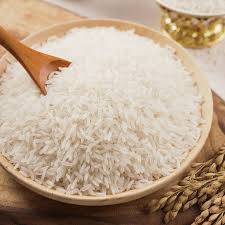
Thai Hom Mali Rice For Sale
Introduction
We grow, mill, and ship Thai Hom Mali Rice to buyers all over the world, from small specialty grocers to container-load importers. If you've landed here because you're comparing suppliers, sourcing for a restaurant chain, or just trying to understand what separates real Thai Hom Mali Rice from the rice sold under that name in a supermarket bag, you're in the right place. Everything below comes from what we actually do at the mill, not a marketing brochure.
Description
Let's start with the honest version of what Thai Hom Mali Rice is, because a lot of buyers get this wrong before they ever place an order.
What Thai Hom Mali Rice Actually Is
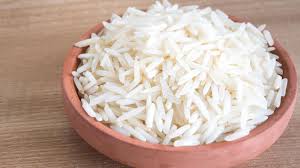
Thai Hom Mali Rice is Thailand's fragrant long-grain rice, grown from a specific group of jasmine rice cultivars (mainly KDML105 and RD15) in the provinces of the north and northeast — Surin, Roi Et, and Thung Kula Rong Hai are the names you'll hear most from people in the trade. "Hom" means fragrant and "Mali" refers to jasmine, so the name is really just a description of what the grain smells like when you cook it: something close to pandan leaf and toasted popcorn, with a faint floral note that shows up more strongly in a freshly milled crop.
Outside Thailand, people mostly call this jasmine rice, and that's fine — it's the same grain. But not every bag labeled "jasmine rice" on a shelf overseas is actually Thai Hom Mali Rice. Some are blends, some are jasmine varieties grown outside Thailand, and some are older crop rice that's lost most of its aroma by the time it reaches a store. When we talk about Thai Hom Mali Rice, we mean the real thing: 100% Thai-grown, milled to export grade, and traceable back to the season it was harvested.
Where We Fit Into the Supply Chain
We buy paddy directly from mills and cooperatives in the growing regions, and we run our own milling and sorting lines before export. That matters for two reasons. First, we control moisture and cleaning ourselves instead of trusting a middleman's word for it. Second, it means we can actually answer questions about a shipment — crop year, milling date, purity percentage — because we were there for it, not because we're reading it off someone else's spec sheet.
Most of our Thai Hom Mali Rice moves through export contracts to distributors, food service companies, and private-label brands, but we also fill smaller orders for specialty retailers and online grocers who want a rice they can put their own name on with confidence. If you're not sure which category you fall into, our contact page is the fastest way to find out what we can do for your order size.
Quality and Processing
Rice quality comes down to what happens between the field and the bag, and that's where a lot of shortcuts get taken. Ours doesn't skip steps.
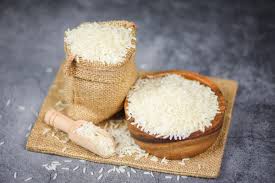
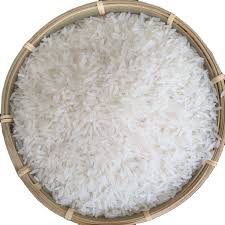
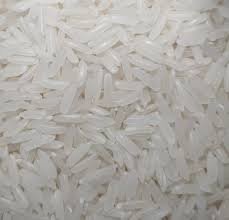
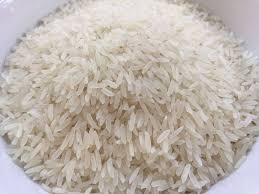
Paddy arrives at the mill and goes through cleaning to remove stalks, dust, and stones, then hulling, then whitening, then polishing. After that, every batch runs through color sorting to pull out discolored or chalky grains, and we do manual spot-checks on top of the machine sorting because optical sorters miss things a trained eye catches. The result is a grain that's consistently long, slender, and translucent, without the yellow or chalky kernels that show up in lower grades.
We test moisture on every lot before it's bagged. Thai Hom Mali Rice that's too wet spoils faster in transit and attracts pests; too dry and it becomes brittle and breaks more during milling and shipping. We hold moisture at 14% or below, which keeps the rice stable through long ocean freight without drying it out to the point of losing texture when cooked.
Key Features Buyers Actually Care About
When buyers compare Thai Hom Mali Rice suppliers, these are the things that actually move a decision, in roughly the order they get asked about.
1. Genuine Thai Origin
We source only from Thailand's recognized Hom Mali growing regions, so what you get is the real cultivar, not a jasmine-type rice grown elsewhere and sold under the same name. We can provide origin documentation and crop-year information with every shipment.
2. Grain Quality
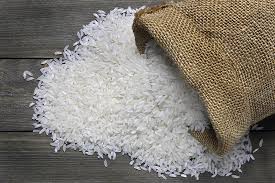
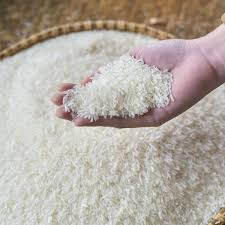
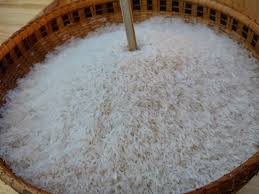
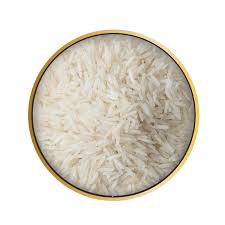
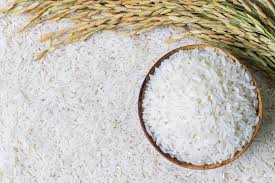
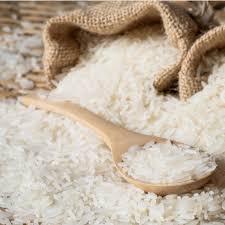
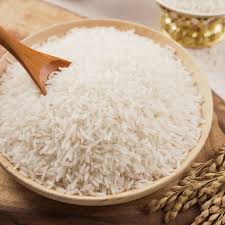
Long, slender kernels with a natural white to pale ivory color, low broken content, and minimal chalky or immature grains. This is what gives Thai Hom Mali Rice its clean look in the bag and its even cooking once it hits the pot.
3. Aroma
The fragrance is strongest in newer-crop rice and fades gradually with storage time, which is why crop year matters more for this variety than for plain white rice. We rotate stock and won't sell you rice that's sat around long enough to go flat.
4. Texture When Cooked
Soft, slightly sticky, and fluffy rather than dry and separate like basmati. That texture is part of why it's the default rice in Thai, and increasingly in Vietnamese and broader Southeast Asian, cooking.
5. Consistent Grading
Every batch is checked against the same purity, moisture, and broken-grain thresholds before it ships, so a bag you buy this quarter should perform the same way as one from six months ago.
Product Specifications
Here's the spec sheet we actually work from. If your import documentation needs numbers in a different format, our team can match it to your paperwork.
Variety: Thai Hom Mali Rice (KDML105 / RD15 jasmine cultivars)
Grain type: Long grain, milled and polished
Milling degree: Double-polished, sortexed
Purity: 92% minimum
Broken grains: 4.5% maximum
Moisture: 14% maximum
Admixture: 2% maximum
Chalky kernels: 6% maximum
Yellow kernels: 0.2% maximum
Red and damaged kernels: negligible
Crop year: current season, confirmed at booking
Packaging: 5kg, 10kg, 25kg, 50kg woven or PP bags, plus bulk and custom private-label options
Shelf life: 12–24 months from milling date under proper storage
These numbers are the baseline we guarantee. If you need a tighter spec — say, broken grains under 3% for a premium retail line — tell us before booking and we'll grade for it.
Other Rice We Supply Alongside It
Most of our buyers don't order Thai Hom Mali Rice on its own; they mix it into a wider order with other grades depending on their market. If your customers want something more affordable for everyday use, our Thai jasmine rice range covers a wider set of broken-grain percentages. For markets that favor parboiled rice, we carry several broken-grain grades on that line too. And if you're serving a customer base that wants glutinous or "sticky" rice for desserts and Northern Thai dishes, we mill that separately from our jasmine lines to avoid cross-contamination of grain types. It's common for one container to combine two or three of these products, and we can arrange that without complicating your paperwork.
Health and Nutrition Notes
We're not going to oversell rice as a health food, but there are a few things worth knowing. Thai Hom Mali Rice is naturally gluten-free, which matters for buyers stocking allergen-aware product lines. It's a straightforward source of carbohydrate energy, low in fat, and — because it's milled rather than left whole-grain — digests easily, which is part of why it works well in dishes served to a wide range of ages and dietary needs. If your customers are asking about the difference between white and brown rice nutritionally, that's a fair question, but it's really a separate product; Hom Mali is sold and eaten primarily for its aroma and texture, not as a whole-grain health product.
How Buyers Actually Use It
Thai Hom Mali Rice shows up on more menus than most people realize once you start looking. It's the standard steamed rice at Thai restaurants worldwide, and it turns up just as often in Vietnamese, Lao, and broader Southeast Asian kitchens. Because the grains stay fairly separate but still hold a bit of stickiness, it works for fried rice without turning mushy, and it holds up well in rice cookers used in high-volume food service settings. Retailers selling to home cooks find it moves fastest around Lunar New Year and during periods when Thai and Southeast Asian cuisine is getting attention in food media — worth keeping in mind for stock planning.
Packaging and Private Label
We pack to whatever spec your market needs. Retail bags run from 1kg pouches up through 25kg sacks, and wholesale orders typically move in 50kg bags or bulk supersacks depending on your logistics setup. If you're building your own brand, we handle private-label packaging — your artwork, your bag size, your labeling requirements — and we can run a small trial batch before committing to a full container if you want to test the market first.
Shipping and Logistics
Exporting rice is mostly about timing and moisture control, not just getting a container on a ship. We pack for humidity swings during transit, palletize for easier unloading, and can arrange FOB, CIF, or CFR terms depending on what your freight forwarder needs. Lead times vary with the season — expect longer waits right after harvest when mills are busiest — so if you're working to a fixed delivery date, it's worth reaching out a few weeks earlier than you think you need to.
Mistakes Buyers Make When Sourcing This Rice
The most common one is buying purely on price without asking for a certificate of analysis, then finding out the "Thai Hom Mali Rice" they received is actually a blend with a portion of lower-grade filler rice mixed in to hit a cheaper number. It's not always dishonest — sometimes it's just a supplier trying to compete on price by cutting the grade without saying so clearly. Always ask what percentage of the shipment is genuine Hom Mali versus blended, and ask for documentation, not just a verbal assurance.
The second mistake is ignoring crop year. Aroma fades over time, so rice that's technically within spec on purity and moisture can still smell noticeably weaker if it's old stock a supplier is trying to move. If aroma matters to your customers — and for this particular rice, it usually does — ask about milling date, not just harvest year.
The third is underestimating lead time around the harvest season. Demand for fresh-crop Thai Hom Mali Rice spikes right after harvest, and mills get backed up. If you need a guaranteed delivery date, build in extra buffer during that period rather than assuming standard lead times will hold.
Quality Assurance and Documentation
Every shipment leaves with a certificate of analysis covering moisture, purity, and broken-grain percentage, plus a phytosanitary certificate and certificate of origin for customs. We can also provide fumigation certificates and, on request, third-party inspection reports from SGS or a similar surveyor if your buyer requires independent verification before payment. Our internal process follows the general framework laid out by FAO's guidance on rice quality and trade standards, which gives us a consistent reference point when buyers in different countries ask for slightly different documentation.
Who We Typically Work With
Our regular customers fall into a few groups: food importers and distributors building out an Asian grocery range, restaurant supply companies, private-label and retail brands, hotel and catering groups buying in volume, and a smaller number of individual buyers or small businesses ordering pallet quantities rather than full containers. If you don't see your situation in that list, ask anyway — we've filled plenty of orders that didn't fit a standard category.
Pricing and Minimum Orders
Pricing on Thai Hom Mali Rice moves with the season, crop yield, and current export demand, so we quote per order rather than posting a fixed price. Minimum order quantities depend on packaging format — a pallet of retail-size bags is a much smaller commitment than a full container of 50kg sacks. Tell us your target volume and delivery window through our contact page and we'll get a quote back to you, usually within a day or two.
Storage Recommendations
Keep bags in a cool, dry space out of direct sunlight, ideally on pallets rather than directly on concrete floors, and away from anything with a strong odor — rice absorbs smells from its surroundings more than people expect. Once a retail bag is opened, an airtight container keeps both moisture and pests out and preserves the aroma noticeably longer than leaving it in the original packaging.
Why Buyers Keep Coming Back
We're not the cheapest supplier in the market, and we don't try to be. What we offer instead is consistency — the same grade, the same aroma, the same moisture control shipment after shipment — plus documentation that holds up at customs and a team that answers questions instead of forwarding you a spec sheet and going quiet. For details on how we verify quality before anything leaves the mill, our quality control page walks through the process, and our rice standards page breaks down how our grading compares across products.
Farming Practices and Where the Grain Comes From
Most Thai Hom Mali Rice used to come almost entirely from Thung Kula Rong Hai, a plain spanning Surin, Roi Et, Si Sa Ket, and a few neighboring provinces, and that region still produces some of the most sought-after crops because of its clay-heavy soil and single annual rainy-season planting. A single crop per year, rather than the two or three harvests possible with irrigated rice elsewhere, is actually part of why the aroma and grain quality run higher — the rice isn't rushed. We work with mills that source from smallholder farmers in these areas rather than large industrial rice estates, which means lot sizes are smaller and more variable season to season, but it also means the rice we're buying is closer to how Hom Mali has traditionally been grown. When a harvest comes in lighter than usual because of drought or flooding, which happens more often than buyers outside the region realize, we're upfront about it rather than quietly substituting a lower grade.
How Thai Hom Mali Rice Compares to Other Jasmine Rice
Not all jasmine rice sold internationally is grown in Thailand, and buyers switching suppliers sometimes assume "jasmine rice" is a single interchangeable product. It isn't. Vietnamese jasmine varieties and American jasmine hybrids grown in places like Texas and Louisiana are bred for higher yield and can be perfectly good rice, but they typically have a milder aroma and a firmer, less sticky texture once cooked. Thai Hom Mali Rice tends to cost more for a reason: lower yield per hectare, a single growing season, and the aroma compounds that make it distinctive don't develop the same way in other climates or cultivars. If your customers can tell the difference — and a surprising number of home cooks and chefs can, especially on the first bite — that gap in cost is usually easy to justify at the point of sale.
How to Cook It
Rinsing is optional with Thai Hom Mali Rice — some cooks skip it to preserve more of the surface starch and aroma, others rinse once to remove excess starch for a less sticky result. Either way, the standard ratio is about 1 part rice to 1.25 parts water by volume, brought to a boil, then covered and simmered on low heat for roughly 15 minutes before resting off the heat for another 10 minutes with the lid on. Rice cookers handle it without much thought using the same rough ratio. It's worth mentioning to buyers stocking this for a food service kitchen: overcooking is the most common mistake, since the grain's natural stickiness can read as "done" earlier than it actually is, leading to mushy rice if it's left on the heat too long.
Working Directly With Growers
A fair number of our buyers ask about traceability and farmer welfare before they'll commit to a supplier, and it's a reasonable thing to ask about rice coming from smallholder farms on the other side of the world. We pay growers based on grade and moisture at delivery rather than a flat rate regardless of quality, which gives farmers an incentive to manage their crop properly instead of rushing harvest. It also means we're not the cheapest option for buyers who only care about price per ton, because paying for quality costs more than buying whatever comes off the truck. If your company reports on supply chain sourcing or needs documentation for a sustainability audit, we can usually put together what you need — just tell us the format your compliance team expects.
Frequently Asked Questions
Is Thai Hom Mali Rice the same as jasmine rice?
Yes, in practical terms. Thai Hom Mali Rice is the specific Thai-grown jasmine rice that most international jasmine rice is modeled on or compared against. Rice labeled simply "jasmine rice" outside Thailand may or may not be this exact product.
What's the shelf life once I receive it?
Under proper storage — cool, dry, out of direct sunlight — expect 12 to 24 months from the milling date before aroma and quality noticeably decline. We note the milling date on shipment documentation so you can track it.
Can you supply organic Thai Hom Mali Rice?
We handle organic-certified jasmine rice as a separate product line to avoid mixing certified and conventional stock; ask us directly and we'll confirm current availability and certification documents.
What packaging options do you offer for private label?
Retail pouches from 1kg up to 25kg sacks, and bulk formats above that, with your artwork and labeling applied at the mill. We can run a sample batch before a full production order if you want to test packaging first.
Do you supply smaller quantities, or only full containers?
Both. We regularly fill pallet-size orders for smaller retailers and distributors alongside full-container export orders, so don't rule us out if you're not ordering at industrial volume.
Ordering Thai Hom Mali Rice
If you're ready to move forward, or you just want samples before committing to a volume order, get in touch and tell us what you need — grade, packaging, destination port, and timeline. We'll put together a quote and, if it's useful, walk you through the documentation your customs process will require. You can also browse our full rice product range if you're sourcing more than one grade for a single shipment, or check our organic jasmine rice page if that's what your customers are asking for.
Specifications of Thai Hom Mali Rice
Variety: Thai Hom Mali Rice (Jasmine)
Purity: 92% Min
Broken Kernels: 4.5% Max
Moisture: 14% Max
Admixture: 2% Max
Chalky Kernels: 6% Max
Yellow Kernels: 0.2% Max
Milling Degree: Double Polished, Sortexed
Crop Year: Current Season
Country of Origin: Thailand
Related products