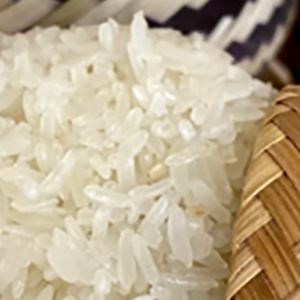

Thai Jasmine Rice / Thai Pathumthani Fragrant Rice
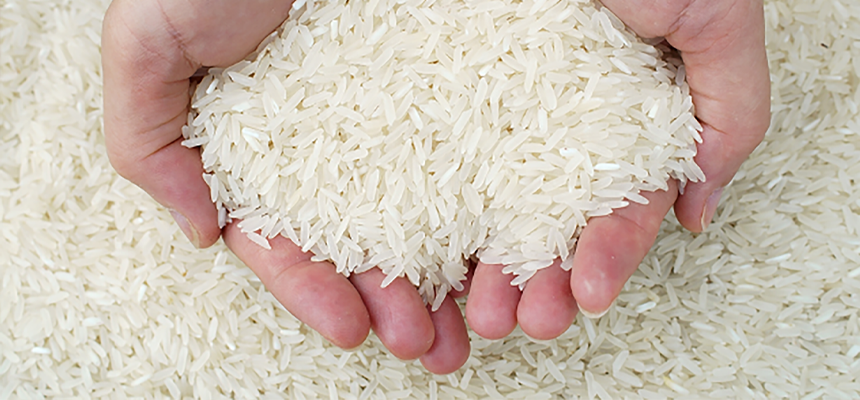
We export Parboiled Thai high quality Thai Jasmine rice / Pathumthani Fragrant Rice all around the world. We are also the source of your needs of Thai Pathumthani Fragrant Rice, which is suitable for HUMAN Consumption. Thai Jasmine Rice For Sale
Description
Premium Thai Jasmine Rice – Product Overview
As per global supply standards, we are selling premium quality Thai Jasmine Rice with fresh aroma. Regarding the product quality, it meets international requirements for export purposes. Thai Jasmine Rice For Sale Moreover, introduction
As per global demand, Thai Jasmine Rice is highly wanted regarding its soft texture and sweet taste with flower-like smell. Basically, we sell the same high-quality Thai Jasmine Rice that you want to buy. Basically, we provide high-quality rice that meets international standards and is the same suitable product for homes, restaurants, and wholesale businesses worldwide. Thai Jasmine Rice For Sale
Sourcing and Processing
We are seeing that our Thai Jasmine Rice comes only from the best rice fields in Thailand, and we use good machines to clean it and pack it so it stays fresh with nice smell. We can supply both small quantities and bulk orders with consistent quality and reliable delivery. Our supply chain itself is designed to meet your requirements further without any delays.
Moreover, Thai Jasmine Rice surely represents a premium long-grain variety cultivated primarily in Thailand's northeastern regions. Moreover, this aromatic rice exhibits distinctive floral fragrance and soft texture when cooked properly. Thai Jasmine Rice For Sale
Product Description
Thai Jasmine Rice, called Hom Mali rice, is surely a long-grain type that grows mainly in Thailand. Moreover, this variety is well-known for its special qualities. This rice is surely known for its natural smell that is like pandan leaves, and it becomes soft and a little sticky when cooked. Moreover, these qualities make it different from other types of rice. Thai Jasmine Rice For Sale
Further, we are seeing that Jasmine Rice is different from normal white rice because it has special taste, smell, and feel that makes it good for many types of cooking, especially Asian food only.
Our Thai Jasmine Rice is actually the best choice because it definitely gives you perfect taste and quality every time. Thai Jasmine Rice For Sale
Key Features
1. Premium Quality
We supply only top-grade Thai Jasmine Rice that meets export standards itself and further ensures quality for international markets. We are seeing that each grain is picked carefully to make sure it is pure and of good quality only. Thai Jasmine Rice For Sale
2. Naturally Aromatic
Our rice surely keeps its natural smell because of correct harvesting and storage ways. Moreover, these proper methods help preserve the original fragrance completely. The smell actually makes the food taste definitely better when you eat. Thai Jasmine Rice For Sale
3. Soft and Fluffy Texture
When we cook this Jasmine Rice, we are seeing it becomes soft and fluffy with only little sticky feel, making it good for many different dishes.
4. Global Supply Capability
Further, we surely provide shipping services across the world and can efficiently manage orders of any size. Moreover, our system handles both small quantities and large-scale requirements with equal effectiveness. Thai Jasmine Rice For Sale
5. Competitive Pricing
Basically, we give good prices without cutting quality, so bulk buyers get the same high standards at lower costs.
Product Specifications
Here are actually the complete details of our Thai Jasmine Rice that we definitely provide.
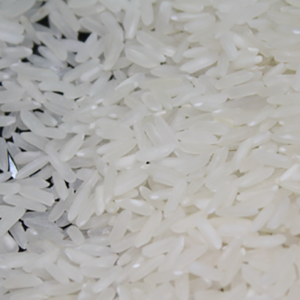
Thai Jasmine Rice (Hom Mali) further represents premium quality grain that distinguishes itself through aromatic fragrance and superior taste. Thai Jasmine Rice For Sale
- Origin: Thailand
- Grain Type: Long grain
- Color: White
- Moisture: 12% to 14% maximum
- Broken Grains: 5% maximum
- Foreign Matter: 0.1% maximum
- Purity: Minimum 95%
- Crop Year: Latest
- Shelf Life: 24 months with proper storage
- Packaging Sizes: 1kg, 5kg, 10kg, 25kg, 50kg
- Certification: Meets international food safety standards
The products are actually packed carefully and definitely delivered to customers on time. Thai Jasmine Rice For Sale
Packaging Options
Basically, we know that proper packaging is the same as keeping rice quality good. Our Thai Jasmine Rice is actually packed in good quality food materials that definitely protect against water, dirt, and damage during shipping. Thai Jasmine Rice For Sale
- Retail packaging for supermarkets
- Bulk packaging for wholesalers
- Private labeling options available
Delivery and Logistics
We are seeing that we only deliver goods to all countries in the world on time and in a proper way. Our delivery system surely makes certain that your order reaches you safely and on time, moreover it follows a proper schedule to avoid any delays. Thai Jasmine Rice For Sale
Uses and Applications
We are seeing Thai Jasmine rice being used in many cooking dishes only, where people make it for daily meals and special food preparations.
- Daily meals
- Fried rice dishes
- Asian cuisine
- Restaurant menus
- Catering services
Its special smell and feel surely make it a top choice for home cooks and restaurant chefs. Moreover, both regular kitchens and professional cooking places prefer it for these qualities.
Health Benefits
Thai Jasmine Rice actually tastes great and definitely gives you important nutrients your body needs.
- Rich in carbohydrates for energy
- Very low fat
- Gluten-free
- Easy to digest
Basically, it's the same as a really good main food that gives you proper nutrition for your daily meals. Thai Jasmine Rice For Sale
Target Customers
We are seeing that we serve many different types of buyers, including:
- Importers
- Distributors
- Wholesalers
- Retailers
- Restaurants and hotels
We can actually supply any quantity you need, definitely doesn't matter if your business is small or big.
Bulk Supply and Customization
We provide bulk orders and wholesale supply for further business needs, ensuring the supply chain itself operates efficiently. Thai Jasmine Rice For Sale
We provide flexible bulk purchase solutions for Thai Jasmine Rice that can be further customized to meet your specific requirements itself. Our team actually makes sure all orders go smoothly with good prices. We definitely keep the same quality in every shipment we send.
Quality Assurance
We are seeing that quality is only our main focus. We actually check our rice quality at every step, from buying to packing. Our rice definitely goes through strict testing before reaching you. We are seeing that every batch is only meeting international standards and what customers are expecting from us.
Ordering Process
Ordering Thai Jasmine Rice from our service is surely a simple process. Moreover, the procedure requires minimal steps to complete.
- Contact us with your requirements
- Get a price quote
- Confirm your order
- We process and ship your rice
Basically our team is the same - always ready to help you through the whole process.
Market Demand and Sustainability
Thai Jasmine rice is surely popular worldwide because of its unique fragrant smell and soft texture. Moreover, this rice variety has excellent cooking quality that makes it highly valued in international markets.
We are seeing companies focus only on getting materials in the right way that helps our environment.
We are surely committed to following sustainable sourcing practices. Moreover, these practices help us protect the environment while meeting our business needs. Basically, we get our rice from the same trusted farmers who use environment-friendly farming methods.
Customer Satisfaction
Basically, we care about our customers and try to give the same best products and services to everyone. We are seeing our main goal as building long-term relationships that are based only on trust, good quality, and reliability.
Conclusion
Thai Jasmine Rice is surely available with excellent quality and reasonable prices. Moreover, this product can be accessed globally through our distribution network. Basically, we provide the same premium rice with flexible packaging and reliable delivery for all your supply needs.
We are seeing that you can contact us today only to place your order and get the best authentic Thai Jasmine Rice.
Additional Information
Thai Jasmine Rice is itself a basic food that people eat in many countries, and it further continues to be important for daily meals. It is actually becoming more popular because it definitely tastes better, smells good, and works well in today's cooking. Buyers from different industries actually need the same good quality every time, and we definitely make sure all our shipments meet what they expect.
We actually use modern machines to process our rice that definitely keep each grain natural and whole. Also, this actually gives minimal breakage and consistent grain size, which definitely makes cooking performance better.
We are seeing that we provide easy solutions for companies who want to make their own brand only. We provide private labeling options that allow you to customize packaging further according to your market needs itself.
As per our design, our supply chain can handle big orders regarding volume without any delays. We are seeing that we only keep good connections with farmers and rice suppliers, so we can get quality rice supply without any problems.
Selecting the proper supplier is surely essential for success in rice business. Moreover, this decision directly impacts the quality and profitability of operations. We are seeing that our company gives good quality rice at best prices only, and we can send Thai Jasmine Rice to any place in the world easily.
As per your business type - retailer, distributor, or food service provider - our Thai Jasmine Rice is the best choice regarding quality and customer satisfaction.
We are seeing that ordering today will only help you get regular supply of best quality Thai Jasmine Rice for your business or home use.
Related products
Thai Parboiled Rice 25% Broken
Thai White rice 100% broken
Thai White Rice 100% Sortexed