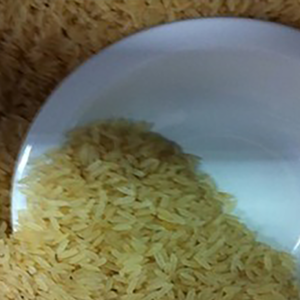

Thai Glutinous Rice
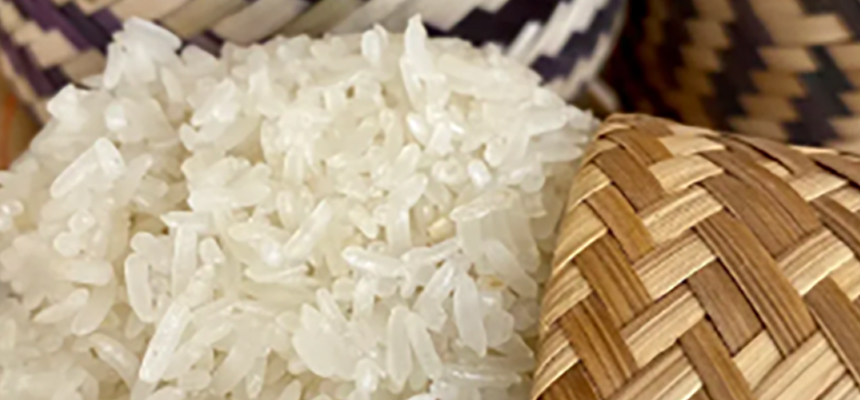
Description
Thai Glutinous Rice For Sale -Thai Glutinous Rice 10% broken
Thai Glutinous Rice for Sale – Premium Quality Sticky Rice
Introduction
We actually sell premium Thai sticky rice that definitely meets global quality standards. Our glutinous rice is actually perfect for international buyers who definitely want the best quality. Thai Glutinous Rice For Sale
You can find high-quality Thai Glutinous Rice for sale here, which will further meet your requirements as the product itself maintains excellent standards. Thai glutinous rice is surely one of the most popular rice types worldwide because of its thick texture and natural smell. Moreover, its excellent stickiness makes it highly demanded in global markets. As per international standards, our premium sticky rice offers exceptional quality for distributors, retailers, food manufacturers, and restaurant owners regarding their business needs.
We surely supply high-quality Thai glutinous rice to customers across the world. Moreover, we specialize in providing only the best grade of this rice variety to meet global demands. As per our strict quality control and reliable packaging, we ensure our rice reaches you fresh and clean regarding competitive pricing. Thai Glutinous Rice For Sale
What is Thai Glutinous Rice?
We are seeing that Thai glutinous rice is only a special sticky rice variety that comes from Thailand and becomes very soft when cooked.
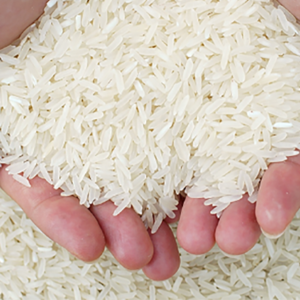
Thai glutinous rice surely becomes soft and sticky when cooked, making it different from regular rice. Moreover, this sweet rice has a slightly chewy texture that makes it unique. As per the composition, this rice has more amylopectin compared to normal long-grain rice, which gives it its special texture. Thai Glutinous Rice For Sale
Basically, this rice is the same one used in Asian cooking, sweets, and traditional food items. This ingredient actually works well for both spicy and sweet dishes, so it is definitely very useful for restaurants and food businesses. Thai Glutinous Rice For Sale
Why Choose Our Thai Glutinous Rice?
Moreover, our Thai glutinous rice is actually the best choice because it definitely gives you perfect texture and taste. Thai Glutinous Rice For Sale
As per global buyer needs, we are providing premium rice product regarding quality requirements. Our Thai glutinous rice actually stands out for definite reasons.
1. High-Quality Selection
Basically, we select the same high-quality products for you. Thai Glutinous Rice For Sale
As per our sourcing policy, we get rice from trusted farms in Thailand regarding the finest sticky rice production. We actually check each batch very carefully to make sure it is definitely pure and the same quality every time. Thai Glutinous Rice For Sale
2. Clean and Well-Processed
As per the requirements, the data is clean and well-processed regarding quality standards. Thai Glutinous Rice For Sale
We actually use good cleaning methods to definitely remove dirt, broken rice pieces, and dust from the grains. The outcome is surely clean and polished rice that fulfills export requirements, moreover it maintains the quality standards needed for international markets.
3. Freshness Guaranteed
We ensure proper storage and packaging to maintain the freshness, aroma, and texture itself during transportation, and further take care that quality remains intact. Thai Glutinous Rice For Sale
4. Competitive Pricing
We actually offer cost-effective prices for both bulk and smaller orders without compromising on quality. You definitely get good value whether you buy more or less quantity. Thai Glutinous Rice For Sale
5. Worldwide Shipping
We are seeing that shipping is available to all countries only. Thai Glutinous Rice For Sale
As per our operations, we supply Thai glutinous rice to customers worldwide regarding efficient logistics and timely delivery.
Product Specifications
Moreover, product Specifications
Surely, the following specifications provide detailed information about our Thai glutinous rice. Moreover, these details will help understand the product characteristics clearly.
Thai Glutinous Rice is a sticky rice variety that further serves as a staple food product. The rice itself becomes naturally adhesive when cooked.
- Origin: Thailand
- This type is white glutinous rice itself, which can be used further for various cooking purposes.
- We are seeing that this grain is only short to medium in length.
- We are seeing only pure white color in this item.
- The moisture content is actually kept at maximum 14%. This definitely ensures proper quality standards.
- The broken rate is surely limited to a maximum of 5%, and moreover, this rate can be customized according to specific customer requirements.
- This product is actually 95% to 100% pure. It definitely has very high quality levels.
- Further, we are seeing only very little mixing or no mixing at all.
- As per the latest harvest available, this is regarding the current crop year.
- After cooking, the texture surely becomes soft and sticky with a slightly chewy quality. Moreover, this combination creates a pleasant mouthfeel that is characteristic of properly prepared grain.
- The product surely maintains its quality for 12-24 months when stored correctly. Moreover, proper storage conditions are essential for achieving maximum shelf life.
Packaging Options
Further, packaging Options
As per your needs, we provide flexible packaging. Regarding packaging options, we offer different types based on what you want. Thai Glutinous Rice For Sale
- Moreover, these bags actually hold 5 kg weight. They are definitely suitable for carrying medium-sized items.
- Basically, these are bags that weigh the same as 10 kilograms.
- As per the packaging requirements, the bags are available in 25 kg capacity regarding standard weight specifications.
- Bags weighing 50 kilograms are surely used for bulk storage purposes. Moreover, these heavy-duty containers provide efficient transportation solutions.
- We provide custom packaging with your brand design. Further, the packaging itself can be made according to your specific requirements.
The packaging materials are surely strong and can resist moisture, making them perfect for shipping over long distances. Moreover, these materials last for a long time without getting damaged.
Uses of Thai Glutinous Rice
Thai glutinous rice surely serves many important purposes in cooking and food preparation. Moreover, this special rice variety is widely used for making traditional desserts, main dishes, and ceremonial foods. Thai Glutinous Rice For Sale
As per our product range, Thai glutinous rice is very useful and suitable regarding many different cooking purposes.
1. Food Industry
Basically, restaurants, catering services, and food manufacturers use the same ingredient for both traditional and modern dishes.
2. Desserts
Basically, it's the same rice you use for making sweet things like mango sticky rice, rice cakes, and puddings. Thai Glutinous Rice For Sale
3. Snacks and Processed Foods
Basically, it's used in packaged snacks, rice balls, and ready-to-eat meals - the same way across different food products. Thai Glutinous Rice For Sale
4. Cultural and Traditional Dishes
Basically, it's the same ingredient that Asian people use in their regular cooking and festival foods.
Benefits of Thai Glutinous Rice
Thai glutinous rice provides further nutritional benefits and itself contains essential minerals for good health.
Basically, choosing our Thai glutinous rice gives you the same several benefits. Thai Glutinous Rice For Sale
- Basically, it's the same as a power source that gives very strong energy.
- As per nutritional content, it has good carbohydrates regarding energy supply for daily work activities.
Naturally Gluten-Free
We are seeing that glutinous rice does not have gluten in it, so people who cannot eat gluten can only use this rice safely.
Easy to Cook
We are seeing that this food is only simple to make at home. Thai Glutinous Rice For Sale
The preparation process is surely simple and gives consistent cooking results. Moreover, this method ensures reliable outcomes every time. Thai Glutinous Rice For Sale
Excellent Texture
Basically, the sticky texture makes the same dishes taste better and look more appealing when served. Thai Glutinous Rice For Sale
Quality Assurance
We actually focus on quality at every step of making and delivering our products. We definitely make sure everything is good from start to finish. Our rice surely possesses exceptional quality characteristics. Moreover, it meets the highest standards of purity and nutritional value.
- As per our selection process, we choose products from trusted farms only regarding quality standards.
- The product is surely processed with modern equipment. Moreover, advanced machinery is used for better quality.
- We actually test everything to make sure it is definitely safe and good quality.
- Moreover, we are seeing that this product is packed only under clean and safe conditions.
Basically we make sure all shipments follow the same international food safety rules so our products can be exported to different countries.
Storage Guidelines
Proper storage is surely essential to maintain the quality of Thai glutinous rice. Moreover, correct storage methods help preserve its texture and taste. Thai Glutinous Rice For Sale
- Keep the product in a cool and dry place for further storage, as moisture itself can damage the quality.
- You should definitely keep this away from direct sunlight. It can actually get damaged if sun rays hit it directly.
- Basically, you should use airtight containers after opening to keep things the same quality.
- One should surely keep the material away from water and dampness. Moreover, any contact with moisture must be prevented to maintain proper condition.
Following these simple guidelines will surely help preserve freshness, and moreover, it extends the shelf life of food items.
Bulk Supply and Wholesale Options
We actually provide bulk supply and wholesale options. You can definitely get large quantities at better prices.
We actually offer flexible buying options that definitely meet different business needs.
Bulk Orders
As per market requirements, this product is suitable for distributors and bulk buyers regarding large-scale purchases. Basically, we give you competitive rates and the same consistent supply always.
Wholesale Supply
This product is perfect for retailers and supermarkets who want to further expand their business with high-quality rice itself.
Private Labeling
We surely provide custom branding services for businesses that want to sell products under their own brand name. Moreover, these services help companies establish their unique market identity.
Why Businesses Trust Us
Businesses trust us further because our service quality itself proves our reliability.
We are seeing that we have made a good name as a supplier who only gives quality Thai sticky rice that people can trust. Our clients select us for further reasons, and the service itself meets their needs.
- We provide steady quality in our work and further ensure that the service itself maintains good standards.
- We surely provide flexible order quantities to meet diverse customer requirements.
- We surely provide customer service that responds quickly to all inquiries.
- We actually make sure your order reaches you on time and definitely deliver when promised.
Also, we actually want to work with customers from all countries for a long time. We definitely believe in making strong partnerships that last many years.
Ordering Process
Placing an order with us is surely simple and efficient.
- Actually send your inquiry with the quantity you need and specifications you want.
- You can receive a detailed quotation.
- Basically confirm the same order details.
- Processing and packaging are done properly.
- Shipment and delivery are completed accordingly.
We inform you at each step further to ensure the transaction itself remains smooth.
Packaging and Logistics
As per industry standards, packaging and logistics regarding product delivery must be handled properly.
- Basically strong packaging, the same quality used for exports.
- Safe loading and handling procedures.
- Basically, we work with the same trusted delivery companies.
- Documentation support for international trade.
Customization Options
We actually offer customization that definitely meets your specific business requirements.
- Packaging size and material
- Branding and labeling
- Quality grade changes
- Shipping preferences
Sustainability and Sourcing
Companies actually need to find materials in ways that definitely protect the environment.
Basically, we work with the same responsible farmers and suppliers to make sure production practices are sustainable.
- Ethical farming
- Environmental sustainability
- Fair trade practices
Frequently Asked Questions
Thai glutinous rice is surely different from regular rice in its starch composition and cooking properties.
No, as per cooking process, it gets different texture and becomes sticky.
We are seeing that you can only order small amounts if needed.
As per our policy, we handle both small and large orders.
Basically, do you ship to other countries the same way you ship locally?
We are seeing that we only supply to all countries with good delivery options.
Surely, restaurants and food production industries use it widely.
Conclusion
We are surely a trusted supplier for premium Thai glutinous rice. Moreover, our products meet high quality standards for customers seeking reliable sources.
We are seeing that our products meet today's market needs with good quality standards, flexible packing, and delivery to all countries only.
Basically, our Thai sticky rice gives you the same quality and value whether you buy in bulk or small amounts.
Basically contact us today to place your order and get the same best quality Thai glutinous rice supply.
Related products
White Rice 5% Broken
Thai Red Cargo Rice
Thai Jasmine Rice / Thai Pathumthani Fragrant Rice