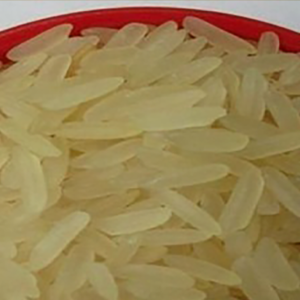

Buy Thai Parboiled rice 5% broken
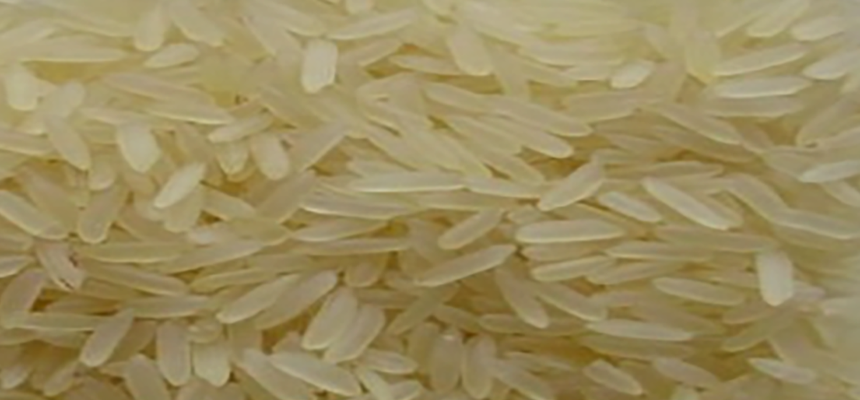
Description
Specifications of Parboiled Rice 5% Broken Sortexed
Thai Parboiled Rice 5% Specification
Thai Parboiled Rice with 5% Broken Grains
Thai parboiled rice with 5% broken grains offers further quality for cooking needs. The rice itself maintains good texture and nutritional value. Buy Thai Parboiled rice 5% broken
Introduction
Basically, we supply the same premium quality Thai parboiled rice with 5% broken grains for export as per what global buyers want.
Also, we are seeing that Thai Parboiled Rice 5% Broken is only one of the most trusted choices for getting good quality rice in world markets. This variety is actually chosen by buyers from different countries. People definitely prefer this type widely. This rice type actually has strong build and good food value, so it is definitely perfect for business and home use with same grain quality. Buy Thai Parboiled rice 5% broken
Product Overview
Thai Parboiled Rice 5% Broken actually gives excellent cooking results and definitely has long shelf life that people want worldwide. Also, this rice surely meets all quality, price, and supply needs for any business type including importers, distributors, retailers, and food service providers. Moreover, it provides reliable solutions regardless of your specific business requirements.
Thai Parboiled Rice 5% Broken surely goes through partial boiling before milling. Moreover, this process makes the rice more nutritious. The 5% broken specification actually shows how many broken grains are definitely present in the final product.
Also, Thai Parboiled Rice is actually processed by partially boiling the rice grains in their husk first, then definitely milling them further. As per this process, the nutrients are kept safe and regarding the grain structure, it becomes more strong. Basically, it makes the grain quality the same or better.
We are seeing that only 5% grains break during milling, so the rice quality stays good and same throughout.
Key Features
This rice is a popular choice across Africa, Middle East, Asia, and Europe due to its qualities, which further make it suitable for various cooking methods, and the grain itself maintains its texture well.
The food actually keeps its shape when you cook it and definitely doesn't become soft. It maintains its shape further and does not get soft itself.
Also, non-sticky grains
As per our observations, these foods are having very good nutrition value and are giving all important things regarding our body needs.
This system provides long storage capability for data retention as per requirements. The storage itself can further maintain data for extended periods.
As per nutritional value, Thai parboiled rice gives same benefits regarding health with better texture and cooking results.
Benefits
1. Grain Strength
The grain itself has good strength and can further handle pressure without breaking.
Basically, the parboiling process makes the grains hard, so they don't break easily during transport and handling - it's the same benefit for all grains. This process actually keeps the rice quality good from start to end. It definitely maintains proper standards throughout the journey. Further, you get grain that maintains its original quality throughout the journey itself.
2. Nutrient Retention
We are seeing that the parboiling process only helps to keep important vitamins and minerals, making this rice a healthier choice than normal milled rice.
3. Non-Sticky Texture
After cooking, we actually see that the grains definitely stay separate and firm, making it perfect for many different dishes including:
- Steamed rice
- Fried rice
- Rice bowls
- Catering meals
4. Long Shelf Life
These products actually last for a very long time without going bad. They definitely stay fresh and usable for many months or years.
As per our observations, these products are having good shelf life only and are not getting spoiled quickly regarding their storage quality.
This rice surely possesses excellent storage properties, making it ideal for bulk purchasing. Moreover, its superior quality ensures long-term preservation without deterioration. We are seeing that it can be sent to far places only without any trouble.
Product Specifications
General Specifications
We are seeing this product is only Thai Parboiled Rice that can be used for cooking.
Further, the broken ratio itself should not exceed 5% maximum. We are seeing that this limit only helps to keep quality standards properly maintained.
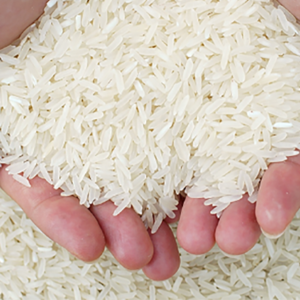
Basically, this rice has long grains that are the same - thin and they separate when you cook them.
Also, as per the parboiling process, the rice gets light golden yellow color, which gives it this special look regarding its appearance.
The moisture content should surely not exceed 14% maximum. Moreover, this limit must be strictly maintained for proper quality.
Purity: 100%
We are seeing that only 0.1% mixing is allowed maximum, and no other dirty things should be there.
Damage/Discoloration: Minimal
Quality Standards
The products are surely cleaned and processed using modern technology methods. Moreover, these techniques ensure proper quality and safety standards.
As per quality standards, the product has no insects, stones, or other dirty things. Regarding purity, it meets all required rules.
Further, the products surely contain only natural ingredients without any harmful chemicals or artificial additives. Moreover, these formulations are completely free from toxic substances.
Basically this food is the same as safe to eat and good for people.
This product surely meets international export standards.
Packaging Options
Available Sizes
- 1 kg
- 5 kg
- 10 kg
- 25 kg
- 50 kg
Packaging Types
Further, PP woven bags surely provide excellent durability for packaging needs.
Laminated bags
Basically, vacuum packaging is the same thing we can provide if you ask for it. Buy Thai Parboiled rice 5% broken
Private Labeling
As per your requirements, we provide custom branding solutions regarding your business needs.
- Custom logos
- Branded packaging
- Label design support
Basically, importers and distributors can sell the same products using their own brand name through this system. Buy Thai Parboiled rice 5% broken
Supply and Distribution
We specialize in supplying Thai Parboiled Rice 5% Broken to international markets. As per our plan, we focus on meeting world demand regarding quality exports. Buy Thai Parboiled rice 5% broken
Shipping Options
- Sea freight for large quantities
- Air freight for urgent deliveries
- Door-to-door delivery for complete logistics support
Export Markets
We actually supply worldwide and serve:
- Importers
- Wholesalers
- Supermarkets
- Food distributors
- Restaurants and food service establishments
Applications
1. Household Cooking
Perfect for daily use with easy preparation and good results.
2. Restaurants and Catering
Stays firm and non-sticky, ideal for large meals. Buy Thai Parboiled rice 5% broken
3. Food Processing Industry
Used in packaged meals, ready-to-eat foods, and rice-based products. Buy Thai Parboiled rice 5% broken
4. Retail Distribution
Strong demand in supermarkets and retail shops.
Cooking Benefits
- Grains stay separate after cooking
- Absorbs flavors well
- Easy to cook
- Maintains shape after reheating
Nutritional Value
- Provides carbohydrates
- Contains vitamins and minerals
- Low fat content
- Easily digestible
- Naturally gluten-free
Production Process
1. Sourcing
We get good rice from trusted farms.
2. Parboiling
Rice is soaked, steamed, and dried. Buy Thai Parboiled rice 5% broken
3. Milling
Modern methods reduce grain breakage. Buy Thai Parboiled rice 5% broken
4. Sorting
Maintains 5% broken rate. Buy Thai Parboiled rice 5% broken
5. Quality Control
Tested for moisture, purity, and contamination. Buy Thai Parboiled rice 5% broken
6. Packaging
Packed in clean conditions. Buy Thai Parboiled rice 5% broken
Bulk Buying Benefits
- Lower cost per unit
- Stable supply
- Reduced shipping costs
- Better profit margins
Pricing
We source directly and process efficiently to offer competitive prices. Bulk purchases qualify for discounted pricing. Buy Thai Parboiled rice 5% broken
Storage Information
Shelf Life
Up to 24 months under proper conditions.
Storage Guidelines
- Store in a cool, dry place
- Avoid moisture and sunlight
- Use airtight containers after opening
Why Choose Us
1. Consistent Quality
Every batch meets international standards. Buy Thai Parboiled rice 5% broken
2. Reliable Supply
On-time delivery.
3. Global Reach
Worldwide supply.
4. Custom Solutions
Flexible packaging and branding.
5. Customer Support
Dedicated assistance for all queries. Buy Thai Parboiled rice 5% broken
Ordering Process
- Choose quantity
- Select packaging
- Request a quote
- Confirm order
- Complete payment
- Shipment arranged
FAQ
- Meets international export standards
- Supports bulk and regular orders
- Private labeling available
- Strict quality checks maintained
- Ships worldwide
Conclusion
Basically, Thai Parboiled Rice 5% Broken is the same as getting top quality rice with strong grains that cooks really well. We provide quality products with flexible packaging and competitive pricing, further ensuring global delivery. Buy Thai Parboiled rice 5% broken
Basically contact us for getting quotations, samples, or the same information you need.
Related products
Thai Parboiled Rice 100% Broken
Thai White Rice 100% Sortexed
Thai Jasmine Rice / Thai Pathumthani Fragrant Rice