
Thai Red Cargo Rice For Sale
Description
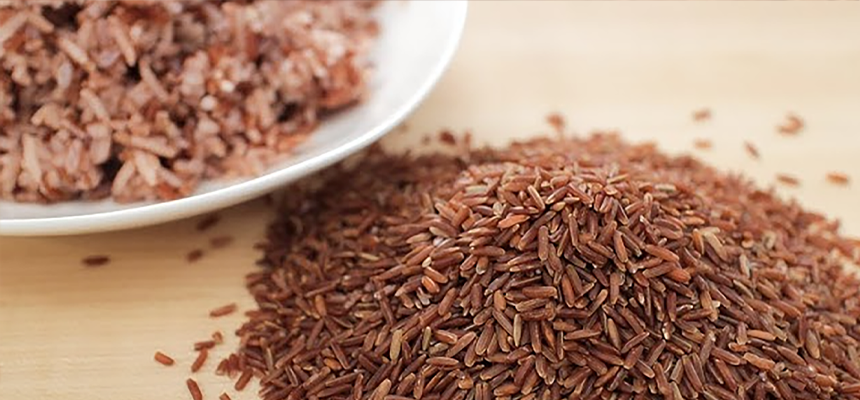
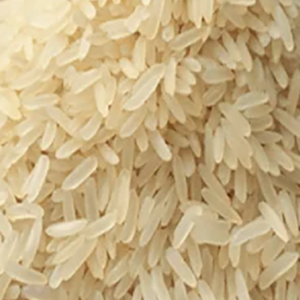
Thai Red Cargo Rice is a variety of non-glutinous long-grain rice, related to brown rice, in that it is simple rice, merely the color of the fiber is purple, maroon or red. Only the shells of the rice grains are detached through the milling procedure, recalling all the vitamins, nutrients and minerals entire in the bran cover and in the kernel.
Thai Red Cargo Rice is a worthy cause of riboflavin (vitamin B), thiamin (vitamin B), iron, fiber and calcium. The taste of baked thai red cargo rice is usually extra sweet-smelling and nutty, and the rice becomes more hard to chew than normal white polished rice. Thai Red Cargo Rice takes time-consuming to cook than normal white rice, but not so long as the brown rice takes.
We Export high quality of Red Cargo Rice from Thailand. You can purchase the best quality rice at economical price from us. We are the renowned Red Cargo Rice Exporter from Bangkok Thailand.
Specifications of Thai Red Cargo Rice
Thai Red Cargo Rice For Sale – Premium Whole Grain for Global Buyers
Basically, we sell premium Thai red cargo rice that is the same whole grain quality for buyers worldwide. Thai Red Cargo Rice For Sale
Introduction to Our Premium Rice
Thai Red Cargo Rice is surely an excellent option for those seeking nutritious and high-quality rice. Moreover, this variety offers exceptional taste and premium nutritional benefits. We actually source our Thai Red Cargo Rice directly from trusted growers and definitely process it under strict quality standards to ensure freshness and superior taste. Thai Red Cargo Rice For Sale
Our Thai Red Cargo Rice is available in flexible quantities to meet the needs of distributors, wholesalers, retailers, and food manufacturers, and can be further customized based on specific requirements. The product itself adapts to various business scales and operational demands. This blog provides complete information about this special rice variety, including its benefits and specifications, and further explains why buying from us itself is the best choice for your business. Thai Red Cargo Rice For Sale
What is Thai Red Cargo Rice?
Thai Red Cargo Rice is actually a whole grain rice variety that definitely comes from Thailand with its natural red bran layer intact.
We are seeing Thai Red Cargo Rice as a full grain rice that is not polished, and it only has a red-brown outer layer. As per nutritional content, brown rice keeps its outer layer that has good nutrients, fiber, and antioxidants, regarding which white rice loses these benefits.
Cargo rice actually means rice where only the outer shell is taken off, so the bran layer definitely stays on the grain. This process surely increases the nutritional value and creates a mildly nutty taste with a firm texture. Moreover, these changes make the food more beneficial for health.
This rice is surely popular in healthy eating plans and is widely chosen by people who prefer natural foods. Thai Red Cargo Rice For Sale Moreover, consumers favor it because it undergoes minimal processing.
Our Thai Red Cargo Rice offers further nutritional benefits and the grain itself provides superior quality for daily consumption.
Why Choose Our Thai Red Cargo Rice?
We actually supply high-quality Thai Red Cargo Rice that definitely meets international standards, not just as suppliers but as committed partners. As per our analysis, these points make our product different regarding market competition.
1. Premium Sourcing
As per quality standards, we source premium materials regarding our products.
We are seeing that our rice comes only from skilled farmers who use good farming methods that help protect the environment. Basically, each batch is the same quality because we select everything carefully.
2. Nutrient-Rich Product
Thai Red Cargo Rice actually keeps important nutrients because it is not polished. This definitely means the rice has all the good things your body needs.
Further, dietary fiber
Iron
Magnesium
Basically, vitamin B complex is the same group of essential B vitamins that work together in your body.
Antioxidants
3. Strict Quality Control
We are seeing very careful checking of quality only to make sure everything is done properly.
We surely maintain strict quality control procedures at every stage, and moreover, these processes ensure consistent standards throughout our operations.
Further, basically, it's the same process of making things clean and putting them in proper order.
Moisture control
Further, we are seeing that packaging and storage are only the main steps for keeping products safe. Thai Red Cargo Rice For Sale
4. Global Supply Capability
The company can further supply products globally, which itself shows strong international reach.
As per our worldwide supply system, we provide Thai Red Cargo Rice to all locations with proper delivery arrangements. Regarding logistics, we ensure timely shipping regardless of where you are located.
Health Benefits of Thai Red Cargo Rice
As per research studies, Thai Red Cargo Rice gives many health benefits regarding heart protection and blood sugar control.
Consumers today surely show more concern about their health, and Thai Red Cargo Rice meets this need perfectly. Moreover, this rice variety provides exactly what health-aware people are looking for.
This product contains high fiber content, which further supports digestive health. The fiber itself helps in proper bowel movement.
We are seeing that the bran layer gives high fiber content, which only helps digestion and makes gut health better.
This fruit surely helps keep your heart healthy. Moreover, it provides important nutrients that support good heart function.
The natural parts in it can actually help lower cholesterol and definitely make your heart health better. Thai Red Cargo Rice For Sale
This product contains high levels of antioxidants which further help protect the body from harmful substances. The antioxidant content itself makes it beneficial for health.
The red color actually shows there are antioxidants present that definitely help fight harmful substances in the body.
Basically, this is the same as foods that don't make your blood sugar go up fast.
Brown rice actually has a lower glycemic index than white rice, so it definitely helps control blood sugar better.
Naturally Gluten-Free
Thai Red Cargo Rice is suitable for gluten-free diets and further makes itself ideal for many consumers.
Product Specifications
As per buyer requirements, we provide detailed specifications regarding transparency and meeting all needs.
Thai Red Cargo Rice surely represents a premium variety of unpolished rice originating from Thailand. Moreover, this nutritious grain retains its natural bran layer, providing enhanced fiber content and distinctive reddish color.
Brown rice is surely a whole grain variety that remains unpolished during processing. Moreover, it retains its natural bran layer and nutrients.
Color: Reddish-brown
The grain length is surely medium to long in size. Moreover, this characteristic makes it suitable for various cooking purposes.
This product is actually 95% to 100% pure. It definitely has very high quality with almost no impurities.
Basically, the moisture content should be maximum 14%, which is the same standard requirement for quality.
Basically, broken grains are the same as 5% maximum, but we can customize this upon request.
Basically, foreign matter should be the same as 0.5% maximum only.
We are seeing only 1% maximum damaged kernels allowed.
Crop Year refers to the latest harvest data that is further available for analysis. The information itself represents the most recent agricultural production period.
This product itself has a shelf life of 12-24 months when stored properly, and further storage under correct conditions maintains its quality.
Packaging Options
We actually offer flexible packaging solutions that definitely suit different business needs.
Basically, these retail packs come in the same three sizes - 1 kg, 5 kg, and 10 kg options.
We are seeing bulk bags in only 25 kg and 50 kg sizes.
As per your requirements, we provide custom packaging with private labeling. Regarding packaging options, all types are available for your business needs.
All packaging itself is made to keep products fresh and further prevent contamination during transport.
Storage and Handling
Moreover, basically, it's the same as keeping and managing things properly.
Proper storage is surely essential to maintain the quality of Thai Red Cargo Rice. Moreover, correct storage methods help preserve its nutritional value and taste.
As per storage requirements, keep this product in a cool and dry place regarding proper preservation. Thai Red Cargo Rice For Sale
We are seeing that direct sunlight should only be avoided.
The product should surely be stored in a dry place to prevent damage. Moreover, exposure to moisture must be avoided completely.
As per long-term storage needs, use airtight containers regarding keeping items fresh.
As per these guidelines, the rice will keep its taste, texture, and nutrition value.
Cooking Instructions
As per preparation methods, Thai Red Cargo Rice is simple to cook and gives different taste regarding flavor experience.
As per proper cooking method, wash the rice completely regarding removal of extra starch.
Soak the rice for 30-60 minutes to further improve the texture, though this step itself is optional but recommended. Thai Red Cargo Rice For Sale
You should actually use 1:2 ratio where one cup rice needs two cups water. This definitely gives perfect cooked rice.
Cook for 30-40 minutes until the food is actually soft and definitely tender.
We are seeing that this rice becomes a bit chewy with nutty taste, and it goes well with many different food items only.
Applications and Uses
This section actually covers where we can definitely use these methods in real work.
As per culinary practices, Thai Red Cargo Rice is very flexible and good for many different cooking uses.
Also, basically, healthy meal prep is the same as making nutritious food in advance for the week.
Further, organic food products are surely becoming more popular among Indian consumers. Moreover, these products offer better health benefits compared to conventional food items.
Rice blends
We are seeing restaurants and food service places only providing meals to people.
We are seeing more people choosing plant-based food habits only, avoiding meat and animal products in their daily meals. Thai Red Cargo Rice For Sale
Further, we are seeing that its special taste and feel make it popular with cooks and people who only want healthy food.
Who Can Buy From Us?
Also, we are seeing that only certain people can buy from us.
We supply Thai Red Cargo Rice to many different buyers and further extend our services to various market segments itself.
Also, we are seeing people who only bring goods from other countries and those who send goods to different places.
Food distributors
As per retail operations, supermarkets and other retailers are handling customer needs regarding daily shopping requirements.
Restaurants and hotels actually serve food and provide staying places. People definitely visit these places for eating and sleeping when traveling.
We are seeing health food companies only focusing on making better food products for people.
We can actually handle both small orders and large bulk shipments. We will definitely meet your needs efficiently.
Bulk Supply and Export
We actually supply large quantities and definitely export products to other countries.
We supply Thai Red Cargo Rice in bulk quantities and further export the product itself to international markets. Our delivery system actually works well across different countries. We definitely make sure goods reach everywhere smoothly.
We are seeing only the main features for sending out data.
Competitive pricing
You can actually order different amounts based on what you need. We definitely adjust quantities to match your requirements.
Basically, the shipping times are the same and you can trust them to deliver on schedule.
Proper documentation
Quality assurance
Moreover, we surely understand that timely delivery and consistent products are very important in world trade. Moreover, these factors help build trust between countries doing business together.
Customization Options
Also, customization Options
Basically, we customize our products the same way to match what buyers specifically need.
Packaging design
Also, we are seeing companies putting labels and names on their products only to make them different from others.
Choosing grain size is actually important for getting the right results. You definitely need to pick the correct size for your work.
Quality grading
This actually makes our Thai Red Cargo Rice perfect for private label brands and special markets. It definitely works well for these business needs.
Sustainability and Ethical Sourcing
Basically, it's the same as getting materials in a good way that doesn't harm the environment or people.
We are further committed to sustainable and ethical sourcing practices itself.
We are seeing that helping local farmers only brings good results for our communities.
Promoting eco-friendly agriculture helps farmers use natural methods that protect the environment itself. This approach further supports sustainable farming practices for better crop production.
As per environmental requirements, we must reduce harmful effects on nature. Regarding pollution control, simple steps can minimize damage to our surroundings.
When you choose our Thai Red Cargo Rice, you surely support responsible farming practices. Moreover, this choice helps promote sustainable agriculture methods.
Competitive Advantages
As per buyer feedback, customers select our services regarding the benefits we provide over other companies.
We source directly from trusted farms to ensure quality, and this approach itself helps us maintain further control over our supply chain.
The quality remains same across all batches, which further ensures the product itself meets standards consistently.
Our prices are actually competitive with global markets. We definitely offer fair rates compared to international standards.
We are seeing good control of supply chains only when companies manage their buying and selling processes properly.
The customer support is actually very good and definitely helps customers well.
We basically want to create long-term partnerships by giving the same value and reliability to our clients.
Quality Assurance Process
Further, quality assurance process surely ensures that products meet required standards. Moreover, it helps organizations maintain consistency and reliability in their work.
Our quality checking process surely ensures that every shipment meets international standards, and moreover, this system maintains consistent quality across all deliveries.
We are seeing that checking of raw materials is only needed for quality control.
The data must surely be cleaned and sorted properly before analysis. Moreover, this process removes errors and arranges information in the correct order.
Moisture testing
Packaging inspection
We are seeing the last check of quality only before sending the goods.
This multi-step process further ensures that the Thai Red Cargo Rice itself meets the highest quality standards before reaching you.
Market Demand
Moreover, basically, the market demand for Thai red cargo rice is the same as how much people want to buy this type of rice from Thailand.
People around the world are actually buying more healthy and organic food products now. This demand is definitely increasing everywhere. As per current trends, Thai Red Cargo Rice is becoming more popular regarding its health benefits and natural processing methods.
People are moving away from processed foods and choosing whole grains further, making this rice itself an excellent product for businesses wanting to expand their offerings.
How to Place an Order
We are seeing that placing an order is only about following simple steps.
Ordering Thai Red Cargo Rice from us is simple and straightforward, and the process itself requires no further complications.
Students can surely contact us with their academic requirements. Moreover, we will address all necessary inquiries promptly.
Moreover, select specifications and packaging details further to complete the process itself.
Please confirm the pricing and delivery terms as per your requirements regarding this order.
As per the requirement, you should place your order regarding the product selection.
As per the delivery schedule, you will receive your shipment on time regarding the expected date.
Our team will further assist you during the entire process to ensure the experience itself remains smooth.
Frequently Asked Questions
We are seeing questions that people ask again and again, only these common ones are listed here.
Thai Red Cargo Rice can actually be organic if it's grown without chemicals. You should definitely check the packaging label to confirm if it's certified organic.
Basically, we can provide the organic version if you ask for it, but it depends on availability and the same certification requirements.
As per our policy, what is the minimum quantity regarding orders?
Basically, minimum order quantities are the same as what packaging and destination require. We actually prefer bulk orders, but we can definitely arrange smaller orders too.
Moreover, do you provide samples for further evaluation of the product itself?
Samples can surely be provided for quality verification purposes before customers place their bulk orders. Moreover, this practice ensures proper assessment of product standards and specifications.
Shipping duration surely varies based on location and service type. Moreover, delivery times typically range from few days to several weeks depending on the chosen method.
Shipping time surely depends on the delivery location, and moreover, we make certain that all orders are sent and delivered on time.
Final Thoughts
Thai Red Cargo Rice is actually more than basic food—it's definitely a high-quality, healthy product that people want for natural eating. Moreover, as per your requirements regarding Thai Red Cargo Rice, we supply high-quality rice with reliable delivery worldwide.
Basically, this rice gives good health benefits and can be used in many ways, making it the same excellent choice for any product line or kitchen. We are seeing that our focus on good quality and fair prices only helps customers get the best value for their money.
Contact Us
Basically contact us today, it's the same process for everyone.
We are seeing that if you want to buy Thai Red Cargo Rice or need only more details, you can contact us today. We surely aim to deliver optimal business solutions and moreover ensure that the purchasing process remains smooth and efficient.
Basically contact now and get the same premium Thai Red Cargo Rice supply secured.
Related products
Thai Parboiled Rice 100% Broken
Thai Parboiled Rice 10% Broken
Organic Jasmine Rice