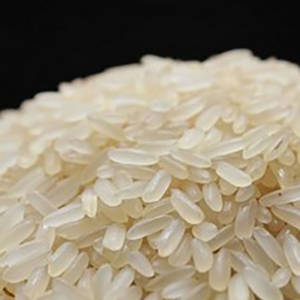

Basmati Rice For Sale
Description
Overview
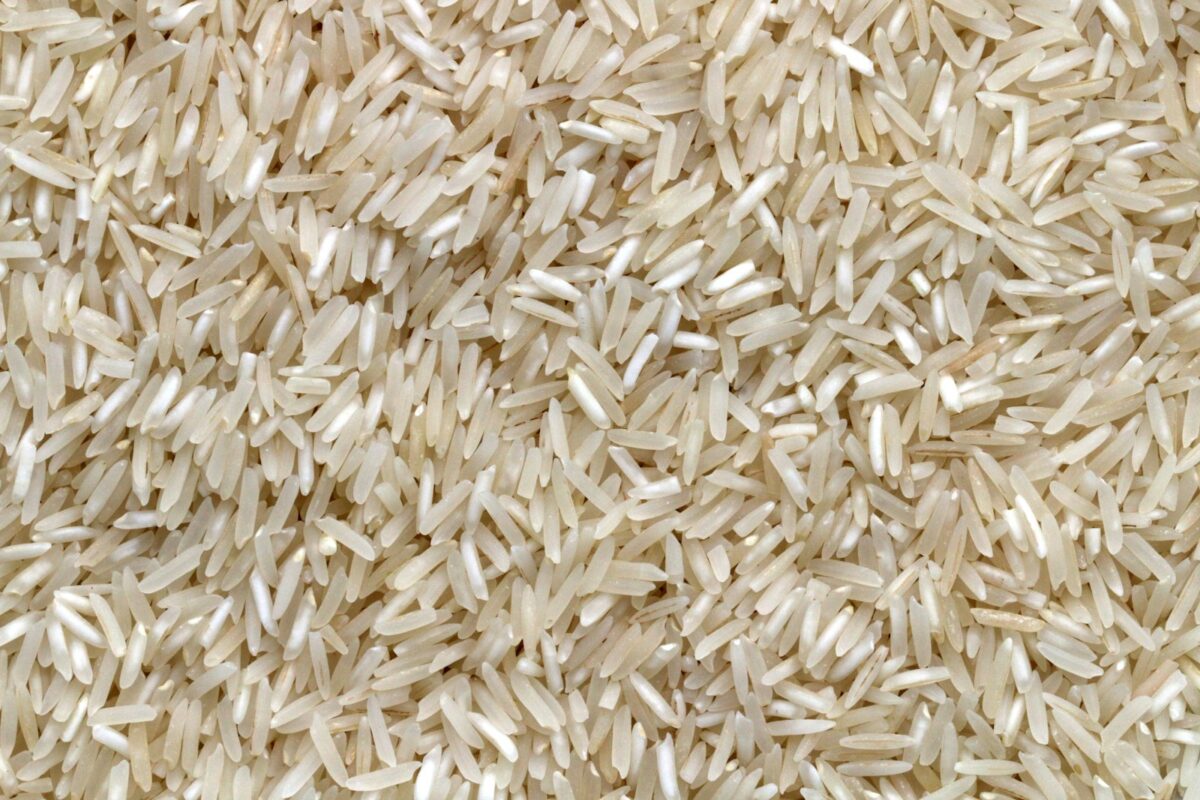
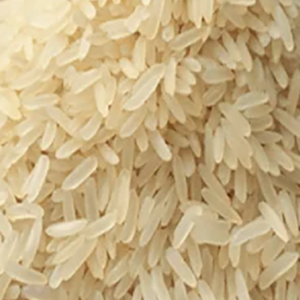
If you are looking for basmati rice for sale in wholesale or export volumes, we supply long, slender, aromatic basmati rice to importers, distributors, supermarkets, restaurants and private label brands worldwide. Basmati is traditionally grown in the foothills of the Himalayas across northern India and Pakistan, and buyers value it for three qualities they notice straight away: its natural fragrance, the way each grain lengthens during cooking, and a light, fluffy texture where the grains stay separate.
It is the rice of choice for biryani, pilaf, pulao, kabsa and many celebration dishes, and it sells strongly in the UK, the Middle East, North America, Europe, Africa and South Asian communities around the world. For broader background on the variety, see Wikipedia’s basmati overview.
What Makes Basmati Rice Different
The word basmati is usually translated as fragrant. Its aroma comes from a natural compound called 2-acetyl-1-pyrroline, the same compound that gives jasmine rice its scent. What really sets basmati apart is elongation: cooked basmati grains can grow to nearly twice their raw length while staying slim, instead of swelling outward like most rice.
Premium basmati is often aged for several months after harvest. Aging lowers moisture, firms the grain and improves both aroma and elongation, which is why aged basmati is preferred by restaurants and caterers who need grains that stay separate on the plate.
Basmati Processing Styles
- Raw (white) basmati: milled and polished with no heat treatment, with the strongest aroma
- Steam basmati: lightly steamed in the husk for firmer grains that cook up separate
- Sella (parboiled) basmati: parboiled in the husk, available as golden sella and white sella, very firm and forgiving in large batches
- Brown basmati: whole grain basmati with the bran intact
Basmati is also traded by variety, including 1121, 1509, Pusa, Super Kernel and traditional basmati. Tell us the style and variety your market prefers and we will confirm availability.
Grain Specifications
- Grain type: extra long, slender, aromatic
- Average grain length: by variety, confirmed per contract
- Purity: 95% minimum
- Moisture: 13% maximum
- Broken grains: 1% to 5% depending on grade
- Damaged and discolored grains: 1% maximum
- Foreign matter: 0.5% maximum
- Crop: current season, or aged on request
- Origin: confirmed on each quotation
- Shelf life: 18 to 24 months with proper storage
Final specifications are agreed on each contract, and a certificate of analysis is available with your shipping documents on request.
Health Profile
Basmati rice is naturally gluten free, low in fat and contains no cholesterol. White basmati generally has a lower glycemic index than many other white rice varieties, which is one reason it is popular with health-conscious shoppers. Brown basmati keeps the bran layer, adding more fiber, minerals and B vitamins. It is still mainly a carbohydrate, but it fits well into a balanced diet.
How to Cook Basmati Rice
Rinse the rice two or three times until the water runs mostly clear, then soak for 20 to 30 minutes to help the grains reach full length. For raw white basmati, use about 1 cup of rice to 1.5 to 1.75 cups of water, bring to a boil, cover and simmer gently for 10 to 12 minutes, then rest for 5 minutes before fluffing with a fork. Sella basmati needs more water and a few extra minutes. Many cooks also boil basmati in plenty of water and drain it like pasta, which gives very separate grains for biryani.
Buying Basmati Rice Wholesale
Packaging
We pack basmati rice in 1kg, 5kg and 10kg retail bags, along with 25kg and 50kg bulk bags for wholesale and export orders. Bag material, printing and carton or pallet configuration can be adjusted to suit your market. Private label packaging is available for buyers building their own rice brand: send your artwork and target bag sizes when you request a quote.
Storage Guidelines
- Keep in a cool, dry, well-ventilated place away from direct sunlight
- Store bags on pallets, off the floor and away from walls
- Keep in the original sealed packaging until use
- Transfer to an airtight container once opened
- Protect from moisture, strong odors and pests
Basmati readily absorbs surrounding odors, so keep it away from spices, chemicals and strongly scented goods during storage and transport to protect its natural aroma.
Common Uses
- Biryani, pulao and pilaf
- Kabsa, mandi and other Middle Eastern rice dishes
- Jollof and celebration rice dishes
- Restaurant, hotel and catering menus
- Retail packs for supermarkets and ethnic grocery stores
- Ready meals and frozen food production
Who Buys Basmati Rice
- Importers and wholesale distributors
- Supermarket chains and South Asian, Middle Eastern and African grocery stores
- Restaurants, hotels and catering companies
- Food manufacturers making ready meals
- Private label rice brands
Quality Assurance
Every lot of basmati rice is checked for moisture, purity, broken grain percentage and foreign matter before packing, and goods receive a final inspection before they leave the warehouse. A certificate of analysis can be supplied with your shipping documents on request. If your market requires third-party inspection or specific laboratory tests, tell us at the inquiry stage so we can confirm what can be provided.
Reliable Supply
We plan supply of basmati rice around confirmed orders and repeat programs, so buyers receive consistent grain quality from one shipment to the next. Share your expected monthly or seasonal volumes and we will plan sourcing and packing around your schedule.
Wholesale and Export
We supply basmati rice from small trial orders through to full container loads, with pricing that improves at higher volumes. Bulk orders ship by sea freight in 20ft and 40ft containers. If you are sourcing several rice types for one shipment, explore our full product range.
Customization
Beyond standard packaging and private labeling, we can work with you on grade selection, broken grain percentage, bag design and label language for specific retail, food service or private label programs.
Ordering Process
- Send your inquiry with quantity, packaging preference and destination port
- Confirm specifications and receive a price quote
- Confirm order details, payment and delivery terms
- We prepare, inspect and pack your order
- Your shipment leaves with full export documentation
Frequently Asked Questions
What is the difference between 1121 basmati and traditional basmati?
1121 is known for exceptional grain length and elongation, while traditional basmati varieties have a slightly shorter grain and are often valued for a stronger aroma. We can help you choose based on your market.
What is sella basmati?
Sella is parboiled basmati. It cooks up firm and separate, holds well in large batches and is especially popular with caterers and in the Middle East.
Can I get a sample before ordering in bulk?
Yes, samples are available so you can check quality before placing a larger order.
What is your minimum order quantity?
We handle both trial orders and full container loads. Tell us your target volume and we will quote accordingly.
Get a Quote
Ready to buy basmati rice, or want current pricing and lead times first? Contact us through our contact page or on WhatsApp at +66 81 034 6390 with your target quantity, packaging preference and destination port, and we will reply with a quotation.
Where Basmati Rice Is Grown
Authentic basmati comes from the Indo-Gangetic plains at the foot of the Himalayas, mainly the Punjab region on both sides of the India and Pakistan border, along with Haryana, Uttar Pradesh and neighboring areas. The climate, soil and snow-fed rivers of this region are closely linked to the aroma and grain quality of basmati, and the name is protected by geographical indication rules. The main harvest runs from about October to December.
Basmati Rice vs. Jasmine Rice
Both are aromatic long grain rices, but they behave differently. Basmati is longer and thinner and cooks up dry and separate, which is ideal for biryani and pilaf. Jasmine rice is slightly shorter and cooks up soft and a little sticky, which suits Southeast Asian dishes and everyday table rice. Many distributors stock both. Compare with our Thai Jasmine Rice and Thai Hom Mali Rice.
Market Demand
Global demand for basmati rice continues to grow, led by the Middle East, the UK and Europe, North America, Africa and South Asian communities worldwide. Restaurants and caterers favor sella and aged raw basmati for consistency, while supermarkets look for attractive retail packs with strong aroma and long grains.
Culinary Pairings and Applications
Basmati pairs naturally with curries, grilled meats, kebabs, tagines, lentil dishes and roasted vegetables. Its separate grains make it ideal for layered dishes like biryani and for rice salads, while its aroma lifts simple steamed rice served alongside stews and sauces.
Comparing Suppliers
If you are evaluating more than one supplier for basmati rice, ask each one for recent test results, clear written specifications, sample availability and realistic lead times. Consistency between shipments matters as much as the first sample, so ask how the supplier controls quality across repeat orders. We are happy to answer these questions directly before you commit.
Export Documentation
Every international shipment of basmati rice comes with standard export paperwork, including a commercial invoice, packing list, bill of lading, certificate of origin and phytosanitary certificate. If your country requires additional documents, such as a fumigation certificate, health certificate or a specific laboratory report, let us know before the order is confirmed so there are no delays at your port.
Pricing Factors
Basmati rice prices depend on the variety, grain length, processing style, aging period and broken grain percentage. Crop size, export policies in producing countries and global shipping costs also move prices from season to season. Order volume is the biggest factor you control, so larger and repeat orders receive better per-unit pricing. Always check current pricing rather than relying on an older quote.
Working With Us Long-Term
Many buyers start with a trial order to confirm quality before moving to regular shipments of basmati rice. We support both occasional bulk purchases and standing supply programs with planned shipping schedules. If you plan to build basmati rice into an ongoing product line, tell us at the start so we can plan volumes and pricing around a long-term relationship.
More Frequently Asked Questions
Do you supply aged basmati?
Aged basmati can be supplied on request. Tell us the aging period you need and we will confirm availability.
Can you pack basmati under my brand?
Yes, private label packaging is available in both retail and bulk sizes.
Which basmati style is best for restaurants?
Sella basmati is the most forgiving in large batches, while aged raw basmati gives the best aroma for premium dishes.
A Note on Naming
Basmati is sold under many trade names, such as 1121 sella, golden sella, white sella, steam basmati, extra long grain basmati and Super Kernel. These usually describe the variety and processing style rather than a different product. If you have a specific trade name or a sample from another supplier, send us the details and we will confirm the closest match.
Why Buyers Choose Us for Basmati Rice
We focus on clear specifications, honest lead times and consistent quality from one shipment to the next. Each lot is checked before packing, samples are available before you commit, and we support both trial orders and long-term supply programs. If you need a dependable source of basmati rice for sale in wholesale volumes, we would be glad to send you a quote.
Related products
Thai Parboiled Rice 100% Broken
Thai Parboiled Rice 10% Broken
Organic Jasmine Rice