
Sushi Rice For Sale
Description
Overview
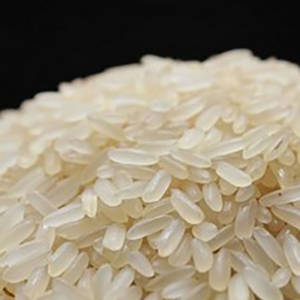
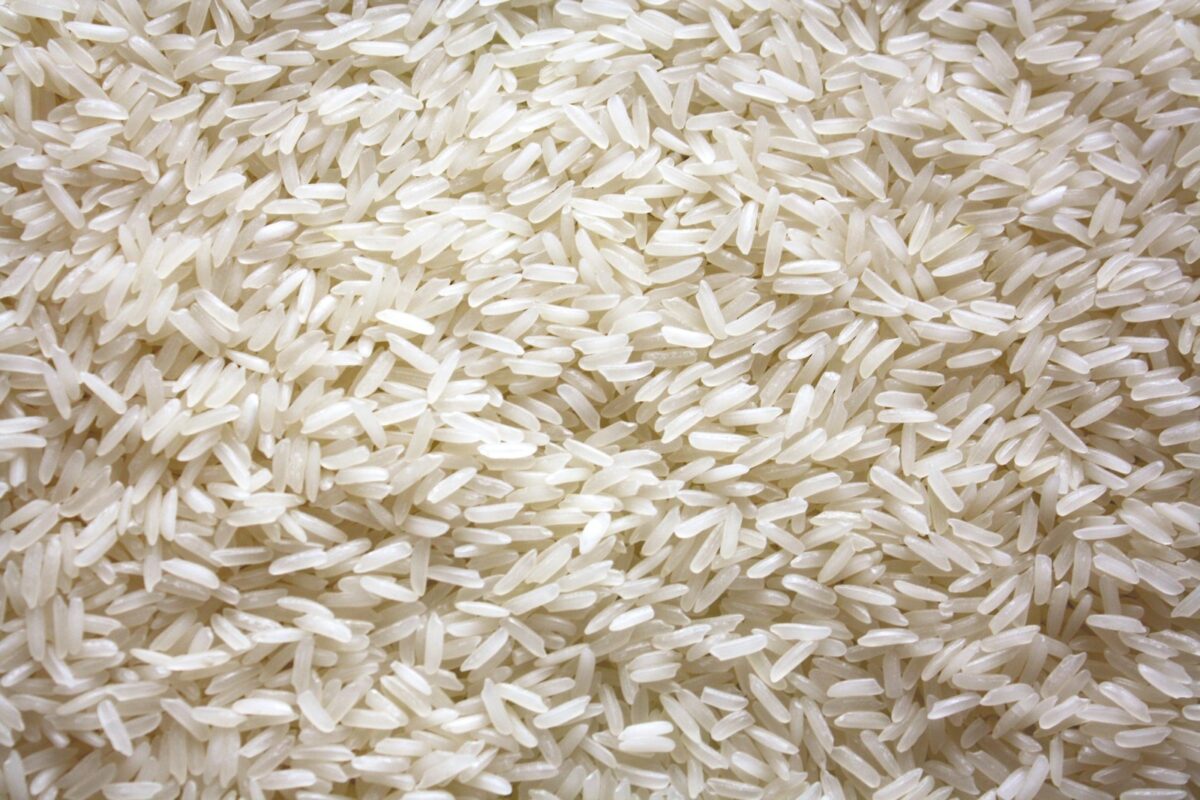
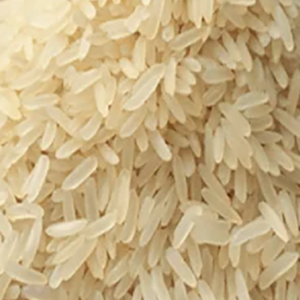
If you are looking for sushi rice for sale in wholesale volumes, we supply short grain Japonica sushi rice to sushi restaurants, Asian grocery stores, distributors, supermarkets and food manufacturers. Sushi rice has short, round, glossy grains that cook up tender, slightly sweet and sticky, so they hold together when shaped into nigiri, maki and onigiri while still keeping a pleasant bite.
Japonica is the type of rice grown across Japan and Korea, and well-known Japanese varieties include Koshihikari and Akitakomachi. For more background, see Wikipedia’s Japanese rice article.
What Makes Sushi Rice Different
Sushi rice is low in amylose and rich in amylopectin, the starch that makes cooked rice sticky and glossy. This lets the grains bind together when pressed, while each grain stays whole and distinct instead of turning into paste. Good sushi rice also absorbs seasoning vinegar evenly, which is essential for consistent flavor in every piece.
Freshness matters with Japonica rice. Newly harvested rice, known in Japan as shinmai, has higher moisture and a sweeter flavor, so many buyers specify current crop rice for premium sushi.
Grain Specifications
- Grain type: short grain Japonica, round and glossy
- Purity: 95% minimum
- Moisture: 15% maximum
- Broken grains: 3% to 5% depending on grade
- Chalky and damaged grains: limited according to grade
- Foreign matter: 0.5% maximum
- Crop: current season
- Origin: confirmed on each quotation
- Shelf life: about 12 months with proper storage
Final specifications are agreed on each contract, and a certificate of analysis is available with your shipping documents on request.
Key Characteristics
Sushi rice is naturally gluten free, with a mild, slightly sweet flavor and a soft but resilient texture. It shines when cooked, holds its shape when cooled to body temperature and works well with both raw fish and cooked or vegetarian fillings.
How to Cook Sushi Rice
Rinse the rice gently several times until the water runs almost clear, then drain for 15 to 30 minutes. Use about 1 cup of rice to 1.1 to 1.2 cups of water, bring to a boil, cover and simmer on low heat for 12 to 15 minutes, then rest covered for 10 to 15 minutes. Transfer the hot rice to a wide bowl, fold in sushi vinegar made from rice vinegar, sugar and salt with a cutting motion, and fan the rice until it cools to around body temperature before shaping.
Buying Sushi Rice Wholesale
Packaging
We pack sushi rice in 1kg, 5kg and 10kg retail bags, along with 25kg and 50kg bulk bags for wholesale and export orders. Bag material, printing and carton or pallet configuration can be adjusted to suit your market. Private label packaging is available for buyers building their own rice brand: send your artwork and target bag sizes when you request a quote.
Storage Guidelines
- Keep in a cool, dry, well-ventilated place away from direct sunlight
- Store bags on pallets, off the floor and away from walls
- Keep in the original sealed packaging until use
- Transfer to an airtight container once opened
- Protect from moisture, strong odors and pests
Japonica rice gradually loses moisture and flavor over time, so we recommend rotating stock on a first-in, first-out basis and using it within its best-before period for top sushi quality.
Common Uses
- Nigiri, maki, temaki and other sushi
- Onigiri and bento
- Poke bowls and donburi
- Ready-to-eat supermarket sushi
- Korean gimbap and rice dishes
- Rice desserts and mochi-style sweets
Who Buys Sushi Rice
- Sushi restaurants and chains
- Asian grocery stores and supermarkets
- Food manufacturers making packaged sushi and onigiri
- Food service and catering companies
- Distributors and private label brands
Quality Assurance
Every lot of sushi rice is checked for moisture, purity, broken grain percentage and foreign matter before packing, and goods receive a final inspection before they leave the warehouse. A certificate of analysis can be supplied with your shipping documents on request. If your market requires third-party inspection or specific laboratory tests, tell us at the inquiry stage so we can confirm what can be provided.
Reliable Supply
We plan supply of sushi rice around confirmed orders and repeat programs, so buyers receive consistent grain quality from one shipment to the next. Share your expected monthly or seasonal volumes and we will plan sourcing and packing around your schedule.
Wholesale and Export
We supply sushi rice from small trial orders through to full container loads, with pricing that improves at higher volumes. Bulk orders ship by sea freight in 20ft and 40ft containers. If you are sourcing several rice types for one shipment, explore our full product range.
Customization
Beyond standard packaging and private labeling, we can work with you on grade selection, broken grain percentage, bag design and label language for specific retail, food service or private label programs.
Ordering Process
- Send your inquiry with quantity, packaging preference and destination port
- Confirm specifications and receive a price quote
- Confirm order details, payment and delivery terms
- We prepare, inspect and pack your order
- Your shipment leaves with full export documentation
Frequently Asked Questions
What is the difference between sushi rice and Calrose rice?
Sushi rice is usually a short grain Japonica rice, while Calrose is a medium grain rice. Both are sticky, but short grain sushi rice is rounder and more cohesive. See our Calrose and Medium Grain Rice page if you want a medium grain option.
Do you supply current crop sushi rice?
Yes, we supply current season rice and confirm the crop year on every quotation.
Can I get a sample before ordering in bulk?
Yes, samples are available so you can test cooking quality before placing a larger order.
What is your minimum order quantity?
We handle both trial orders and full container loads. Tell us your target volume and we will quote accordingly.
Get a Quote
Ready to buy sushi rice, or want current pricing and lead times first? Contact us through our contact page or on WhatsApp at +66 81 034 6390 with your target quantity, packaging preference and destination port, and we will reply with a quotation.
Where Sushi Rice Is Grown
Japan is the traditional home of sushi rice, with well-known growing regions such as Niigata, Hokkaido and Akita. Japonica rice is also grown in Korea, northeast China, California, Italy and Australia, and these origins supply much of the sushi rice sold in international markets. Origin has a big effect on price and flavor, so we confirm the origin of every lot on your quotation.
Sushi Rice vs. Calrose vs. Jasmine Rice
Sushi rice is short, round and the stickiest of the three, which makes it ideal for shaping. Calrose is a medium grain rice that is slightly less sticky and is often used as a value option for sushi. Jasmine rice, such as our Thai Jasmine Rice, is a fragrant long grain rice that is too loose for traditional sushi but perfect for Thai and Southeast Asian dishes.
Market Demand
Sushi has become an everyday food far beyond Japan. Supermarket sushi counters, conveyor-belt restaurants, poke bars and onigiri brands are driving steady demand for sushi rice in North America, Europe, the Nordic countries, Australia and Latin America, alongside long-established demand in Japanese and Korean communities.
Culinary Pairings and Applications
Sushi rice pairs with raw and cooked seafood, avocado, cucumber, egg, pickled vegetables and seaweed. Beyond sushi, it is the right base for poke and donburi bowls, onigiri, gimbap and rice salads, and it can also be used for rice desserts and puddings.
Comparing Suppliers
If you are evaluating more than one supplier for sushi rice, ask each one for recent test results, clear written specifications, sample availability and realistic lead times. Consistency between shipments matters as much as the first sample, so ask how the supplier controls quality across repeat orders. We are happy to answer these questions directly before you commit.
Export Documentation
Every international shipment of sushi rice comes with standard export paperwork, including a commercial invoice, packing list, bill of lading, certificate of origin and phytosanitary certificate. If your country requires additional documents, such as a fumigation certificate, health certificate or a specific laboratory report, let us know before the order is confirmed so there are no delays at your port.
Pricing Factors
Sushi rice prices depend mainly on origin, variety, crop year and grade. Japanese-grown rice and premium varieties sit at the top of the market, while Japonica rice from other origins offers strong value for restaurants and food manufacturers. Crop size, shipping costs and order volume also affect the final price, and larger or repeat orders receive better per-unit pricing.
Working With Us Long-Term
Many buyers start with a trial order to confirm quality before moving to regular shipments of sushi rice. We support both occasional bulk purchases and standing supply programs with planned shipping schedules. If you plan to build sushi rice into an ongoing product line, tell us at the start so we can plan volumes and pricing around a long-term relationship.
More Frequently Asked Questions
Can you pack sushi rice under my brand?
Yes, private label packaging is available in retail and bulk sizes.
Which bag size do restaurants usually order?
Most restaurants and food manufacturers order 10kg, 20kg or 25kg bags, while retailers prefer 1kg and 5kg packs.
Is sushi rice the same as glutinous rice?
No. Glutinous or sticky rice is a different type of rice that becomes much stickier and chewier. See our Thai Glutinous Rice if you need that product.
A Note on Naming
Sushi rice is sold under several names, including Japonica rice, Japanese rice, Japanese-style rice and short grain rice. Shinmai refers to newly harvested rice. These names describe the same general category, though variety and origin can differ. Send us the details of any product you currently buy and we will confirm the closest match.
Why Buyers Choose Us for Sushi Rice
We provide clear specifications, confirmed crop year and origin, honest lead times and consistent quality between shipments. Samples are available so your chefs can test cooking quality before you commit. If you need a reliable source of sushi rice for sale in wholesale volumes, contact us for a quote.
Related products
Thai Parboiled Rice 100% Broken
Thai Parboiled Rice 10% Broken
Organic Jasmine Rice