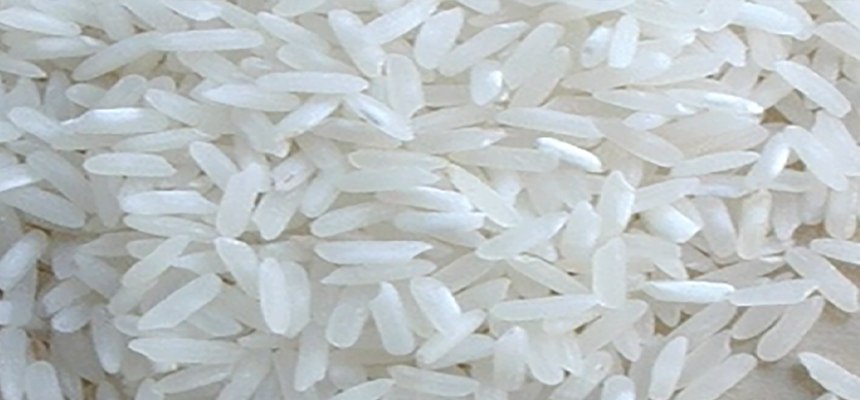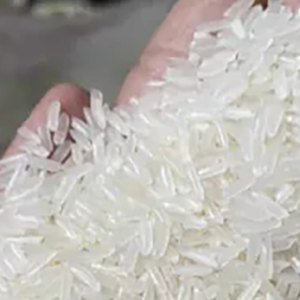

Thai glutinous rice 25 broken for sale

Thai Glutinous Rice 25% Broken

Description

Thai Glutinous Rice 25% Broken

Overview

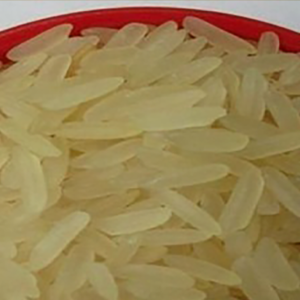
Thai Glutinous Rice 25% Broken is our value-grade sticky rice — the same aromatic, soft-cooking glutinous rice we export as a whole-grain product, but with up to a quarter of the grains broken during milling. For buyers who don't need cosmetically perfect whole grains, that difference means a lower price without giving up the cooking qualities that make glutinous rice what it is.

We export it worldwide to food manufacturers, restaurants, and bulk distributors who use sticky rice as an ingredient rather than a plated centerpiece, where broken grain percentage matters far less than taste, stickiness, and consistent supply.

What "25% Broken" Actually Means

Rice milling inevitably breaks some grains — the only question is how many. A whole-grain lot keeps broken kernels to a minimum, usually under 5%, while a 25% broken grade allows up to a quarter of the grains to be fragments rather than whole kernels. It's not damaged or lower-quality rice in any meaningful sense; it's the same crop, the same variety, processed to a looser grain-integrity specification, which is reflected directly in the price.

For cooking purposes, broken glutinous rice behaves almost identically to whole grain — it still needs soaking and steaming rather than boiling, and it still comes out soft, sticky, and chewy. If anything, the broken pieces absorb flavor and moisture slightly faster during soaking, which some processors actually prefer for factory-scale production.

Grain Specifications

  • Product: Thai Glutinous Rice, 25% broken grain grade

  • Origin: Thailand

  • Type: White glutinous (sticky) rice

  • Grain length: Short to medium

  • Broken rate: Up to 25% maximum

  • Moisture: 14% maximum

  • Purity: 95–100%

  • Admixture: Minimal to none

  • Color: Natural white

  • Crop year: Current season

  • Cooked texture: Soft, sticky, slightly chewy

  • Shelf life: 12–24 months with proper storage

We test each batch before packing and can provide a certificate of analysis alongside your shipping documents if your import process requires one. If you need a specific broken-grain ceiling tighter or looser than 25%, tell us — we also supply whole-grain Thai Glutinous Rice and can discuss other broken-grain specifications for larger orders.

Why Buyers Choose the Broken Grade

The obvious reason is cost — a 25% broken grade consistently prices lower than whole-grain glutinous rice, which matters a lot for buyers processing large volumes where per-unit cost has a direct impact on margins. Food manufacturers making packaged snacks, rice flour, or processed sweets rarely need whole, cosmetically perfect grains, since the rice gets ground, mixed, or reshaped anyway.

Restaurants and catering operations making sticky rice as an ingredient in a dish — rather than serving it plain and visible on the plate — also find the broken grade perfectly adequate, since the cooked texture and taste carry through regardless of grain integrity. It's really only retail buyers selling rice by appearance who tend to prefer the whole-grain product.

Common Uses

  • Rice flour production and other food manufacturing applications

  • Packaged snacks, rice cakes, and processed sweets

  • Restaurant and catering use where the rice is an ingredient rather than a plated item

  • Animal feed and industrial applications in some markets

  • Any bulk cooking application where cost per kilogram matters more than grain appearance

How to Cook It

Preparation is the same as whole-grain glutinous rice: soak for several hours or overnight, drain thoroughly, then steam — traditionally in a bamboo steaming basket, though a standard steamer lined with cheesecloth works fine. Because the broken grains are smaller, they can cook slightly faster than whole grains, so it's worth checking texture a few minutes earlier than you would with a whole-grain batch.

Boiling instead of steaming, or skipping the soak, gives an uneven, gummy result with this grade just as it would with whole-grain sticky rice — the broken grain percentage doesn't change the fundamental cooking method required.

Packaging

We pack Thai Glutinous Rice 25% Broken in 5kg, 10kg, 25kg, and 50kg bags, matched to bulk and commercial buyer needs. Private label packaging with your own branding is available for buyers who want to repackage it under their own product line — send your artwork and target bag sizes when you request a quote.

Nutrition

Nutritionally, broken glutinous rice is essentially identical to whole-grain glutinous rice — it's naturally gluten-free, primarily carbohydrate, with a modest amount of protein. Breaking the grain during milling doesn't meaningfully change its nutritional composition, so buyers using it in food manufacturing don't need to adjust nutrition labeling compared to a whole-grain formulation.

Quality Assurance

Every batch is sourced from established rice farms in Thailand, processed with modern milling equipment, and tested before packing to confirm it meets the 25% broken ceiling along with moisture and purity specifications. Shipments are packed hygienically and documented to meet international food safety standards for export.

Storage Guidelines

  • Store in a cool, dry location, away from direct sunlight

  • Keep in the original sealed packaging until ready to use

  • Transfer to an airtight container once opened

  • Protect from moisture and pests, particularly in humid climates

Bulk Supply and Business Options

We supply Thai Glutinous Rice 25% Broken to distributors, food manufacturers, and wholesale buyers worldwide, with pricing that improves at higher order volumes. If you're also sourcing whole-grain glutinous rice or other Thai rice varieties, our Thai Glutinous Rice and Thai Jasmine Rice pages cover those grades, and the full product range lists everything else we export.

Ordering Process

  1. Send your inquiry with target quantity and broken-grain specification

  2. Receive a detailed price quotation, with a sample available on request

  3. Confirm order details and shipping terms

  4. We test, process, and pack your order

  5. Shipment goes out with full export documentation

Frequently Asked Questions

Does the 25% broken grade taste or cook differently from whole-grain glutinous rice?

No — the cooking method, texture, and flavor are essentially the same. The difference is purely in grain integrity, not quality or taste.

Is broken rice lower quality?

Not in a meaningful sense. It's the same crop and variety processed to a looser grain-breakage specification, priced accordingly, and well suited to any use where whole grain appearance isn't required.

Can you supply a different broken-grain percentage?

Yes — talk to us about your specific requirement, whether that's a tighter specification or a higher broken-grain allowance for a larger order.

What's your minimum order quantity?

We handle both trial orders and full container loads — tell us your target volume and we'll quote accordingly.

Do you ship worldwide?

Yes, we export globally by sea and air freight, and we handle export documentation on our end.

Get a Quote

If you're ready to order Thai Glutinous Rice 25% Broken, or you'd like current pricing and lead times, reach out through our contact page with your target quantity, packaging preference, and destination port.

Where This Rice Comes From

Like our whole-grain sticky rice, Thai Glutinous Rice 25% Broken is sourced from established growing regions in northern and northeastern Thailand, where glutinous rice is the dominant local variety and the milling infrastructure is well developed. The broken-grain fraction comes from the same harvest and the same mills as the whole-grain product — it's separated out during processing rather than grown or sourced differently.

Harvest follows the standard Thai rice calendar, running roughly from November through January, with mills processing shortly after. We buy on a rolling basis through the season, so both whole-grain and broken-grain stock stay available for export throughout the year rather than only right after harvest.

Comparing Broken Grade to Whole Grain

Buyers sometimes ask directly whether they should order the broken grade or pay more for whole grain, and the honest answer depends entirely on what the rice is for. If appearance matters — retail packaging where customers can see the grain through a clear window, or a dish where whole sticky rice grains are visually part of the presentation — whole grain is worth the extra cost. If the rice disappears into a manufactured product, gets ground into flour, or is cooked and served in a form where grain shape isn't visible, the 25% broken grade delivers the same taste and texture at a meaningfully lower price.

We'd rather steer a buyer to the right grade for their actual use case than upsell whole grain to someone who doesn't need it — it's a better long-term relationship than a single higher-margin order.

Industrial and Manufacturing Applications

Broken glutinous rice is a common input in food manufacturing specifically because the broken form doesn't cost anything in terms of final product quality when the rice gets processed further. Rice flour mills prefer broken grain because it's easier and faster to grind. Snack food manufacturers making rice-based products don't need whole kernels since the rice gets reshaped during production. Even some brewing and fermentation applications specifically use broken rice because it breaks down more readily during processing.

If you're setting up a new manufacturing line and haven't sourced glutinous rice before, it's worth checking with your process engineers whether broken grain works for your specific application before committing to the more expensive whole-grain option by default.

Pricing Factors

Broken-grain rice prices generally track whole-grain prices but sit consistently lower — the price gap reflects both the lower "value" buyers place on grain appearance and the fact that broken rice from a milling run has to go somewhere, so it's priced to move rather than held back. Order volume affects pricing here just as it does with whole-grain rice: larger orders and repeat business get better per-unit pricing than one-off small purchases.

Global rice market conditions — crop yield, shipping costs, currency fluctuations — move broken-grain pricing in the same direction as whole-grain pricing, just usually at a lower absolute level. If your business runs on tight margins and rice is a significant input cost, it's worth checking in periodically on current market pricing rather than assuming a quote from months ago still holds.

Working With Us as a Regular Supplier

Manufacturing and food processing buyers tend to need predictable, ongoing supply more than they need a single large order, and we can set that up — standing order schedules, pricing that holds for a defined period, and shipping timed to your production cycle rather than reactive one-off orders. That kind of arrangement takes the guesswork out of your input costs and reduces the risk of running short on a key ingredient mid-production run.

If you're just starting to evaluate Thai Glutinous Rice 25% Broken for a new application, we'd suggest starting with a smaller trial order to confirm it performs the way you expect in your specific process, then scaling up to a standing supply arrangement once you've validated it.

Export Documentation

Standard export paperwork — certificate of origin, phytosanitary certificate, and commercial invoice — comes with every international shipment as a matter of course. If your country's import process requires additional documentation, such as a specific lab report or fumigation certificate, let us know before you place the order so we can confirm we can meet that requirement without delaying your shipment.

More Frequently Asked Questions

Will the broken grain percentage vary between shipments?

We test each batch to confirm it stays within the 25% ceiling, but the exact percentage can vary somewhat batch to batch within that limit — it won't exceed the specification, but it may run lower than 25% on some lots depending on that particular milling run.

Is this suitable for retail packaging?

It can be, though buyers selling directly to consumers by appearance more often choose whole-grain rice for retail shelves. If your retail packaging doesn't show the rice directly, or your customers aren't price-sensitive to grain appearance, the broken grade works fine.

Can I mix broken and whole-grain rice in one order?

We generally ship each grade separately to keep specifications and labeling accurate, but talk to us about your specific requirement if blending fits your production process.

What documentation should I expect with a shipment?

Standard export documentation includes a certificate of origin, phytosanitary certificate, and commercial invoice, with additional paperwork available on request depending on your import requirements.

Whether you're sourcing Thai Glutinous Rice 25% Broken for food manufacturing, restaurant use, or bulk resale, we can talk through specifications, pricing, and lead times before you commit to your first order.

How Broken Grain Grading Works Across Our Product Line

Thai Glutinous Rice 25% Broken isn't an unusual concept if you're familiar with how rice export grading works more broadly — most rice varieties we export come in multiple broken-grain tiers, since not every buyer needs the top whole-grain specification. Our parboiled rice and white rice lines follow the same logic: a lower broken-grain ceiling costs more, a higher one costs less, and the right choice depends entirely on what you're using the rice for.

If you regularly source multiple rice varieties and grades, it's worth telling us your full sourcing picture upfront — we can often streamline shipping and documentation when several products go out together rather than as separate orders spread across different times.

Testing and Food Safety

Every batch of Thai Glutinous Rice 25% Broken goes through the same testing process as our whole-grain product: moisture content, purity, and broken-grain percentage are all checked before a lot is approved for packing. We also test for contamination and foreign matter, since broken grain processing can sometimes introduce more dust and fine particles than whole-grain milling, and we screen that out during cleaning.

Shipments are packed under hygienic conditions and documented to meet international food safety requirements, so the finished product clears customs and food safety inspection in destination markets without issues, assuming your country's specific import requirements have been communicated to us in advance.

Sustainability in Sourcing

Using broken grain rather than discarding it is itself a small sustainability win in the milling process — rather than treating grain breakage as waste, it becomes a distinct, useful product at a price point that matches its lower cosmetic grade. Beyond that, we source from farms using responsible growing practices where we have the choice in supplier selection, prioritizing water management and land use that doesn't degrade the growing regions over time.

It's not a formal certification program, but it reflects how we choose which mills and farms to work with season over season, and we're happy to discuss our sourcing practices in more detail if that's part of your own supply chain evaluation criteria.

A Note on Terminology

You may see this product listed under slightly different names depending on the market — "sticky rice 25% broken," "Thai sweet rice broken grade," or simply "broken glutinous rice." These all refer to the same product: Thai-grown glutinous rice processed to allow up to 25% broken grains. If you're not sure whether a specification you've seen elsewhere matches what we supply, send us the details and we'll confirm.

Shipping and Logistics

We ship Thai Glutinous Rice 25% Broken by sea freight for full container loads, which is the standard and most cost-effective option for bulk manufacturing buyers, and by air freight when a smaller order needs to move faster. We can arrange door-to-door logistics if you'd rather not coordinate freight forwarding yourself, or ship to your nominated port and hand off from there.

Lead times depend on destination and shipping method — talk to us about your target delivery window when you request a quote, and we'll give you a realistic timeline rather than an optimistic one that risks slipping.

Additional Questions

How does broken-grain rice affect my product's shelf life if I'm using it in manufacturing?

Broken grain rice has the same shelf life characteristics as whole grain when stored properly — the breakage affects grain integrity, not the rice's chemical stability. Standard storage guidance (cool, dry, airtight after opening) applies equally to both.

Do you offer a certificate of analysis with every shipment?

Yes, on request — let us know when you place your order and we'll include it with your shipping documentation.

Can this rice be used for gluten-free product manufacturing?

Yes, it's naturally gluten-free, which makes it a common ingredient choice for manufacturers producing gluten-free packaged foods, provided your facility's broader gluten-free handling protocols are separately in place.

What happens if I need a rush order?

Talk to us about your timeline as early as possible — air freight can significantly shorten delivery time compared to sea freight, though it comes at a higher shipping cost that we'll factor into your quote.

Related products

White Rice 5% Broken
Japonica Rice
Thai Hom Mali Rice
Thai Parboiled Rice