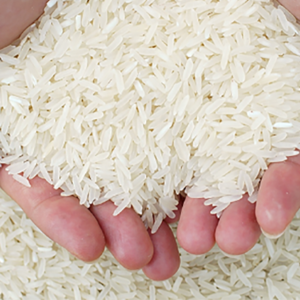

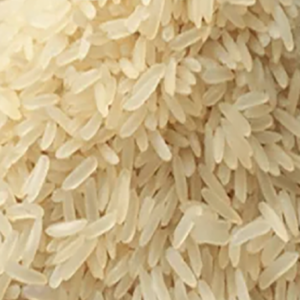
Thai Parboiled Rice 15% Broken
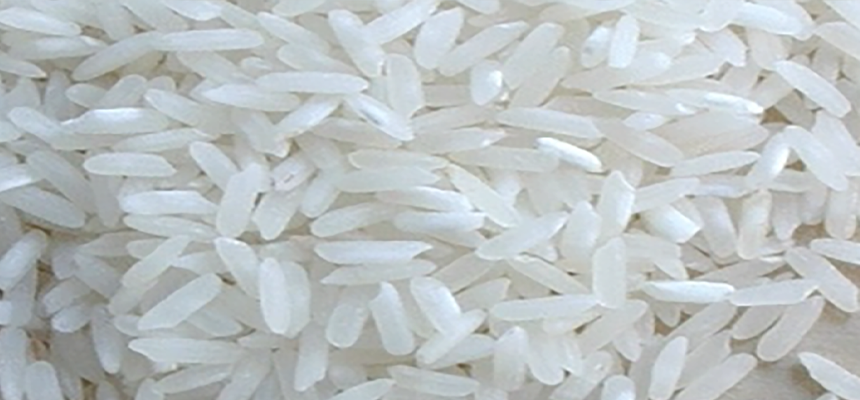
Description
we are one of the foremost Manufacturers, Exporter and Supplier of Thai Parboiled Rice 15% Broken. Our Company organically cultivates Thai Broken Parboiled Rice(15%) by consuming inorganic rich fertilizers. The Thai Parboiled Rice 15 Percent Broken grow in Thailand, and supplied by us all around the world. The Parboiled Rice 15% Broken is known worldwide for its good alluring taste and flavor.
We offered Thai Parboiled Rice 15% Broken, for Human Feasting as well as for Animals feed. It’s also broadly used in Poultry feed, Cattle Feed and Distilleries. We are also the source of your needs of Thai Parboiled Rice 15% Broken, which is suitable for HUMAN Consumption.
Specifications of Thai Parboiled Rice 15% Broken
Thai Parboiled Rice 15% Broken – Premium Quality Supply
Introduction
We are seeing Thai parboiled rice with 15% broken grains available for sale, and this is only premium quality rice for buyers from all countries. Thai Parboiled Rice 15% Broken For Sale
We are seeing that Thai Parboiled Rice 15% Broken is only one of the best and cheap choices when people want to buy good rice for business, factories, or home use in the world market. Basically, this rice is strong, healthy, and can be used for many things, so importers, wholesalers, food processors, and distributors all over the world use the same variety. Thai Parboiled Rice 15% Broken For Sale
As per your search for a reliable supplier, we offer consistent quality, competitive rates, and global delivery regarding all product requirements. Further, we supply premium Thai Parboiled Rice 15% Broken in bulk quantities to further meet your business requirements. The rice itself is tailored for commercial needs. Thai Parboiled Rice 15% Broken For Sale
As per rice classification standards, Thai Parboiled Rice 15% Broken refers to parboiled rice from Thailand where 15% of the grains are broken during processing.
What is Thai Parboiled Rice
Thai Parboiled Rice is rice that is partially boiled in its husk itself before further processing and milling. Thai Parboiled Rice 15% Broken For Sale Further, this special process further improves the rice's nutrition and makes the rice itself firm after cooking.
Basically, the "15% broken" specification means the same thing - up to 15% grains can get broken when milling is done. This grade is widely accepted in international trade and offers good balance between quality and cost. It further establishes itself as a standard choice for buyers. Thai Parboiled Rice 15% Broken For Sale
Thai parboiled rice with 15% broken grains surely offers excellent value for money while maintaining good nutritional quality. Moreover, this variety provides consistent cooking results and is widely preferred for everyday meals due to its affordability and taste.
Key Benefits
1. Superior Quality
We are seeing that our rice is carefully cleaned using new machines to make sure every grain is only pure and same quality. We are seeing that each batch only goes through strict quality checks before we send the items. Thai Parboiled Rice 15% Broken For Sale
2. Nutritional Benefits
Moreover, basically, parboiling keeps the same vitamins and minerals inside the rice, so it becomes healthier than normal white rice.
3. Cost-Effective Solution
Basically, this rice has 15% broken grains but gives the same good value for money, so bulk buyers and food industries can use it without any problem.
4. Long Shelf Life
We are seeing that these products can stay good for a long time only, without getting spoiled quickly. Thai Parboiled Rice 15% Broken For Sale
Basically, parboiled rice stays fresh longer because it doesn't spoil easily and insects or mold cannot damage it the same way as regular rice.
5. Versatility
Also, it is surely used in many areas. Moreover, people apply it widely in different fields.
Household cooking
Food processing industries surely play a vital role in transforming raw agricultural products into consumable goods. Moreover, these industries contribute significantly to economic growth and employment generation in the country.
Catering services
Moreover, as per industry standards, restaurants and hotels provide food and accommodation services. Regarding their operations, these establishments cater to customers' dining and lodging needs. Thai Parboiled Rice 15% Broken For Sale
Relief and aid programs surely provide essential support to communities during emergencies and disasters. Moreover, these initiatives help people recover from difficult situations and rebuild their lives.
Product Specifications
As per international export standards, we make sure our Thai Parboiled Rice 15% Broken meets all quality requirements regarding export rules. We are seeing the basic details only below:
Origin: Thailand
This is actually parboiled long grain rice. It's definitely a type that gets special processing before milling.
As per quality standards, broken grains should not exceed 15% maximum regarding grain specifications.
We are seeing that moisture content should be only 14% maximum.
Foreign matter should definitely not exceed 0.5% maximum. This actually means only very small amounts of outside materials are allowed.
Damaged or discolored grains should surely not exceed 1% of the total quantity. Moreover, this limit ensures proper grain quality standards are maintained.
Further, we are seeing that chalky grains should be only 6% maximum.
Red and red streaked grains should actually not exceed 2% maximum. This limit is definitely required for quality standards.
This rice actually has long grains. The grain length is definitely in the long category.
Further, the crop year data presented here surely reflects the most recent information available. Moreover, these figures represent the latest statistics that have been compiled and verified.
We are seeing that admixture should be only 5% maximum.
Packaging Options
We actually offer flexible packaging solutions that definitely meet diverse market demands.
These bags actually come in 5kg, 10kg, and 25kg sizes for retail. You can definitely choose from these three different weights.
These bags are actually made from woven polypropylene material and can definitely hold up to 50kg weight.
Businesses can surely obtain packaging with their custom branding. Moreover, this service allows companies to create unique product presentation.
Bulk container loading involves loading large quantities of goods into containers for transportation, and this process itself requires proper planning to further ensure efficient handling of materials.
All packaging is designed to preserve freshness and further ensure the product itself reaches safely over long distances. Thai Parboiled Rice 15% Broken For Sale
Shipping and Logistics
As per global requirements, we handle supply and logistics operations regarding worldwide delivery of goods.
As per our shipping policy, we send products worldwide regarding timely delivery through trusted logistics partners. Basically, we can handle the same requirements whether you need small trial orders or full container loads.
Shipping Options:
We are seeing only 20ft and 40ft containers being used for shipping purposes. Thai Parboiled Rice 15% Broken For Sale
Bulk shipments
Moreover, the company surely provides FOB, CIF, and CNF shipping terms for buyers. Moreover, these different pricing options help customers choose according to their specific trade requirements.
As per our process, our team handles all documentation and export work regarding international trade to make it hassle-free.
Target Buyers
Thai parboiled rice with 15% broken grains is surely suitable for bulk buyers and food processing industries. Moreover, restaurants and catering businesses should consider this variety for cost-effective meal preparation. Thai Parboiled Rice 15% Broken For Sale
Further, this product is surely suitable for specific users, and moreover, it serves particular purposes effectively.
Importers
We are surely seeking reliable supply sources with competitive rates. Moreover, consistent availability remains our primary requirement for procurement decisions.
Food processing companies
As per industry standards, food processing companies handle raw materials regarding production of ready-to-eat products.
Wholesalers
Basically, this product has high demand and the same strong value when you resell it.
Government and NGOs
This product itself is good for food aid programs because it costs less and can be stored for long time without getting spoiled, which further helps in reaching more people.
Hospitality Industry
Basically, it's used for cooking in large quantities because it has the same firm texture and doesn't stick together. Thai Parboiled Rice 15% Broken For Sale
Cooking Characteristics
Thai Parboiled Rice 15% Broken shows excellent cooking performance itself. This variety further provides good results when prepared.
Non-sticky texture
The grains remain firm and separate from each other. This quality further ensures that each grain maintains its shape and texture itself.
Basically after cooking, it gets the same light golden color. Thai Parboiled Rice 15% Broken For Sale
Basically keeps the same shape even when you heat it again.
This surely makes it perfect for dishes like the following:
Fried rice
Pilaf
Jollof-style dishes
Stews and curries
Quality Assurance
We actually focus on quality at every step of making and supplying our products. We definitely check everything carefully from start to finish.
Strict Inspection
Each batch is further inspected for:
Purity
The grain size itself remains uniform throughout the material
Moisture levels
Contaminants
The company follows international standards and further ensures that compliance itself meets global requirements.
Basically, our rice follows the same global food safety standards that are required for export. Thai Parboiled Rice 15% Broken For Sale
Clean Processing
As per advanced milling methods, the processing remains clean and hygienic regarding removing impurities to minimum levels. Thai Parboiled Rice 15% Broken For Sale
Competitive Pricing
Basically, pricing is the same important factor when you buy in bulk quantities. That's actually why we definitely provide:
Factory-direct prices
We are seeing price cuts only for big orders.
Flexible payment terms
Clear pricing details
As per our goal, we provide top quality rice at best rates regarding global market competition.
Private Labeling & Customization
We are seeing many companies wanting their own special products made only for them with custom orders and private labeling services.
Private labeling services
Custom packaging design
Logo printing on bags
Custom specifications
This helps businesses further establish their rice brand itself in local or international markets.
Sustainability Practices
We are seeing companies focus only on getting materials in the right way that does not harm nature.
Farmers get fair prices
Eco-friendly processing
Efficient resource use
Ordering Process
Ordering process itself is simple and further requires straightforward steps:
Send your inquiry
Get price quote
Confirm the order
Production and shipping
Delivery
Why Choose Us
Reliable global supplier
Consistent quality
Competitive pricing
Flexible packaging
Fast delivery
Strong customer support
Frequently Asked Questions
1. What does 15% broken mean?
As per the milling process, up to 15% rice grains get broken, which is normal regarding this grade.
2. Is this rice good for consumption?
This product is surely food-grade certified and people consume it widely across the world.
3. Can I get samples?
Sample requests can surely be arranged.
4. What is the MOQ?
MOQ starts from one container load.
5. Do you offer private labeling?
Yes, we provide custom branding and packaging.
Conclusion
Thai Parboiled Rice 15% Broken is actually a good option for buyers who definitely want quality rice at a reasonable price. We are seeing that this product lasts long, gives good nutrition, and can be used in many ways, which is why it has become only a main item in world trade.
We surely provide dependable supply of this high-quality rice with proper quality checks and flexible packing options. Moreover, we deliver this product to customers worldwide with complete reliability.
Contact Us
Contact us today - we definitely want to hear from you and actually help with your needs.
Secure your supply of premium Thai Parboiled Rice 15% Broken now and further partner with a trusted global supplier that has established itself in the market.
Related products
Thai Parboiled Rice 25% Broken
Japonica Rice
Organic Jasmine Rice