


If you’re trying to pin down the Thai parboiled rice 5% broken FOB price, you probably already know the rice. What you need is a clear number and an honest explanation of what’s in it. We mill and export Thai parboiled rice 5% broken, the top long grain parboiled grade, and we quote it FOB Bangkok or Laem Chabang every working day. This page shows our specs, how the FOB price is built, what moves it, and how to get a firm offer from us.
Price questions are the first thing almost every new buyer asks us. Fair enough. But a price without a spec, a packing and a shipment date isn’t worth much, because two offers at the same number can be two very different bags of rice. So before we get to the Thai parboiled rice 5% broken FOB price itself, let’s be clear about what you’re actually buying.
Table of Contents
What We’re Selling
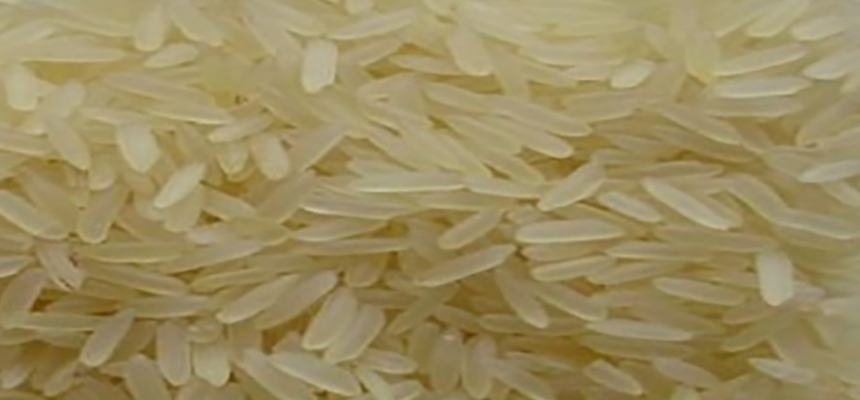
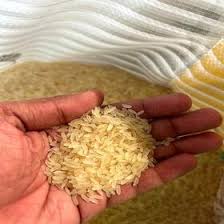
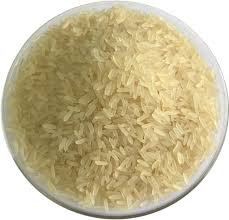
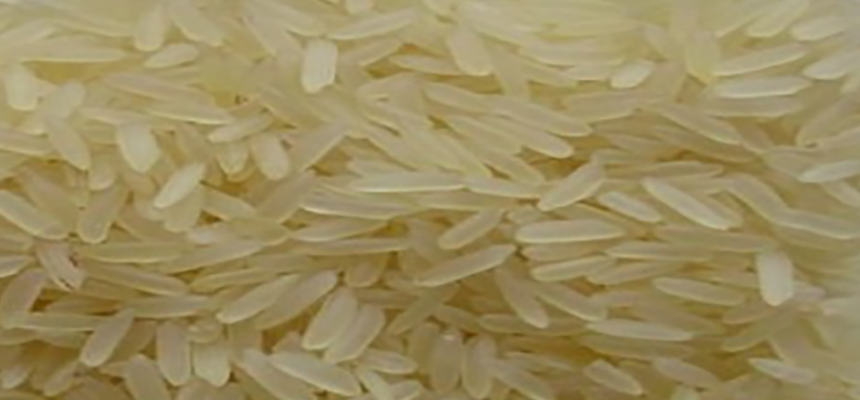
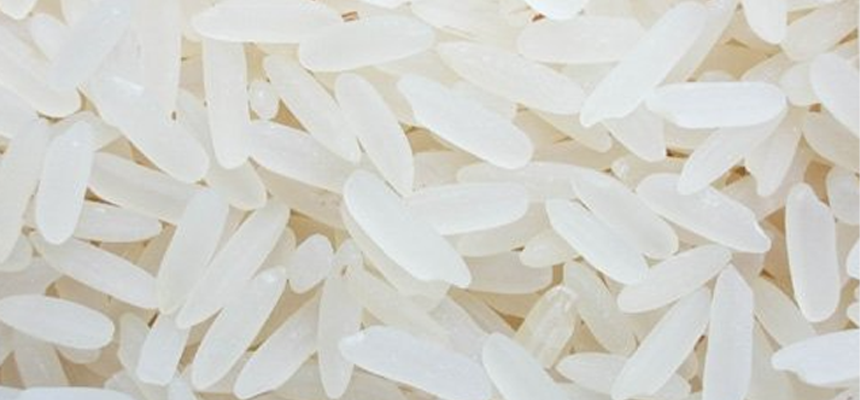
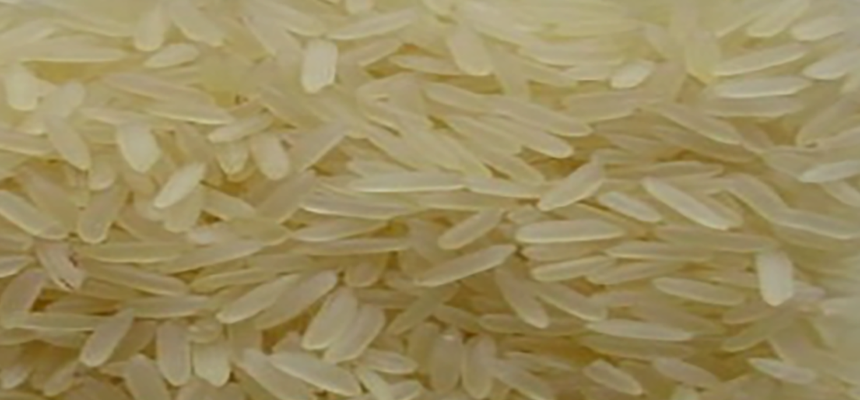
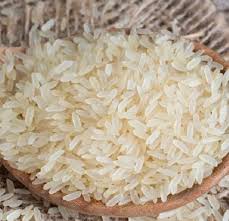
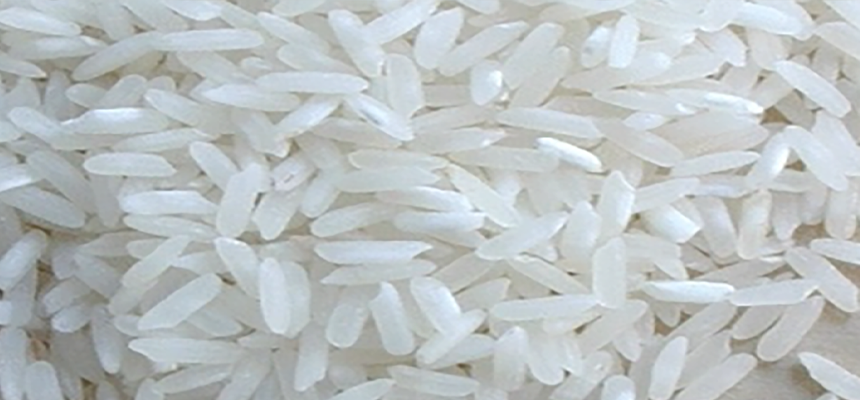
The Thai parboiled rice 5% broken behind every Thai parboiled rice 5% broken FOB price we quote is long grain rice, parboiled in the husk, milled, double polished and fully colour sorted. In the trade it’s often called parboiled 100% sortexed. It’s our best parboiled grade and the one most buyers use as their benchmark.
We sell it in:
- 50 kg PP woven bags, the standard for West Africa and wholesale
- 25 kg PP woven bags
- 5 kg and 10 kg retail bags
- 1 MT jumbo bags for repackers
- Your own private label bags in any language
We also export parboiled 15% broken, parboiled 25% broken and 100% broken, plus white rice, jasmine and Hom Mali. See everything on our products page.
Specifications
The Thai parboiled rice 5% broken FOB price we quote is for rice that meets this spec. Every lot is tested at the mill, and an independent surveyor can check it again at loading.
| Parameter | Specification |
|---|---|
| Grain type | Long grain parboiled, sortexed |
| Colour | Light golden, even |
| Broken grains | Max 5% |
| Moisture | Max 14% |
| Foreign matter | Max 0.1% |
| Damaged and discoloured grains | Max 0.5% |
| Chalky grains | Max 3% |
| Red and red-streaked grains | Max 0.5% |
| Black and peck grains | Max 0.5% |
| Milling degree | Well milled, double polished |
| Crop | Current crop |
| Shelf life | Up to 24 months in good storage |
Our grading follows the Thai rice standard and the Codex Alimentarius standard for rice. For the full grading rules, see our rice standard page.
What FOB Means for Your Price
FOB stands for Free On Board. Under the ICC Incoterms rules, we pay to get the rice milled, packed, trucked to the port, cleared for export and loaded on your vessel or into your container. Once it’s on board, the risk and the freight are yours.
So the Thai parboiled rice 5% broken FOB price covers:
- The rice itself, to the agreed spec
- Bags and printing
- Fumigation and phytosanitary certificate
- Inland trucking to the port
- Export customs clearance
- Port charges at origin and loading
It doesn’t cover ocean freight, marine insurance, destination port charges, import duty, VAT or trucking to your warehouse. If you’d rather not deal with freight, we can quote CFR or CIF your port instead.
Where the Thai Parboiled Rice 5% Broken FOB Price Has Been in 2026
We won’t print a number here that’ll be out of date by next week. What we can tell you is the range. Through 2026, the top Thai parboiled grade has mostly traded in the 400s of US dollars per metric ton FOB, moving up through the middle of the year as Thai supplies tightened and weather worries grew, and easing a little when new crop arrived.
The Thai Rice Exporters Association publishes weekly reference prices for every grade, including parboiled. The FAO rice market pages are another good free source. We’d suggest you watch both, then ask us for a firm Thai parboiled rice 5% broken FOB price when you’re ready to buy.
How Thai parboiled compares with other origins
| Origin | Usual price position | Notes |
|---|---|---|
| Thailand parboiled 5% | Higher | Longer, brighter grain, very consistent sorting |
| India parboiled 5% | Usually well below Thai | Cheapest major origin most of the year |
| Pakistan parboiled 5% | Between India and Thailand | Good long grain, varies by lot |
| Myanmar parboiled | Usually lower | Smaller volumes, quality varies |
Thai rice nearly always costs more than Indian parboiled. In 2026 that gap has often been around 100 dollars a ton or more. Buyers pay it because Thai rice cooks more evenly, looks better in the bag and keeps customers loyal. If your market buys strictly on price, Thai rice may not be the right fit for every bag you sell, and we’ll tell you that honestly.
How the FOB Price Is Built
Here’s roughly what goes into a Thai parboiled rice 5% broken FOB price, from the field to the ship:
| Cost | What it covers |
|---|---|
| Paddy | The farmgate price for long grain paddy, the biggest cost by far |
| Parboiling | Soaking, steaming and drying, which use water, fuel and time |
| Milling and sorting | Husking, polishing, colour sorting and grading |
| Milling yield | How much head rice you get from each ton of paddy |
| Bags and printing | PP woven bags, inner liners if needed, private label |
| Inland logistics | Trucking from mill to port |
| Export costs | Fumigation, certificates, customs, port handling |
| Exporter margin | Usually a small part of the total |
The paddy price is what really moves things. When new crop comes in and farmers sell, paddy gets cheaper and the Thai parboiled rice 5% broken FOB price usually follows. When stocks run low before harvest, paddy rises and so does the export price.
What Moves the Price Week to Week
These are the things we watch closely:
- Thai harvest timing and size. The main crop arrives from around November to February, the second crop from around May to August. Our post on the Thai rice harvest season goes into detail.
- Water and weather. Drought or a weak monsoon cuts the second crop and pushes prices up.
- The Thai baht. A stronger baht makes Thai rice dearer in dollars, even if local prices don’t change.
- Indian export policy. When India restricts or opens exports, buyers shift and Thai prices react.
- Big buyers. Large tenders from countries like Indonesia, the Philippines or Iraq can lift prices across the board.
- Freight and fuel costs, which affect bag and inland costs too.
We send our regular customers a short note when something big changes, so the next Thai parboiled rice 5% broken FOB price we quote doesn’t come as a shock.
Turning an FOB Price Into a Landed Cost
The FOB price is only the start. To know what the rice really costs you, add:
- Ocean freight, per container or per ton for break bulk
- Marine insurance, if you’re not buying CIF
- Destination port and terminal charges
- Import duty and any levies or VAT
- Clearing agent fees
- Trucking to your warehouse
A 20ft container holds about 25 to 26 MT of bagged rice. Freight per container divided by 25 gives you a rough freight cost per ton. If you’d like us to do the maths for you, ask for both the Thai parboiled rice 5% broken FOB price and a CFR price to your port, and we’ll show them side by side.
Packing and Its Effect on Price
| Packing | Effect on FOB price |
|---|---|
| 50 kg PP bags, plain or standard print | Base price |
| 25 kg PP bags | Slightly higher per ton, more bags |
| Private label print | Small extra for printing, cylinders on first order |
| 5 kg and 10 kg retail bags | Higher, more packing material and labour |
| Jumbo bags | Similar to or slightly below 50 kg bags |
If you’re buying for open markets in West Africa, 50 kg bags usually give the best Thai parboiled rice 5% broken FOB price per ton. Our guide to parboiled rice 50kg bag wholesale covers bag choices in more detail.
FOB, CFR or CIF: Which Should You Ask For?
| Term | Who books and pays freight | Who insures | Suits |
|---|---|---|---|
| FOB | Buyer | Buyer | Large buyers with their own freight contracts |
| CFR | Seller | Buyer | Buyers who insure locally |
| CIF | Seller | Seller | Smaller or newer importers who want one figure |
If you have a forwarder you trust and decent freight rates, ask for the Thai parboiled rice 5% broken FOB price and book the ship yourself. If not, CFR or CIF is usually simpler. We’re happy to quote all three, so you can see whether your own freight actually beats ours.
A Worked Example
Here’s a simple example with made-up round numbers. It’s only to show the method, not today’s market.
| Item | US$ per MT (example only) |
|---|---|
| Thai parboiled rice 5% broken FOB price, 50 kg bags | 450 |
| Ocean freight, 20ft container with 25 MT | 60 |
| Marine insurance | 2 |
| CIF price at your port | 512 |
| Port charges, clearing, duty and trucking (varies by country) | Add your local costs |
Notice how freight is spread over 25 MT in each container. On some routes to West Africa or the Pacific, freight per ton can be much higher, which is why two buyers paying the same Thai parboiled rice 5% broken FOB price can end up with very different landed costs.
Why the Cheapest Offer Isn’t Always the Best
Every week someone shows us an offer that’s 15 or 20 dollars a ton below ours and asks us to match it. Sometimes we can. Often the cheaper offer turns out to be:
- Old crop rice sold as current crop
- Rice with more brokens or chalky grains than the 5% label suggests
- Light bags, packed at 49 kg instead of 50 kg
- A seller who’s quoting without rice in stock and hoping the market falls
- An offer with a shipment date months away
A few dollars off the Thai parboiled rice 5% broken FOB price disappears fast if one container comes in off-spec and your customers stop buying. Ask every seller the same questions about crop, spec, bag weight and loading date, and compare like with like.
Quality Checks Before Loading
Whatever price you pay, you should get the rice you paid for. Before every shipment we:
- Test each lot for brokens, moisture, chalky, damaged and red grains
- Check bag weights on a sample of bags from every lot
- Inspect stitching and printing
- Line containers with kraft paper and fit moisture absorbers
- Fumigate and issue the certificate
- Keep sealed samples for at least six months
Your surveyor is welcome to attend. Read more on our quality control page.
Contracts and Price Fixing
Spot buying is fine for occasional orders. Regular buyers usually do better with a contract. We offer:
- Fixed price contracts for a set quantity over one to three months
- Monthly programmes where the price is fixed each month before loading
- Tender pricing for government and institutional buyers
A fixed contract protects you if the market rises. It also helps us plan milling, which usually means a slightly better Thai parboiled rice 5% broken FOB price than you’d get on a single spot order.
Loading Ports and Transit Times
We load from Bangkok and Laem Chabang. Typical transit times are about 15 to 25 days to the Middle East, 20 to 30 days to East Africa, 35 to 50 days to West Africa, and 40 to 55 days to the Caribbean. For West African buyers, transshipment can add a week or more, so build that into your stock planning. We give you the vessel, routing and estimated arrival with every offer.
Why Buyers Pay More for Thai Parboiled Rice
If Indian parboiled is cheaper, why do so many importers still pay the Thai parboiled rice 5% broken FOB price? We ask our customers that question a lot. The answers are pretty consistent:
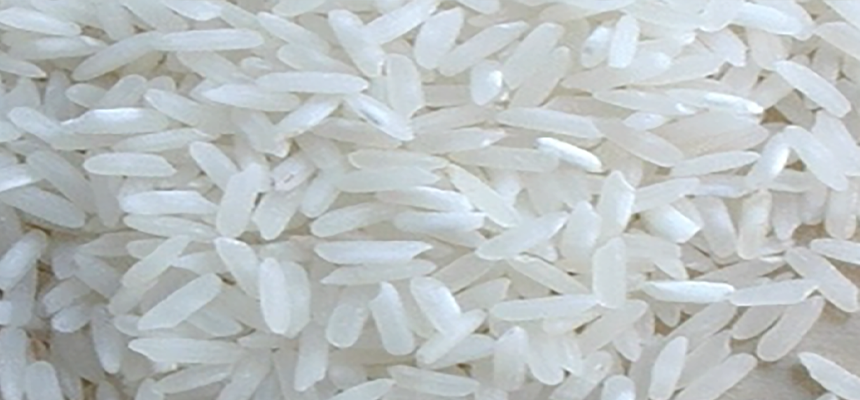
- The grain is longer and more even, so the bag looks better on the market stall
- Colour sorting is thorough, so customers don’t find dark grains
- It cooks the same way every time, which matters for restaurants and caterers
- Their customers know the Thai brand and ask for it by name
- Fewer complaints means fewer returns and less money lost
In short, they’re paying for fewer headaches. For a premium label, that’s often worth more than the gap in price. For a budget label, a cheaper origin or a higher broken grade may make more sense, and we’ll say so.
How to Read Weekly Price Reports
Weekly reports from exporters’ associations and market services are useful, but they need a little care:
- They’re reference prices, not firm offers. Real deals can be a bit above or below.
- They’re usually for standard 50 kg bags, FOB Bangkok. Special packing costs extra.
- They don’t include freight, so don’t compare them with a CIF offer.
- Prices for nearby shipment and shipment two months out can differ.
Use the reports to see the trend, then ask us for a firm Thai parboiled rice 5% broken FOB price for your exact packing and shipment month. That’s the number you can actually book.
Tips for First-Time Importers
If this is your first time buying Thai rice, here’s what we’d suggest:
- Start with one or two containers, not ten
- Ask for samples and cook them before you commit
- Get a quote from your clearing agent for duty and port costs before you order
- Check if your country needs import permits or product registration, and apply early
- Use an LC for your first shipment, so both sides are protected
- Agree bag artwork early if you want your own brand
Ask us anything along the way. We’d rather spend an hour answering questions than have a first shipment go wrong. A clear Thai parboiled rice 5% broken FOB price, plus an honest view of your landed cost, is the best start to a long relationship.
Net Weight, Gross Weight and Why It Matters
This sounds like a small thing, but it catches out new buyers. Our Thai parboiled rice 5% broken FOB price is per metric ton of net rice. A 50 kg bag holds 50 kg of rice; the bag itself adds a little on top, so gross weight is slightly higher.
Some sellers quote per ton gross, which means you’re paying rice prices for the weight of the bags. On 25 MT that’s a few hundred kilos of plastic. Always ask whether a price is net or gross, and check a sample of bag weights on arrival. If you’re comparing two offers and one is gross, adjust it before you decide.
We print the net weight on every bag, and the surveyor’s weight certificate shows both net and gross. That keeps the comparison simple when you weigh up our Thai parboiled rice 5% broken FOB price against anyone else’s.
Payment Terms
Every Thai parboiled rice 5% broken FOB price we send is based on one of these payment terms:
- Irrevocable LC at sight from a first-class bank
- TT with a deposit on contract and the balance against copy documents
- For regular customers with a track record, other terms by agreement
If you need longer terms, tell us at the start, as financing costs affect the number.
7 Smart Ways to Get a Better Thai Parboiled Rice 5% Broken FOB Price
1. Buy around harvest
Paddy is cheapest when the new crop is being sold. Plan bigger purchases for those months if your storage allows.
2. Commit to volume
Ten containers over three months gets a better price than ten separate spot enquiries.
3. Be flexible on shipment dates
A 30-day shipment window lets the mill plan production and lets us catch cheaper vessels.
4. Keep packing simple
Plain or standard 50 kg bags cost less than complex multi-colour retail packs.
5. Consider a blend of grades
If part of your market is price-led, take some 15% broken alongside the 5%. Our guide to the Thai parboiled rice 15% broken price per ton explains the gap.
6. Fix the price when the market dips
When prices soften, lock a forward contract for the next few months.
7. Use solid payment terms
A confirmed LC from a good bank costs everyone less than slow or risky payment, and that saving shows up in the price.
Who Buys at FOB From Us
Buyers who ask for the Thai parboiled rice 5% broken FOB price are usually larger importers, traders and government agencies with their own freight contracts. Smaller buyers often prefer CFR or CIF so we handle shipping. Both work fine with us. Our customers include:
- Rice importers and wholesalers in West, East and Southern Africa
- Traders in the Middle East and the Gulf
- Caribbean and Pacific importers
- Government food security agencies and tender buyers
- Food aid organisations
If you’re buying for a tender, our guide on rice supply for government tenders may help.
How to Get a Firm Offer
- Tell us the grade, quantity, packing and shipment month
- Tell us whether you want FOB, CFR or CIF, and the destination port
- We send a firm Thai parboiled rice 5% broken FOB price with spec sheet and validity
- We send samples if you need them
- You confirm, we issue a contract and proforma invoice
- We mill, pack, inspect, load and send documents
A Thai parboiled rice 5% broken FOB price is usually valid for 24 to 72 hours because paddy prices move daily. Once a contract is signed, the price is fixed.
About Us
We’re De Thai Products 1989 Company Limited, a Thai rice exporter since 1989. We export parboiled, white, jasmine, Hom Mali and glutinous rice to buyers around the world. Read more about our quality control or about us. You can also read our main guide as a Thai parboiled rice exporter, our guides for a parboiled rice supplier in Ghana and a parboiled rice supplier in Benin, our Thai white rice 5% broken FOB price guide and how to buy parboiled rice in bulk.
Frequently Asked Questions
Is the FOB price per metric ton?
Yes. The Thai parboiled rice 5% broken FOB price is in US dollars per metric ton, net weight, packed in the agreed bags.
How often does the price change?
It can change daily. Weekly moves of 5 to 20 dollars a ton are common, more around harvest or policy changes.
What’s the minimum order?
One 20ft container, about 25 MT.
Can I get a CIF price instead?
Yes. Give us your port and we’ll quote CFR or CIF alongside FOB.
Is parboiled 5% the same as parboiled 100% sortexed?
In the Thai trade, they usually mean the same top grade.
How long is the offer valid?
Usually 24 to 72 hours.
Ask for Today’s Thai Parboiled Rice 5% Broken FOB Price
Tell us the quantity, packing and shipment month. We’ll send a firm Thai parboiled rice 5% broken FOB price, the spec sheet and a loading window, usually within one working day.
Email info@dethairice.com, WhatsApp +66 81 034 6390, or use our contact page.
3 thoughts on “Thai Parboiled Rice 5% Broken FOB Price: Honest Rates and 7 Smart Ways to Save”