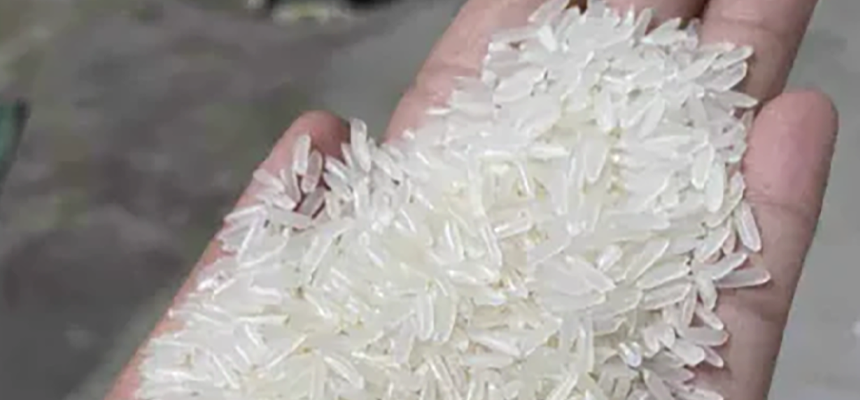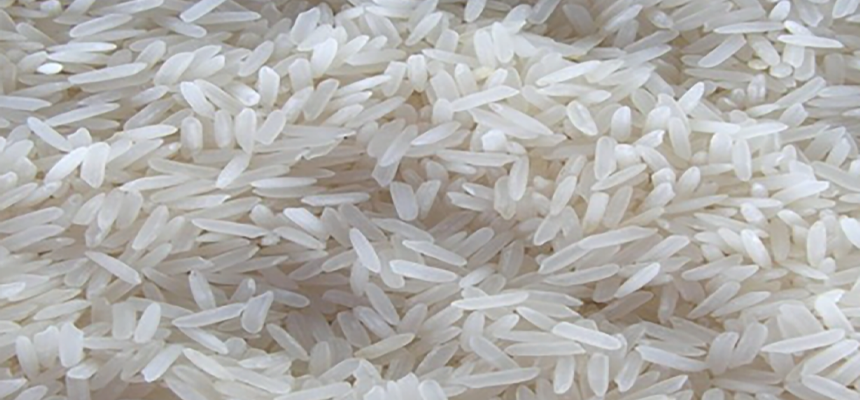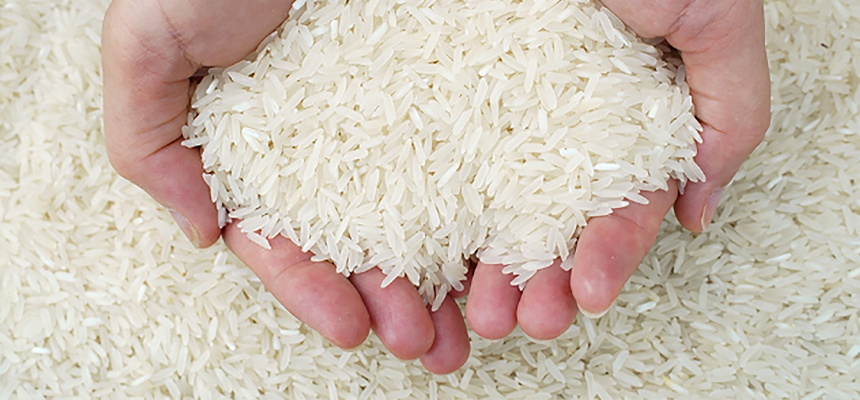


Ask anyone who grew up in a West Indian kitchen what rice they use for rice and peas, pelau or cook-up rice, and most will tell you the same thing: the gold one. Parboiled. It holds up in a pot of coconut milk, it doesn’t go to paste when you stir in the peas, and it tastes just as good the next day. That’s why parboiled rice for West Indian cooking is its own little market, with its own habits and its own expectations.
We’re a Thai rice mill and exporter. We mill parboiled rice and sell it in bulk, by the container, to importers, wholesalers and grocery chains worldwide. A lot of that rice ends up on shelves in Caribbean shops, and in West Indian groceries in London, Toronto, New York and Miami. This page explains what we sell, the specs, how it cooks, and how buyers order it from us.
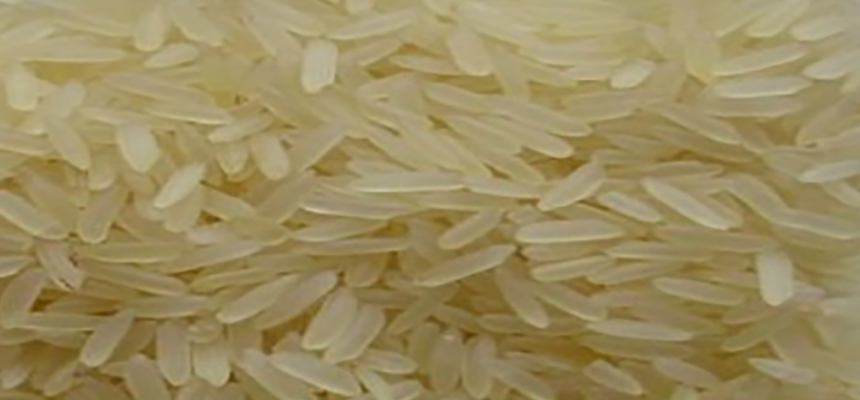
Table of Contents
Why West Indian Kitchens Prefer Parboiled Rice
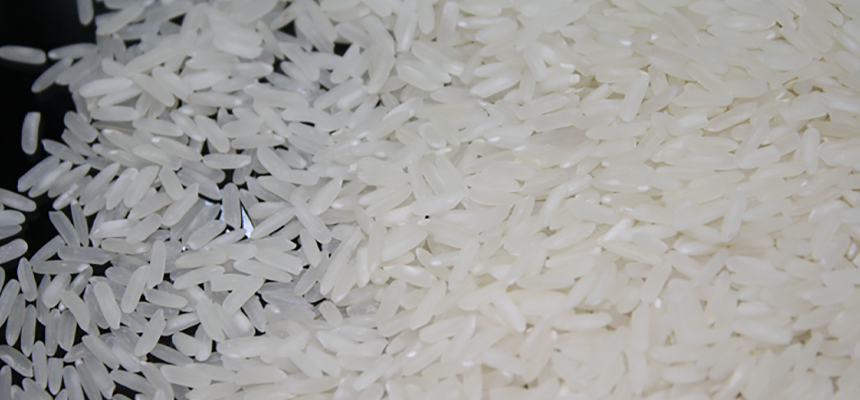
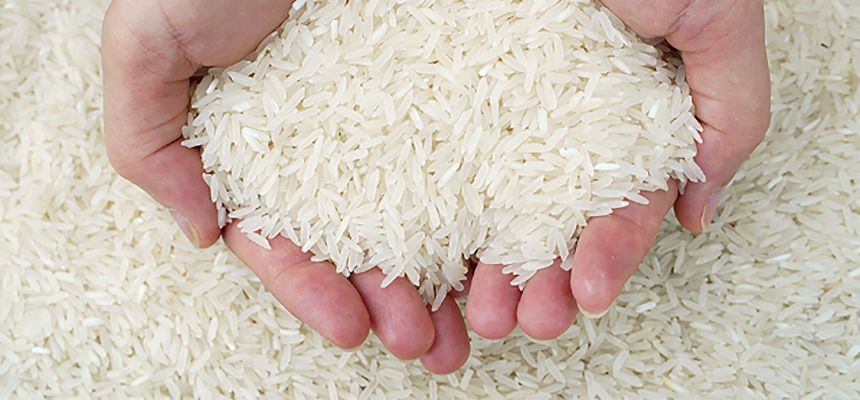
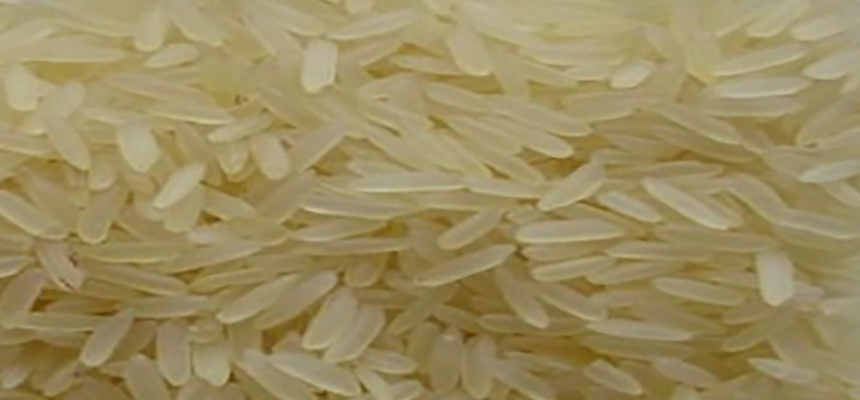
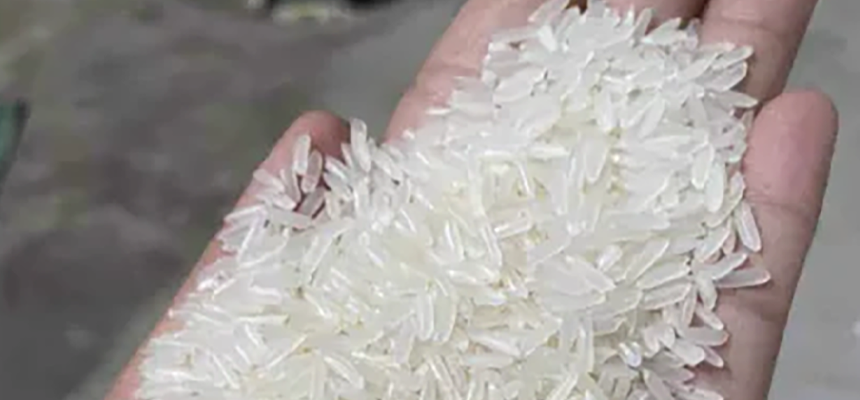
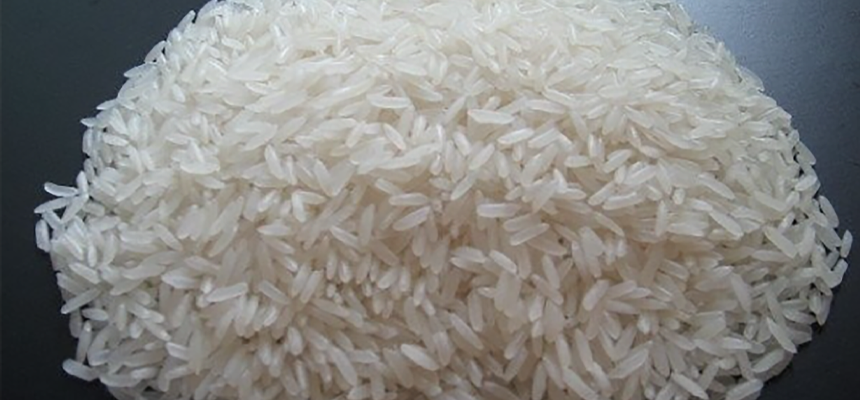
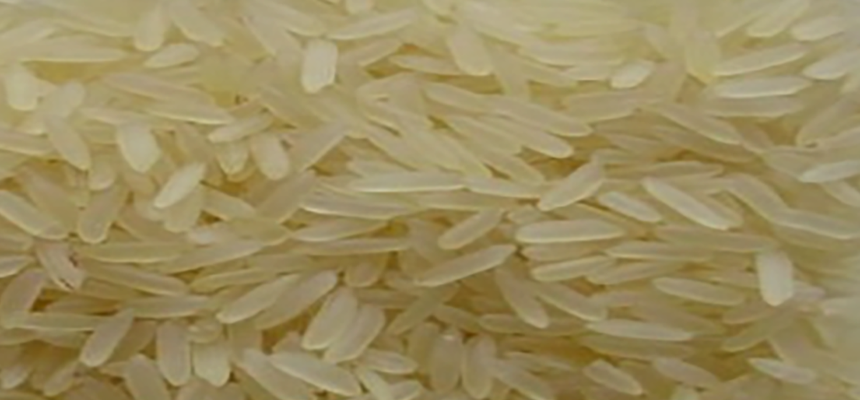
Parboiled rice is steamed in the husk before it’s milled. That step hardens the grain and pushes some of the goodness from the bran into the middle. The result is a firm, slightly golden grain that stays separate. Wikipedia’s parboiled rice page explains the soaking and steaming if you want the detail.
For parboiled rice for West Indian cooking, three things matter most:
- It holds in a one-pot dish. Rice and peas, pelau and cook-up all cook the rice in the same pot as everything else. Soft white rice can turn mushy. Parboiled stays grain by grain.
- It soaks up flavour. Coconut milk, browned sugar, thyme, scotch bonnet and stock all get into the grain without breaking it down.
- It keeps. A big Sunday pot lasts into Monday. Parboiled reheats better than most white rice.
There’s also plain habit. Many families have cooked with parboiled rice for generations, partly because the Indo-Caribbean communities of Guyana, Trinidad and Suriname brought the tradition with them. People buy what their grandmother bought.
The Dishes That Drive Demand
If you’re stocking parboiled rice for West Indian cooking, it helps to know what your customers are actually making with it.
Rice and peas
The Sunday staple in Jamaica and across much of the region. Kidney beans or gungo peas, coconut milk, thyme, scallion, a whole scotch bonnet. The rice has to cook in all that liquid without splitting. You can read about the dish on Wikipedia’s rice and peas page.
Pelau
Trinidad’s one-pot chicken and rice, started with sugar browned in oil. It’s cooked long and stirred often, which is hard on soft rice.
Cook-up rice
Guyana’s version, with peas, meat and coconut milk, often made for New Year. Big pots, long cooking.
Curry with rice
Curry chicken, curry goat and dhal are all served over plain boiled rice. Here parboiled gives that clean, separate grain people want under the sauce.
Seasoned rice and fried rice
Seasoned rice for parties, and Caribbean-Chinese fried rice, both like a firm grain that doesn’t clump.
Every one of these is why parboiled rice for West Indian cooking sells steadily all year, with big peaks at Christmas, Easter and holiday weekends.
What We Sell
We mill four grades of Thai parboiled rice. For parboiled rice for West Indian cooking, the first two are the ones that sell on the shelf.
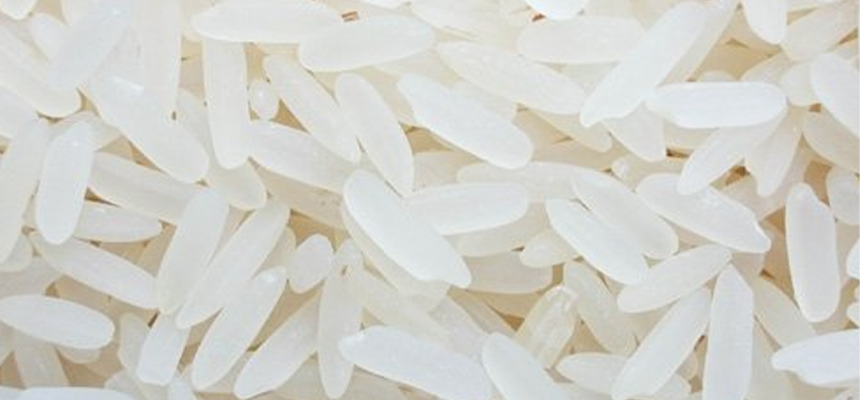
- Thai parboiled rice 5% broken: long, whole, even golden grains. The best choice for retail bags.
- Thai parboiled rice 15% broken: the everyday grade for restaurants, caterers and wholesale sacks.
- Thai parboiled rice 25% broken: a budget grade for institutions and price-led markets.
- Thai parboiled rice 100% broken: for processing and feed, not for the dinner plate.
You can see everything else we mill on our products page.
Specifications
These are the specs we put in our contracts for parboiled rice for West Indian cooking. Hold any supplier to numbers like these.
| Specification | 5% Broken | 15% Broken | 25% Broken |
|---|---|---|---|
| Grain | Long grain parboiled | Long grain parboiled | Long grain parboiled |
| Broken grains | 5% max | 15% max | 25% max |
| Moisture | 14% max | 14% max | 14% max |
| Foreign matter | 0.1% max | 0.2% max | 0.5% max |
| Damaged and yellow grains | 0.5% max | 1% max | 1.5% max |
| Black and pecky grains | 0.1% max | 0.2% max | 0.5% max |
| Paddy grains | 5 per kg max | 10 per kg max | 15 per kg max |
| Colour | Light golden | Light golden | Light golden |
| Crop | Current crop | Current crop | Current crop |
Every lot of parboiled rice for West Indian cooking is tested before packing. Our quality control page explains how, and the rice standard page lists the Thai grading rules we follow.
What a Good Bag Looks Like to the Shopper
West Indian shoppers are fussy about rice, and they’re right to be. Here’s what they look at when they pick up a bag of parboiled rice for West Indian cooking.
- Colour. A clean, light gold. Too dark and it looks old or badly processed.
- Length. Long, slim grains through the bag window.
- Few broken bits. Broken grains go soft first in a pot of rice and peas.
- Smell. It should smell of nothing much. A musty bag gets returned.
- The brand. Loyalty is strong. People stick to the bag they trust.
Our 5% broken grade is milled and colour sorted to hit the first four. The fifth is up to you, and we can help with that through private label.
How It Cooks
Thai parboiled rice takes a little longer than white rice, usually 18 to 22 minutes, and needs a bit more water. For plain boiled rice, most cooks use about two and a quarter cups of water to one cup of rice, after one quick rinse.
In rice and peas, the rice goes into the pot once the peas are soft and the coconut milk and seasoning are in. Cover it, turn the heat down, and leave it. Good parboiled rice for West Indian cooking comes out separate and glossy, with every grain cooked through. In pelau it handles the stirring without breaking.
If you want to compare it with ordinary white rice, our post on parboiled rice vs white rice covers the differences. And if your customers ask about nutrition, parboiled rice health benefits has the honest answers.
Who Buys From Us
The buyers who order parboiled rice for West Indian cooking from our mill tend to fall into a few groups.
Caribbean importers and wholesalers
They bring in full containers and supply shops, cookshops and restaurants across the islands. Our guide to parboiled rice demand in the Caribbean covers that market, and we’ve written separately about parboiled rice suppliers in Jamaica and bulk parboiled rice for Trinidad and Tobago.
Diaspora grocery distributors
West Indian groceries in the UK, Canada and the US are a big market. Distributors there often want 4 lb, 10 lb and 20 lb bags under their own brand.
Restaurant and catering suppliers
Jerk shops, roti shops and caterers go through rice by the sack. They usually take 15% broken in 50 lb or 25 kg bags.
Supermarket chains
Some chains carry a West Indian section with their own label. They want 5% broken in small retail packs.
Packing Options
We pack parboiled rice for West Indian cooking in both pounds and kilos, depending on where the rice is going.
| Packing | Typical buyer |
|---|---|
| 2 lb, 4 lb, 10 lb | Grocery shelves in the US, Canada and the Caribbean |
| 1 kg, 2 kg, 5 kg | Grocery shelves in the UK and Europe |
| 20 lb, 25 lb | Family bulk buys and small shops |
| 50 lb, 100 lb | Restaurants, caterers and wholesale |
| 25 kg, 50 kg | Wholesale and institutions |
| 1 tonne jumbo | Repackers |
Bags can be plain or printed with your brand. If you’re building your own label of parboiled rice for West Indian cooking, we print to your artwork at the mill, so the rice arrives ready for the shelf.
Private Label for West Indian Brands
A lot of the brands of parboiled rice for West Indian cooking you see in shops are owned by importers, not mills. They buy from a mill like ours, put their name on the bag, and build a following over years.
If that’s your plan, a few things from what we’ve seen work:
- Keep the bag simple and easy to spot. Gold or green tends to signal parboiled to shoppers.
- Say “Parboiled Long Grain Rice” clearly on the front.
- Put net weight in pounds and kilos if you sell in more than one country.
- Add short cooking instructions on the back.
- Stick with one grade and one mill so the rice tastes the same every time.
New artwork usually adds one to two weeks to the first order while bags are printed. Our post on rice suppliers for supermarkets explains more about how we work with retail buyers.
Shipping and Delivery
We ship parboiled rice for West Indian cooking from Laem Chabang in Thailand to ports worldwide. For the Caribbean, transit usually runs six to eight weeks with one or two transshipments. For the UK and northern Europe it’s often four to six weeks. For the US and Canadian east coast, plan on five to seven weeks.
A 20ft container holds about 25 tonnes of bagged rice. See how many tons of rice fit in a 20ft container for how bag size changes that. We quote FOB Thailand or CIF your port. Our FOB vs CIF rice price guide explains the difference.
Documents and Food Safety
Every container comes with a commercial invoice, packing list, bill of lading, certificate of origin, phytosanitary certificate, fumigation certificate and certificate of analysis. Independent inspection by SGS, Intertek or Bureau Veritas is available at loading.
Rules differ a lot between the Caribbean, the UK, the EU, Canada and the US, so tell us your market early and we’ll match our papers to it. Our rice export documents checklist lists everything we handle. Thai rice is non-GMO, and we can supply halal certificates too.
Pricing
The price of parboiled rice for West Indian cooking moves with the Thai market, the season, freight and the exchange rate, so we send dated offers rather than a fixed list. Send us your grade, packing, quantity and port and we’ll quote both FOB and CIF.
Parboiled rice often costs less than people expect, because the grains break less in milling. Our post on why parboiled rice is cheaper explains it.
Planning Around the Busy Seasons
West Indian rice sales peak at Christmas, Easter, Carnival and big holiday weekends, plus Divali and Eid in Indo-Caribbean communities. In the diaspora, Notting Hill Carnival, Caribana in Toronto and Labor Day in Brooklyn all push sales up in their areas.
With milling, packing and time at sea, you need to order about two to three months before each peak. Many of our buyers set up a container every four to eight weeks so stock keeps flowing. Running out of parboiled rice for West Indian cooking in December is the one mistake shops never forget.
Mixed Containers
Not every buyer of parboiled rice for West Indian cooking needs 25 tonnes of one grade. A mixed container lets a smaller importer cover shops and restaurants from one shipment.
| Product | Packing | Rough share |
|---|---|---|
| Parboiled 5% broken | 4 lb and 10 lb own brand | 40% |
| Parboiled 15% broken | 50 lb sacks | 40% |
| Thai jasmine rice | 10 lb bags | 20% |
Many West Indian shops sell some jasmine too, so adding a share of Thai jasmine rice is common. Change the mix each order as you learn what moves.
How We Check Every Lot
Before any parboiled rice for West Indian cooking leaves our mill, each lot goes through the same checks:
- Moisture test, kept at 14% max
- Size grading to hit the broken percentage
- Colour sorting to remove dark, yellow and damaged grains
- A cooking test by our own team
- Weighing on calibrated scales
- Fumigation before loading
You’re welcome to send your own surveyor. We keep reference samples from each shipment so we can compare if a question ever comes up later.
Island by Island Differences
The West Indies isn’t one kitchen, and parboiled rice for West Indian cooking sells a little differently depending on whose kitchen it’s going into.
Jamaica
Rice and peas on Sunday, plain rice with stew chicken and curry goat the rest of the week. Jamaican shoppers buy both white and parboiled, but the parboiled side has a loyal following, especially among cooks who make big pots.
Trinidad and Tobago
Probably the strongest parboiled market in the region. Pelau, curry and dhal and rice are everyday food, and wedding and puja cooking means huge pots. Parboiled rice for West Indian cooking in Trinidad has to hold up under hours of heat.
Guyana
Guyana grows its own rice, much of it parboiled, so Guyanese shoppers abroad know exactly what good parboiled rice looks like. If you sell to Guyanese customers in New York or Toronto, quality has to be right.
Barbados and the smaller islands
Cou-cou and flying fish takes cornmeal, but rice still turns up in most homes during the week. Shops here often carry both parboiled and white in small bags.
The diaspora
In London, Birmingham, Toronto, Brooklyn and Miami, West Indian families cook the same dishes they grew up with. They often pay a little more for a bag they trust. A good private label of parboiled rice for West Indian cooking can build a strong following in these cities.
Tips Your Customers Will Thank You For
Shops that sell a lot of parboiled rice for West Indian cooking often put a few tips on the back of the bag or on a shelf card. These are the ones cooks tell us they use.
- Rinse once, not five times. Parboiled rice doesn’t need heavy washing.
- Add the rice once the peas are soft and the coconut milk is seasoned.
- Keep the lid on and the heat low once the rice goes in.
- Don’t stir rice and peas once it’s covered. Pelau is different, stir that.
- Leave it to rest five minutes off the heat before serving.
Little things like this help a new brand of parboiled rice for West Indian cooking win a regular customer.
Why Thai Parboiled Rice
West Indian buyers have choices. Guyana, Suriname, the US, India and Vietnam all sell parboiled rice. So why buy parboiled rice for West Indian cooking from a Thai mill?
Thai parboiled rice is known for an even, light golden colour, firm grains and very little smell. Thai mills also run a wide range of grades and are used to packing private label for buyers all over the world. It won’t always be the cheapest, and when it isn’t, we’ll tell you. But for a buyer who wants the same rice every time, Thai parboiled rice for West Indian cooking is a solid choice, and many importers use it as a second source next to regional rice. Our post on Thai parboiled rice for Caribbean importers goes into the comparison.
Mistakes We See Buyers Make
Choosing on price alone
The cheapest parboiled rice is often dark, broken or musty. West Indian shoppers notice straight away and don’t come back.
Buying the wrong grade for the shelf
25% broken can work in a restaurant kitchen but rarely sells in a retail bag.
Ordering too late
Two to three months from order to shelf. Plan for the peaks.
Skipping samples
Cook the samples the way your customers cook. Make rice and peas with them. That tells you more than any spec sheet.
A Real Order From a Diaspora Distributor
Here’s a recent example, slightly changed for privacy. A distributor supplying West Indian groceries in the north of England had been buying parboiled rice through a trader and never knew which mill it came from. Colour varied from one shipment to the next and shops complained.
He asked us for samples of 5% and 15% broken. His wife made rice and peas and pelau with both. They chose 5% for the shelf and 15% for the catering side. His first order was one 20ft container: 5% broken in 2 kg and 5 kg bags with his brand, and 15% broken in 25 kg sacks.
The bags were printed in about ten days, the rice was inspected at loading, and the container landed about five weeks after sailing. He’s now on a regular schedule. He told us the main thing he got was rice that looks the same every time, which is what parboiled rice for West Indian cooking really needs.
Frequently Asked Questions
Which grade is best for parboiled rice for West Indian cooking?
5% broken for retail shelves, 15% broken for restaurants and catering.
Is your parboiled rice good for rice and peas?
Yes. It stays separate in coconut milk and holds its shape when you stir in the peas.
Can you pack in pounds?
Yes, from 2 lb up to 100 lb.
What’s the minimum order?
One 20ft container, about 25 tonnes, and you can split it across grades. See our minimum order guide.
Do you ship to the UK, Canada and the US?
Yes. We ship worldwide.
Can I get samples first?
Yes, we courier samples so you can cook them before you order.
How long does parboiled rice keep?
Well over a year if it’s stored dry, off the floor and out of the sun. It keeps better than plain white rice in hot, damp places.
Do you sell white rice and jasmine too?
Yes. Many West Indian shops sell a mix, so buyers often add Thai white rice 5% broken or jasmine to the same container as their parboiled rice. It’s an easy way to fill the whole rice shelf from one supplier.
Order Parboiled Rice for West Indian Cooking
If you import, distribute or retail rice for West Indian customers, send us your grades, packing, quantity and port. We’ll courier samples and send a dated offer for parboiled rice for West Indian cooking, packed the way your market wants it.
De Thai Products 1989 Company Limited. Email info@dethairice.com, WhatsApp +66 81 034 6390, or use our contact page. You can also read about us first.