


If you’re looking for a Thai parboiled rice exporter that mills, sorts, bags and ships its own rice, that’s us. We export long grain parboiled rice in 5%, 15%, 25% and 100% broken grades, packed in 25 kg and 50 kg bags or your own branded bags, to importers, wholesalers, government buyers and food service companies around the world. This page tells you what we sell, the specifications, how the rice is made, how we price it and how to order.
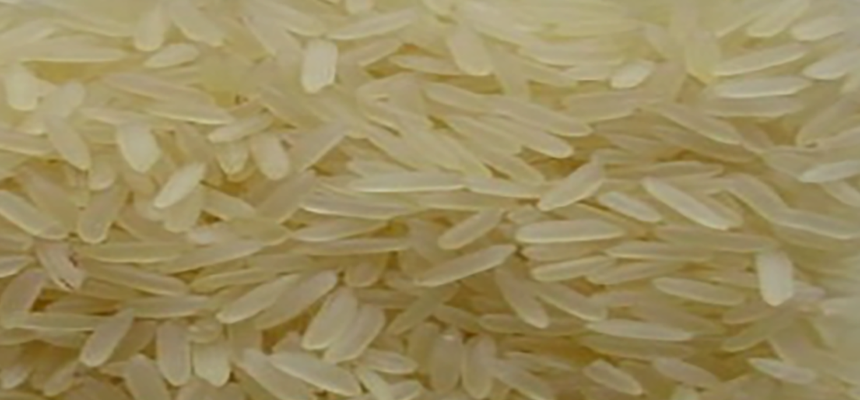
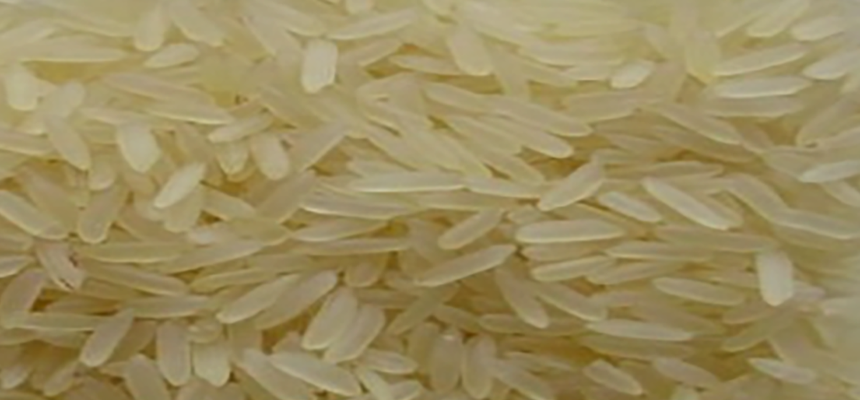
We’ve been in the Thai rice trade since 1989. In that time we’ve learned that buyers don’t really want a long sales pitch. They want rice that matches the sample, bags that don’t split, a vessel that leaves when it’s supposed to, and documents that clear customs the first time. That’s what a good Thai parboiled rice exporter should give you, and it’s what we try to do on every container.
Table of Contents
Who We Are
We’re De Thai Products 1989 Company Limited, a rice exporter based in Thailand. We work with our own milling and packing partners in the central plains, the main parboiled rice belt of the country. Our rice goes to West Africa, East and Southern Africa, the Middle East, South Asia, the Caribbean, Europe and the Pacific.
Being a Thai parboiled rice exporter is a core part of our business. We also sell Thai Hom Mali rice, Thai jasmine rice, white rice 5% broken and glutinous rice, so buyers who need more than one type can buy everything from one Thai parboiled rice exporter instead of juggling three or four suppliers. You can see the full range on our products page.
What Is Parboiled Rice?
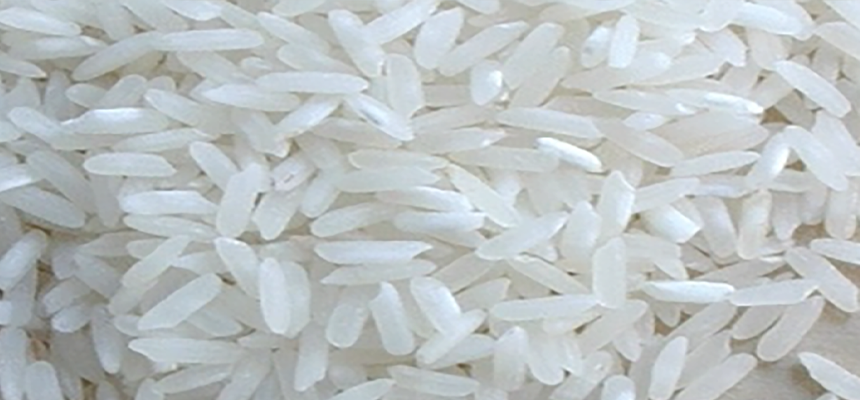
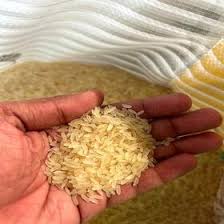
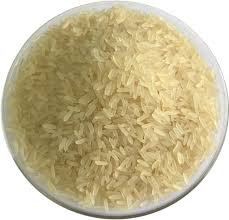
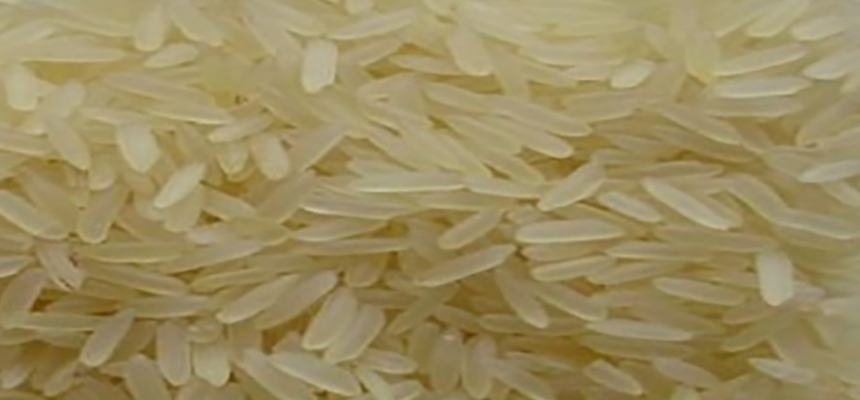
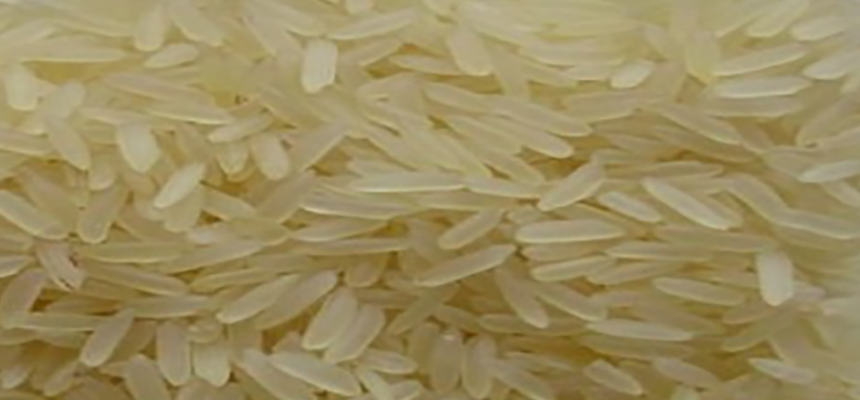
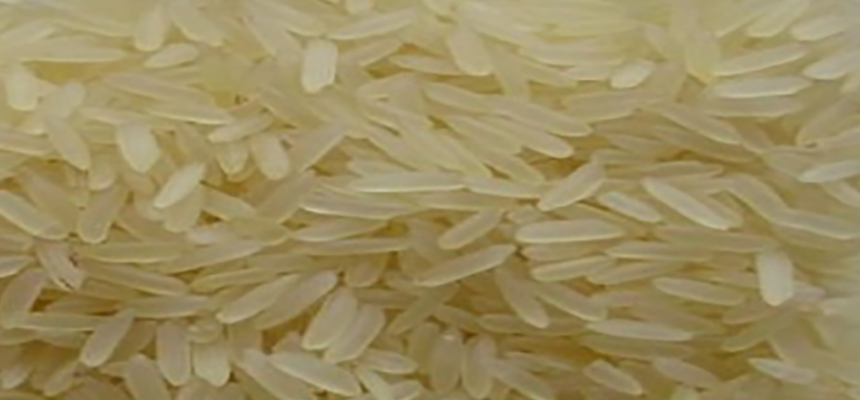
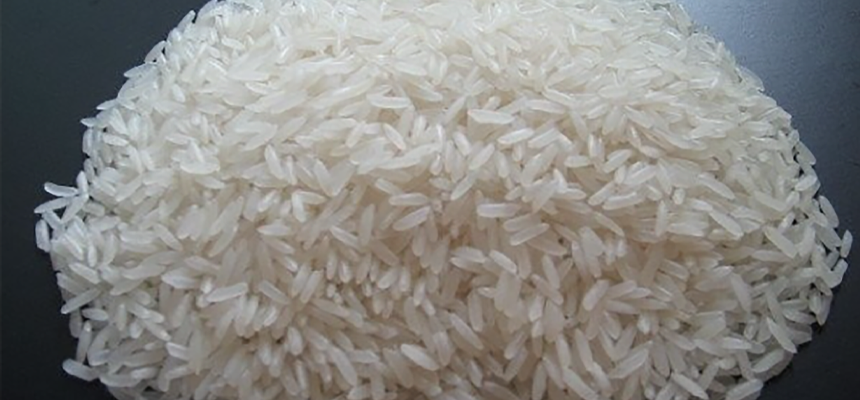
Parboiled rice is rice that’s been partly cooked in its husk before milling. The paddy is soaked in warm water, steamed, then dried slowly before the husk is removed. That process pushes nutrients from the bran into the grain and hardens the starch.
The result is a rice that:
- Cooks into firm, separate grains that don’t stick together
- Holds up well in big pots, buffets and long holding times
- Has fewer broken grains after milling, because the steamed grain is tougher
- Keeps more vitamins and minerals than ordinary white rice
- Stores well in hot, humid climates
That’s why parboiled rice is so popular in West Africa, the Middle East, South Asia and the Caribbean. It forgives a lot in the kitchen. It’s also why so many importers look for a Thai parboiled rice exporter rather than buying from cheaper origins: Thai parboiled rice is long, bright and consistent, and consumers in those markets know the difference.
Grades We Export
As a Thai parboiled rice exporter, we sell four main parboiled grades. The number is the maximum percentage of broken grains in the bag.
| Grade | Broken grains | Typical use |
|---|---|---|
| Parboiled rice 5% broken | Max 5% | Premium retail bags, hotels, restaurants |
| Parboiled rice 15% broken | Max 15% | Mid-price retail, wholesale markets, catering |
| Parboiled rice 25% broken | Max 25% | Budget markets, institutions, food aid |
| Parboiled rice 100% broken | All broken | Flour, brewing, feed, porridge |
The 5% grade, often called parboiled 100% sortexed in the trade, is the benchmark grade most buyers price against. The 15% and 25% grades are the same rice with more broken grains left in, which lowers the price per ton.
Specifications
As your Thai parboiled rice exporter, we test every lot at the mill before packing, and again by an independent surveyor at loading if your contract calls for it. These are the specs we work to.
Thai parboiled rice 5% broken
| Parameter | Specification |
|---|---|
| Grain type | Long grain parboiled, sortexed |
| Colour | Light golden, even |
| Broken grains | Max 5% |
| Moisture | Max 14% |
| Foreign matter | Max 0.1% |
| Damaged and discoloured grains | Max 0.5% |
| Chalky grains | Max 3% |
| Red and red-streaked grains | Max 0.5% |
| Milling degree | Well milled, double polished |
| Crop | Current crop |
Thai parboiled rice 15% broken
| Parameter | Specification |
|---|---|
| Grain type | Long grain parboiled |
| Broken grains | Max 15% |
| Moisture | Max 14% |
| Foreign matter | Max 0.5% |
| Damaged and discoloured grains | Max 1% |
| Chalky grains | Max 6% |
| Red and red-streaked grains | Max 2% |
| Crop | Current crop |
Thai parboiled rice 25% broken
| Parameter | Specification |
|---|---|
| Broken grains | Max 25% |
| Moisture | Max 14% |
| Foreign matter | Max 0.5% |
| Damaged and discoloured grains | Max 2% |
| Chalky grains | Max 6% |
| Red and red-streaked grains | Max 2% |
Our specs follow the Thai rice standard and the Codex Alimentarius standard for rice. If your government or tender sets its own spec, send it to us and we’ll tell you honestly whether we can meet every line. You can read more about grading on our rice standard page.
How Our Parboiled Rice Is Made
Buyers sometimes ask what really separates one Thai parboiled rice exporter from another when the spec sheets look the same. Most of the answer is in the process.
- Paddy is bought from the current crop and cleaned to remove stones, straw and dust
- It’s soaked in warm water for several hours until the grain is evenly wet
- The soaked paddy is steamed so the starch inside the grain sets
- It’s dried slowly, in stages, so the grain doesn’t crack
- The husk is removed and the rice is milled and polished
- Colour sorters (sortex machines) take out discoloured, black and chalky grains
- Graders separate whole grains from brokens to hit the target grade
Rush the drying and you get cracked grains that break in the bag. Skip the sorting and you get dark grains that customers pick out by hand. These are the two places where cheap parboiled rice usually goes wrong, and they’re the two places where we don’t cut corners.
Packing Options
| Packing | Details |
|---|---|
| 50 kg PP woven bags | Most common for West Africa and wholesale markets |
| 25 kg PP woven bags | Popular for retail and markets where workers carry bags by hand |
| 5 kg and 10 kg bags | Retail packs, PP or laminated |
| Jumbo bags | 1 MT, for repackers and industrial users |
| Private label | Your brand, colours and language printed on the bag |
Every bag from us as your Thai parboiled rice exporter can carry your brand. Many of our buyers have their own label that their customers recognise, and keeping it the same on every shipment is half of their marketing. We hold your bag artwork on file and print to it each time. If you’re buying for West Africa, our guide on parboiled rice 50kg bag wholesale covers bag choices in more detail.
Prices: How a Thai Parboiled Rice Exporter Quotes
Like any Thai parboiled rice exporter, we quote in US dollars per metric ton, usually FOB Bangkok or Laem Chabang, or CFR/CIF your port. The price depends on:
- The grade (5%, 15%, 25% or 100% broken)
- The current Thai paddy price, which moves with the harvest
- Packing and private label printing
- Quantity and shipment period
- Freight to your port, if you buy CFR or CIF
In 2026 Thai parboiled rice has mostly traded in the 400s of US dollars per ton FOB for the top grade, with Indian parboiled usually cheaper and Thai rice commanding a premium for its grain quality. Prices change week to week, so we don’t post a fixed list. The Thai Rice Exporters Association publishes weekly reference prices if you want to follow the market.
For a deeper look at pricing, see our guides on the Thai parboiled rice 5% broken FOB price and the Thai parboiled rice 15% broken price per ton.
Where We Ship
As a Thai parboiled rice exporter, most of our parboiled volume goes to:
- West Africa: Ghana, Benin, Togo, Côte d’Ivoire, Nigeria, Senegal, Guinea, Liberia, Sierra Leone
- Central and Southern Africa: Angola, Gabon, Congo, Mozambique, South Africa
- East Africa: Kenya, Tanzania, Somalia, Djibouti
- Middle East: Saudi Arabia, UAE, Yemen, Iraq, Jordan
- South Asia: Bangladesh, Sri Lanka
- Caribbean and Americas: Jamaica, Trinidad and Tobago, Guyana, Haiti
- Europe and Pacific: specialty importers, plus Fiji and Papua New Guinea
We ship in 20ft containers, which hold about 25 to 26 MT of bagged rice, and in break bulk vessels for large orders of 5,000 MT and up. If you’re in Ghana or Benin, we’ve written specific guides as a parboiled rice supplier for Ghana and a parboiled rice supplier for Benin.
Documents
Each shipment from us as a Thai parboiled rice exporter comes with:
- Commercial invoice and packing list
- Bill of lading
- Certificate of origin (Form A or other preferential forms where they help)
- Phytosanitary certificate
- Fumigation certificate
- Certificate of quality, weight and packing from SGS, Intertek, Bureau Veritas or your chosen surveyor
- Non-GMO certificate
- Health certificate where needed
- Insurance certificate on CIF shipments
Shipping terms follow the ICC Incoterms rules, so everyone knows who pays for what. For government and tender buyers, we also prepare tender documents and bid bonds. See our guide on rice supply for government tenders.
Quality Control
Any Thai parboiled rice exporter can send you a nice sample. What matters is whether the rice in the container matches it. Here’s what we do:
- Draw samples from every lot at the mill and test moisture, brokens, chalky and damaged grains
- Keep a sealed sample of each lot for at least six months
- Check bags for weight, stitching and printing before loading
- Line containers with kraft paper and add moisture absorbers to fight condensation
- Fumigate as required and record the certificate
- Let your surveyor inspect at loading if you want independent checks
You can read more on our quality control page.
7 Proven Tips for Buying From a Thai Parboiled Rice Exporter
1. Cook the sample
Don’t just look at it. Cook it the way your customers do and compare it with what you sell now.
2. Ask for current crop
Old crop parboiled rice can be fine, but it costs less for a reason. Make sure you know which crop you’re buying.
3. Match grade to market
If your customers pay for quality, buy 5%. If they buy on price, 15% or 25% may sell faster. Don’t overpay for a grade your market won’t reward.
4. Watch the harvest calendar
Thai main crop arrives from around November to February, and the second crop from around May to August. Prices often ease when new paddy comes in. Our article on the Thai rice harvest season explains the timing.
5. Get your bag right early
Printing bags takes time. Approve artwork before you confirm the order so it doesn’t hold up loading.
6. Use an independent surveyor
It costs little compared with a container of rice, and it protects both of us.
7. Build a regular programme
Buyers who take a container or two every month get priority at the mill and steadier prices from their Thai parboiled rice exporter.
Why Thailand for Parboiled Rice?
Thailand has exported rice for well over a century, and parboiled rice has been a big part of that for decades. The central plains grow long grain varieties that suit parboiling well, and the country has plenty of mills with modern steaming, drying and sorting lines.
What buyers get from Thai origin:
- Long, slender grains that look good in the bag and on the plate
- A light, even golden colour after parboiling
- Good sorting, so few dark or chalky grains
- Reliable ports at Bangkok and Laem Chabang with sailings to every region
- Exporters who are used to strict documents and inspections
Indian and Pakistani parboiled rice is often cheaper, and some markets buy mostly on price. But in markets where people know rice well, a Thai parboiled rice exporter can still win on quality. Many of our customers sell both, using Thai rice for their premium brand and cheaper origins for their budget line.
Parboiled Rice vs White Rice
Buyers new to parboiled rice often ask how it compares with the white rice they already sell.
| Point | Parboiled rice | White rice |
|---|---|---|
| Colour | Light golden | White |
| Texture when cooked | Firm, separate grains | Softer, can be sticky |
| Cooking time | 20 to 25 minutes | 15 to 20 minutes |
| Holding after cooking | Holds well for hours | Goes soft or clumps faster |
| Nutrients | Higher, pushed in from the bran | Lower |
| Storage in hot climates | Very good | Good |
If you run a restaurant chain, a school feeding programme or a hotel buffet, the holding quality alone is often reason enough to switch. If you’d like to compare grades side by side, we also export Thai white rice 5% broken, and many buyers order both in one shipment from us as their Thai parboiled rice exporter.
Who Buys Our Parboiled Rice
Our parboiled customers come from very different businesses:
- Importers and wholesalers supplying open markets
- Supermarket chains with their own rice brands
- Restaurant groups, hotels and caterers
- Schools, hospitals, prisons and the military
- Government agencies and food aid programmes
- Repackers who sell in 1 kg to 5 kg retail bags
Each group cares about something a little different. Wholesalers care about price and bag strength. Retailers care about looks and consistency. Institutions care about cooking quality and documents. A good Thai parboiled rice exporter should understand all of that and suggest the grade and pack that fits, not just push whatever is in the warehouse.
Storage Advice for Hot Climates
Parboiled rice stores better than white rice, but heat and damp still cause trouble if you’re careless. A few simple rules:
- Stack bags on pallets, never directly on concrete
- Keep stacks away from walls so air can move
- Keep the warehouse dry and shaded, with ventilation
- Use first in, first out, so older stock moves first
- Fumigate warehouses on a regular schedule
- Keep rice away from fertiliser, chemicals and fuel
Follow these and the rice will hold its quality for its full shelf life. Most complaints we hear about weevils or musty smells come from storage after arrival, not from the rice as shipped.
Common Problems With Cheap Parboiled Rice
We often get calls from buyers who switched to a cheaper Thai parboiled rice exporter or a cheaper origin and regretted it. These are the usual complaints:
- Too many dark or black grains, because sorting was skipped
- High brokens, even though the bag says 5%
- A smoky or sour smell from poor drying
- Hard centres that never cook through
- Weak bags that split during unloading
- Bags that weigh 49 kg instead of 50 kg
None of this shows up on a price list. It shows up when your customers start complaining. That’s why we always say: compare samples, not just prices.
Why Buyers Choose Us as Their Thai Parboiled Rice Exporter
We’re not the biggest exporter in Thailand and we don’t pretend to be. What our customers tell us they like:
- The rice in the container matches the sample
- Bags are strong and full weight
- We answer quickly and don’t promise dates we can’t keep
- Documents are checked before release, so ports don’t hold the cargo
- We’ll start with one container and grow with you
If you’ve been let down by a Thai parboiled rice exporter before, tell us what went wrong. We’ll tell you how we’d handle it, and you can judge for yourself.
Transit Times From Thailand
These are rough sailing times from Bangkok or Laem Chabang. Real times depend on the shipping line, transshipment and port congestion.
| Destination | Typical transit |
|---|---|
| Middle East (Jebel Ali, Dammam, Aden) | 15 to 25 days |
| East Africa (Mombasa, Dar es Salaam) | 20 to 30 days |
| Southern Africa (Durban, Maputo, Luanda) | 25 to 40 days |
| West Africa (Tema, Cotonou, Lomé, Abidjan) | 35 to 50 days |
| Caribbean (Kingston, Port of Spain) | 40 to 55 days |
| Pacific (Suva, Lae) | 20 to 30 days |
As a Thai parboiled rice exporter, we always give you the vessel name, routing and expected arrival before you pay, and we tell you straight away if a vessel is delayed or rolled. For West Africa in particular, plan for some slack. Transshipment in Singapore, Colombo or Port Klang can add a week or two.
Samples Before You Buy
We’d much rather you test our rice than take our word for it. Samples of 1 to 2 kg per grade go out by courier, together with the spec sheet for the lot. Cook them the way your customers do. Look at the colour, the length, the brokens and how the rice holds after an hour in the pot.
Most of our long-term customers started exactly like that. They compared our sample against two or three others, picked the one that cooked best, and then placed a single container to see how it sold. A Thai parboiled rice exporter who won’t send samples, or who sends a sample that looks nothing like the lot on offer, is telling you something.
How to Order
- Send us the grade, packing, quantity and destination port
- We send a quote with spec sheet and shipment window
- We send samples by courier if you need them
- You confirm and we issue a sales contract and proforma invoice
- Payment by irrevocable LC at sight, or TT with deposit and balance against documents
- We mill, pack, inspect, load and ship, then send documents
Minimum order is one 20ft container, about 25 MT. Lead time is usually two to four weeks from confirmed order, longer if we’re printing new bags.
Frequently Asked Questions
What’s the difference between parboiled 5% and parboiled 100% sortexed?
In the Thai trade they usually mean the same top grade: long grain parboiled rice with max 5% brokens, fully colour sorted.
How long does parboiled rice keep?
Up to 24 months in good, dry storage, often longer than white rice. Ask your Thai parboiled rice exporter for the milling date on each lot.
Can you print my brand on the bags?
Yes. As a Thai parboiled rice exporter with our own packing lines, we print private label bags in any language.
Do you sell to small importers?
Yes. One container is enough to start with us as your Thai parboiled rice exporter.
Is your rice GMO free?
Yes. Thai rice is non-GMO, and as a Thai parboiled rice exporter we supply a non-GMO certificate with every shipment.
Do you supply food aid and tenders?
Yes. We’ve supplied government programmes and can prepare tender paperwork. See our page on rice for food aid programs.
Talk to a Thai Parboiled Rice Exporter Today
Tell us the grade, packing, quantity and port. We’ll send a firm price, the spec sheet and a loading date, usually within one working day. Not ready to order yet? Ask for samples of two or three grades and cook them next to the rice you sell now.
De Thai Products 1989 Company Limited. Email info@dethairice.com, WhatsApp +66 81 034 6390, or use our contact page. You can also read more about us or check our FAQ.
One thought on “Thai Parboiled Rice Exporter: Reliable Mill-Direct Supply and 7 Proven Tips”