
If you have ever bought rice through two or three middlemen, you know how it goes. The price climbs at every step, nobody can tell you which mill packed your bags, and when something goes wrong the phone stops getting answered. Thai rice mill direct supply cuts most of that out. You deal with the people who mill the rice, grade it, bag it and load it.
That is what we do. We are De Thai Products 1989 Company Limited, a rice miller and exporter based in Thailand. We sell Thai rice mill direct supply to importers, wholesalers, food factories, supermarket chains and aid buyers around the world. White rice from 5% to 100% broken, jasmine and Hom Mali, parboiled, glutinous, brown and red cargo rice all leave from our mill and our partner mills under our own quality control.
This guide walks through what buying direct from a Thai mill really looks like. Specs, packing, containers, paperwork, prices and the mistakes we see first-time buyers make. If you only want an offer, skip to the end and contact us.
Table of Contents
What Thai Rice Mill Direct Supply Actually Means
A lot of companies online call themselves a mill. Some are. Many are traders with a nice website and no machinery. There is nothing wrong with a good trader, but you should know which one you are talking to.
Thai rice mill direct supply means the company quoting you controls the milling. They buy paddy from farmers or collectors, dry it, husk it, polish it, grade it and pack it. The same company signs your contract and issues the commercial invoice. When you ask “can you drop broken content from 5% to 4% on the next lot”, someone who stands next to the sorting machines can say yes or no that afternoon.
In practice, Thai rice mill direct supply gives you three things a broker usually cannot:
- A price built from paddy cost and milling cost, not from somebody else’s offer plus a margin.
- Real control over spec, packing and loading dates.
- One party responsible from the warehouse floor to the ship’s rail.
Why Buyers Move to Thai Rice Mill Direct Supply
Most of our long-term customers did not start with us. They started with an agent, had a bad shipment or a slow one, and went looking for the source.
One distributor told us his old supplier sent 25% broken rice in bags printed “5% broken”. He found out at the port when the surveyor opened the bags. He had paid for 5%. That kind of story is the main reason people look for Thai rice mill direct supply. When the mill packs the bags, the mill owns the problem.
The second reason is cost. Every link in a supply chain takes a piece. Buying from the mill does not make rice cheap, because paddy prices set the floor for everyone, but it removes the margins stacked on top.
The third reason is speed. A mill can tell you today what it can load in two weeks. A trader often has to ask someone else first.
Products We Sell Through Thai Rice Mill Direct Supply
Here is what you can buy from us. Each grade has its own page with the full spec sheet, and the main lines are summarised below.
Thai white rice
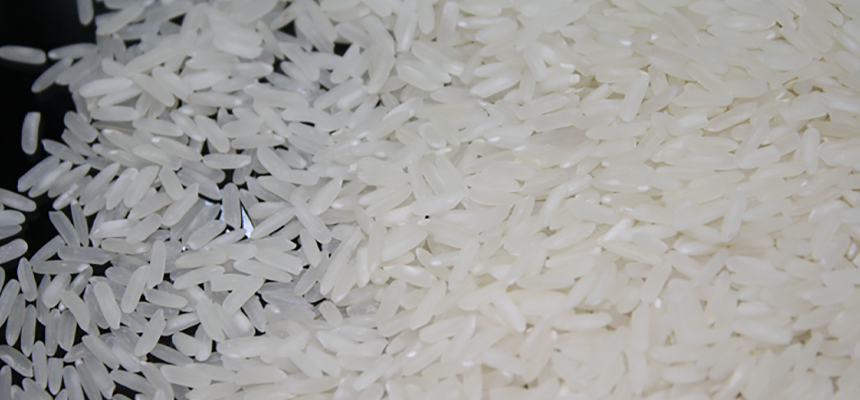
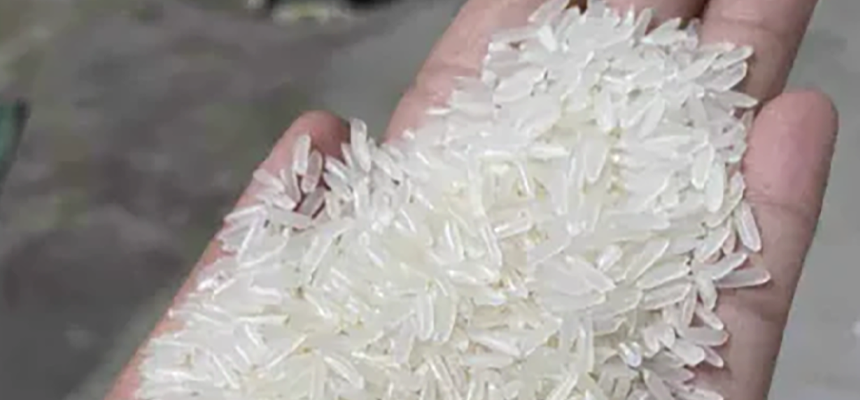
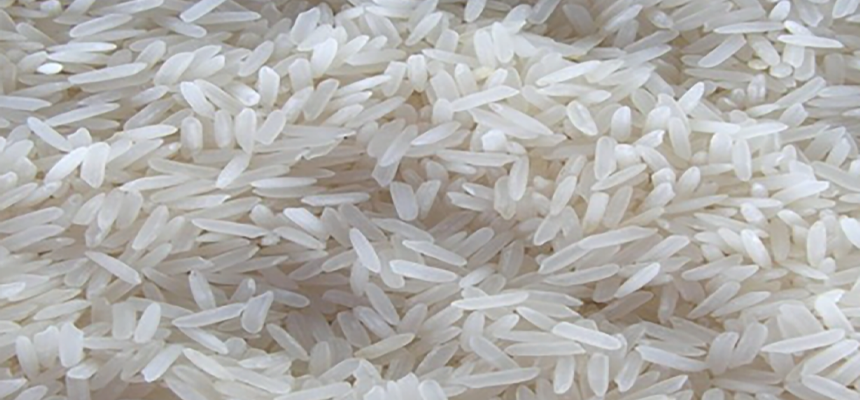
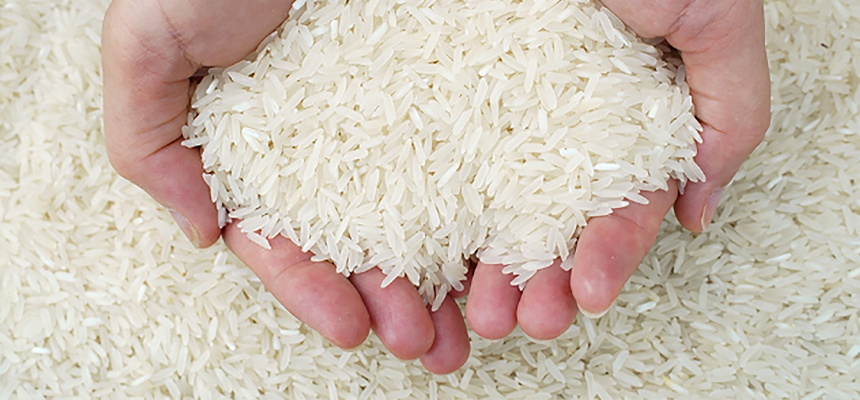
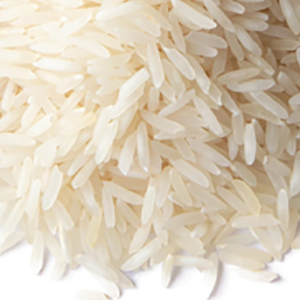
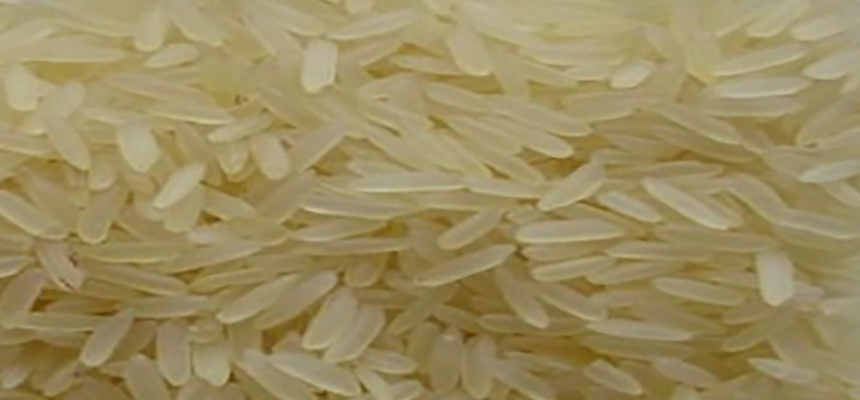
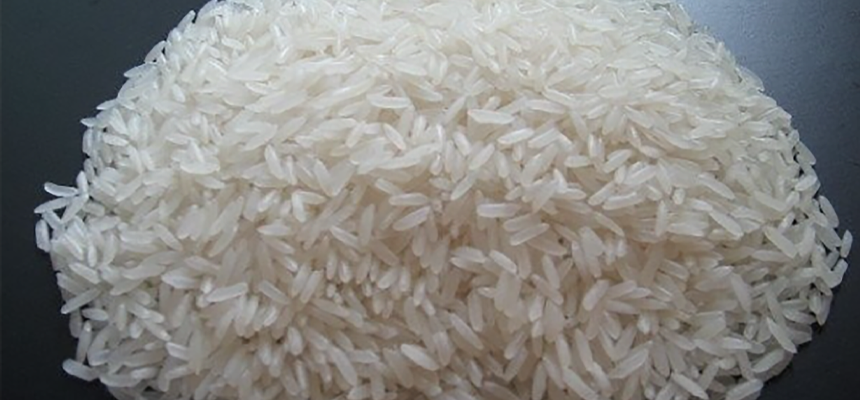
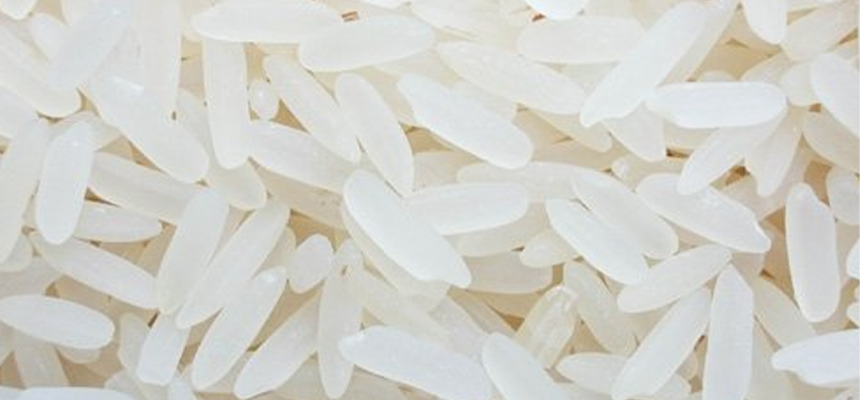
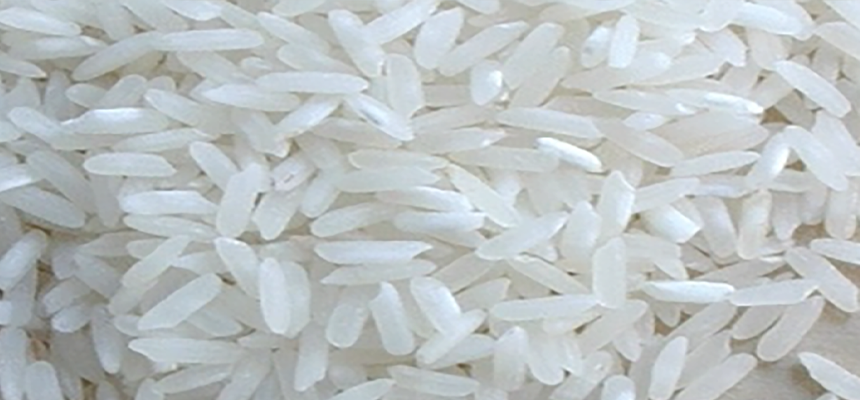
Long grain white rice is our biggest volume line. We sell white rice 5% broken, white rice 10% broken, white rice 25% broken and Thai white rice 100% broken. We also run a 100% sortexed white rice at 5%, 10%, 15% or 25% broken for buyers who want a very clean look in the bag.
Fragrant rice
Thai Hom Mali rice is the premium jasmine grade, sold at 92% purity and up. Thai jasmine rice and Pathumthani fragrant rice are the mid-price fragrant options. We also pack organic jasmine rice for health food buyers.
Parboiled, glutinous and specialty rice
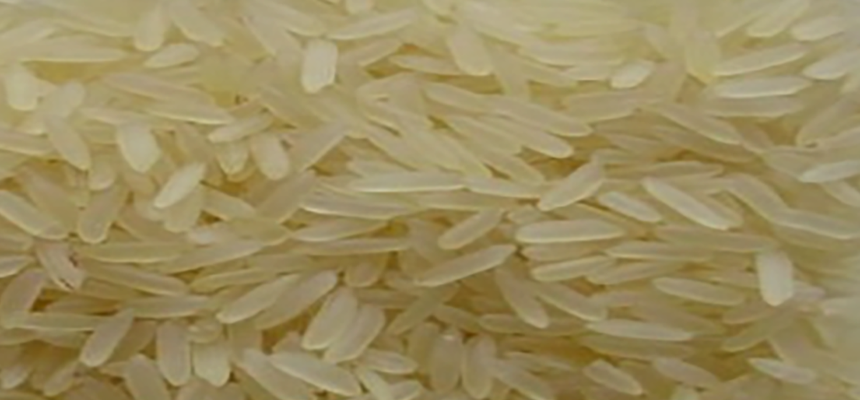
Thai parboiled rice 5% broken sells well into West Africa, the Middle East and catering. We also sell 15%, 25% and 100% broken parboiled. Thai glutinous rice, red cargo rice, brown rice, sushi rice and medium grain and Calrose rice round out the range.
Specifications for Our Main Grades
These are the standard specs we ship. If you need a tighter line on moisture, chalky grains or whiteness, ask. With Thai rice mill direct supply we can usually adjust the grading.
| Spec | White 5% broken | White 10% broken | White 25% broken | Jasmine rice |
|---|---|---|---|---|
| Origin | Thailand | Thailand | Thailand | Thailand |
| Grain | Long grain | Long or medium | Long and medium | Long grain fragrant |
| Broken grains | 5% max | 10% max | 25% max | 5% max |
| Moisture | 12 to 14% max | 12 to 14% max | 14% max | 12 to 14% max |
| Purity | 95% min | 95% min | Standard | 95% min |
| Foreign matter | 0.1% max | 0.1% max | 0.5% max | 0.1% max |
| Damaged grains | 1% max | 1% max | 2% max with discolored | Minimal |
| Crop | Current season | Current season | Current season | Current season |
Every lot is checked before packing and we issue a certificate of analysis with the shipping documents. Our rice standard page explains how Thai grading works if you want the detail.
How Pricing Works When You Buy From the Mill
We get asked for “today’s price” every day. The honest answer is that the rice export price moves with paddy, the baht, freight and what Vietnam, India and Pakistan are offering. So we send dated offers, usually valid for a few days.
With Thai rice mill direct supply, the price you see is built roughly like this:
- Paddy cost for the variety and crop.
- Milling, grading and sorting. Lower broken content costs more because more rice gets sorted out.
- Packing. A plain 50kg PP bag is cheapest. Printed retail bags cost more.
- Inland transport to Bangkok or Laem Chabang and port charges.
- Freight and insurance if you buy CFR or CIF.
If you are new to the terms, the official Incoterms rules from the ICC are worth a read, and we have a plain guide on FOB vs CIF rice prices. For grade by grade numbers, see our Thai white rice 5% broken price per ton and Thai jasmine rice FOB price posts.
Packing Options
Packing is where Thai rice mill direct supply really helps. We print and fill the bags ourselves, so private label is normal work for us, not a special favour.
- Retail packs: 1kg, 2kg and 5kg.
- Wholesale bags: 10kg, 25kg and 50kg PP or BOPP bags.
- Jumbo bags for bulk and food factory buyers.
- Your brand, your artwork, your language on the bag.
Tell us your market and we will tell you what packing usually works there. Supermarkets in Europe want very different bags from a wholesaler in a West African port.
Containers and Minimum Order
Our minimum is one 20ft container. That is about 25 metric tons in 50kg bags, a little less in small retail packs because cartons waste space. A 40ft container takes more, though weight limits on some routes mean many buyers stick with 20ft boxes.
You can mix grades in one container. A common mix is white rice 5% broken with some jasmine rice, or parboiled with white. For the numbers, read our posts on how many tons of rice fit in a 20ft container and our Thai rice minimum order quantity.
Quality Control at Our Mill
Good rice is mostly about boring discipline. Clean paddy, the right moisture, sharp sorting and dry storage. Here is what happens before a container leaves us:
- Paddy is checked for moisture and variety before it is bought.
- Milled rice runs through graders and color sorters to hit the broken and defect limits.
- Samples are taken from each lot and tested in our lab against the contract spec.
- Bags are weighed, sewn and fumigated where the buyer or destination needs it.
- Third party inspection by SGS or a surveyor of your choice can check quality, weight and loading.
Our quality control page has more on this. If you want an independent check, SGS is the surveyor most of our buyers use, and we have a full post on choosing a rice supplier with SGS inspection.
Documents That Come With Every Shipment
Paperwork is half the job in rice. Thai rice mill direct supply makes it easier because the documents come from the same company that loaded the rice. A normal shipment includes:
- Commercial invoice and packing list.
- Bill of lading.
- Certificate of origin, including Form A or Form D where it applies.
- Phytosanitary certificate.
- Fumigation certificate.
- Certificate of quality and weight, from us or a third party.
- Health certificate and other papers your country asks for.
Our rice export documents post goes through each one.
7 Proven Tips for Buying Thai Rice Mill Direct Supply
These come from years of watching deals go well and go badly.
1. Ask to see the mill
A real mill can send you video of the plant, the warehouse and your rice being packed. A trader usually cannot. If you can visit, visit.
2. Get a sample before you sign
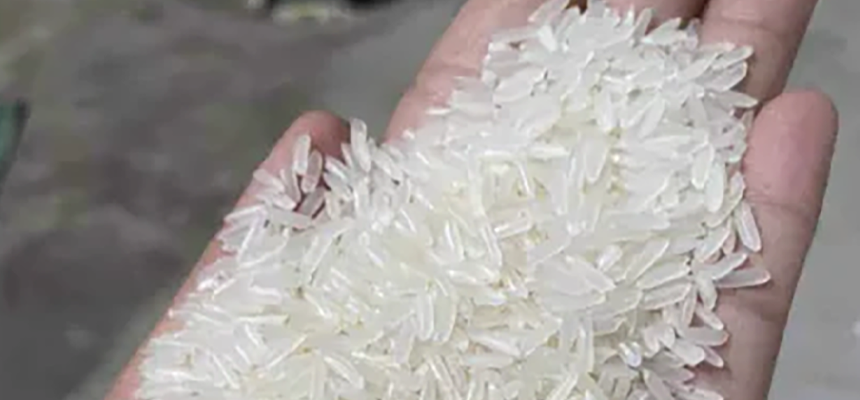
Ask for a sample of the actual grade, cooked and raw. Check broken content yourself with a sieve and a scale. It takes ten minutes.
3. Put the spec in the contract
“Good quality white rice” means nothing. Write the broken percentage, moisture, foreign matter, chalky grains and crop year into the contract.
4. Agree on inspection
Decide before shipment who inspects and whose certificate counts. Third party inspection at loading saves arguments later.
5. Watch the crop calendar
Prices and quality shift with the Thai harvest. Our post on the Thai rice harvest season explains when new crop rice is ready.
6. Be careful with payment terms
Real mills accept normal trade terms like LC at sight or a deposit with balance against documents. Be wary of anyone who wants full payment up front by personal transfer.
7. Start with one container
Even with a trusted Thai rice mill direct supply partner, a single container is a good first order. You learn how the rice sells in your market and how the supplier handles details.
Who Buys From Us
Our Thai rice mill direct supply goes to buyers in Africa, the Middle East, Europe, the Americas, Asia and the Pacific. The mix of customers looks roughly like this:
- Importers and wholesalers buying 50kg bags of white or parboiled rice by the container.
- Supermarket chains and brand owners who want private label jasmine and Hom Mali in small packs.
- Food factories that use broken rice for flour, noodles, snacks and brewing.
- Restaurants and catering groups buying through their distributors.
- Food aid programs and government tenders that need large, inspected lots. We have notes on supplying food aid programs and government tenders.
Thai Rice Mill Direct Supply vs Buying From a Trader
To be fair to traders, some are very good. They hold stock in several mills and can move quickly when one mill sells out. But the trade-offs are real.
| Point | Thai rice mill direct supply | Trader or agent |
|---|---|---|
| Price build | Paddy plus milling plus packing | Mill price plus margin |
| Spec control | Mill adjusts grading directly | Has to ask the mill |
| Private label | Printed and packed in house | Arranged through a third party |
| Who answers for quality | The mill | Often unclear |
| Speed of reply | Same day on most questions | Depends on the mill |
If you already have a good trader, keep them. If you keep running into problems you cannot trace, it is worth testing Thai rice mill direct supply on one container and comparing.
A Short Buyer Story
A food distributor in the Pacific came to us after two shipments from a broker arrived with high moisture. Rice had caked in the bags by the time it reached the shelf. On the first container from us, we agreed on 13% moisture maximum, SGS checking at loading, and lined bags for the long sea trip. The rice arrived dry. He now buys four containers a quarter and mixes white rice with jasmine in each one. Nothing clever happened. The person who packed the rice simply knew exactly what had been promised.
Common Mistakes With Thai Rice Mill Direct Supply
Even when you deal straight with the mill, a few mistakes come up again and again.
- Asking only for price. Two offers for “5% broken” can be different rice. Compare specs, not just numbers.
- Forgetting the import rules at home. Some countries need registration, import permits or special labels. Check before the rice ships.
- Choosing the wrong bag. Cheap bags tear on rough handling. Spending a little more on stronger bags often saves more than it costs.
- Ignoring the shipping season. Freight costs and transit times change through the year.
- Skipping the sample. We say this twice because it matters.
How to Order
Ordering Thai rice mill direct supply from us is simple:
- Send your grade, quantity, packing and destination port.
- We send a dated offer with the spec sheet.
- You approve a sample.
- We sign a contract and agree on payment and inspection.
- We mill, pack and book the vessel.
- You receive documents and the rice.
New importers often like our step by step guide on how to import rice from Thailand. You can also browse our other buying guides and our brands.
Market Background Worth Knowing
Thailand is one of the largest rice exporters in the world and has been for decades. Most export rice is grown in the Central Plains and the Northeast. The Northeast is where most Hom Mali comes from. Prices for Thai rice tend to sit above Vietnamese and Indian rice of the same broken grade, mostly because of grain quality, consistency and the Thai standard behind it. If you follow the market, the FAO rice market page and the Thai Rice Exporters Association publish useful price and volume data. Our own summary of Thailand rice exports in 2026 covers this year.
Long-Term Contracts and Repeat Orders
Once the first few containers go well, most buyers want something steadier. A spot offer every month works, but it means you are always chasing the market. With Thai rice mill direct supply you can set up a supply plan instead.
What that usually looks like for us:
- A fixed spec and bag design agreed once, so every lot looks the same on your shelf.
- A loading schedule, for example two containers every month, booked ahead.
- Prices fixed for one shipment at a time or for a short period, depending on how the market is moving.
- Stock held at the mill for your next lot, so a busy harvest month does not leave you short.
This is where buying from the mill pays off most. A trader can promise the same thing, but if their mill sells to someone else, the promise breaks. When the mill itself plans your volume, the rice is already counted in.
What a Mill Can and Cannot Do
We would rather be straight about this. Thai rice mill direct supply does not make rice immune to the market. If a drought cuts the Thai crop, prices rise for everyone, us included. If freight doubles because of a shipping crisis, your landed cost goes up whatever mill you use.
What a mill can do is give you clear numbers early, tell you honestly when a price is likely to move, and keep the rice in the bag exactly as described. It can also suggest a cheaper grade that still works for your customers. Plenty of buyers paying for 5% broken would sell just as well with 10% broken, and some food factories pay for whole grain when 100% broken would do the same job at a much lower price.
We also cannot fix rules in your country. Import duties, labelling laws and quotas are set at your end. We can prepare the documents, label the bags the way your authorities want and share what has worked for other buyers in the same region. The import license and customs clearance stay with you or your agent.
How We Handle Problems
Things sometimes go wrong in shipping. A vessel is delayed, a few bags tear in handling, a surveyor reports a figure close to the limit. What matters is what happens next.
Because our Thai rice mill direct supply covers the whole chain, there is no blame passed between a trader and a mill. We check our retained samples from the lot, compare them with the inspection report and talk it through with you. Where we are at fault, we settle it on the invoice or on the next shipment. Most of our repeat buyers will tell you this is the part that keeps them with us.
Frequently Asked Questions
Are you a real mill or a trader?
We are a miller and exporter. We mill at our own facility and work with partner mills under our own grading and inspection, which lets us cover the full range of grades.
What is the minimum order for Thai rice mill direct supply?
One 20ft container, around 25 tons in 50kg bags.
Can I mix rice types in one container?
Yes. Many buyers mix white, jasmine and parboiled in the same container.
Do you pack under my brand?
Yes. Private label bags from 1kg to 50kg are standard work for us.
Which ports do you ship from?
Mainly Bangkok and Laem Chabang.
Can I get samples first?
Yes, with the full spec sheet. See our FAQ page for more.
Get a Quote From Our Mill
Tell us what you need. Grade, quantity, bag size, brand and destination port. We will send a dated offer for Thai rice mill direct supply, a spec sheet and samples. No middlemen, and one company answering for the rice from paddy to port.
De Thai Products 1989 Company Limited. Email info@dethairice.com, WhatsApp +66 81 034 6390, or use our contact page. You can also read more about us or see all our products.
One thought on “Thai Rice Mill Direct Supply: Trusted Factory Prices and 7 Proven Tips”