


When rice is going to families who have lost their harvest, fled their homes or simply can’t afford to eat properly, it has to arrive on time and it has to be good. There’s no room for a cargo that’s late, short-weight or full of weevils. If you buy for a food aid programme, whether you’re a UN agency, an NGO, a government relief department or a faith-based charity, you need a rice supplier for food aid programs that understands that.
We’re De Thai Products 1989 Company Limited, a rice miller and exporter in Chachoengsao, Thailand. We mill, grade and pack our own white and parboiled rice and ship it worldwide. This page is our offer as a rice supplier for food aid programs: the grades that suit aid, the specifications, donor marking, packing for rough journeys, delivery, documents and how we work with procurement teams.
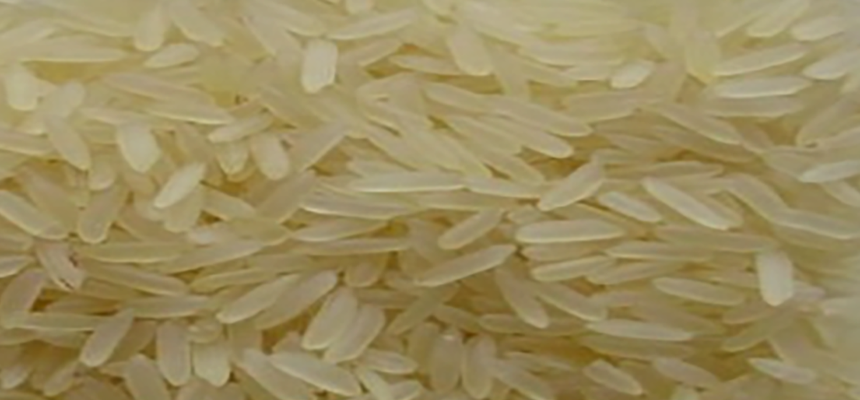
Table of Contents
What Aid Buyers Need From a Rice Supplier for Food Aid Programs
Aid procurement has its own rules. Speed matters in an emergency. Price matters because every dollar saved feeds more people. And the rice has to survive long, hot trips and rough handling, sometimes ending on the back of a truck on a dirt road or in a warehouse with no air conditioning.
So a rice supplier for food aid programs should be able to:
- Supply a stable, nutritious grade at a fair price
- Meet strict quality and food safety specs, every lot
- Pack in strong bags with the donor’s marking, exactly as specified
- Load quickly when an emergency hits
- Provide complete documents and accept independent inspection
- Be honest about what’s possible and what isn’t
That’s how we work. We mill our own rice, so the grade on the sample is the grade in the bag.
Rice Grades That Suit Food Aid
| Grade | Why aid buyers use it |
|---|---|
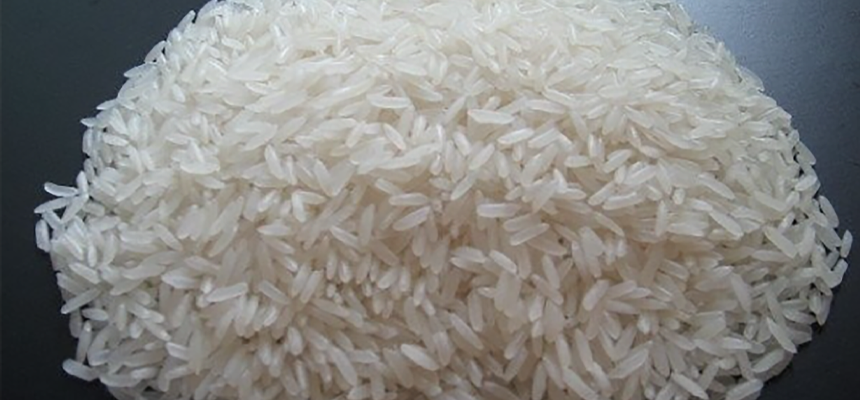
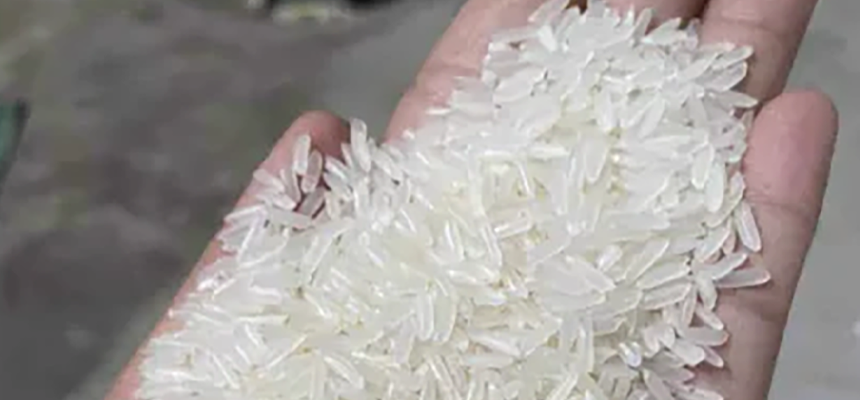
| White rice 25% broken | Good value per ton, cooks fine for daily meals, widely used in relief |
| White rice 10% broken | Middle ground on price and look |
| White rice 5% broken | Where programmes or recipients prefer a premium grade |
| Parboiled rice 5% broken | Keeps longer, more forgiving to cook, holds nutrients well |
| Parboiled rice 25% broken | Budget parboiled for large programmes |
| 100% broken rice | Porridge and blended food production |
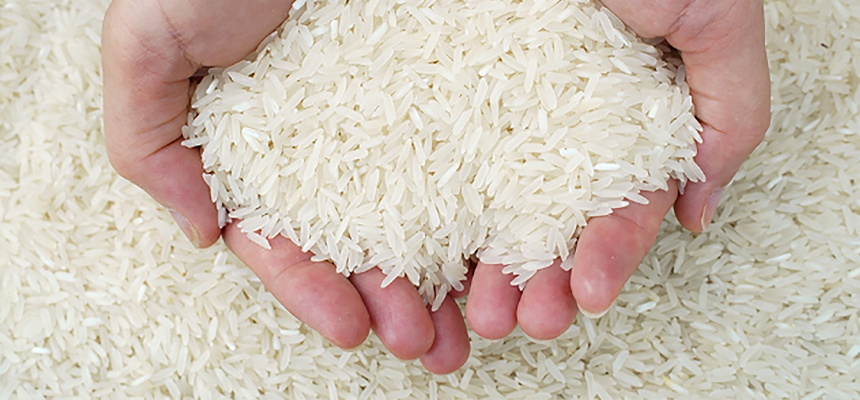
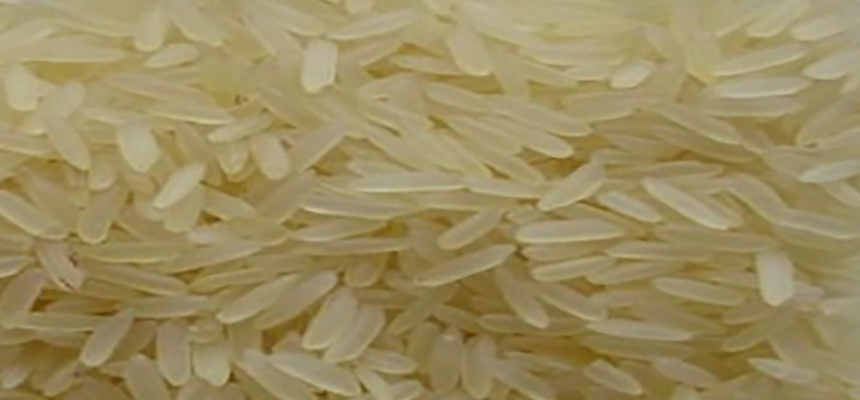
Parboiled rice deserves a special mention. The paddy is soaked and steamed before milling, which pushes some nutrients from the bran into the grain, hardens it and makes it keep better in storage. It’s also harder to overcook. For long supply chains and mixed cooking conditions, it’s often the safer choice. If your programme needs fortified rice, ask us and we’ll tell you honestly what we can arrange.
Standard Specification: White Rice 25% Broken
| Item | Standard |
|---|---|
| Origin | Thailand, current crop |
| Grain | Long and medium grain, well milled |
| Broken grains | 25% maximum |
| Moisture | 14% maximum |
| Foreign matter | 0.5% maximum |
| Damaged and discoloured grains | 2% maximum |
| Chalky grains | Within standard milling tolerance |
| Live insects | Nil |
| Packing | 25kg or 50kg new PP woven bags |
| Shelf life | Up to 24 months stored properly |
Standard Specification: Parboiled Rice 5% Broken
| Item | Standard |
|---|---|
| Origin | Thailand, current crop |
| Grain | Long, thin parboiled grain, light golden colour |
| Broken grains | 5% maximum |
| Moisture | 14% maximum |
| Admixture | 0.1% maximum |
| Damaged and discoloured | Minimal |
| Shelf life | Up to 24 months stored properly |
| Live insects | Nil |
| Packing | 25kg or 50kg new PP woven bags |
Aid agencies usually write their own commodity specification. We quote to that spec, line by line. Many refer to Codex Alimentarius food standards, and our rice standard page explains how Thai grades are measured.
Donor Marking and Packing
For any rice supplier for food aid programs, bag marking is serious work. Aid bags carry more information than ordinary trade bags, and marking errors can hold a whole consignment. As a rice supplier for food aid programs we follow the marking instructions exactly.
- New, strong PP woven bags, 25kg or 50kg, with liner if specified
- Donor and agency logos printed to the supplied artwork
- Wording such as a gift statement or not-for-sale line where required
- Commodity name, net weight, lot number, production and best-before dates
- Language and colour as specified
- Spare empty bags for re-bagging damaged ones in transit
We send a printed proof before production. Nothing changes once it’s approved.
For aid, 25kg bags are often preferred. They’re easier to carry by hand at the distribution point, and safer for workers loading trucks. We’ll pack whichever size the programme asks for.
How Aid Procurement Usually Works
Most agencies follow a similar path with a rice supplier for food aid programs, though the details vary:
- Suppliers register on the agency’s vendor list, often with company documents, export licence and references.
- The agency issues a request for quotation or a tender, with commodity spec, quantity, packing, marking and delivery terms.
- Suppliers send offers, sometimes with samples.
- The agency awards and issues a purchase order or contract.
- The supplier mills, packs and arranges inspection.
- Rice is loaded and shipped, with documents sent to the agency or its freight team.
- The cargo is checked again at the destination warehouse.
Large humanitarian buyers post opportunities through their own portals and through the UN Global Marketplace. The World Food Programme is the biggest buyer of food for humanitarian use, and many smaller agencies follow similar procurement rules. A rice supplier for food aid programs should be ready for that level of checking from the first enquiry.
Speed When an Emergency Hits
Floods, droughts, conflict. When something happens, the first weeks matter most. As a rice supplier for food aid programs we can often load plain-bag rice within days to a couple of weeks, depending on grade and quantity, because we mill continuously and keep stock of common grades. Printed donor bags take longer, so for emergencies agencies sometimes accept plain bags with stencilled or labelled marking for the first lots, then switch to printed bags.
If your agency pre-positions stock, or runs framework agreements, talk to us about holding printed bags ready at the mill. It can cut a week or more off the response time.
Delivery to Hard Places
Aid rice often goes where commercial rice doesn’t: landlocked countries, places with damaged ports, areas with security problems. We load at Laem Chabang and Bangkok and ship to ports across Africa, the Middle East, Asia and beyond. From there the agency’s logistics team or freight forwarder usually takes over.
| Region | Typical sea transit |
|---|---|
| South and Southeast Asia | 1 to 3 weeks |
| Middle East and Horn of Africa | 3 to 5 weeks |
| East and Southern Africa | 3 to 5 weeks |
| West and Central Africa | 4 to 6 weeks |
| Latin America and Caribbean | 5 to 7 weeks |
For landlocked destinations, rice usually discharges at a coastal port and moves inland by road or rail. That’s extra handling and extra heat, which is one more reason bag strength and moisture control matter so much.
A 20ft container takes about 25 tons: 1,000 bags of 25kg or 500 bags of 50kg. See how many tons of rice fit in a 20ft container. For very large programmes, break bulk shipment can be discussed. Delivery terms are usually FOB or CFR under the ICC Incoterms rules.
Inspection and Food Safety
Aid buyers nearly always use an independent surveyor, such as SGS, at loading. Checks usually cover quality against the spec, weight, bag count, marking, container condition, fumigation and sealing. Some programmes also test for aflatoxin, heavy metals or pesticide residues.
On our side, every lot is tested in our lab for moisture, brokens, chalky, damaged and discoloured grains and foreign matter. Rice is cleaned, de-stoned, polished and colour sorted. Containers are checked for cleanliness and dryness before loading. We keep retained samples from every lot, so if a quality question comes up months later, there’s a sealed sample of the same rice to test. Read more on our quality control page.
A rice supplier for food aid programs should welcome this. It protects the agency, the donor, the people eating the rice and the supplier too.
Documents We Provide
- Commercial invoice and packing list
- Bill of lading
- Certificate of origin
- Phytosanitary certificate
- Fumigation certificate
- Certificate of quality, weight and packing from the named surveyor
- Health certificate, fit for human consumption
- Halal certificate on request
- Non-GMO declaration on request
- Any lab analysis the programme requires
We send drafts for checking before originals are issued, because a wrong consignee name or a missing stamp can hold food at a port while people wait.
Pricing for Aid Programmes
Aid budgets are tight, and any rice supplier for food aid programs should know it. We don’t publish fixed prices because rice moves with paddy supply, currency and freight, but we price aid offers sharply and keep the structure clear. What changes the price:
- Grade and spec
- Bag size, liner and donor printing
- Inspection and lab testing required
- FOB or CFR, and the route
- Volume, number of lots and delivery window
For background, see Thai white rice 25% broken price per ton and parboiled rice 25% broken price per ton. World rice market trends are tracked on the FAO rice page.
For aid buyers, the cheapest rice supplier for food aid programs on paper isn’t always the cheapest in practice. A cargo that’s rejected, delayed or spoiled costs far more than the few dollars saved per ton.
How Payment Usually Works
Agencies usually pay against documents after shipment, by bank transfer or letter of credit, depending on their own rules. Some contracts include performance guarantees. We’re used to working within agency procurement and finance rules, and we’ll talk through the terms before we quote so there are no surprises later.
7 Proven Tips When Choosing a Rice Supplier for Food Aid Programs
1. Work with a miller
A miller controls the rice. A broker controls a phone. In aid, where every lot must pass inspection, that difference matters.
2. Think about the whole journey
Pick the grade and bag for the hardest part of the trip, not the easiest. Parboiled rice and lined bags make sense for long, hot supply chains.
3. Match the grade to the people eating it
Rice that recipients don’t like ends up sold or wasted. Ask field teams what local families are used to.
4. Check the marking proof carefully
Logos, wording and dates should match the donor’s rules exactly before printing starts.
5. Insist on independent inspection
Use the surveyor your agency names, at every loading.
6. Keep a counter-sample
A sealed sample at the mill gives you something to test if questions come up later.
7. Set up a framework if you buy often
A standing agreement with agreed spec and marking makes emergency orders much faster.
Mistakes We See in Aid Procurement
The most common is choosing white rice with too high a moisture for a long, humid route. It can heat and spoil in the container. Another is printing donor bags before the artwork is final, then reprinting. A third is not allowing for inland transport. A cargo that reaches the port on time can still be weeks from the people who need it. A good rice supplier for food aid programs will raise these points before the order, not after.
Who We Supply
As a rice supplier for food aid programs we work with:
- UN agencies and their procurement units
- International and local NGOs
- Government disaster management and relief departments
- School feeding and nutrition programmes
- Refugee and displacement response programmes
- Faith-based charities and community relief groups
- Contractors supplying any of the above
Government buyers running food reserves or public distribution can also see our page on being a rice supplier for government tenders.
Why Thai Rice Works for Aid
Thai rice has a long record in humanitarian supply, and a Thai rice supplier for food aid programs can lean on that. The grading system is clear and well understood, so specs are easy to write and check. The export chain, from surveyors and fumigators to shipping lines, handles large volumes every week. And Thai long grain and parboiled rice are familiar to many of the communities that receive aid, which helps acceptance. When a programme can buy any origin, Thai rice is often priced a little higher than some others, but the reliability usually makes up for it.
Storage at Destination
Aid rice is often stored in basic warehouses or temporary stores, so as a rice supplier for food aid programs we always share storage advice. A few simple steps protect it:
- Keep bags on pallets, off the floor and away from walls
- Keep the store dry and ventilated, with a sound roof
- Fumigate regularly against insects
- Rotate stock, first in first out
- Keep rice away from anything with a strong smell
- Check stock for moisture, insects and torn bags every week
Stored well, white and parboiled rice keep for up to two years. Parboiled rice usually handles rough storage better.
Cooking Conditions in the Field
It’s easy to forget how rice is actually cooked at the end of an aid chain. Often it’s a single pot over wood or charcoal, with limited water and not much time. Sometimes it’s a big communal kitchen at a school or a camp, cooking for hundreds at once. A rice supplier for food aid programs should think about that, because it changes which grade makes sense.
Parboiled rice is forgiving. It stays separate even if it’s cooked a bit too long, and it doesn’t turn to paste in a big pot. White rice cooks faster and uses less fuel, which matters where firewood is scarce. Broken rice cooks fastest of all and works well for porridge, which is useful for young children. There’s no single right answer. The right answer depends on the people, the kitchen and the fuel, and the field team usually knows best.
Framework Agreements and Pre-Positioning
Agencies that buy often save a lot of time with a framework agreement. The spec, marking, packing and price mechanism are agreed once. When an order comes, it’s a call-off, not a new tender. For a rice supplier for food aid programs, that means we can plan milling, keep marked bags in stock and load faster.
Some agencies also pre-position rice in regional hubs before the lean season or the rainy season, when roads close. If that’s your model, let’s plan shipments back from the date the rice has to be in the hub, not forward from the date the budget is released. We’ve seen too many programmes where the money arrived on time and the rice didn’t, simply because nobody counted the weeks.
Working With Small NGOs
Not every aid buyer is a big agency. Plenty of smaller charities and community groups buy one or two containers at a time, sometimes once a year. We’re happy to work at that scale. A rice supplier for food aid programs shouldn’t only answer the big tenders. Smaller buyers often need more help with paperwork and shipping, and we’ll walk you through it. Our guide on how to import rice from Thailand covers the basics, and the minimum order page explains what one container holds.
A Programme Example
A relief agency running a school feeding programme came to us after problems with weevils in rice from a previous supplier. Their supply route was long, with a sea leg and then several days by truck. We suggested parboiled rice 5% broken in 25kg lined bags, with the agency’s marking printed after a proof. The first lot was inspected by the agency’s surveyor at loading and again at their warehouse, and passed both times. They now order a set volume every term, and we keep printed bags ready at the mill so each order loads quickly. Nothing fancy. Just a rice supplier for food aid programs fitting the rice to the route.
What to Send Us
To get a quick offer, send us:
- The commodity spec, or the grade you need
- Quantity and number of lots
- Bag size and marking requirements
- Destination port, and final destination if inland
- Delivery window
- Named surveyor and any lab tests
- Payment terms
With that, we can usually come back the same day with an offer and sample plan.
How to Check a Rice Supplier for Food Aid Programs
Before you sign, check the supplier properly. It takes a few days and it’s worth it. Ask a rice supplier for food aid programs for its company registration and export licence. Ask to see the mill, in person or on a live video walk-through. Ask for references from other aid or institutional buyers. Ask for samples from the actual lot and a sealed counter-sample kept at the mill. Ask how the supplier handles a failed inspection.
A genuine rice supplier for food aid programs will be comfortable with every one of these questions. If a seller pushes for full payment up front, avoids the mill visit or offers a price far below the market, that tells you what you need to know. Aid money is too important to risk on a seller you can’t check, and the people waiting for the rice deserve a rice supplier for food aid programs who can actually deliver it.
Frequently Asked Questions
Do you supply UN agencies and NGOs?
Yes. We supply aid buyers directly and through their contractors.
Can you print donor logos on bags?
Yes, after the artwork proof is approved.
How fast can you load in an emergency?
Plain-bag rice can often load within days to a couple of weeks, depending on grade and volume.
Do you supply parboiled rice?
Yes, in 5% to 100% broken grades.
What is the minimum order?
One 20ft container, about 25 tons.
Can we visit the mill?
Yes. We’re in Chachoengsao, close to Bangkok. Video tours work too.
Work With a Rice Supplier for Food Aid Programs That Mills Its Own Rice
Send us your spec, quantity, marking and destination. We’ll come back with an honest offer and samples. You can also read about us, browse our products, check the FAQ, or see related pages like parboiled rice 50kg bag wholesale, buy parboiled rice in bulk and white rice 5% broken 50kg bag supplier.
De Thai Products 1989 Company Limited. Email info@dethairice.com, WhatsApp +66 81 034 6390, or use our contact page.


3 thoughts on “Rice Supplier for Food Aid Programs: Trusted Mill Offer and 7 Proven Tips”