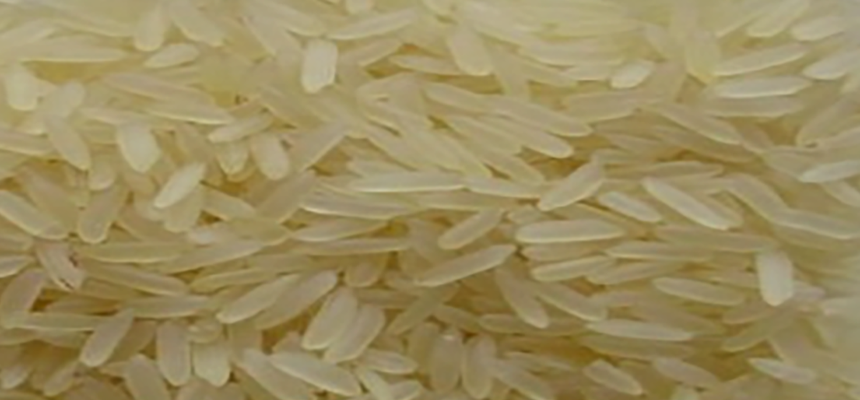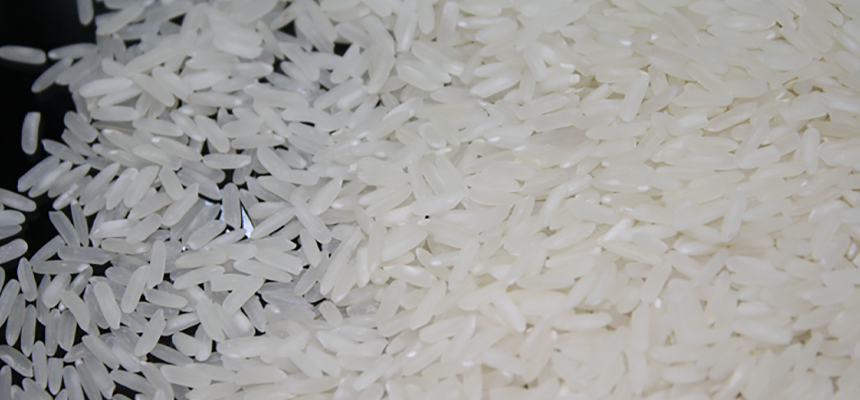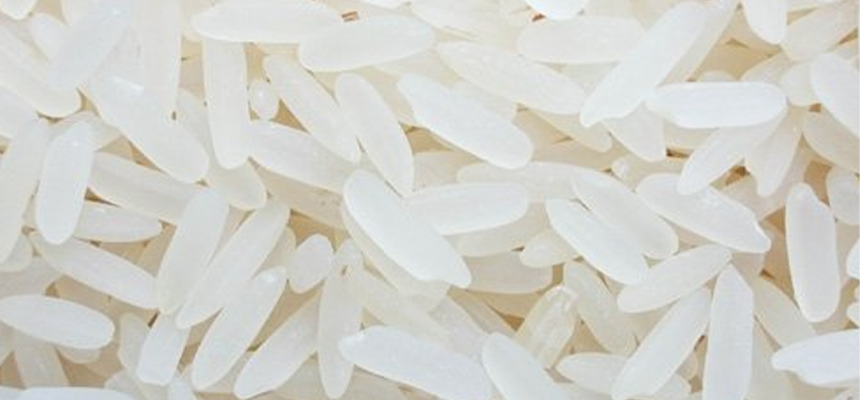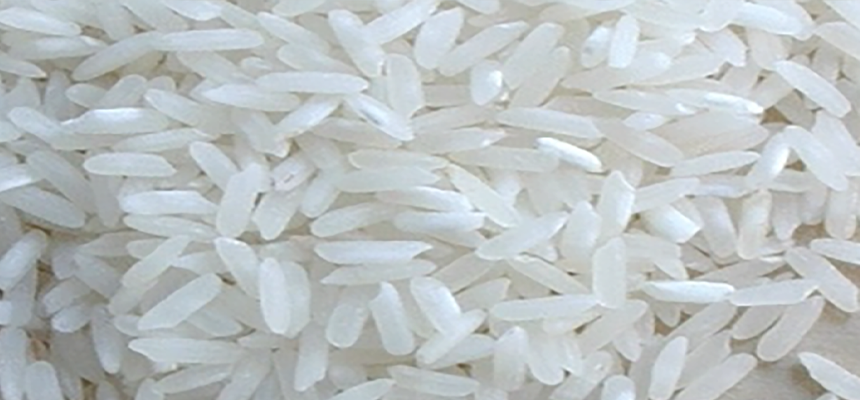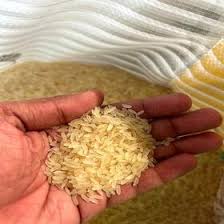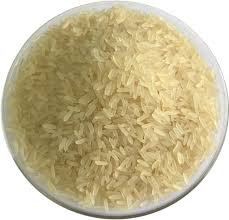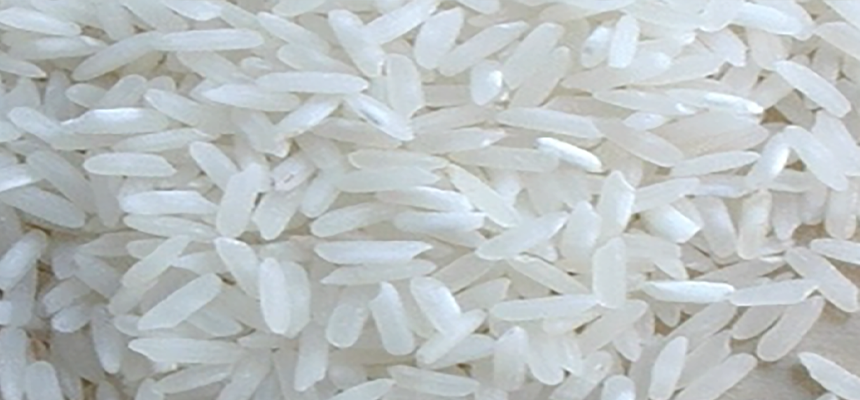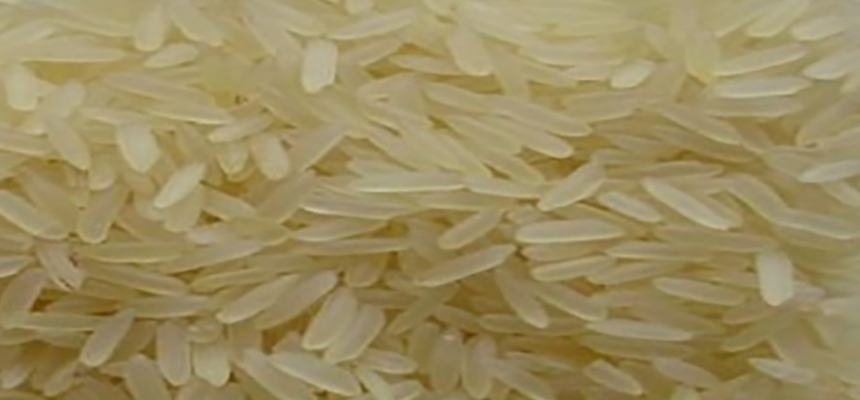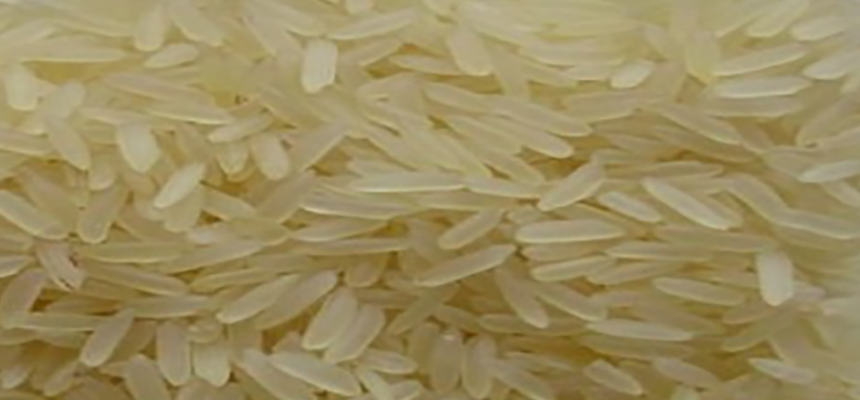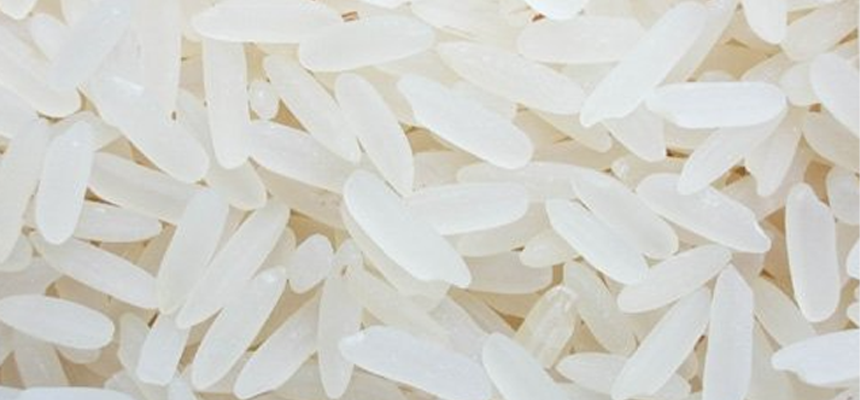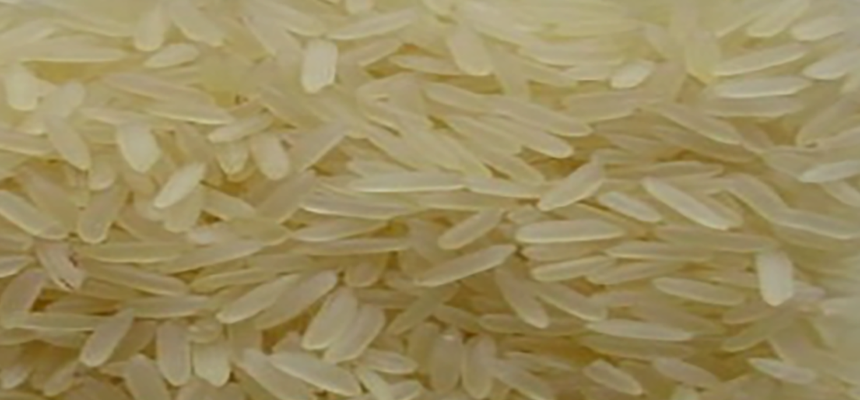


Good parboiled rice for jollof rice is the difference between a pot people talk about and a pot people politely leave on the plate. We sell Thai long grain parboiled rice to importers, wholesalers, caterers and supermarket chains around the world, and a big share of it ends up in jollof. This page covers why parboiled rice works so well in jollof, which grade to pick, the specs we ship, how we pack it, and how to order by the container.
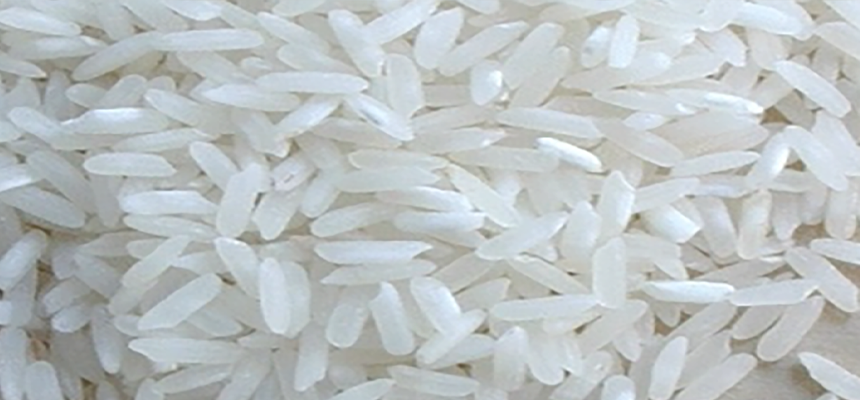
Table of Contents
Why Cooks Choose Parboiled Rice for Jollof Rice
Jollof is hard on rice. The grains cook in a thick tomato, pepper and onion base, often over low heat for a long time, and the pot gets stirred, covered, uncovered and sometimes left to catch at the bottom on purpose for that smoky layer. Ordinary white rice tends to swell, split and go soft in those conditions. You end up with something closer to porridge.
Parboiled rice for jollof rice behaves differently because it was steamed in the husk before milling. That step hardens the starch inside each grain. The result is a kernel that soaks up the sauce and the flavour but keeps its shape. Each grain stays separate, glossy and red-orange, which is exactly what people want to see when the pot is opened at a party.
That’s why, across Nigeria, Ghana, Senegal, Liberia, Sierra Leone and the diaspora communities in London, Houston, Toronto and beyond, cooks reach for parboiled long grain first. If you want the history of the dish itself, the jollof rice article on Wikipedia is a fair starting point.
What Makes Good Parboiled Rice for Jollof Rice
Not all parboiled rice is equal. When we talk to buyers who supply jollof cooks, the same five things come up again and again.
Long, slender grains
Long grain rice cooks up separate. Short or medium grains release more starch and stick together. Thai parboiled has an average length of at least 7 mm, which gives that classic look on the plate.
Firm texture that survives the stew
The best parboiled rice for jollof rice can sit in sauce for 40 minutes and still have a bit of bite. That depends on how thoroughly it was steamed. Under-parboiled rice goes soft. Properly done rice holds.
Low broken percentage
Broken grains cook faster than whole ones and turn mushy first. For party jollof and restaurant use, 5% broken is the safe choice. For everyday family cooking where price matters more, 15% broken is still very good.
Even colour
Parboiled rice has a light golden tint. It doesn’t matter much once the tomato goes in, but uneven colour in the dry rice can be a sign of uneven parboiling, which means uneven cooking. If you’ve ever wondered about that tint, we explain it in why is parboiled rice yellow.
Clean, sorted grain
Nobody wants to pick stones or black grains out before cooking. Our rice is double polished and run through colour sorters before packing.
Parboiled vs White vs Basmati for Jollof
People argue about this, often loudly. Here’s the honest picture from what our buyers tell us.
| Parboiled long grain | Long grain white rice | Basmati | |
|---|---|---|---|
| Holds shape in sauce | Excellent | Fair | Good |
| Absorbs tomato flavour | Very good | Very good | Good |
| Forgiving if overcooked | Very | Not very | Somewhat |
| Separate grains | Yes | Often clumps | Yes |
| Price per ton | Moderate | Lower | Higher |
| Typical use | Everyday and party jollof | Quick home cooking | Some Ghanaian jollof, premium dishes |
Ghanaian cooks sometimes favour a fragrant long grain or basmati, while Nigerian jollof is closely tied to parboiled rice. Both styles work with parboiled rice for jollof rice, which is why it sells so well to wholesalers who supply mixed communities. If you also stock fragrant rice, have a look at our Thai jasmine rice and basmati rice pages.
The Grades We Sell for Jollof
Here’s what we supply as parboiled rice for jollof rice, all Thai long grain, double polished and Sortex cleaned.
- Thai Parboiled Rice 5% Broken: the premium choice. Near whole grains, best for restaurants, caterers, events and branded retail packs.
- Thai Parboiled Rice 15% Broken: very popular with wholesalers. Cooks almost the same in jollof at a lower price per ton.
- Thai Parboiled Rice 25% Broken: for price-sensitive markets and bulk distribution where cost is the main concern.
For jollof specifically, we usually point people to 5% or 15%. The 25% grade is fine for home cooking, but you’ll see a softer result if the pot is held for a long time.
Specifications
Our standard parboiled rice for jollof rice specs are below. Everything can be tuned to your contract, and the final figures are confirmed by independent inspection at loading.
| Parameter | 5% Broken | 15% Broken | 25% Broken |
|---|---|---|---|
| Origin | Thailand | Thailand | Thailand |
| Grain type | Long grain parboiled | Long grain parboiled | Long grain parboiled |
| Average length | 7.0 mm min | 6.8 mm min | 6.6 mm min |
| Broken grains | 5% max | 15% max | 25% max |
| Moisture | 14% max | 14% max | 14% max |
| Damaged and discoloured | 0.5% max | 1% max | 1.5% max |
| Chalky grains | 1% max | 2% max | 3% max |
| Red and striped grains | 1% max | 2% max | 3% max |
| Foreign matter | 0.1% max | 0.2% max | 0.3% max |
| Milling | Double polished, Sortex | Double polished, Sortex | Well milled, Sortex |
| Crop | Current | Current | Current |
You’ll find more detail in our Thai parboiled rice 5% broken spec guide and the overall rice standard page.
How to Cook Parboiled Rice for Jollof Rice
We’re rice people, not chefs, but we’ve eaten a lot of jollof cooked with our rice, and the cooks who get the best results do a few things the same way. This is useful to share with your retail customers too.
- Wash the rice. Rinse two or three times until the water runs mostly clear. Some cooks parboil it again for 5 to 8 minutes and drain. It’s optional with good parboiled rice, but plenty of people swear by it.
- Build the base. Blend tomatoes, red bell pepper, scotch bonnet and onion. Fry tomato paste in oil until it darkens, then add the blend and cook it down until the oil rises and the raw taste is gone. Don’t rush this part. It’s where the flavour lives.
- Season. Stock, curry powder, thyme, bay leaves, salt. Taste it. It should be slightly too salty on its own, because the rice will absorb it.
- Add the rice. Stir the rice into the sauce so every grain is coated. Add just enough stock to come level with the rice. Too much liquid is the most common mistake.
- Cover and steam. Seal the pot with foil under the lid, turn the heat low and leave it. Parboiled rice for jollof rice usually needs 30 to 40 minutes.
- Check, stir gently, finish. If it’s still firm, sprinkle a little water and cover again. When it’s done, fluff it and leave it a few minutes before serving.
Rough ratio: about 1.5 to 1.75 cups of liquid per cup of parboiled rice, counting the liquid in the sauce. It varies by pot and stove, so treat it as a starting point.
The party bottom
That slightly burnt, smoky layer at the bottom of the pot is a feature, not a mistake. Parboiled rice is the best rice for it because the grains toast without dissolving. White rice tends to just stick and burn.
Who Buys Parboiled Rice for Jollof Rice From Us
Our customers are mostly businesses that sell or cook in volume:
- Importers and distributors supplying West African markets and African grocery stores in Europe, North America and the Middle East.
- Wholesalers who repack into 5 kg, 10 kg and 25 kg bags for shops.
- Caterers and event cooks who make jollof by the drum for weddings, funerals and festivals. See our page on parboiled rice for catering companies.
- Restaurants and food chains that need the same result every day.
- Supermarket buyers building private label rice ranges.
We already supply buyers in several jollof markets. If you’re in one of them, these pages may help: parboiled rice supplier Ghana, parboiled rice supplier Liberia, parboiled rice supplier Benin and parboiled rice import to West Africa.
Packing for Jollof Markets
Packaging sells rice in these markets almost as much as the grain does. Shoppers recognise bags, and they come back for the same one.
- Sizes: 1 kg, 2 kg, 5 kg, 10 kg, 25 kg and 50 kg. The 50 kg bag is still the standard in many open markets. The 25 kg is common for diaspora grocery stores.
- Materials: PP woven, BOPP laminated with full colour print, PP with inner PE liner for humid ports.
- Branding: your brand, ours, or neutral. We can print in English, French or Portuguese.
- Load: about 25 tons per 20 ft container in 50 kg bags.
For bag-level details, see parboiled rice 50kg bag wholesale. If you’d like your own label, our our brands page shows what we already pack.
Price and Shipping
We quote FOB Thailand or CFR/CIF to your port. Price moves with the Thai paddy market, the baht and freight, so we give firm quotes on the day rather than publishing a fixed list. To get a feel for recent numbers, read our notes on Thai parboiled rice 5% broken FOB price and Thai parboiled rice 15% broken price per ton.
Transit from Thailand to West African ports such as Lagos, Tema, Cotonou, Lomé or Monrovia usually runs four to six weeks depending on the line and transhipment. Europe and North America vary more. We’ll give you a shipping plan with the quote.
Every shipment comes with the normal export set: commercial invoice, packing list, bill of lading, certificate of origin, phytosanitary certificate, fumigation certificate and an inspection report. Our rice export documents guide explains each one.
7 Proven Tips for Buying Parboiled Rice for Jollof Rice
- Cook a test pot before you sign. Ask for a sample and make actual jollof with it, not just plain boiled rice. Hold it hot for half an hour and see how it looks.
- Match the grade to the customer. Restaurants and events want 5%. Most household buyers are happy with 15%.
- Specify grain length. Short grains in a long grain bag are a common complaint. Put a minimum length in the contract.
- Ask about crop year. New crop is fine, but very fresh rice can cook slightly softer. Good mills age it properly before shipping.
- Insist on independent inspection. SGS or similar at loading protects you if anything is disputed later.
- Think about the bag. In humid ports, liners and good stitching stop moisture problems and torn bags at the warehouse.
- Plan around harvest. Prices and availability shift through the year. Our page on the Thai rice harvest season explains the timing.
Why Order From De Thai Rice
We work directly with mills in Thailand, so we control the parboiling, sorting and packing for your order. That matters for jollof, because the firmness people love comes straight from how the paddy was steamed.
What buyers tell us they value is simple: the sample matches the shipment, the specs are honest, and someone answers when there’s a problem. We’d rather lose an order than ship rice we know won’t perform in the pot. If you want to see how we check every lot, our quality control page lays it out.
Nigerian, Ghanaian and Senegalese Styles
Jollof isn’t one dish. It’s a family of dishes, and each one asks slightly different things from the rice.
Nigerian jollof
Usually made with long grain parboiled rice, cooked in a deep red, pepper-heavy base, often finished with a smoky bottom. This is where parboiled rice for jollof rice is almost the default. Cooks want firm, separate grains that can take the heat and the long steam.
Ghanaian jollof
Often a touch more aromatic, sometimes made with fragrant long grain or basmati, with more spice in the base. Plenty of Ghanaian cooks still use parboiled because it’s forgiving in big pots, especially for events.
Senegalese thieboudienne and jollof
The Senegalese family of dishes, where jollof is said to have started, often uses broken rice for thieboudienne. For a jollof style dish, though, a firm long grain parboiled works well. If your buyers want broken rice for thieb, ask about our 100% broken and white broken rice.
For wholesalers selling into mixed communities, the safest stock is a 5% or 15% parboiled rice for jollof rice, with a fragrant rice next to it for customers who prefer that style.
Common Mistakes With Parboiled Rice for Jollof Rice
Most failed pots come from the same handful of problems. They’re worth sharing with your retail customers, because when jollof goes wrong, people blame the rice first.
- Too much stock. The sauce already has liquid. Add stock slowly and stop when it’s level with the rice.
- Heat too high. High heat burns the bottom before the top is cooked. Low and slow works best with parboiled rice for jollof rice.
- Lifting the lid too often. Every time the lid comes off, steam escapes and the top layer stays hard.
- Under-cooked base. If the tomato and pepper aren’t cooked down properly, the rice tastes sour and raw no matter how good it is.
- Cheap high-broken rice for a party pot. Broken pieces turn soft first and spread mushiness through the pot.
Cooking Jollof in Large Batches
Caterers and event cooks are some of our biggest customers, so here’s what they’ve taught us about cooking parboiled rice for jollof rice by the drum rather than by the pot.
- Cook the base separately in bulk and portion it into each pot, so the flavour is the same across all of them.
- Don’t overfill pots. A pot that’s too full cooks unevenly. Most caterers stop at about two thirds.
- Use wide, heavy pots for an even layer and a controlled bottom.
- Stir from the edges in, gently, with a flat spatula, once or twice at most.
- Hold hot in covered trays, not in the cooking pot, to stop the bottom burning further.
A 25 kg bag of parboiled rice for jollof rice will serve roughly 250 to 300 portions, depending on the plate size. Caterers who switch from cheaper white rice tell us the waste drops noticeably because fewer trays end up mushy and unusable.
Storage Tips for Wholesalers and Shops
Parboiled rice stores better than most rice because the steaming firms up the grain and reduces insect damage. Still, in hot humid climates it pays to be careful:
- Stack bags on pallets with space around the stack for air.
- Keep away from walls that sweat in the rainy season.
- Rotate stock first in, first out.
- Check bags every few weeks for damp or insects, especially in the wet months.
Stored this way, parboiled rice for jollof rice will keep its quality for well over a year.
Building a Jollof Rice Brand
A lot of our importers sell rice under their own name. In jollof markets, the bag becomes a promise. Once a shopper finds a brand that cooks well, they ask for it by name or by the picture on the bag. That’s valuable, and it’s easy to lose if the next container cooks differently.
The way to protect a brand is boring but effective: the same grade, the same mill, the same parboiling depth, the same sorting, every shipment. We keep a reference sample for every brand we pack and check each new lot against it. If you’re thinking of launching your own parboiled rice for jollof rice brand, we can help with bag design, printing and the first trial shipment.
Why Thai Parboiled Rice Works So Well for Jollof
Parboiled rice comes from several origins. Thai parboiled rice has a reputation in jollof markets for a few reasons buyers mention over and over: long, even grains; a clean light golden colour; very consistent cooking; and strong sorting so there’s little to pick out. Thai mills have been making parboiled rice for export markets for a long time, and the process is very well controlled.
That consistency is what makes Thai parboiled rice for jollof rice such a dependable product for importers. Your customers don’t need to adjust their recipe every time a new container arrives.
Frequently Asked Questions
What is the best parboiled rice for jollof rice?
Long grain parboiled rice with 5% broken or less gives the best result, especially for parties and restaurants. 15% broken is a good value option for home cooking.
Do I need to wash parboiled rice for jollof rice?
Yes, a quick rinse removes surface starch and dust. Some cooks also pre-boil it briefly. Both help keep the grains separate.
Why does my jollof go mushy?
Usually too much liquid, too high a heat, or rice with too many broken grains. Using proper parboiled rice for jollof rice and less stock fixes most of it.
Can I use jasmine rice for jollof?
You can, and some people like the fragrance, but it’s softer and less forgiving. Parboiled is safer for large pots.
What’s the minimum order?
Normally one 20 ft container, about 25 tons. Read more about Thai rice minimum order quantity.
Can you pack under my brand?
Yes. Send your artwork and we’ll arrange printing and a proof before production.
Do you ship outside Africa?
Yes. We ship parboiled rice for jollof rice to buyers in Europe, North America, the Caribbean, the Gulf and Asia as well.
How much parboiled rice for jollof rice do I need per person?
Around 80 to 100 g of dry rice per adult portion is a good rule of thumb. For parties, plan a bit more because people come back for seconds.
Is 15% broken good enough for jollof?
For home cooking and most shops, yes. You’ll notice the difference mainly when a big pot is held hot for a long time, which is why caterers lean towards 5%.
Can I store cooked jollof made with parboiled rice?
Yes. It keeps in the fridge for a couple of days and reheats better than jollof made with white rice, because the grains stay firm. Heat it with a splash of water and a lid.
Why do some cooks pre-boil parboiled rice for jollof rice?
It washes off extra starch and starts the cooking, so the rice finishes evenly in the sauce. It’s a habit more than a must with good quality rice.
Can you send a sample before I order a container?
Yes. We courier samples so you can cook a proper pot first. It’s the best way to judge parboiled rice for jollof rice, and we’d rather you test it than take our word for it.
Order Parboiled Rice for Jollof Rice
If you sell to jollof cooks, the rice is the product they judge you on. Tell us the grade, bag size, quantity and destination, and we’ll come back with a price, a spec sheet and a sample, usually within one working day.
Email info@dethairice.com, WhatsApp +66 81 034 6390, or go to our contact page. You can also read about buying parboiled rice in bulk or browse all our rice.