


Parboiled rice import to West Africa is a big part of what we do. Nigeria, Benin, Ghana, Togo, Côte d’Ivoire, Guinea, Sierra Leone, Liberia and their neighbours are some of the biggest parboiled rice markets anywhere. People there cook jollof, rice and stew, and fried rice every day, and parboiled rice is what a lot of families and caterers reach for.
We export Thai parboiled rice from Thailand to West African ports, and to buyers in the rest of the world too. This guide is written for importers, wholesalers and distributors who want to bring parboiled rice in by the container. It covers the grades we sell, the bags that work in West African markets, shipping, paperwork, payment, and the mistakes that cost new importers money.
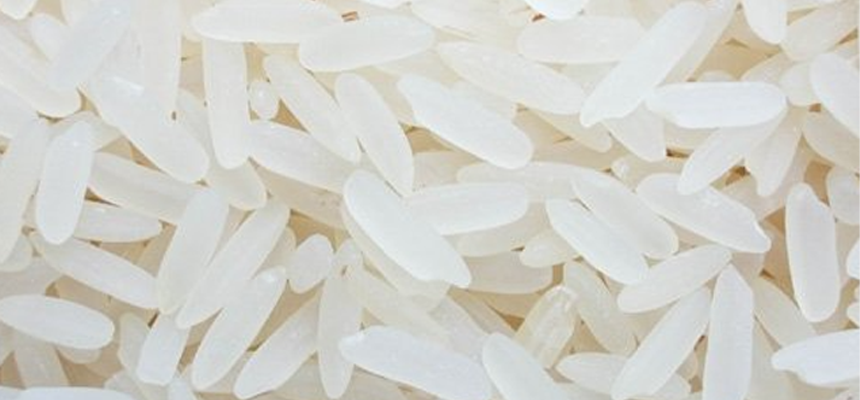
Table of Contents
Why Parboiled Rice Sells So Well in West Africa
Anyone who has looked at parboiled rice import to West Africa knows the scene. Walk through any big market in Lagos, Cotonou, Accra, Lomé or Abidjan and you’ll see stacks of 50kg rice bags. A lot of that is parboiled. There are a few reasons it took hold:
- It cooks up firm and separate. For jollof and other one-pot dishes, that’s exactly what cooks want.
- It holds well. A pot cooked in the morning is still good at night, which matters for food sellers and large households.
- It stores well in heat and humidity, better than soft white rice.
- It breaks less in handling, and rice in West Africa gets handled a lot between the port and the kitchen.
Local rice production has grown in several countries, but demand is still bigger than local supply, which is why parboiled rice import to West Africa stays strong year after year.
Parboiled Rice Import to West Africa: Step by Step
Here’s how a first order usually runs with us.
- Check your import rules. Before anything else, talk to a licensed clearing agent in your country about permits, product registration, duties and labelling for parboiled rice.
- Ask for a quote. Send us grade, tons, bag size, port and terms. We send price, spec sheet and bag options.
- Test samples. Cook them the way your customers do. Show them to a few traders.
- Sign the contract. Price, spec, bags, inspection, documents, payment and shipping window, all in writing.
- Arrange payment. Letter of credit or deposit, as agreed.
- Bags and production. We print your bags if needed, then the mill processes and packs your lot.
- Inspection and loading. An independent inspector samples the rice, checks the weight and watches the loading.
- Documents. We send copies right away, and originals by courier or through the bank.
- Arrival and clearing. Your agent clears the container. You move the rice to your warehouse.
For most buyers, the first parboiled rice import to West Africa takes four to eight weeks from quote to loading, then the voyage. Repeat orders are much faster because the bags, specs and papers are already sorted.
Market Notes by Country
These are general notes from our own buyers. Every city is different, so use them as a starting point, not a rule.
Nigeria
The biggest parboiled market in the region. Buyers are very particular about grain length, colour and cleanliness. Strong, well known bag brands sell at a premium. 50kg is the main trade size, with 25kg and 10kg growing. Import rules can change quickly, so parboiled rice import to West Africa through Nigeria needs close contact with your agent and bank.
Benin
Cotonou is a major rice hub, and a lot of rice there moves on to other markets. Parboiled sells well, mostly in 50kg and 25kg bags. Buyers here are experienced and price aware.
Ghana
A mixed market. Parboiled rice sells, but fragrant rice is very popular, especially in cities. Retail packs of 5kg and 10kg do well in supermarkets. Product registration and labelling get checked carefully.
Togo
Lomé is an efficient port with a lot of transit trade inland. Parboiled 15% and 25% broken move well for price-driven buyers, and 5% for better shops.
Côte d’Ivoire
A big rice eater. Broken white rice has a large share, but parboiled has a steady market, especially with caterers and in some regions.
Senegal, Guinea, Sierra Leone, Liberia and The Gambia
Broken white rice is the main rice in Senegal, but parboiled has buyers too. In Guinea, Sierra Leone and Liberia, parboiled and white both sell, and bag size and price usually decide it.
Planning Around the Busy Seasons
Rice demand in West Africa climbs before Christmas, Easter, Eid and the wedding seasons. If you want your parboiled rice import to West Africa to land in time for those peaks, plan to order two to three months ahead. Paddy supply in Thailand is steady most of the year, but freight space to West Africa can get tight before the holidays, and late orders pay more.
Our Parboiled Rice Grades for West African Buyers
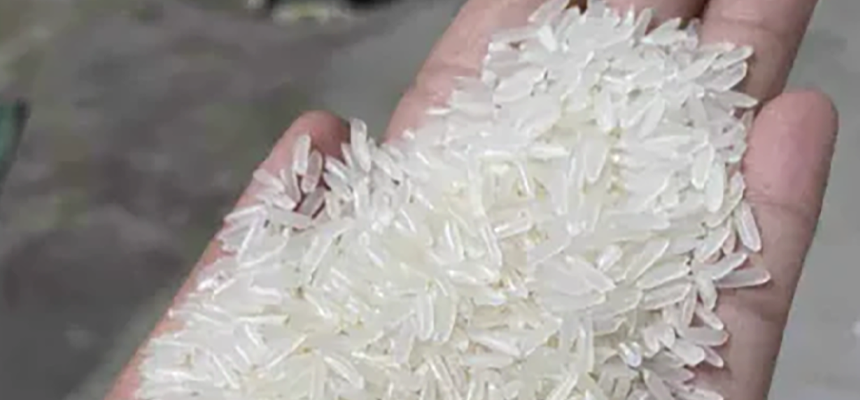
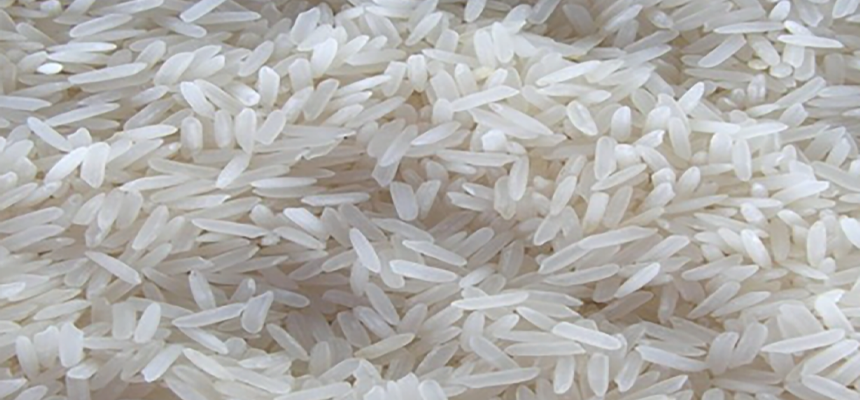
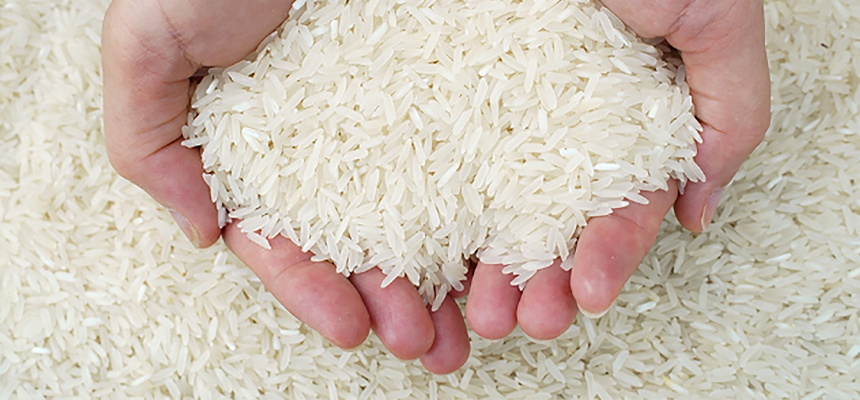
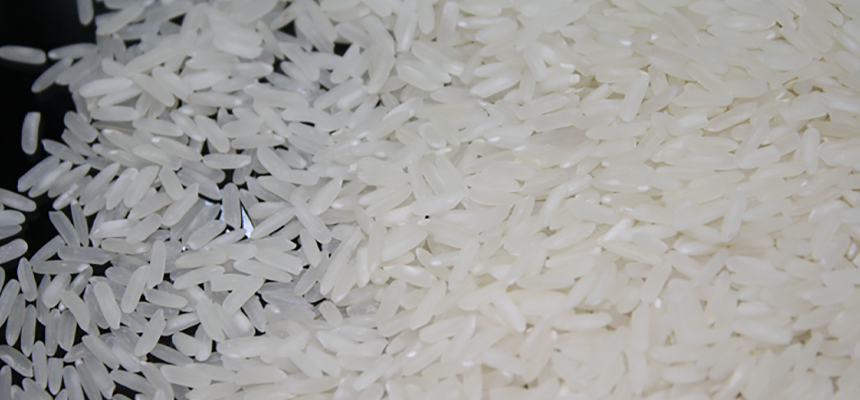
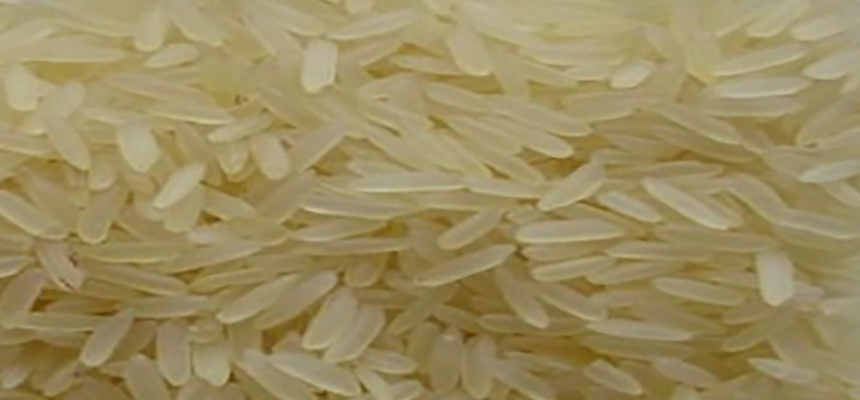
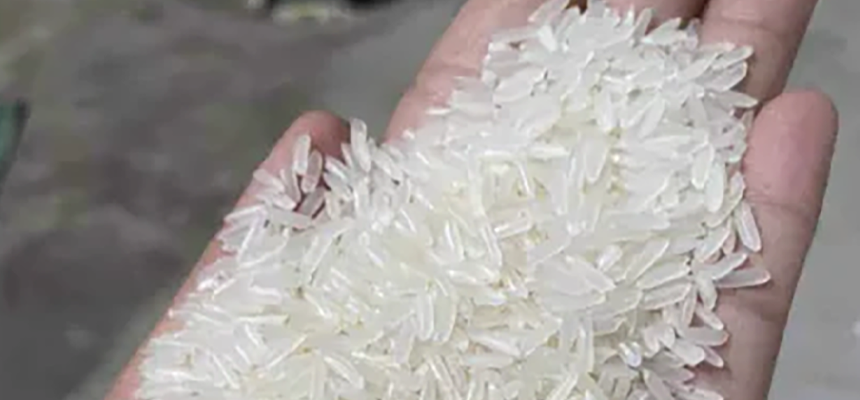
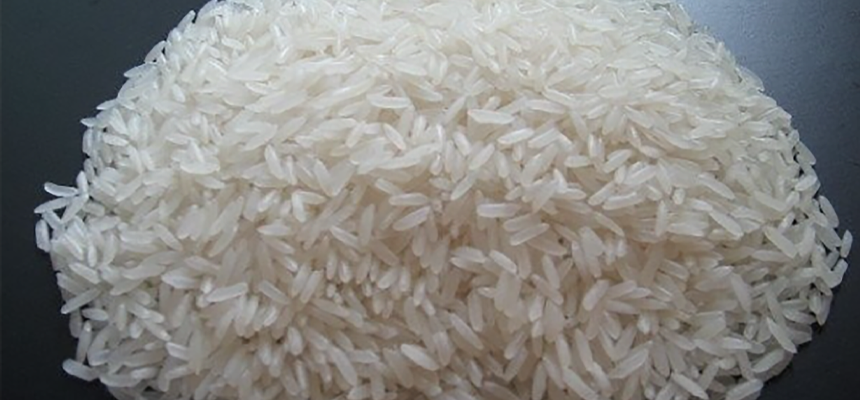
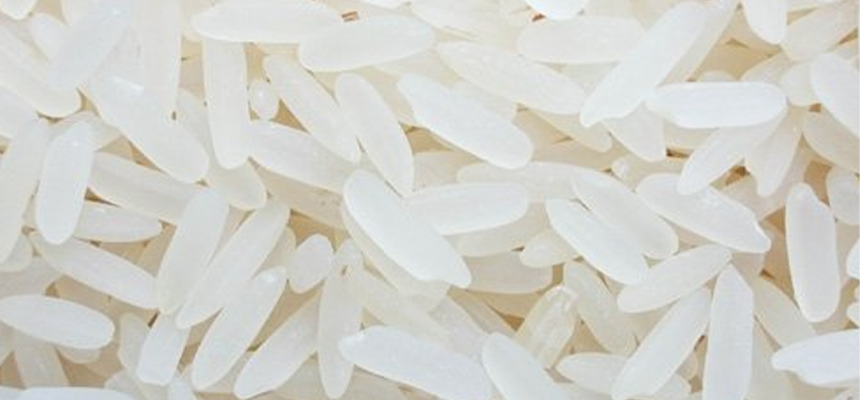
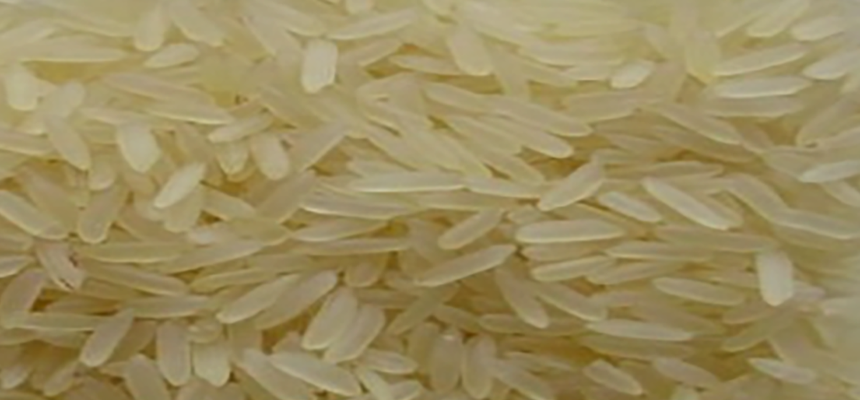
We sell Thai long grain parboiled rice in four grades. All are soaked and steamed in the husk, milled, polished and sorted. For a full breakdown of the top grade, see our guide to Thai parboiled rice 5% broken, 100% sortexed.
| Grade | Broken | Moisture | Sorting | Typical West African buyer |
|---|---|---|---|---|
| Parboiled 5% broken | 5% max | 14% max | 100% sortexed | Supermarkets, branded packs, premium market |
| Parboiled 15% broken | 15% max | 14% max | Sortexed | Wholesalers, caterers |
| Parboiled 25% broken | 25% max | 14% max | Sortexed | Price-sensitive markets, institutions |
| Parboiled 100% broken | All broken | 14% max | Cleaned | Processing, feed, brewing |
Other specs on all grades: purity 100%, admixture 0.1% max, light golden colour, up to 24 months shelf life in cool, dry storage.
Most of our parboiled rice import to West Africa is 5% broken for the branded and supermarket trade, and 15% or 25% broken for the open market. If you’re not sure which grade your buyers want, send us a photo of what’s selling in your market and we’ll match it.
Bags That Work in West African Markets
Bag choice matters more than new importers think. For parboiled rice import to West Africa, the bag is often what the trader remembers. Here’s what we usually pack.
| Bag | Where it sells |
|---|---|
| 50kg PP woven, printed | Main trade size in most West African markets |
| 25kg PP woven, printed | Growing fast with smaller traders and households |
| 10kg and 5kg printed PP or laminated | Supermarkets and family buyers |
| 1kg and 2kg printed packs | Supermarkets, convenience shops |
A strong, well printed bag with a clear brand name sells better in West African markets. Traders and shoppers remember the bag. We print private label bags with your brand, and we can add inner liners for extra protection on the long voyage.
Check your country’s labelling rules before you print. Some countries ask for importer details, the product registration number, net weight and origin on the bag. Tell us early so we can print it right the first time.
Main Ports We Ship To
For parboiled rice import to West Africa, these are the ports our buyers use most. We quote CFR or CIF to any of them, or FOB Thailand if you arrange your own freight.
| Country | Main ports |
|---|---|
| Nigeria | Lagos (Apapa, Tin Can Island), Lekki, Onne |
| Benin | Cotonou |
| Ghana | Tema, Takoradi |
| Togo | Lomé |
| Côte d’Ivoire | Abidjan, San Pedro |
| Senegal | Dakar |
| Guinea | Conakry |
| Sierra Leone | Freetown |
| Liberia | Monrovia |
| The Gambia | Banjul |
Landlocked markets like Mali, Burkina Faso and Niger are usually supplied through Dakar, Abidjan, Tema, Lomé or Cotonou, with the rice trucked inland. If that’s your route, tell us the transit port and the final destination so we can get the documents right.
Shipping Time and Container Loads
For parboiled rice import to West Africa, sea time from Thailand is usually about 30 to 45 days, depending on the port, the shipping line and whether the container is transshipped on the way. Add a week or two for booking and loading at our end.
A 20 foot container typically carries around 25 metric tons of rice in 50kg or 25kg bags. Most of our parboiled rice import to West Africa moves in 20 foot boxes. Bigger buyers sometimes go to 40 foot or break bulk for very large volumes, but that’s a different conversation.
Freight rates to West Africa move up and down more than most routes, so we confirm the freight part of a CIF price at the time of booking.
Documents for Parboiled Rice Import to West Africa
Every shipment we send carries the standard export set:
- Commercial invoice
- Packing list
- Bill of lading
- Certificate of origin
- Phytosanitary certificate
- Fumigation certificate
- Quality and weight certificate from an independent inspection company
On top of this, each West African country has its own import steps. These change from time to time, so always confirm with a licensed clearing agent in your country before you order. As a general idea:
Nigeria
Importers usually open a Form M through their bank before shipping, and packaged food products generally need registration with NAFDAC, Nigeria’s food and drug agency. Rice import rules and duties in Nigeria have changed several times in recent years, so check the current position with your agent and bank before you commit. Parboiled rice import to West Africa through Nigeria is big business, but it’s also the market where paperwork mistakes cost the most.
Benin and Togo
Cotonou and Lomé are busy rice ports, both for local use and for trade to neighbouring countries. Your clearing agent will handle customs and any inspection. If the rice is going on to another country, the documents need to show that from the start.
Ghana
Ghana is a mixed market. Parboiled sells, and so does fragrant rice. Importers generally need to register their product with the Ghana Food and Drugs Authority and meet labelling rules. Clearance at Tema runs through the national customs system.
Côte d’Ivoire, Senegal, Guinea and others
Each has its own process, but the core is the same: import permit or declaration, product compliance, customs clearance and payment of duties. The region’s common external tariff is set through ECOWAS, with national levies on top in some countries.
We can’t act as your customs broker, but we’ll provide any export document your agent asks for, as long as we’re told before loading.
Payment Terms
For parboiled rice import to West Africa, these are the terms we usually agree:
- Letter of credit. Irrevocable, from a bank we both accept. Safest for both sides on larger orders.
- Deposit and balance. A deposit by bank transfer, with the balance paid against scanned documents before we release the originals.
- Repeat buyers. Terms can be adjusted once we’ve done a few shipments together.
We don’t ship on open credit to new buyers, and you shouldn’t pay 100% up front to a supplier you’ve never dealt with either. A clear contract with an inspection clause protects both of us.
What Drives the Price
The price of parboiled rice import to West Africa landed at your port depends on:
- Paddy prices in Thailand at the time of order
- The baht against the dollar
- Grade and broken level
- Bag type and printing
- Freight to your port, which can move a lot
- Insurance, if you buy CIF
- Volume and how regularly you order
Duties, levies, port charges, clearing and trucking at your end come on top. When you work out your landed cost, include all of these, not just the FOB price. For more on how rice is priced per ton, see our guides on Thai 100% broken rice price per ton and Thai white rice 25% broken price per ton. The ICC Incoterms page explains FOB, CFR and CIF if you’re new to them.
Protecting Rice on the Voyage
Heat is the enemy in parboiled rice import to West Africa. The ports are hot and humid, and rice can sit a while before it’s cleared. We do a few things to protect it:
- Moisture checked at 14% or below before loading
- Fumigation before the container is sealed
- Good quality PP bags, with liners if you want them
- Container lined with kraft paper and moisture absorbers on request
- Loading supervised by an independent inspection company
At your end, clear it as quickly as you can and store it off the ground, in a dry, shaded warehouse. Parboiled rice holds up well, but no rice likes weeks in a hot container at the port.
Choosing a Clearing Agent
A good clearing agent is worth every naira, cedi or franc you pay them. For parboiled rice import to West Africa, the agent is the person who knows what customs wants this month, which inspection is needed, and how to avoid the rice sitting at the port. Look for an agent who:
- Is licensed and has handled rice or other food imports before
- Explains duties, levies and fees in writing before the ship arrives
- Checks your documents against the rules before we load, not after
- Answers the phone when the container lands
Share the agent’s contact with us. When our documents team and your agent talk directly before loading, parboiled rice import to West Africa goes a lot more smoothly.
Warehousing After Clearance
Once the rice is out of the port, how you store it decides how it sells. Keep bags on pallets, off the floor and away from walls. Keep the warehouse dry, shaded and aired. Stack bags in a way that lets you sell the oldest stock first. Check for insects every couple of weeks, and re-fumigate if you’ll be holding stock for months. Parboiled rice import to West Africa only pays if the rice leaves your warehouse in the same condition it arrived.
Mistakes New Importers Make
We’ve seen plenty of first-time parboiled rice import to West Africa go wrong. Almost always it comes down to one of these:
- Buying from a supplier they’ve never checked. Ask for company documents, a video of the stock, and pay against documents, not before.
- No spec in the contract. “Parboiled rice” isn’t a spec. Broken, moisture, sorting and crop year need to be written down.
- Printing bags before registration is done. If your registration number has to be on the bag, get it first.
- Ignoring local rules. Import rules in some West African countries change at short notice. Check with your agent before every order, not just the first one.
- Underestimating port costs. Demurrage and storage at a busy port add up fast. Have your clearing agent and money ready before the ship arrives.
- Buying too big too soon. One or two containers first, then build up once you know how the rice sells.
Selling Parboiled Rice Once It Lands
Getting the rice in is half the job of parboiled rice import to West Africa. Some things that help it move in West African markets:
- Brand the bag. Traders and families buy a name they trust. Keep the design the same from order to order.
- Keep the grade consistent. If one container is 5% and the next is 15%, your customers notice.
- Keep supply steady. Market traders switch suppliers when they run out.
- Price for the market. Know what the leading brands sell at in your area and pick your grade and bag to match.
- Work with caterers and food sellers. They buy every week and talk to other cooks.
Parboiled Rice or White Rice for West Africa?
Parboiled leads in most West African markets. White rice and fragrant rice have their own buyers too, especially in Ghana, Senegal and among some supermarket customers. If you’re not sure what to carry, read our comparison of parboiled rice vs white rice, or bring in a mixed container to test. We also sell Thai white rice 5% broken, 100% broken white rice and Thai jasmine rice.
Some buyers also ask about golden and white shades of parboiled rice. If that’s you, see golden sella vs white sella parboiled rice.
Why West African Importers Work With Us
- Parboiled rice import to West Africa is a regular route for us, not a one-off.
- Parboiled rice is one of our core lines, not a side product.
- We put the spec in writing and let an independent inspector check it.
- We send samples from real stock.
- We print private label bags for West African brands.
- We reply on WhatsApp, and we know how important timing is when a ship is due.
- We tell you straight if a price, date or spec isn’t possible.
You can read more about us, see our quality control steps, or check the rice standard we grade to.
Frequently Asked Questions
Which grade is most popular for parboiled rice import to West Africa?
5% broken for branded and supermarket packs, 15% and 25% broken for the open market. It varies by country and city.
Can you print my brand on the bags?
Yes. Send us your artwork and label details. We’ll send a proof before printing.
How long does shipping take?
For parboiled rice import to West Africa, it’s usually 30 to 45 days at sea, plus one to two weeks for loading at our end.
Do you sell CIF to Lagos, Cotonou and Tema?
Yes, and to the other ports used for parboiled rice import to West Africa. We can also sell FOB Thailand if you have your own freight.
Can I get a sample first?
Yes. We send samples by courier from the stock we’d load for you.
Do you only ship to West Africa?
No. West Africa is a big market for us, but we ship parboiled rice worldwide.
Start Your Parboiled Rice Import to West Africa
Send us the grade, tons, bag size, destination port, and whether you want FOB, CFR or CIF. We’ll reply with a quote, spec sheet and sample offer, usually within a day.
Email info@dethairice.com, WhatsApp +66 81 034 6390, or use our contact page. You can also browse all our products or read our FAQ.
3 thoughts on “Parboiled Rice Import to West Africa: Best Guide for Buyers”