


If you’re checking the Thai parboiled rice 25% broken price per ton, you’re most likely feeding a lot of people on a budget. Maybe you run a distribution business, a catering company, a school meals contract or a food factory. You want rice that cooks firm and doesn’t turn to mush, and you don’t want to pay for whole grain looks that nobody at the table will notice. We mill and export this grade from Thailand, and this page explains what you get and how we price it.
We won’t print a fixed price here. Rice prices change every week, and a number on a web page goes stale fast. What we’ll give you is the spec, the things that move the price, how this grade compares with our other parboiled rice, and a quick way to get a firm offer.
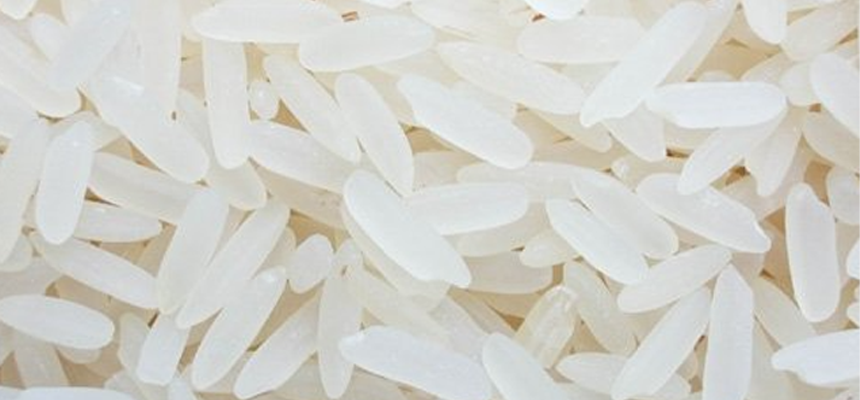
Table of Contents
Thai Parboiled Rice 25% Broken Price Per Ton: What the Grade Is
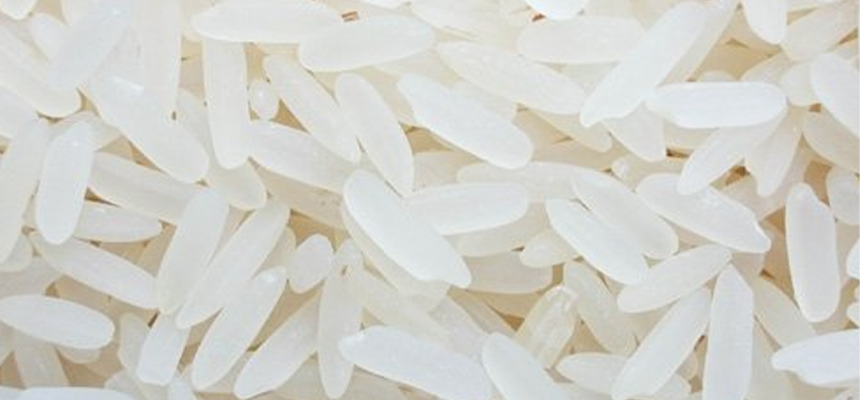
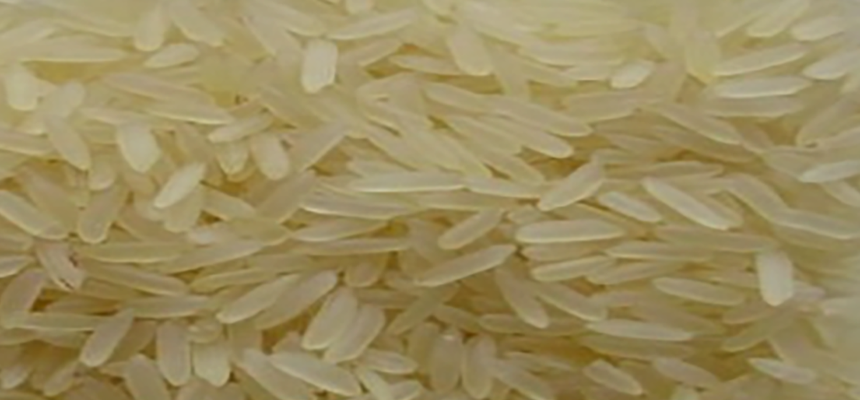
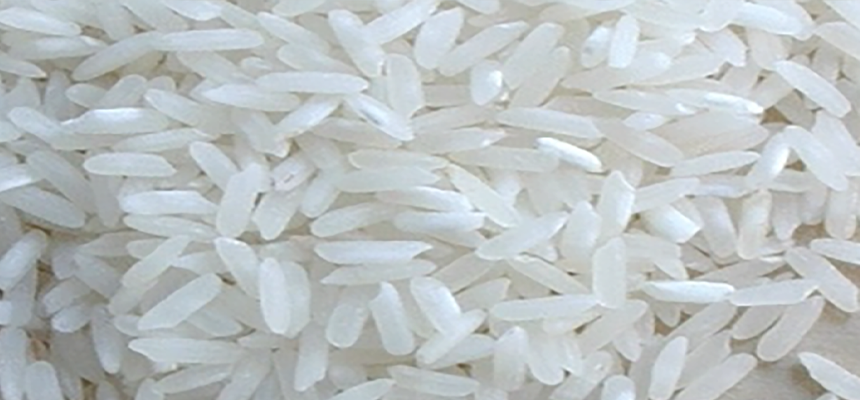
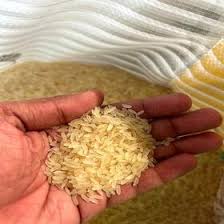
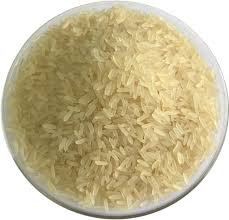
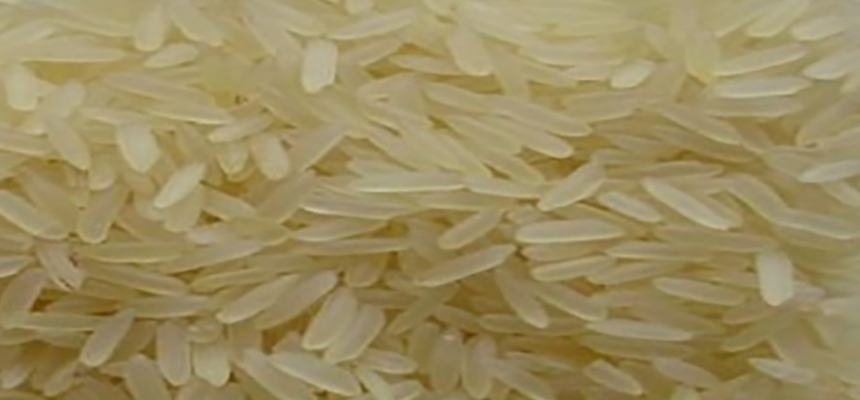
Parboiled rice is rice that’s soaked, steamed and dried while it’s still in the husk, before it’s milled. That process drives nutrients from the bran into the grain, hardens the starch and gives the rice its light golden color. You can read the basics of parboiled rice if you’re new to it. The result is a grain that stays separate and firm even when it’s cooked in big pots or held hot for hours.
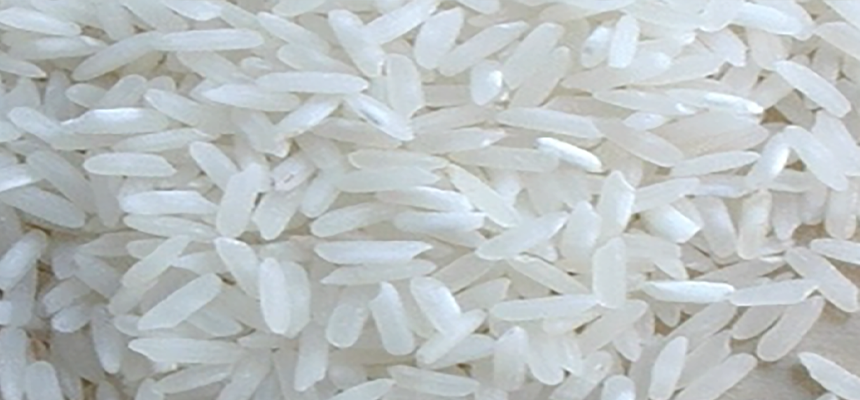
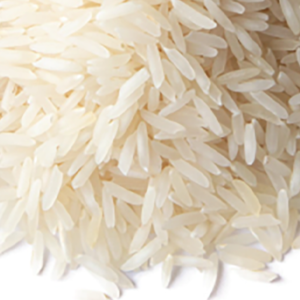
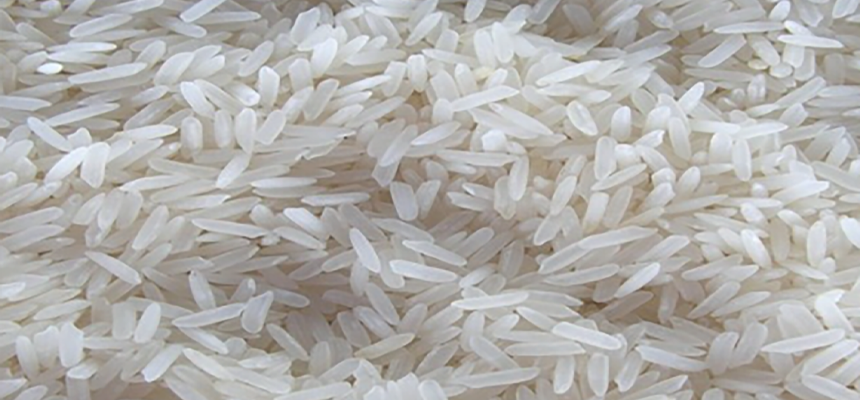
The 25% broken part just means up to a quarter of the grains in the bag can be broken pieces. The rest are whole. Because parboiling hardens the grain, the broken pieces still cook firm and don’t go sticky. That’s why the Thai parboiled rice 25% broken price per ton is such good value for bulk cooking. You get nearly the same result in the pot as a 5% grade, at a lower cost.
You can see the product on our Thai parboiled rice 25% broken product page. This article is about price, value and ordering.
Our Specification
This is the spec behind every Thai parboiled rice 25% broken price per ton we quote. Each lot is tested against it before packing.
| Item | Specification |
|---|---|
| Product | Thai long grain parboiled rice, 25% broken |
| Origin | Thailand |
| Broken grains | 25% maximum |
| Moisture | 14% maximum |
| Foreign matter | 0.5% maximum |
| Damaged and discolored grains | 2% maximum |
| Chalky grains | 6% maximum |
| Red and red-streaked grains | 2% maximum |
| Admixture | 5% maximum |
| Color | Light golden |
| Crop | Current season |
| Packing | 5kg, 10kg, 25kg, 50kg bags |
A certificate of analysis is available with your shipping documents. If your buyer or your government needs other numbers, tell us before you order and we’ll say honestly whether we can meet them.
What Moves the Thai Parboiled Rice 25% Broken Price Per Ton
There’s no single official number. The Thai Rice Exporters Association posts weekly FOB prices for the main Thai grades, including parboiled, and the FAO rice price update tracks export prices each month. Those are good places to see which way the market is heading.
Our quote starts from the market and then reflects your order. These are the things that push the Thai parboiled rice 25% broken price per ton up or down.
- Paddy prices. Harvest size, rain and farm support programs in Thailand.
- Parboiling costs. Energy and water for soaking, steaming and drying.
- The baht. A strong Thai currency makes rice dearer in dollars.
- Demand. Big tenders and import rushes firm up prices quickly.
- Other origins. India, Pakistan and others also sell parboiled rice, and Thai prices respond to theirs.
- Your order. Volume, bag size, bag type, shipping term and payment term.
Parboiling is the one cost white rice doesn’t carry. It uses energy, water and time. That’s why a parboiled grade usually costs a little more than the same broken level in white rice. But the Thai parboiled rice 25% broken price per ton is still one of the cheapest ways to buy Thai rice that cooks well.
How 25% Broken Compares With Our Other Parboiled Grades
We sell four parboiled grades. The more broken grains allowed, the lower the price.
| Grade | Broken grains | Best for | Relative price |
|---|---|---|---|
| Parboiled 5% broken | 5% max | Retail, premium shelves | Highest |
| Parboiled 15% broken | 15% max | Wholesale, restaurants | Medium |
| Parboiled 25% broken | 25% max | Catering, bulk, factories | Lower |
| Parboiled 100% broken | All broken | Processing, feed, flour | Lowest |
If you’re selling to shoppers who inspect the grain through a clear bag, 5% broken is worth the extra. Our guide to Thai parboiled rice 5% broken covers that grade. If the rice is going into a big pot, a factory line or an institutional kitchen, the Thai parboiled rice 25% broken price per ton gives you more rice for the same money.
A Simple Cost Example
Here’s a worked example. The figures are made up to show the maths. They are not quotes.
Say you run a catering company that cooks for schools and hospitals. You use 600 tons of parboiled rice a year. You’ve been buying 5% broken out of habit. If 25% broken costs about USD 25 less per ton, that’s USD 15,000 a year saved. And because parboiled rice cooks firm whether the grain is whole or broken, your cooks won’t notice much difference in the pot.
Now the other side. If you sell 5kg retail bags in a market where shoppers pick rice by how it looks, 25% broken might hurt sales. There, the cheaper Thai parboiled rice 25% broken price per ton could cost you more in lost customers than it saves. The trick is to buy the grade that fits where the rice ends up.
How It Cooks
This grade cooks just like our other parboiled rice. Use about 1 cup of rice to 2 cups of water and simmer for 20 to 25 minutes. It takes a little longer than white rice. The grains stay separate and firm, and they hold up well if you keep them hot on a buffet or in a food warmer.
The broken pieces don’t make the rice sticky. Parboiling sets the starch, so even the broken bits keep their shape. That’s the main reason cooks in large kitchens like it, and why the Thai parboiled rice 25% broken price per ton is such a popular choice for mass catering.
If you’re still deciding between white and parboiled rice, our post on parboiled rice vs white rice goes through the differences. We also have a guide to golden sella vs white sella parboiled rice if color matters in your market.
Nutrition in Plain Terms
Parboiling pushes some of the B vitamins and minerals from the bran into the center of the grain before milling. So parboiled rice keeps more of them than regular white rice. Breaking the grain doesn’t undo that. A 25% broken parboiled rice has the same nutrition as a 5% broken one. It’s still mainly carbohydrate, naturally gluten free and low in fat. Our post on parboiled rice health benefits explains more.
Who Buys This Grade
The buyers who ask us for the Thai parboiled rice 25% broken price per ton tend to be:
- Importers and distributors selling 25kg and 50kg bags into open markets
- Caterers and contract kitchens feeding schools, hospitals, camps and workplaces
- Food manufacturers making ready meals, rice mixes and canned foods
- Aid and relief buyers who need nutritious, filling rice at a sensible cost
- Wholesalers who want a lower price point next to their premium grades
Packing and Loading

We pack in 5kg, 10kg and 25kg bags for retail and small wholesale, and 50kg woven PP bags for bulk. Private label printing is available if you sell under your own brand. A 20 foot container takes about 25 metric tons of bagged rice. For big volumes, we can talk about break bulk vessels too.
Bag choice affects the Thai parboiled rice 25% broken price per ton. Plain PP bags are the cheapest. Printed BOPP or laminated bags cost more but look much better on a shelf and hold up better in rough handling.
Quality Control
Every lot goes through these checks at our mill.
- Cleaning to remove stones, dust and husk
- Controlled soaking, steaming and drying
- Milling and polishing
- Color sorting to take out black, red and damaged grains
- Grading to the 25% broken limit
- Moisture and purity tests
- Final inspection before the container is sealed
See our quality control page and our rice standard page for more on how we grade. Independent inspection at loading is welcome.
Shipping Terms and Comparing Quotes
A cheap Thai parboiled rice 25% broken price per ton on FOB isn’t cheap if the freight to your port is high. Always compare on the same term. The ICC’s Incoterms rules explain exactly who pays for what.
| Term | We cover | You cover |
|---|---|---|
| FOB | Rice, bags, export papers, loading at a Thai port | Freight, insurance, import duty |
| CFR (CNF) | FOB plus sea freight to your port | Insurance, import duty, clearing |
| CIF | CFR plus marine insurance | Import duty and clearing |
Payment Terms
We usually work with a TT deposit and balance against copy documents, or an irrevocable letter of credit at sight. For first orders, many buyers choose an LC because it protects both sides. Once trust is built, TT tends to be faster and cheaper, and that small saving can show up in your Thai parboiled rice 25% broken price per ton.
Export Documents
Every shipment comes with:
- Commercial invoice and packing list
- Bill of lading
- Certificate of origin
- Phytosanitary certificate
- Fumigation certificate
- Certificate of analysis or inspection certificate
- Other papers your country asks for
Tell us early if you need anything unusual. Some certificates take a few extra days.
Sizing Your First Order
If you’re new to this grade, don’t feel you have to jump straight into ten containers. One container is enough to test how the rice sells, how your cooks like it and how smoothly the paperwork runs at your port. We quote the Thai parboiled rice 25% broken price per ton for a single container just as happily as for a full vessel. The per-ton rate drops as volume grows, but a clean first shipment is worth more to both of us than squeezing out the last dollar.
Some buyers split their first container between two grades, say half 25% broken and half 15% broken, to see which one their customers prefer. That’s a smart way to find the right grade before you lock in a bigger Thai parboiled rice 25% broken price per ton for the year. Ask us and we’ll quote a mixed load.
Whatever you decide, keep a note of what you paid, what arrived and how it sold. After two or three shipments you’ll know exactly what Thai parboiled rice 25% broken price per ton works for your business, and you’ll negotiate from a much stronger position.
Mistakes to Avoid
Buying the wrong grade for the market. 25% broken is great for kitchens and factories. It’s not always right for retail shelves.
Comparing different terms. An FOB quote and a CIF quote aren’t the same thing.
Not asking for current crop. Old crop is cheaper for a reason. Put the crop year in the contract.
Skipping a sample. Cook it before you buy a container of it.
Poor storage. Keep bags on pallets in a dry, airy warehouse. Parboiled rice stores well, but damp still ruins it.
Storage and Shelf Life
Parboiled rice keeps better than most white rice because the process makes the grain harder and less attractive to insects. In a cool, dry warehouse, expect 18 to 24 months of good shelf life. Stack bags on pallets, keep them away from walls and first in, first out.
Cooking Yield: Why Parboiled Rice Goes Further
This part gets overlooked when people compare prices. Parboiled rice absorbs more water than regular white rice and swells more in the pot. One kilo of dry parboiled rice usually gives you a little more cooked rice than one kilo of white rice. In a small kitchen you’d never notice. In a kitchen cooking two tons a week, it adds up.
Parboiled rice also holds up better when it’s kept hot. White rice left in a warmer for three hours starts to go soft and clump. Parboiled rice stays loose. That means less waste at the end of a service, fewer complaints and less rice thrown away. When you work out the real cost per plate, the Thai parboiled rice 25% broken price per ton often beats cheaper white rice grades, even though the price per ton on paper looks a little higher.
One of our catering customers ran their own test before switching. They cooked the same weight of 25% broken white rice and 25% broken parboiled rice side by side, kept both in hot cabinets for a lunch service, and weighed what was left over. The parboiled rice wasted noticeably less. That test convinced their finance team faster than anything we could have said.
The Thai Crop Calendar and Your Buying Plan
Thailand harvests its main rice crop from around November to February and a second, irrigated crop in the middle of the year. After a big harvest, paddy is plentiful and prices often ease. Before the next crop, when stocks run down, prices tend to firm up. It’s not a rule that holds every year. Weather, export bans in other countries and big government tenders can all change the picture.
Still, buyers who plan their orders around the calendar usually get a better Thai parboiled rice 25% broken price per ton than buyers who wait until their warehouse is empty and have to buy at whatever the market says that week. If you know your yearly need, talk to us about spreading shipments across the year. That lets us book paddy at good moments and pass some of that saving to you.
Yearly Contracts vs Spot Orders
There are two ways to buy from us.
- Spot orders. You ask for a Thai parboiled rice 25% broken price per ton when you need rice, we quote the market that week, and you decide. Simple and flexible, but you ride every price move.
- Planned contracts. We agree the spec, bag and a rough monthly or quarterly volume for six or twelve months. Pricing can be fixed for part of the volume or reviewed each shipment. You get steadier supply and we can plan milling and parboiling capacity.
Most big caterers and distributors end up on some kind of plan. Smaller buyers often start with spot orders and move to a plan once they’re sure the rice works for them. Either way is fine with us.
Private Label Parboiled Rice
A lot of our parboiled rice leaves Thailand in bags printed with our buyers’ own brands. If you want to build a brand in your market, this is how it works.
- You send your artwork, bag sizes and the wording you want on the bag
- We check that the label matches the rice spec and basic labelling needs
- We print the bags, usually in BOPP or laminated material for retail
- We pack your rice into your bags and ship with the usual documents
First orders with new artwork take longer, because the bag printers need time to make plates and print. Repeat orders are faster. Printed bags do add a little to the Thai parboiled rice 25% broken price per ton, but for retail and branded wholesale they usually pay for themselves on the shelf.
What Happens After You Order
If this is your first time buying rice from Thailand, here’s the usual order flow with us.
- You send an enquiry with quantity, bag, port and shipping term.
- We send an offer with the Thai parboiled rice 25% broken price per ton, the spec and how long the price holds.
- You check a sample if you want one.
- We sign a contract covering spec, price, packing, payment and shipment date.
- You pay the deposit or open the LC.
- We parboil, mill, sort and pack your rice.
- Inspection by our team, plus SGS or another inspector if you like.
- We load and send documents, including the bill of lading and certificates.
- Your clearing agent collects the rice when the ship arrives.
From payment to loading usually takes 15 to 30 days, depending on bag printing and ship space. Sea time depends on where you are. We’ll give you a realistic date up front, not a hopeful one.
Why Buy From Us
We’ve been in the Thai rice trade since the 1980s, with milling close to the main export ports. Here’s what that gives you.
- We parboil and mill ourselves, so we control quality from paddy to bag
- We quote on a written spec and test every lot
- We handle export documents and ship bookings
- We take trial orders as well as full containers and bulk vessels
- We’ll tell you if another grade would suit you better
Learn more on our about us page, see our full range on the products page and check our FAQ for ordering questions. If you also buy white rice, see our guide on the Thai white rice 5% broken price per ton.
How to Get Your Thai Parboiled Rice 25% Broken Price Per Ton Quote
Send us these details and we’ll come back with a firm Thai parboiled rice 25% broken price per ton for your order.
- Quantity per shipment and per year
- Bag size, bag type and whether you need private label
- Destination port and country
- Shipping term: FOB, CFR or CIF
- Payment terms
- Any certificates or tests your market requires
Email info@dethairice.com, message us on WhatsApp at +66 81 034 6390, or use our contact page. We usually reply within one working day.
Common Questions About Thai Parboiled Rice 25% Broken Price Per Ton
What is the Thai parboiled rice 25% broken price per ton right now?
It changes weekly. Send us your quantity, port and shipping term and we’ll quote a current price.
Does 25% broken parboiled rice cook differently from 5% broken?
Not much. Parboiling keeps both firm and separate. The difference is mainly how the dry rice looks.
Is it less nutritious?
No. Broken grains have the same nutrition as whole grains.
What’s the minimum order?
Trial orders are welcome. Full containers get a better Thai parboiled rice 25% broken price per ton.
Can I get a sample?
Yes, samples are available before you order.
Do you ship worldwide?
Yes. We export to buyers all over the world on FOB, CFR and CIF terms.
Request Your Thai Parboiled Rice 25% Broken Price Per Ton Offer
If this grade fits your kitchen, factory or market, send us your details today. We’ll reply with a firm Thai parboiled rice 25% broken price per ton, a sample if you want one, and an honest shipping date.
6 thoughts on “Thai Parboiled Rice 25% Broken Price Per Ton: Best Deal”
Comments are closed.