


Malaysia eats a lot of rice and grows only part of it. The rest comes in by sea, and a good share of that has always come from Thailand. If you’re one of the Thai white rice importers Malaysia relies on, or you’re trying to become one, this page is written for you. It’s our offer as a miller, with the grades, the bags, the paperwork and how we ship to Port Klang, Penang, Pasir Gudang and East Malaysia.
We’re De Thai Products 1989 Company Limited, a rice miller and exporter in Chachoengsao, Thailand, a few hours by truck from Laem Chabang port. We mill and pack our own rice, including white rice from 5% to 100% broken, fragrant rice and parboiled rice, and we ship worldwide.
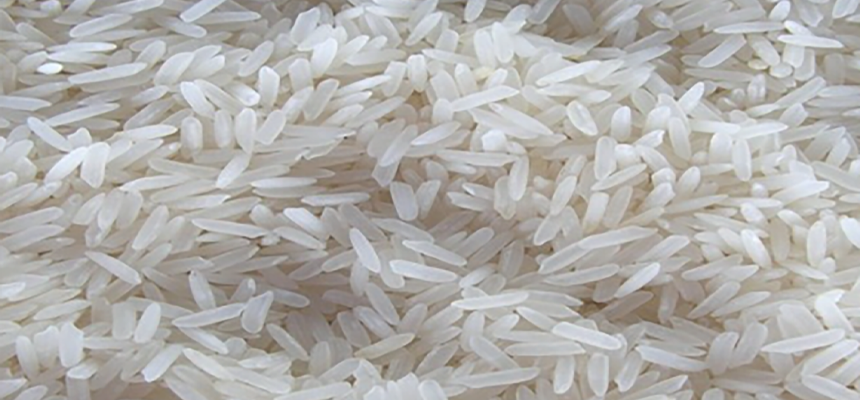
Table of Contents
Why Thai White Rice Importers Malaysia Buyers Keep Coming Back to Thailand
There are three practical reasons, and none of them are complicated.
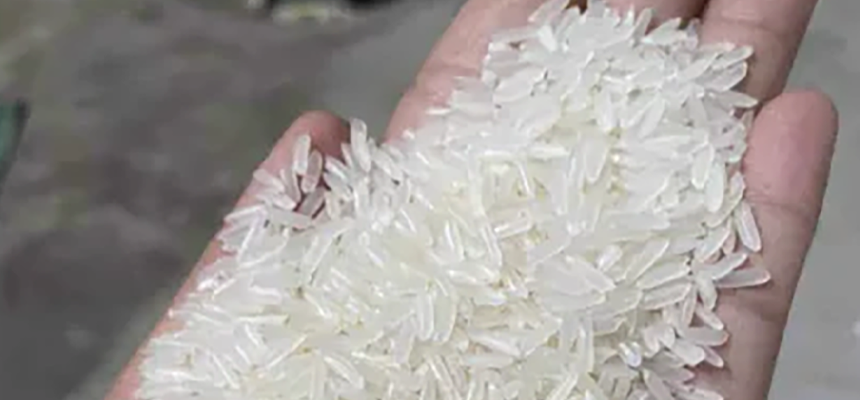
First, distance. A container from Laem Chabang usually reaches Port Klang in about a week. That’s short enough that you can run lean stock and still keep shelves full. Second, taste. Malaysian households are used to Thai long grain rice. It cooks white, soft and separate, which is what people expect with nasi lemak, nasi campur or a plain plate of rice with curry. Third, the system works. Thai mills, surveyors, fumigators and shipping lines have been moving rice to Malaysia for decades. The paperwork is familiar on both sides.
That’s why most Thai white rice importers Malaysia has today stick with Thai origin for at least part of their range, even when Vietnamese or Pakistani rice is cheaper on paper.
What We Sell to Malaysian Importers
| Grade | Typical use in Malaysia |
|---|---|
| White rice 5% broken | Premium white rice for supermarkets and restaurants |
| White rice 10% broken | Mid-range retail packs and food service |
| White rice 15% broken | Value packs, close to local standard white rice |
| White rice 25% broken | Budget rice, institutional kitchens |
| 100% broken rice | Rice flour, noodles, snacks, kuih makers |
| Thai Hom Mali and jasmine rice | Fragrant rice segment |
| Glutinous rice | Pulut for desserts and festive cooking |
Most Thai white rice importers Malaysia side buy a mix. A white rice line for volume, a fragrant line for margin, and glutinous rice in the months before Hari Raya and Chinese New Year.
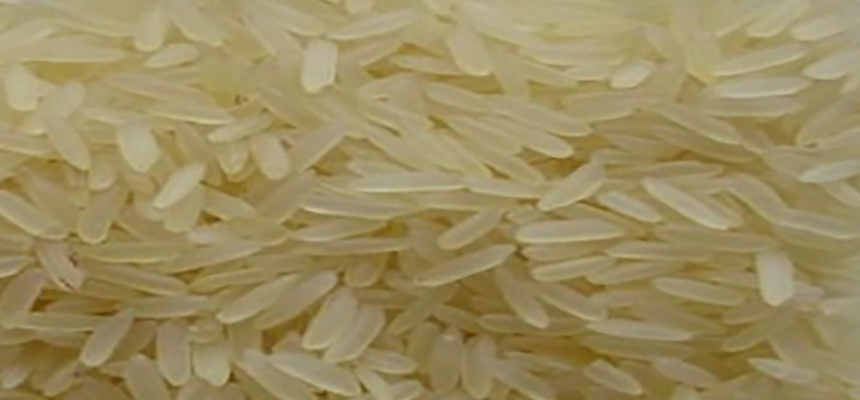
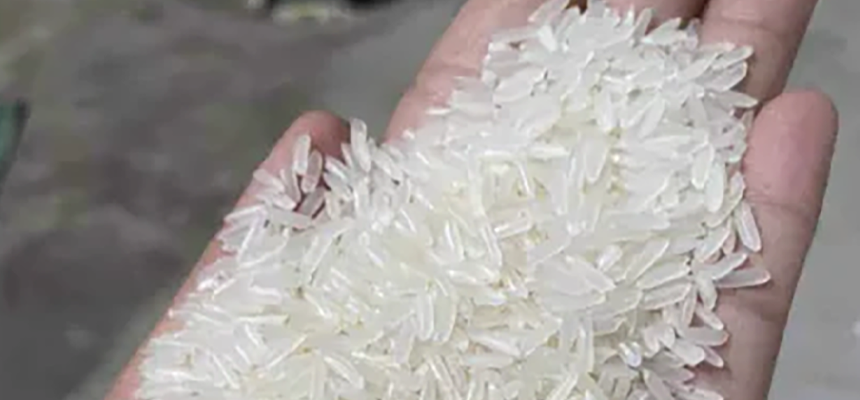
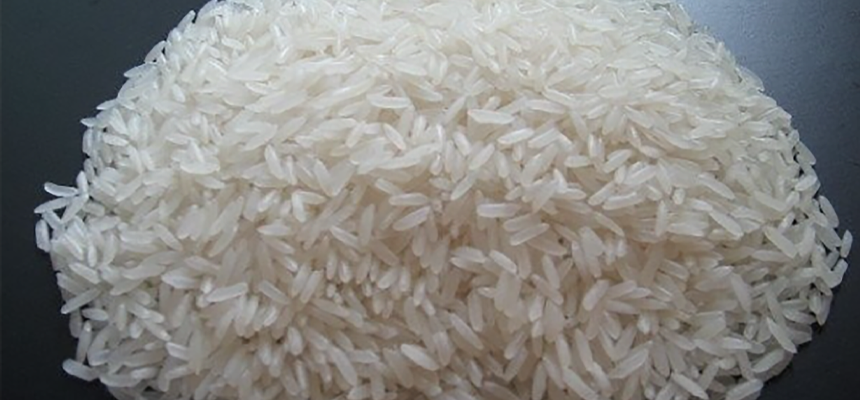
Specification of Our Thai White Rice 5% Broken
This is the grade most Thai white rice importers Malaysia side start with when they first buy from us.
| Item | Standard |
|---|---|
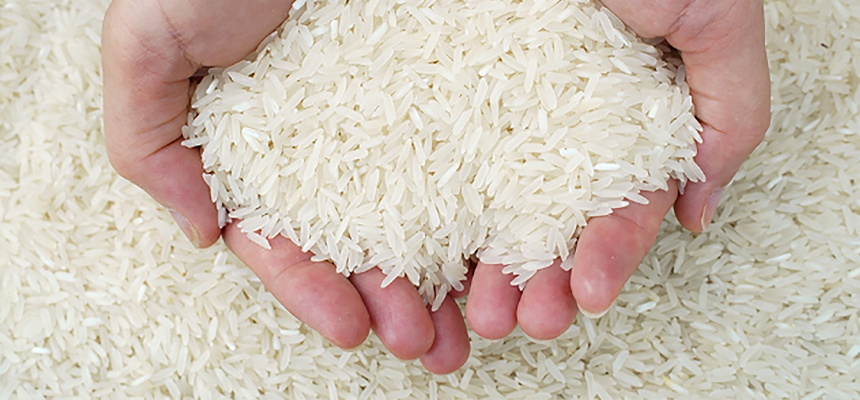
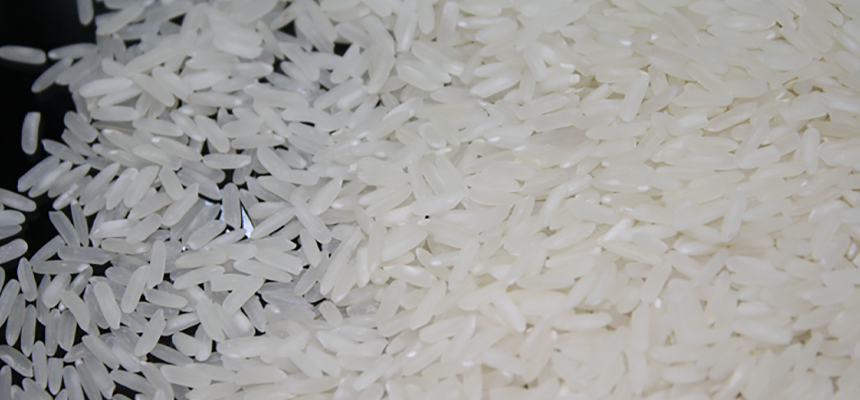
| Grain | Long grain, Thai origin, current crop |
| Broken grains | 5% maximum |
| Moisture | 14% maximum |
| Purity | 95% minimum |
| Foreign matter | 0.1% maximum |
| Damaged grains | 1% maximum |
| Discoloured grains | 1% maximum |
| Chalky grains | 2% maximum |
| Milling | Well milled, double polished, colour sorted |
| Packing | 5kg, 10kg, 25kg or 50kg bags |
| Shelf life | Up to 24 months stored properly |
If your contract or your licence conditions need tighter numbers, we’ll quote to your spec. Our rice standard page explains how Thai grades are measured.
Bags and Packs for the Malaysian Market
For Thai white rice importers Malaysia retail is mostly a 5kg and 10kg bag business. Wholesalers and restaurants take 25kg and 50kg. We pack all of them.
- 5kg and 10kg printed laminated bags for supermarkets, with handles if you want them
- 25kg PP woven or laminated bags for wholesale and food service
- 50kg PP woven bags for institutional buyers and repackers
- Bahasa Malaysia and English printing, your brand, your importer details
- Halal logo printed where your certification allows it
Most Thai white rice importers Malaysia buyers we deal with sell under their own label. You send the artwork. We prepare a proof. Once you approve it, we print. First runs of printed bags take a bit longer. Repeat runs are quick.
Import Rules: What Thai White Rice Importers Malaysia Must Sort Out
Rice isn’t a free-for-all product in Malaysia. It’s a controlled food, and import rights have long been tied to licensing, with BERNAS playing a central role in imported rice for years. Rules do change, so check the current position before you sign anything. We’d rather you confirm it with the authorities than take our word for it.
The practical points we see Thai white rice importers Malaysia side deal with on every shipment:
- An import permit or the right licence for the rice you’re bringing in
- Plant quarantine and food inspection at entry, handled by MAQIS
- Labelling that matches Malaysian food regulations
- Halal certification that Malaysian authorities recognise. You can check recognised foreign bodies on the JAKIM halal portal
- ASEAN Form D certificate of origin, so you get the ASEAN tariff treatment
We supply everything on our side. You or your agent handle the Malaysian side. If you’re new to rice imports generally, read how to import rice from Thailand first.
Halal
This question comes up with almost every Malaysian buyer, so here’s the straight answer. Plain milled rice is a halal product by nature. What Malaysian buyers and authorities care about is the certificate and the handling. We supply a halal certificate from a Thai body on request, and we keep rice away from anything that would compromise it. See our page on being a halal certified rice supplier for the details.
If you need the halal logo printed on the bag, tell us early, because the certificate and the printed bag have to match.
Shipping to Malaysian Ports
| Port | Approx. transit from Laem Chabang |
|---|---|
| Port Klang | 5 to 8 days |
| Penang | 5 to 9 days |
| Pasir Gudang / Johor | 5 to 9 days |
| Kuching | 8 to 14 days, often via transhipment |
| Kota Kinabalu | 8 to 14 days, often via transhipment |
These are rough. Lines change their rotations and East Malaysia often goes via Port Klang or Singapore. We confirm before you sign.
A 20ft container takes about 25 tons: 500 bags of 50kg, 1,000 bags of 25kg, or around 2,400 to 2,500 bags of 10kg. Our page on how many tons fit in a 20ft container has the full numbers.
Minimum Order
One 20ft container. You can mix grades and bag sizes inside that one box, which suits smaller Thai white rice importers Malaysia has, especially distributors outside the Klang Valley who don’t want to sit on a full container of a single item. See our minimum order quantity page.
Pricing
We don’t put fixed prices online. Rice moves with paddy supply, the baht and ringgit against the dollar, export policy in other origins, and freight. A quote is only good for a few days.
What we can tell you is what changes your price:
- Grade. 5% costs more than 15%, which costs more than 25%.
- Bag. Printed 5kg packs cost more per ton than plain 50kg bags.
- Terms. FOB Laem Chabang or CFR Port Klang.
- Volume and how regularly you order.
The Thai Rice Exporters Association posts weekly reference prices for Thai grades if you want to follow the market. Our own explainers: Thai white rice 5% broken price per ton and FOB vs CIF rice price.
Documents
- Commercial invoice and packing list
- Bill of lading
- ASEAN Form D certificate of origin
- Phytosanitary certificate
- Fumigation certificate
- Quality, weight and packing certificate from an independent surveyor
- Halal certificate and health certificate on request
- Non-GMO declaration on request
Thai white rice importers Malaysia based should tell us what the permit or the buyer needs before the contract. It’s much easier to get the paperwork right first time than to fix it with a container sitting at Port Klang.
How an Order Works
- You send grade, tonnage, bags, port and terms.
- We send a dated offer and samples.
- You cook and test.
- We agree a contract with the spec written in.
- Deposit or LC is arranged.
- We mill, pack, inspect and load.
- Documents go to you or your bank, usually before the ship arrives.
Plain bags can load two to three weeks after contract. Printed retail bags add time on the first order.
Payment Terms
New buyers usually pay a deposit by bank transfer and the balance against copy documents, or open an LC at sight. Repeat buyers can discuss other options. Be careful with anyone asking for full payment before you’ve ever traded. Thai white rice importers Malaysia wide get approached by fake sellers every year, and the pattern is always the same: low price, urgency, money first.
7 Proven Tips for Thai White Rice Importers Malaysia Based
1. Check your licence position before you negotiate
There’s no point fixing a price on rice you can’t legally bring in. Sort out the permit side first.
2. Match the grade to your shelf
Malaysian shoppers compare by look. If your bag sits next to a brand with very few brokens, a 25% broken rice will look poor even if it cooks well.
3. Cook it the Malaysian way
Test the sample in a rice cooker, the way your customers will. Then leave it on keep-warm for a few hours and see how it holds.
4. Get the halal paperwork matched to the bag
Certificate, bag print and product name should all agree.
5. Use Form D every time
It’s free money in tariff terms. Make sure the shipper names and HS code match your import entry.
6. Plan around festive seasons
Demand for glutinous rice and fragrant rice jumps before Hari Raya, Chinese New Year and Deepavali. Book early.
7. Start small, then scale
One or two containers first. Once you trust the chain, move to a monthly programme.
Mistakes We See
The usual one is buying on price alone and ending up with old-crop rice that smells flat. Another is printing Malay text without checking it with someone who reads it daily. We’ve seen bags printed with spelling that made the brand look foreign in a bad way. And some Thai white rice importers Malaysia side forget East Malaysia transit times when they promise delivery dates to customers in Sabah or Sarawak.
Thai Rice Compared With Other Origins in Malaysia
Vietnam ships a lot of rice to Malaysia and it’s often cheaper. Pakistan and India supply long grain and basmati. Cambodia and Myanmar come and go. Thai rice holds its place because the grain is consistent, the fragrant varieties have a strong reputation, and Malaysian consumers know it. For many Thai white rice importers Malaysia origin choice isn’t either-or. They keep Thai rice as the trusted line and use cheaper origins for price-driven packs.
Our Quality Control
Every lot we ship to Thai white rice importers Malaysia wide is tested for moisture, brokens, chalky, damaged and discoloured grains and foreign matter before packing. The rice goes through cleaning, de-stoning, polishing and colour sorting. We keep retained samples from each shipment. You can read the process on our quality control page.
Storage in a Humid Climate
Malaysia is hot and humid most of the year, so storage matters.
- Keep bags on pallets, off the floor, away from walls
- Ventilate the warehouse and keep the roof sound
- Don’t store rice near fertiliser, fuel or strong-smelling goods
- Rotate stock, first in first out
- Fumigate regularly against weevils
For retail packs, ask us about laminated bags. They hold up better than plain woven bags in humid stores.
Retail, Food Service and Processing: Three Different Buyers
When we talk to Thai white rice importers Malaysia side, the first thing we ask is who ends up eating the rice. The answer changes nearly everything about the order.
Retail buyers care about the bag on the shelf. The rice has to look white and even through the window of a laminated pack, and the brand has to look like it belongs next to the big names in a hypermarket. They usually want 5% or 10% broken in 5kg and 10kg bags, and they want the same look every single shipment.
Food service buyers care about yield and holding. A mamak stall or a hotel kitchen cooks rice early and keeps it warm for hours. They want rice that doesn’t dry out or go sticky in the warmer. Price per cooked plate matters more to them than how the raw grain looks, so 10% to 25% broken in 25kg or 50kg bags is common.
Processors buy for a recipe. A rice flour mill, a noodle factory or a kuih maker usually wants 100% broken rice or a high-broken grade, because they’re grinding it anyway and whole grains would just cost more. Moisture and cleanliness matter a lot to them. Grain length doesn’t.
We ship to all three. Many Thai white rice importers Malaysia has actually serve two or even three of these groups out of one warehouse, which is another reason mixed containers are so useful.
Sabah and Sarawak
East Malaysia is its own story. Shipping usually goes through Port Klang or Singapore, so transit is longer and freight is higher per ton. Distributors there often take smaller, more frequent mixed loads, and bag strength matters more because rice gets handled more times before it reaches the shop.
If you’re one of the Thai white rice importers Malaysia’s eastern states depend on, tell us the final destination, not just the port. We’ll suggest stronger bags or liners where it makes sense, and we’ll check the routing with the line before you commit to delivery dates with your own customers.
Working With Agents and Forwarders
Plenty of Thai white rice importers Malaysia wide use a clearing agent at the port and a forwarder for freight. That’s normal and it works well. A few practical points:
- Give us your agent’s contact early so documents go to the right person
- Agree whether we book freight (CFR) or your forwarder does (FOB)
- Make sure the consignee name on the bill of lading matches your permit exactly
- Send us the HS code your agent will declare, so our invoice matches
Small mismatches between the invoice, the bill of lading and the permit cause most of the delays we see at Malaysian ports. They’re easy to avoid if everyone talks before loading instead of after.
Checking a Thai Supplier Before You Pay
We’d encourage every buyer to check us properly. Ask for the mill address and visit it, or ask for a live video call walking through the plant. Ask for our company registration and export licence. Ask for references from other buyers. Ask for a sample with a matching sealed retained sample at the mill. And use an independent surveyor at loading.
A genuine mill will be fine with all of that. Thai white rice importers Malaysia based who skip these steps are the ones who end up in the stories about containers that never shipped.
What Malaysian Buyers Ask Us Most
The questions we get from Thai white rice importers Malaysia side come up so often we can almost recite them. Can you match the rice I’m buying now? Usually yes, if you send us a sample of it. Can you hold a price for a month? Sometimes, depending on the market and the volume. Can you do a small trial in my own bag? Yes, though a printed bag run has a minimum, so the first order often uses a plain bag with a sticker or a short print run. Can you load faster before a festival? If we know early enough, yes. That last one is the real point: tell us your season before it arrives and we can plan milling and bags around it.
A Buyer Example
A distributor in the north of Peninsular Malaysia came to us wanting a 10kg private label white rice for small grocers. He started with half a container of 5% broken and half of 15% broken, both in his own bag. The 15% sold faster in rural shops, the 5% did better in town. After three months he dropped the 5% to a quarter and added glutinous rice before Hari Raya. Nothing clever, just watching what moved and adjusting. That’s how most Thai white rice importers Malaysia wide build a range that works.
Building a Steady Supply Programme
If you’re selling every week, set a monthly volume with us. We plan milling and bag printing around it, and you stop chasing spot offers every time stock runs low. Agree how often the price is reviewed. Some buyers fix monthly, some quarterly. For Thai white rice importers Malaysia located, a steady programme with a nearby origin is one of the simplest ways to protect margin.
A Note on Glutinous and Fragrant Rice
White rice pays the bills, but many Thai white rice importers Malaysia has also make good money on the smaller lines. Glutinous rice sells hard in the weeks before festivals, for lemang, ketupat pulut and desserts. Fragrant rice sells to shoppers who’ll pay more for a bag that smells like home cooking. If you add even a few hundred bags of these to a white rice container, you get a better average margin without much extra risk. We pack both in the same bag sizes as our white rice, under your label.
Frequently Asked Questions
Do you supply Thai white rice importers in Malaysia directly?
Yes. We sell directly from our mill to licensed importers and their agents.
Can you print our bags in Bahasa Malaysia?
Yes, in Bahasa Malaysia, English, Chinese or a mix.
Do you supply halal certificates?
Yes, on request, from a Thai certification body.
Can I mix grades in one container?
Yes. Many Malaysian buyers do.
How long does shipping take to Port Klang?
Usually about a week from Laem Chabang.
Can I visit the mill?
Yes. Chachoengsao is easy to reach from Bangkok. Video tours are fine too.
Work With a Mill That Ships to Thai White Rice Importers Malaysia Wide
Send us the grade, quantity, bag size and port. We’ll send a dated offer and arrange samples. You can also see our full product list, our brands, who we are, or read related pages like Thai white rice 5% broken exporter and white rice 5% broken 50kg bag supplier.
De Thai Products 1989 Company Limited. Email info@dethairice.com, WhatsApp +66 81 034 6390, or use our contact page.
One thought on “Thai White Rice Importers Malaysia: Trusted Mill Supply and 7 Proven Tips”