


Twenty-five years ago, sushi in most American towns meant one Japanese restaurant and a few nervous first-timers. Now it’s in supermarkets, airports, college dining halls, gas station fridges, poke shops and all-you-can-eat buffets. Every one of those places goes through rice, and a lot of it. Sushi rice demand in US restaurants has grown steadily for years, and the people buying it are fussier than most rice buyers we deal with.
We’re De Thai Products 1989 Company Limited, a rice miller and exporter in Thailand. We sell short grain Japonica sushi rice and medium grain Calrose-type rice in bulk and retail bags to restaurant distributors, Asian food importers, sushi chains and food manufacturers. We ship worldwide, including to US ports on both coasts. This page looks at where sushi rice demand in US restaurants comes from, what chefs actually want, the specs we sell, and how to order.
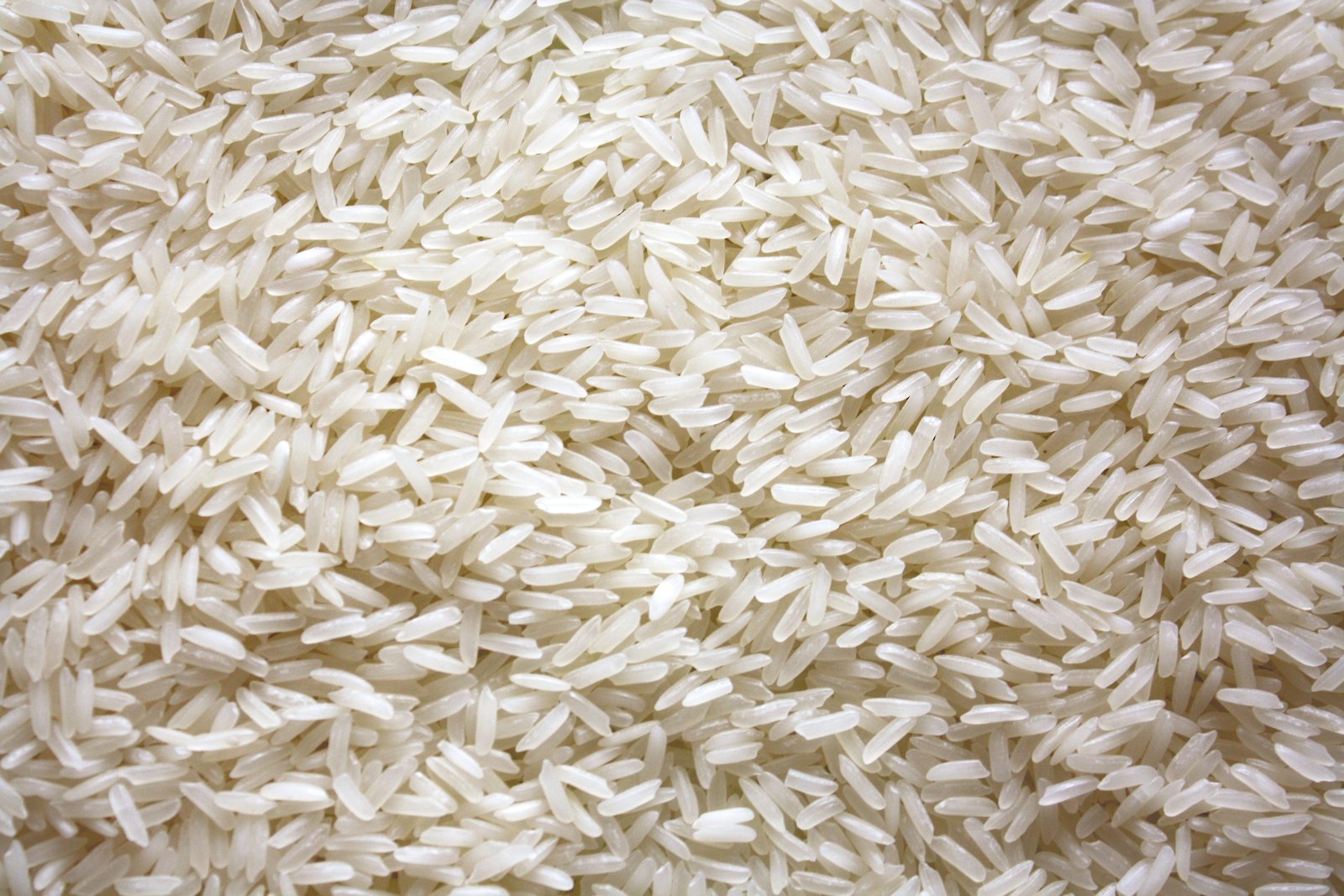
Table of Contents
Where Sushi Rice Demand in US Restaurants Comes From
A few things drive it.
Sushi went mainstream. It’s no longer special-occasion food. People eat it for lunch on a Tuesday. Supermarket sushi counters and grab-and-go cases sell huge volumes, and they all need consistent rice.
Poke and rice bowls. Poke shops spread across the country over the last decade. Most use sushi rice as the base, sometimes alongside brown rice. That alone added a lot of new buyers.
All-you-can-eat and conveyor sushi. These places run on volume. They cook rice all day, and the rice has to hold up in a warmer for hours without going hard or mushy.
Japanese casual dining. Ramen shops, izakayas, donburi counters and onigiri shops all serve short grain rice.
Home cooking. People who eat sushi out start making it at home, which pushes up retail sales of sushi rice in Asian grocery stores and supermarkets too.
Put together, sushi rice demand in US restaurants is no longer a niche. It’s a steady, high-volume business with buyers who care a lot about quality.
What Is Sushi Rice?
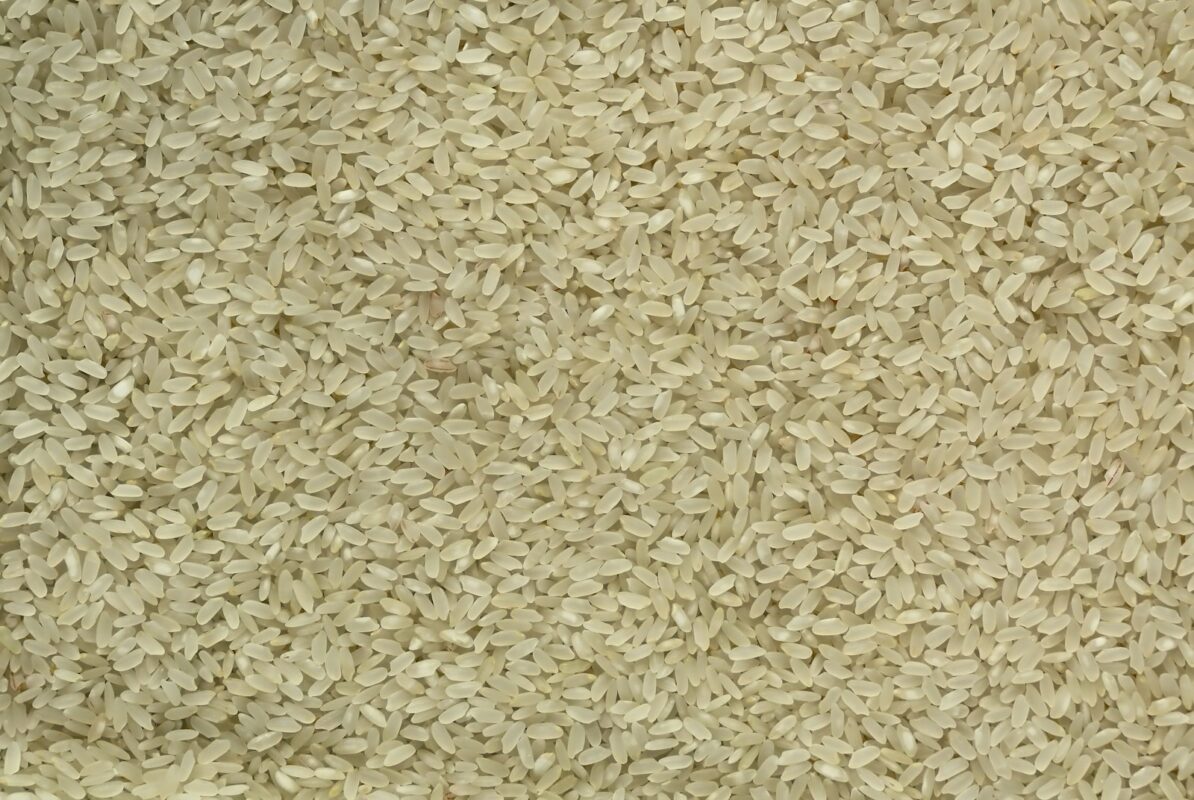
Sushi rice is short grain Japonica rice, the type grown across Japan and Korea. It has round, plump grains that cook up glossy, slightly sweet and sticky, so they hold together when pressed into nigiri or rolled into maki, but each grain stays whole. That stickiness comes from the starch: Japonica rice is high in amylopectin and low in amylose. If you want general background on sushi itself, the sushi article on Wikipedia is a good read.
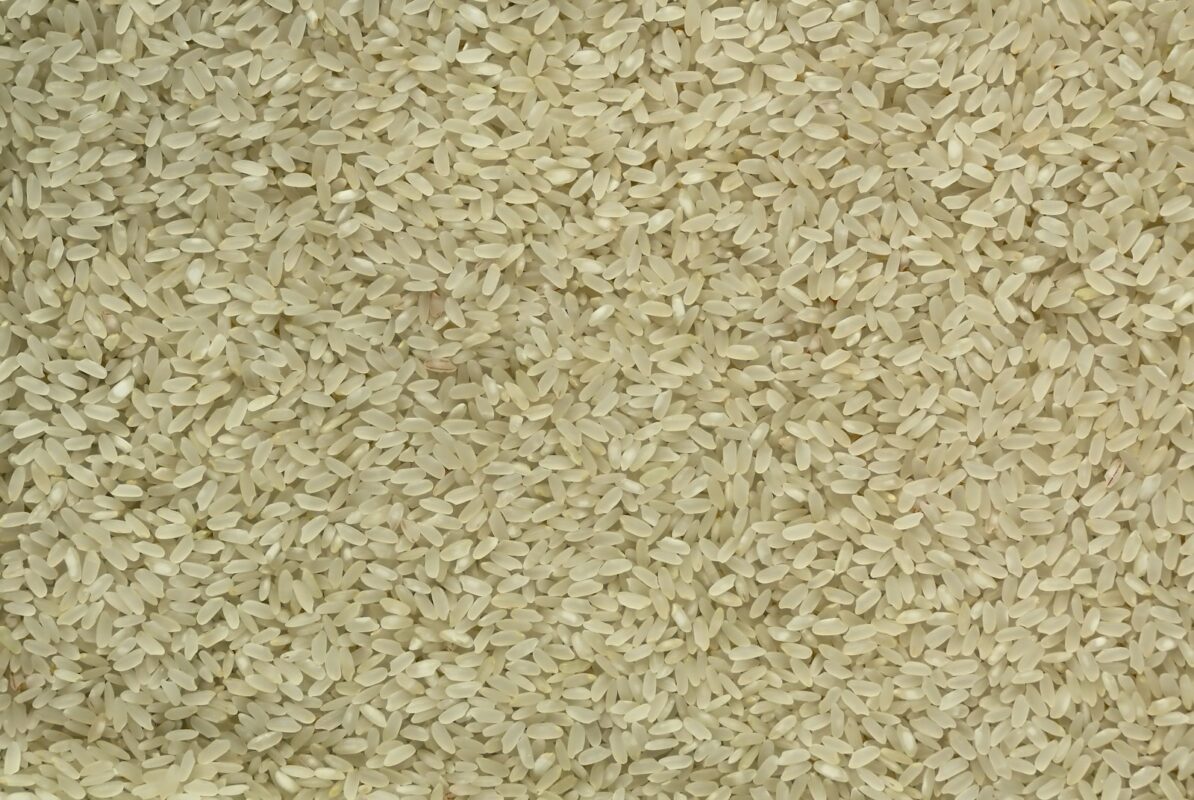
In the US, many restaurants also use medium grain Calrose, which was developed in California. It’s a little less sticky and less sweet than premium short grain, but it’s reliable, cheaper and widely available. A lot of sushi rice demand in US restaurants is actually met with Calrose, especially at the high-volume end.
What We Sell
- Sushi rice. Short grain Japonica, round and glossy. For nigiri, maki, onigiri and premium bowls.
- Medium grain and Calrose rice. Plump, soft, slightly sticky. The workhorse for volume sushi, poke and food service.
- Thai-grown Japonica. A good option for buyers who want Japonica quality at a lower price. See Thai Japonica rice supplier.
Origin and variety are confirmed on each quotation, so you know exactly what you’re buying. Our full range is on the products page.
Sushi Rice Specifications
Specs come first. These are the specs we normally contract for buyers supplying sushi rice demand in US restaurants. Final numbers are agreed per contract.
| Item | Short Grain Sushi Rice | Medium Grain / Calrose Type |
|---|---|---|
| Grain | Short, round, glossy Japonica | Medium, plump |
| Purity | 95% min | 95% min |
| Moisture | 15% max | 14 to 15% max |
| Broken grains | 3% to 5% depending on grade | 4% to 7% depending on grade |
| Chalky and damaged grains | Limited according to grade | Limited according to grade |
| Foreign matter | 0.5% max | 0.5% max |
| Crop | Current season | Current season |
| Shelf life | About 12 months, cool and dry | About 12 months, cool and dry |
| Packing | 1, 5, 10, 25 and 50 kg | 1, 5, 10, 25 and 50 kg |
A certificate of analysis goes with the shipping papers. The rice standard page explains how grades are set.
What Sushi Chefs Look For
Chefs are the people who really shape sushi rice demand in US restaurants, and they’re the hardest rice customers we know. Here’s what they check, and what your rice needs to pass.
Gloss. Good sushi rice shines when cooked. Dull rice looks old on the plate.
Stickiness without mush. Grains should hold together when pressed but stay distinct. Too soft and the nigiri collapses. Too firm and it falls apart.
Even cooking. Every grain cooked the same. Uneven lots, with a mix of old and new crop, cook unevenly.
Taste. A slight natural sweetness. Old rice loses it.
Vinegar absorption. The rice has to take the sushi vinegar evenly so every piece tastes the same.
Consistency. This one matters most. A chef will put up with a rice that’s a little less than perfect if it cooks the same every day. They won’t put up with a rice that changes from bag to bag.
That’s why sushi rice demand in US restaurants favors suppliers who can keep the same variety and crop going for months at a time.
Short Grain or Calrose?
This question sits at the center of sushi rice demand in US restaurants, and we get asked it all the time.
Short grain Japonica is the premium choice. It’s stickier, sweeter and glossier. High-end sushi bars, omakase counters and serious Japanese restaurants use it. It costs more.
Calrose and other medium grain rice are the practical choice. They cook reliably, hold well in warmers and cost less. Supermarket sushi, poke shops, buffets and casual Japanese restaurants often use them.
Many distributors carry both and let the restaurant decide. If you’re new to this market, start with the type your customers already use. Our post on Calrose rice wholesale suppliers has more on Calrose specifically, and medium grain vs long grain rice for Latin dishes explains how medium grain behaves.
New Crop and Freshness
Japonica rice is at its best when it’s fresh. In Japan, new crop rice, shinmai, is sold as a seasonal treat because it’s moister and sweeter. Chefs know the difference. Rice that’s a year old cooks drier and needs more water.
What this means for you: buy current crop, don’t overstock, and tell your restaurant customers when a new crop arrives so they can adjust water. We tell you when we switch crop. Freshness is one of the quiet reasons sushi rice demand in US restaurants is shifting toward buyers who order little and often instead of a year’s supply at once.
Sushi Rice Demand in US Restaurants by Type of Restaurant
Not every kitchen wants the same rice. Here’s how we see sushi rice demand in US restaurants split by type.
Omakase and high-end sushi bars. Small volume, highest standard. They often want specific Japanese varieties and current crop only. Price comes second.
Mid-range Japanese restaurants. The biggest group by number. They want good short grain at a fair price, and they want it to cook the same every week.
All-you-can-eat and conveyor sushi. High volume, cost-conscious. Rice has to hold in warmers for hours. Medium grain or a value short grain usually works.
Poke and bowl shops. They use a lot of rice per customer. Many offer white sushi rice and brown rice side by side. Consistency and price both matter.
Supermarket sushi counters. Enormous volume through a few large operators. They buy on contract and expect tight specs and steady supply.
College, hospital and corporate food service. Sushi stations are now common in dining halls. They buy through big food service distributors.
If you’re a distributor, knowing which of these you’re selling to tells you which grade and bag size to stock.
Holding Rice in Warmers
A lot of sushi rice demand in US restaurants comes from places that cook in the morning and serve all day. That’s hard on rice. Cheap or old rice dries out, goes hard at the edges and loses its shine after a few hours in a warmer.
Fresh crop, a moisture level within spec and a variety with enough stickiness all help. Medium grain often holds better in a warmer than some short grains, which is one reason buffets like it. If your customers complain about rice going hard by mid-afternoon, it’s worth testing a different grade. We can send side-by-side samples.
Rice for Onigiri, Frozen Sushi and Ready Meals
Food manufacturers are a quieter part of the market. Frozen sushi, onigiri, rice balls, frozen fried rice and ready-to-heat bowls all use short or medium grain rice. They need rice that survives freezing and reheating without turning grainy. Their spec sheets are usually stricter than a restaurant’s: moisture, broken grains, microbiology and sometimes residue tests. If you’re buying for a plant, send us the full spec and we’ll tell you honestly which points we can meet. Our post on rice supplier for food manufacturers has more.
Regional Notes
Sushi rice demand in US restaurants isn’t spread evenly.
West Coast. California, Washington and Hawaii have the longest sushi history and the most Japanese restaurants per person. Calrose is grown in California, so domestic supply is strong there, but imported short grain and Thai-grown Japonica compete on price and variety.
New York and the Northeast. A dense mix of high-end sushi, casual Japanese and supermarket sushi. Buyers often want premium short grain.
Texas, Florida and the Southeast. Fast growth in poke, AYCE sushi and casual Japanese. Volume and price matter.
The Midwest. Smaller per city, but steady growth, mostly through regional food service distributors.
Wherever you are, the basics are the same: consistent rice, the right bag size, and a supplier who doesn’t run out.
Brown Rice on Sushi Menus
More restaurants now offer brown rice as an option for rolls and bowls, especially poke shops and health-focused chains. Customers who want whole grain ask for it. We sell brown rice too, though ours is long grain and brown jasmine rather than short grain. See our brown rice wholesale supplier USA post.
Storing Sushi Rice in Your Warehouse
Store sushi rice cool, dry, off the floor and away from strong smells. Rice picks up odors. Rotate stock strictly and keep the holding time short. In summer, a hot warehouse ages Japonica rice faster than you’d think. If you supply restaurants that order in small amounts, consider smaller bags so opened rice doesn’t sit around.
Packing for Restaurants
Bag size is a bigger deal than people expect when you’re serving sushi rice demand in US restaurants.
- 25 kg and 50 kg bags for distributors and repackers
- 10 kg and 5 kg bags, which restaurant kitchens find easy to handle
- 1 kg and 2 kg retail bags for Asian grocery and supermarkets
- Private label with your brand and US-compliant labels
Kitchen staff lift these bags every day, so many restaurant distributors prefer 10 kg or 20 lb bags over 50 lb ones. Tell us what your customers want. A 20-foot container holds roughly 20 to 25 tons depending on bag size. See how many tons of rice fit in a 20ft container.
How Restaurants Cook Sushi Rice
How kitchens cook the rice matters as much as which rice they buy when you’re supplying sushi rice demand in US restaurants. Good cooking instructions on the bag help your customers and cut complaints. Here’s the standard method.
Rinse the rice gently several times until the water runs almost clear. Drain for 15 to 30 minutes. Use about 1 cup of rice to 1.1 to 1.2 cups of water. Bring to a boil, cover, simmer on low for 12 to 15 minutes, then rest covered for 10 to 15 minutes. Most restaurants use a commercial gas or electric rice cooker instead.
Turn the hot rice into a wide bowl, traditionally a wooden hangiri, and fold in sushi vinegar made from rice vinegar, sugar and salt with a cutting motion. Fan it while you fold so it cools to around body temperature and turns glossy. Keep it covered with a damp cloth and use it within a few hours.
Calrose needs a touch less water than very fresh short grain. New crop needs less water than old crop.
Shipping to the US
Shipping has to keep pace with sushi rice demand in US restaurants, because chefs don’t like running out. We load at Bangkok and Laem Chabang. West Coast ports like Los Angeles, Long Beach, Oakland and Seattle take around three to four weeks. East Coast and Gulf ports take longer. We quote FOB Thailand or CIF your US port. If you’re comparing offers, our post on FOB vs CIF rice price explains the difference.
Sushi rice is sensitive to heat and moisture in transit. We pack in lined bags on request, keep moisture within spec, and book shipping so the container doesn’t sit at the terminal. In the hottest months, it’s worth talking about timing.
US Import Paperwork
The paperwork is the same whether you’re supplying sushi rice demand in US restaurants or retail. Your customs broker handles the US side, but here’s the outline. The mill and packer must be registered with the FDA, the shipment needs prior notice, and the importer usually needs a Foreign Supplier Verification Program. Retail packs need FDA-compliant labels.
We send the commercial invoice, packing list, bill of lading, certificate of origin, phytosanitary certificate, fumigation certificate, certificate of analysis and any lab reports you need. See our rice export documents checklist for each one.
Price
Short grain Japonica costs more than medium grain. Premium Japanese-variety short grain costs more again. Prices also move with the crop, the exchange rate and freight. We don’t post a fixed price.
When you ask for a quote, tell us:
- Short grain, medium grain or both
- Grade and broken percentage you need
- Bag size and private label or plain
- Quantity per shipment and how often
- US port, FOB or CIF
You’ll get a dated offer with the specs written in. Regular orders on a schedule usually get better pricing, and they help keep the crop and quality steady for your restaurants. With sushi rice demand in US restaurants as steady as it is, most buyers are better off ordering on a schedule than one-off.
Selling Sushi Rice to Restaurants
If you’re a distributor building a sushi rice line, a few practical points.
Give samples to chefs. No chef will switch rice without cooking it first. Bring a 2 kg sample bag and let them test it. We supply sample bags for this.
Don’t switch varieties on them. Once a restaurant is happy, keep sending the same thing.
Offer two price points. A premium short grain and a value medium grain covers most of the market.
Think about bag size. Smaller bags are easier for kitchen staff. They also keep the rice fresher once opened.
Watch the chains. Supermarket sushi programs and poke chains buy in big, steady volumes. They’re a large part of sushi rice demand in US restaurants and food service, even if they aren’t the glamorous end.
Quality Control
This is what we check on every lot we ship to meet sushi rice demand in US restaurants.
- Color sorting to remove chalky, discolored and damaged grains
- Moisture check on the bagging line
- Cooking test against our reference sample
- Fumigation before loading, with certificate
- Retained sealed sample from each lot
- Independent survey at loading on request
More on our quality control page.
Mistakes We See
These come up often with distributors new to sushi rice demand in US restaurants.
- Buying a large stock of sushi rice and letting it age.
- Switching variety between shipments without telling the restaurants.
- Not adjusting water when the new crop arrives.
- Buying the cheapest short grain on offer, then losing the restaurant on quality.
- Using 50 lb bags for small kitchens that would rather have 10 kg.
Who Buys Sushi Rice From Us
Our customers cover most of the chain behind sushi rice demand in US restaurants.
- Restaurant and food service distributors
- Asian food importers
- Sushi and poke chains buying through their distributor
- Supermarket sushi programs
- Food manufacturers making frozen sushi, onigiri and rice bowls
- Asian grocery stores and online retailers
If you also supply other rice to restaurants, see bulk jasmine rice for restaurants and glutinous rice suppliers for US Asian markets.
Why Buy From Us
There are plenty of places to buy sushi rice. Here’s what we offer that matters for restaurant buyers.
- Short grain and medium grain from one supplier, in one container if you want
- Origin and variety stated on every quote, so there are no surprises
- Current crop, and we tell you when it changes
- Bag sizes that suit kitchens, not just warehouses
- Samples for your chefs before you commit
- One point of contact who can answer questions about milling and grading
That’s what we think sushi rice demand in US restaurants needs from a supplier: steady, honest, and easy to deal with.
Frequently Asked Questions
Is sushi rice demand in US restaurants still growing?
From what we see in our own inquiries, yes. Poke, supermarket sushi and casual Japanese dining keep adding buyers.
Do you sell short grain Japonica sushi rice?
Yes, plus medium grain Calrose-type rice and Thai-grown Japonica. Origin and variety are confirmed on each quote.
What’s the difference between sushi rice and Calrose?
Sushi rice is short grain and stickier. Calrose is medium grain, a bit less sticky, and cheaper. Both are used for sushi in the US.
What bag sizes suit sushi rice demand in US restaurants?
We pack 1, 2, 5, 10, 25 and 50 kg, plain or private label. Kitchens usually prefer 5 or 10 kg.
Can you send samples?
Yes. We send samples so you and your chefs can cook and test before ordering.
What’s the minimum order?
One 20-foot container, which you can split between short grain and medium grain on a first order. See Thai rice minimum order quantity.
Get a Quote
If you supply sushi rice demand in US restaurants, or want to start, send us the type, grade, packing, quantity and port. We’ll send samples and a dated offer with the full spec in writing.
De Thai Products 1989 Company Limited. Email info@dethairice.com, WhatsApp +66 81 034 6390, or use our contact page. You can also read about us.
2 thoughts on “Sushi Rice Demand in US Restaurants: Best Supply Offer”