


If you’re looking for a rice supplier for food manufacturers, we mill Thai rice to factory specs and ship it worldwide in 25kg bags, 50kg bags and jumbo bags. White rice from 5% to 100% broken, glutinous rice, parboiled rice, Hom Mali, jasmine, brown and Riceberry rice, all with a certificate of analysis per lot so your QA team knows exactly what’s going into the line.
This page is for purchasing managers, R&D teams and plant managers. It covers which Thai rice suits which product, the specs that matter in a factory, how we keep lots consistent, packing for industrial use, and how to set up supply with us as your rice supplier for food manufacturers.
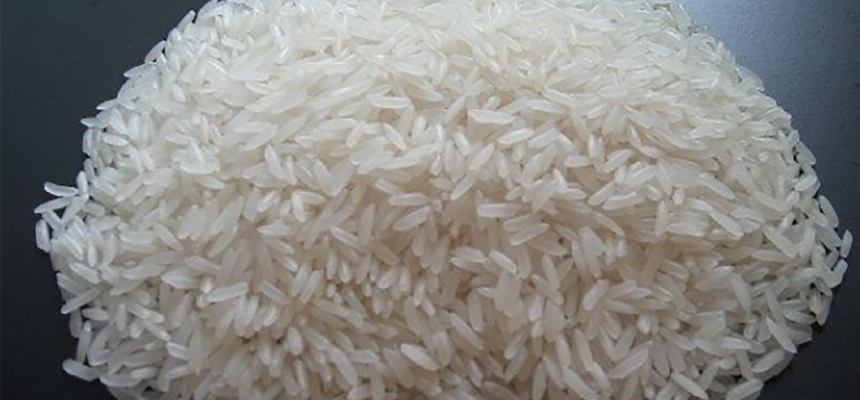
Table of Contents
Rice Supplier for Food Manufacturers: What We Supply
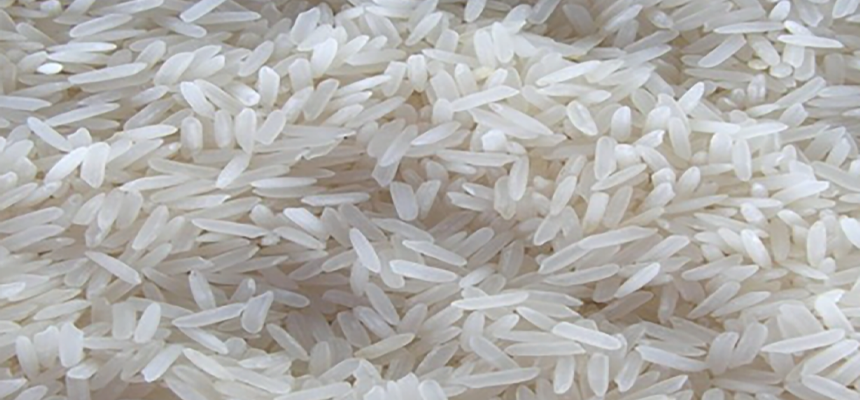
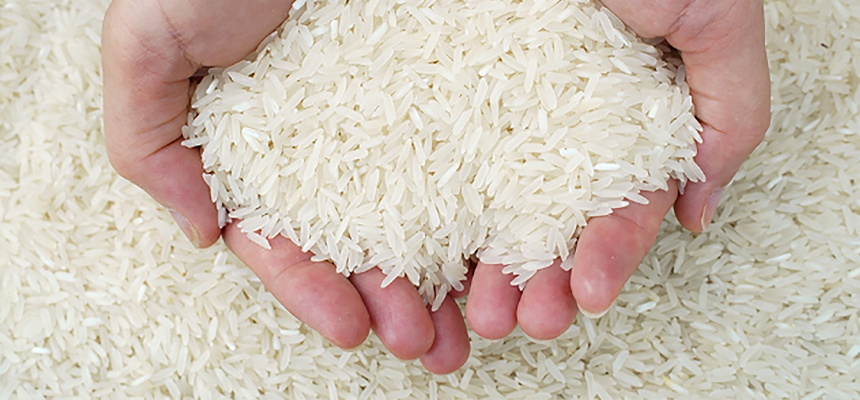
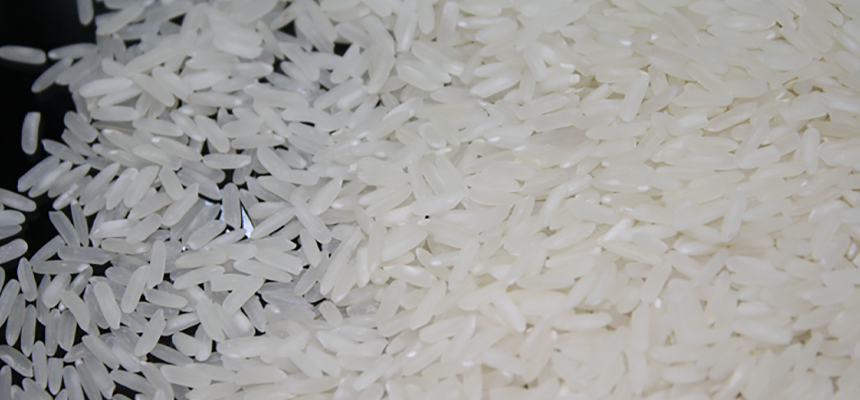
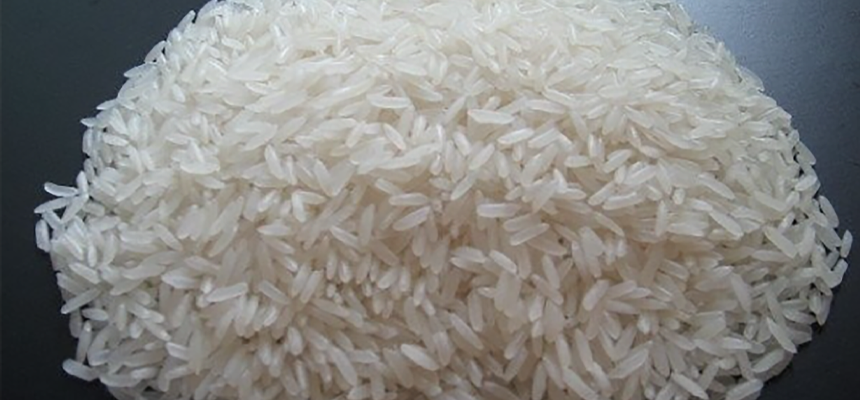
As a rice supplier for food manufacturers, these are the grades factories buy from us most often, with the products they usually end up in.
| Rice | Typical spec | Used for |
|---|---|---|
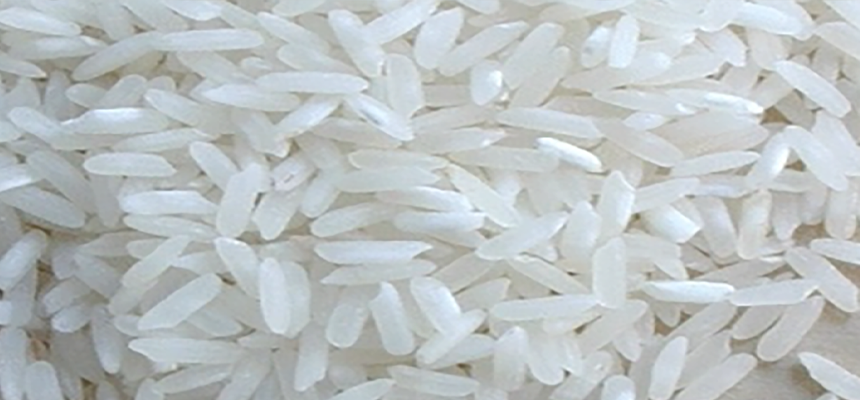
| Thai white rice 100% broken | 100% broken, 14% moisture max | Rice flour, noodles, crackers, brewing, snacks |
| Thai white rice 25% broken | 25% broken max | Ready meals, porridge, puffed rice, cereal |
| Thai white rice 5% broken | 5% broken max | Retort and frozen rice dishes, sushi-style products |
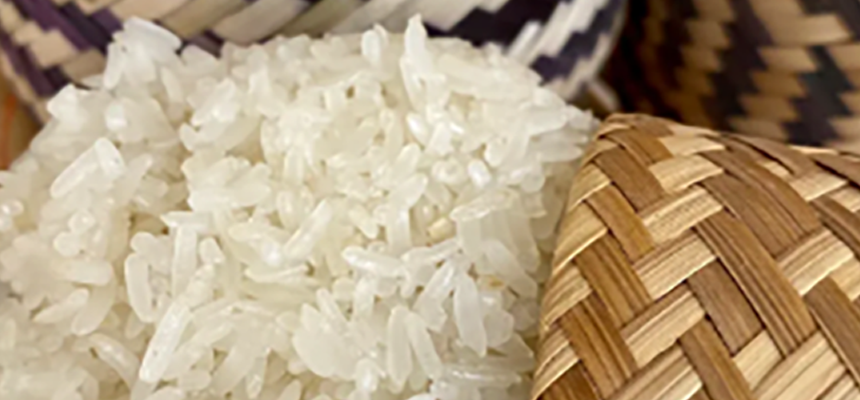
| Thai glutinous rice | 10% or 25% broken | Glutinous rice flour, mochi, desserts, rice cakes |
| Thai parboiled rice | 5% to 25% broken | Canned and frozen meals, rice that must hold shape |
| Thai Hom Mali rice | 92% purity, 4.5% broken | Premium ready meals, microwave rice |
| Thai jasmine rice | 95% purity, 5% broken | Ready meals, meal kits |
| Thai brown jasmine and Riceberry rice | Whole grain, 5% broken | Health snacks, whole grain flour, cereals |
If you don’t see what you need, ask. A lot of the work we do as a rice supplier for food manufacturers is milling to a buyer’s own spec rather than an off-the-shelf grade. We’d rather talk through your process first and recommend the grade that suits it than push the most expensive rice on the list.
What Factories Need That Shops Don’t
Selling rice to a supermarket and selling rice to a factory are two very different jobs. A shopper cares about how the rice looks and tastes. A factory cares about how it behaves on the line, every single day.
From years of working as a rice supplier for food manufacturers, the things factory buyers push us on are:
- Consistency. The same moisture, the same broken level and the same cooking behaviour, lot after lot. A small change can throw off cooking times, dough texture or extrusion.
- Clear specs. Numbers on paper for every parameter that matters to the process, not just “good quality”.
- Traceability. A lot number on every bag that links to a test result.
- Food safety. Low foreign matter, no stones or metal, controlled pest management and clean packing.
- Reliable supply. Containers arriving on schedule so the line doesn’t stop.
Price matters, of course, and any rice supplier for food manufacturers has to be competitive. But a cheap lot that causes a line stoppage or a product recall costs far more than it saves.
Choosing the Right Rice for Your Product
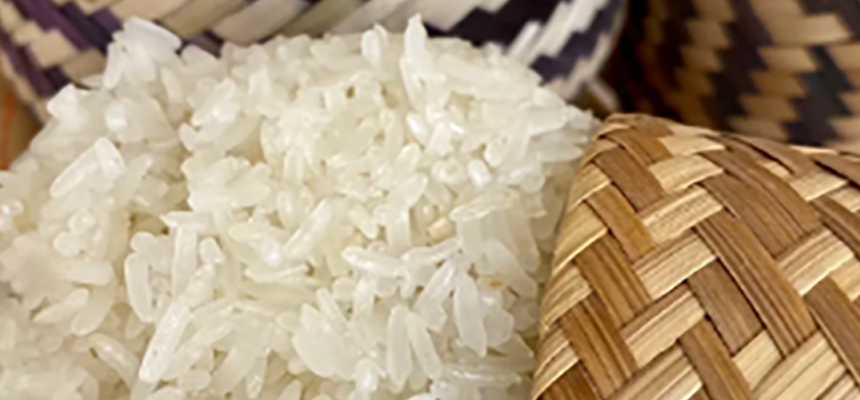
The right rice depends mostly on what you’re making. A rough guide based on what our customers use:
Rice flour and noodles
Most rice flour is milled from broken rice, because grain length doesn’t matter once it’s ground. Our 100% broken white rice is the cheapest way to make white rice flour. For glutinous rice flour, you need glutinous rice, either whole or broken. Noodle makers often care about amylose content, because it affects how the noodle sets, so tell us what your formula needs. Background on the product itself is in the rice flour article on Wikipedia.
Crackers, puffed rice and snacks
Puffing and extrusion work well with broken white rice and with glutinous rice, depending on the texture you want. Brown rice and Riceberry are popular for health snacks because of the colour, flavour and whole grain claim.
Ready meals, frozen and retort rice
These need rice that holds its shape after cooking, freezing or sterilising. Parboiled rice is the strongest performer. Jasmine and Hom Mali are used where aroma and soft texture matter, mostly for Asian ready meals.
Brewing
Brewers use broken rice as an adjunct. Moisture, cleanliness and price per ton are the main concerns. Our post on what broken rice is used for covers brewing and other uses in more depth.
Desserts and confectionery
Glutinous rice for mochi, sticky rice desserts and rice cakes. Riceberry for coloured desserts and drinks. Many dessert makers buy both from the same rice supplier for food manufacturers, so the two arrive in one mixed container.
If you’re developing a new product, we can send small samples of several grades so your R&D team can test them side by side. That’s often the quickest way to choose a rice supplier for food manufacturers and a grade at the same time.
Specs That Matter on the Line
Every lot we ship as a rice supplier for food manufacturers comes with a certificate of analysis. For factory customers, these are the parameters we report and can control:
| Parameter | What we report | Why it matters to a factory |
|---|---|---|
| Broken grains | % by weight | Affects texture, yield and appearance |
| Moisture | % | Affects milling, cooking time, shelf life and weight |
| Foreign matter | % | Stones, husk, straw: line safety and product safety |
| Damaged and yellow grains | % | Colour and appearance in finished products |
| Chalky grains | % | Texture and breakage in cooking |
| Purity / variety | % | Consistent cooking behaviour |
| Grain length | mm | Matters for whole grain products |
| Paddy grains | per kg | Husk in finished products |
If your process needs other parameters, such as amylose content, gel consistency or particle size for broken rice, tell us. We can test for them or arrange third-party testing, and as your rice supplier for food manufacturers we’ll write the agreed limits into the contract.
How We Keep Lots Consistent
Consistency is the thing factory buyers care about most, so here’s how we handle it.
- Paddy selection. We buy paddy by variety and check moisture and quality when it arrives at the mill.
- Controlled milling. Milling and polishing settings are recorded for each grade so we can repeat them.
- Length grading and blending. Broken and whole grains are separated and blended back to the target level.
- Colour sorting. Optical sorters remove discoloured grains, stones and foreign matter.
- Lab testing. Every lot is tested against the agreed spec before packing.
- Retained samples. We keep a sample from every lot for months after shipment.
- Lot coding. Every bag carries the lot number.
If you have a standing spec with us, we mill to it every time and flag any change in the crop before we ship, not after. That’s what makes a dependable rice supplier for food manufacturers rather than just another seller. More about our process is on our quality control page.
Sampling and Approval Before the First Container
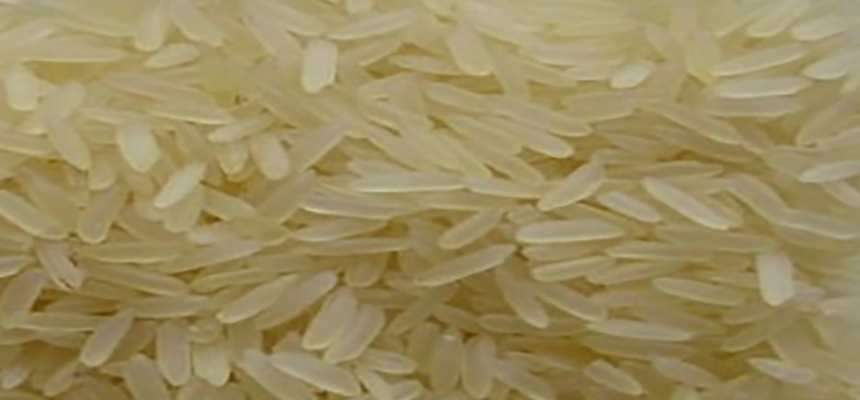
Most factories won’t put a new raw material on the line without testing it first, and they’re right not to. Here’s how approval usually works when we start as a rice supplier for food manufacturers:
- Spec exchange. You send your raw material spec. We confirm what we can hold and suggest a grade.
- Lab samples. We courier 1kg to 5kg of each candidate grade, with a certificate of analysis for each.
- R&D trials. Your team runs bench or pilot trials. If you need more for a pilot batch, we can send 25kg to 50kg.
- Pre-shipment sample. Before the first container, we send a sample from the actual lot being packed.
- First container. We recommend an independent inspection at loading, so the first shipment is checked by a third party.
- Approval. Once the first container runs well, we lock the spec and move to scheduled supply.
The whole process usually takes a few weeks. It’s slower than buying on price alone, but it means the rice that arrives in month six is the same as the rice you approved.
Packing for Industrial Use
Factory buyers don’t want rice in 5kg retail bags, so as a rice supplier for food manufacturers we pack in bulk formats. We pack for the way your plant handles raw materials:
- 25kg PP woven bags. Easy for manual handling and tipping into hoppers.
- 50kg PP woven bags. The standard for bulk raw material.
- Jumbo bags (FIBC), around 1 ton. For plants with bag dischargers and forklifts.
- Inner liners. Food-grade PE liners for extra protection against moisture and contamination.
- Palletised loading. Bags shrink-wrapped on pallets if your warehouse unloads by forklift.
Every bag is marked with product, lot number, net weight and packing date. If your QA team needs specific marking, such as your raw material code, we’ll print it.
Food Safety and Quality Documents
Factories have to keep files on every raw material. As a rice supplier for food manufacturers, we provide:
- Certificate of analysis for every lot
- Non-GMO lab test report per lot
- Phytosanitary and fumigation certificates
- Certificate of origin
- Halal certificate on request
- Independent inspection at loading on request (SGS, Intertek, Bureau Veritas or similar)
- Supplier questionnaires and declarations your QA team sends us
If you need pesticide residue or heavy metal testing for your market, we can arrange it through an accredited lab. Tell us which audits and certificates your customers require and we’ll tell you honestly what we can provide. The international reference for rice quality and safety is the Codex Alimentarius published by FAO and WHO.
For non-GMO requirements in particular, see our page on being a non GMO Thai rice supplier.

Storage and Handling at Your Plant
Rice is a stable raw material if it’s stored well. A few things we tell every factory we supply:
- Keep it dry. Rice absorbs moisture from humid air. Store it off the floor, on pallets, away from walls.
- Keep it cool. Heat speeds up ageing and insect activity. A cool, ventilated warehouse is best.
- First in, first out. Use lots in order of arrival. The lot number on every bag makes this easy.
- Pest control. Regular checks and a pest control plan, especially for brown rice and Riceberry, which have more bran oil and attract insects faster.
- Opened bags. Close or tip completely. Half-open bags pick up moisture and dust.
White rice stored like this keeps well for more than a year. Brown rice and Riceberry are best used within six to nine months, or sooner in hot climates. If shelf life is critical, tell us your storage conditions and we’ll adjust the moisture target and packing. Getting this right is part of what we do as a rice supplier for food manufacturers, not just an afterthought once the rice has shipped.
Cost Per Ton vs Cost Per Finished Product
Purchasing teams naturally compare rice on price per ton. It’s worth looking a little further.
A cheaper lot with higher moisture means you’re paying for water. A lot with more foreign matter means more waste and more risk of complaints. A lot that cooks differently from the last one can mean adjusting the line, losing time and making off-spec product.
Factories that switch to a better rice supply often find the real saving isn’t in the price per ton. It’s in fewer line adjustments, less waste and fewer quality holds. That’s hard to see on a quote sheet, which is why we’d always rather compete on a trial run than on a number. A good rice supplier for food manufacturers should help lower your cost per finished product, not just your cost per ton.
Working With Your R&D Team
New product development is where a lot of rice decisions get made, often long before purchasing is involved. We’re glad to work directly with R&D teams. That might mean sending small samples of several grades for bench trials, supplying a pilot quantity for a test run, or explaining why two grades with similar specs behave differently in a cooker or extruder.
It’s one of the more useful things a rice supplier for food manufacturers can do, because a rice that’s chosen properly at the development stage saves a lot of trouble once the product is in full production. Tell us what you’re making and what problems you’ve had with rice before, and we’ll suggest what to try.
Contract Supply and Scheduled Deliveries
Most factories don’t want to buy rice one container at a time and hope the next one is the same. The way we usually work as a rice supplier for food manufacturers:
- Annual or seasonal contracts for an agreed tonnage, spec and packing
- Scheduled shipments, for example two containers a month, so your stock stays level
- Price agreements fixed for a period or linked to a reference, depending on what suits you
- Advance warning of any crop change that might affect the spec
Rice prices move with the harvest and the currency, so long fixed prices aren’t always possible. What we can do is plan with you so there are no surprises. The Thai Rice Exporters Association publishes weekly export prices for the main grades if you want to follow the market.
Minimum Order and Lead Time
Our minimum is one 20 foot container, about 25 metric tons in 25kg or 50kg bags, or about 20 to 24 tons in jumbo bags depending on the bag size. Most factory customers take several containers a month once supply is set up. See our guide on the Thai rice minimum order quantity for the details.
Lead time from contract to loading is usually 15 to 30 days. Scheduled contracts can be faster because we plan milling ahead. We quote FOB Bangkok or CFR and CIF to your port, and our guide on how to import rice from Thailand covers the import steps.
A Typical Factory Setup With Us
To give you an idea of how this works in practice, here’s an example. Say a snack manufacturer making rice crackers comes to us looking for a new rice supplier for food manufacturers after problems with moisture swings in their old supply. We send samples of 100% broken white rice and 25% broken glutinous rice. Their R&D team runs trials and picks a blend.
We agree a spec: moisture 13% to 14%, foreign matter 0.1% maximum, broken rice from long grain white only, packed in 50kg bags with liners. The first container is inspected at loading by a surveyor. After it runs well on their line, we move to two containers a month on a six-month contract, with prices reviewed each quarter.
Every lot that ships after that is tested against the same spec, and the certificate of analysis goes to their QA team before the container arrives. If the new crop changes anything, we tell them weeks ahead. That’s really all a rice supplier for food manufacturers needs to do well: hold the spec, ship on time and say so early when something changes.
Why Thai Rice for Food Manufacturing?
Thai rice is not always the cheapest on the world market, and we’d be the first rice supplier for food manufacturers to say so. Factories buy it anyway for a few reasons:
- Consistency. Thai export grades are well defined and Thai mills sort hard.
- Range. One origin covers white, glutinous, parboiled, fragrant and whole grain rice.
- Reputation. “Thai rice” or “Thai jasmine rice” on a pack helps sell finished products in many markets.
- Non-GMO origin. Thailand doesn’t grow GM rice commercially.
Our post comparing Thai rice vs Vietnamese rice goes into the differences buyers see in practice.
How to Choose a Rice Supplier for Food Manufacturers
Before you sign with anyone, check:
- Can they show a real certificate of analysis, tied to a lot number, not a generic spec sheet?
- Do they mill the rice themselves, or are they reselling from several mills?
- Will they write your spec into the contract, with limits for each parameter?
- Do they keep retained samples, so disputes can be settled with the same rice?
- Can they supply on a schedule, or only spot containers?
- How do they handle a lot that fails spec?
A good rice supplier for food manufacturers will answer all of these without hesitation.
Frequently Asked Questions
What is the best rice for rice flour?
Broken white rice for standard rice flour, because it’s the cheapest and grain length doesn’t matter once it’s ground. Glutinous rice for glutinous rice flour.
Can you mill to our own specification?
Yes. Send us your spec and we’ll tell you which parameters we can hold, and at what price.
Do you supply jumbo bags?
Yes, around one ton each, with or without liners.
Can you test for amylose or other technical parameters?
Yes, through our lab or an accredited third-party lab. Tell us what your process needs.
Do you work as a rice supplier for food manufacturers outside Asia?
Yes. We supply factories in Europe, the Americas, the Middle East, Africa and Asia.
How much rice do you supply to factories each month?
It depends on the customer. Some take one container a month, others several a week. As a rice supplier for food manufacturers, we plan milling around our contract customers first.
Do you supply organic rice for manufacturing?
Yes, organic jasmine rice is available. Volumes are smaller than conventional rice, so plan ahead.
Can we visit the mill?
Yes. Many factory buyers visit before signing a contract, and we encourage it.
What happens if a lot doesn’t meet our spec?
It doesn’t ship. If a problem is found after arrival, we compare our retained sample with yours and settle it from the results.
Work With a Thai Rice Supplier for Food Manufacturers
De Thai Products 1989 Company Limited is a Thai rice miller and exporter in Chachengsao, near Bangkok’s ports. We buy Thai paddy, mill, sort and pack it ourselves, and work as a rice supplier for food manufacturers in many countries, from rice flour mills to ready meal plants.
If you’re unhappy with the consistency of your current rice, or you’re setting up a new line, talk to us before you place your next order. Send us your product, the rice you use now, your spec, monthly volume and destination port. We’ll send samples, a certificate of analysis and an offer.
Email info@dethairice.com, WhatsApp +66 81 034 6390, or use our contact page.
8 thoughts on “Rice Supplier for Food Manufacturers: Best Thai Offer”