


Walk into a Lao or Hmong grocery store in Fresno, St. Paul or Sacramento and you’ll find whole aisles of sticky rice in 25 lb and 50 lb bags. Families there eat it every day, the way other people eat bread. Then there’s Thai, Filipino, Chinese, Vietnamese, Korean and Japanese shoppers who use sweet rice for desserts, dumplings, rice cakes and holidays. All of that has to come from somewhere, and most of it is imported. This page is for importers and distributors looking for glutinous rice suppliers for US Asian markets who can ship good sticky rice, on spec, every time.
We’re De Thai Products 1989 Company Limited, a rice miller and exporter in Thailand. We sell Thai glutinous rice, whole grain and 25% broken, in bulk bags and retail packs, to importers, Asian grocery chains, distributors and food manufacturers in the US and worldwide. Below you’ll find what we sell, the specs, packing, how the market works, and how to order.
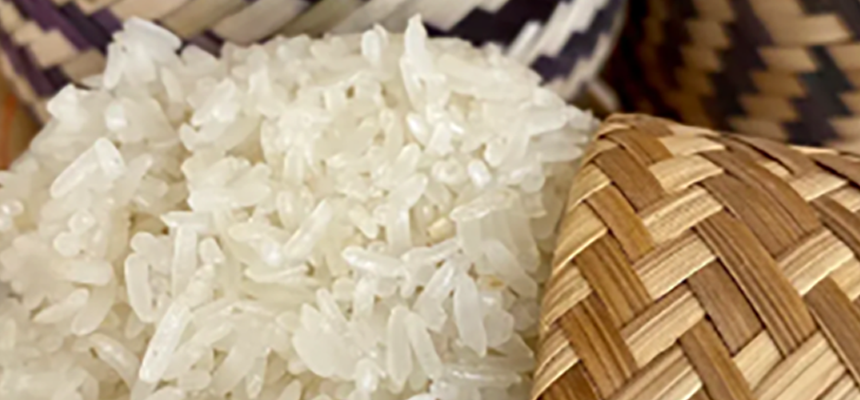
Table of Contents
What Glutinous Rice Is
Glutinous rice, also called sticky rice or sweet rice, is a rice with almost no amylose in its starch. It’s nearly all amylopectin, and that’s what makes it cook up into a soft, chewy, sticky mass. Despite the name, it has no gluten. “Glutinous” means glue-like, nothing to do with wheat. The glutinous rice article on Wikipedia covers the history and the botany if you want more.
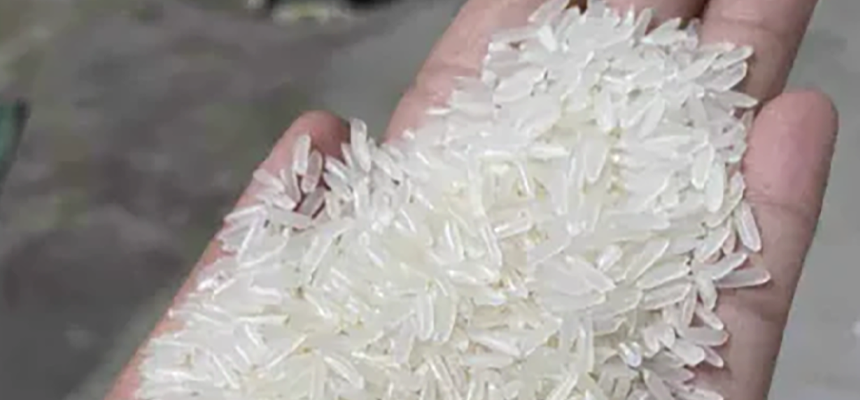
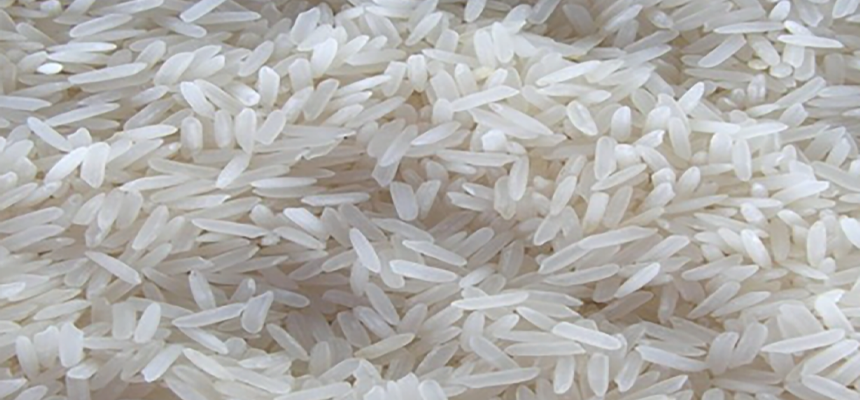
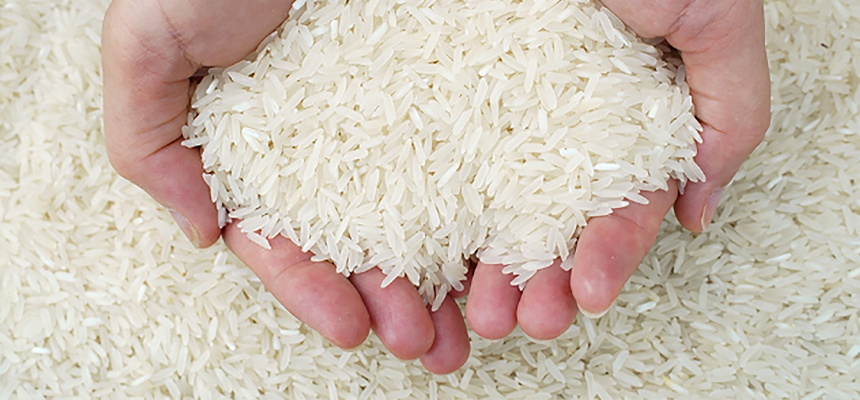
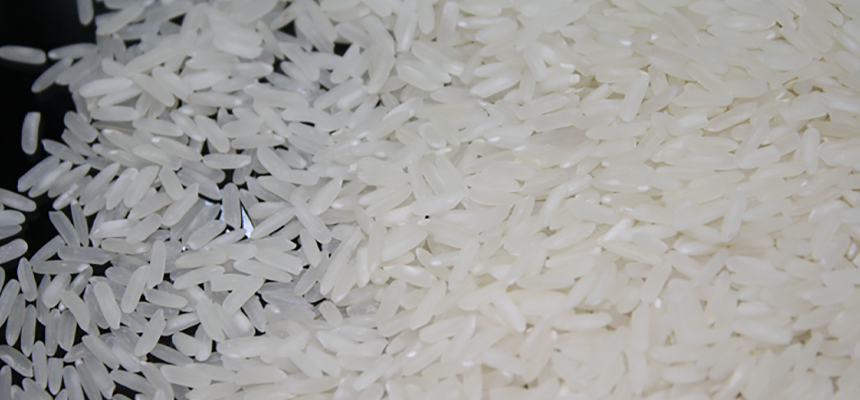
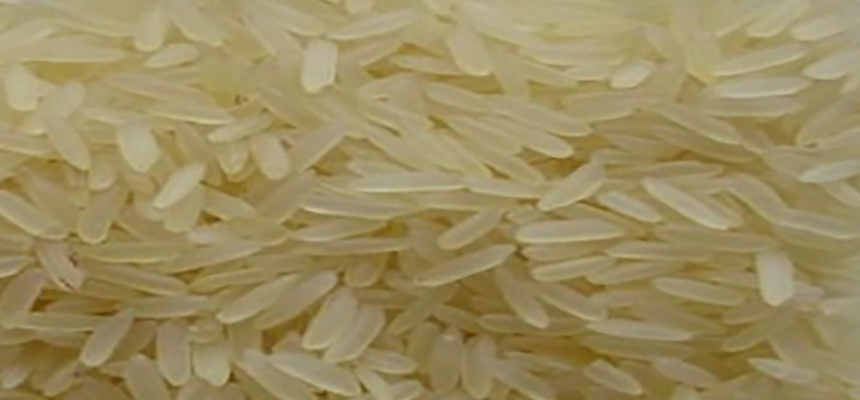
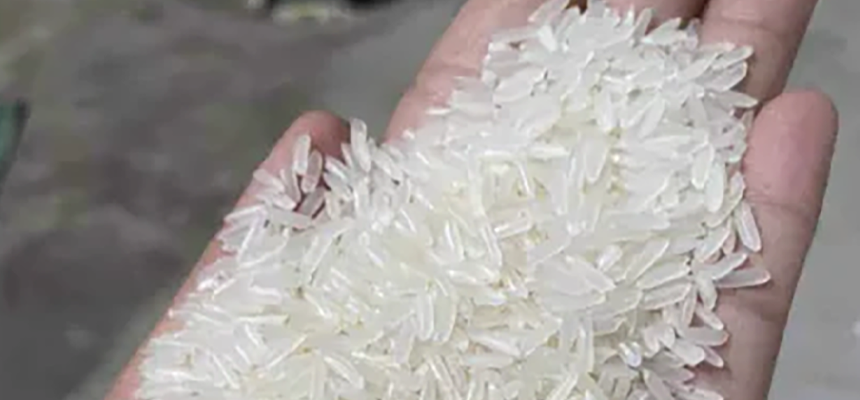
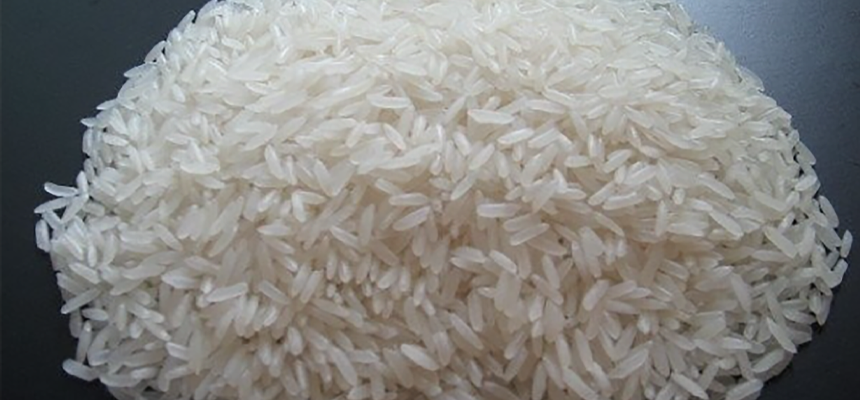
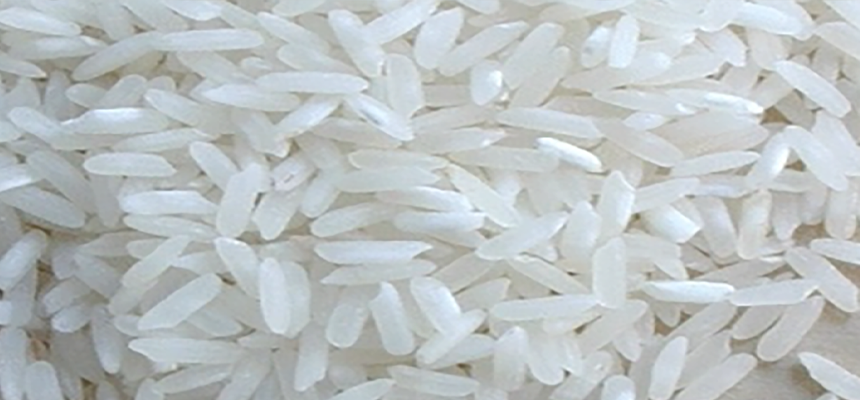
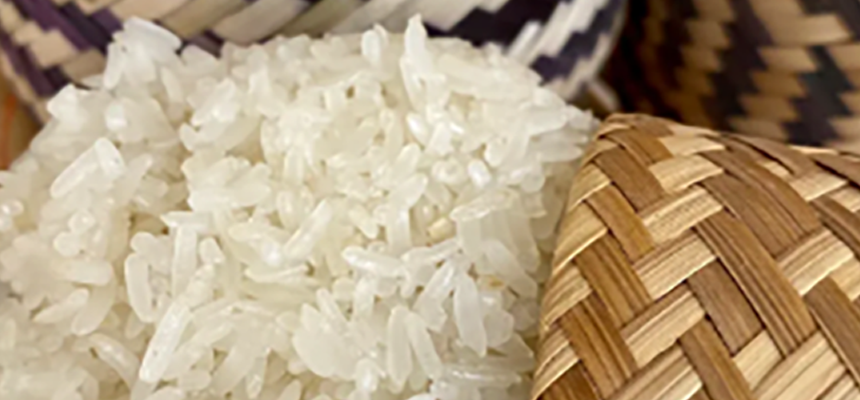
Thai glutinous rice is a long-to-medium grain, opaque white when raw, and turns translucent when steamed. It’s the everyday rice in northern and northeastern Thailand and in Laos. Japanese mochigome and Korean chapssal are short grain glutinous rice, used in a similar way but with a slightly different texture.
Who Eats Sticky Rice in the US
This matters, because it decides what your customers want. Glutinous rice suppliers for US Asian markets serve several very different communities.
Lao and Hmong communities. Sticky rice is the daily staple, eaten by hand with grilled meat, jeow and larb. Large communities live in California, Minnesota, Wisconsin, North Carolina and elsewhere. They buy big bags, often 25 lb or 50 lb, and they know exactly how good sticky rice should taste.
Thai communities and Thai restaurants. Sticky rice with som tam and grilled chicken, and mango sticky rice for dessert on almost every Thai menu.
Khmer and Vietnamese communities. Xôi, bánh tét, bánh chưng and many desserts.
Filipino communities. Malagkit for biko, suman, puto and other kakanin.
Chinese communities. Zongzi for the Dragon Boat Festival, lo mai gai, eight-treasure rice and tangyuan made from glutinous rice flour.
Korean and Japanese communities. Mochi, tteok and rice cakes, though these often use short grain glutinous rice.
So when people ask us about glutinous rice suppliers for US Asian markets, the first question back is: which community are your customers? A Hmong grocery and a Japanese mochi shop want different things.
What We Sell
As glutinous rice suppliers for US Asian markets, we focus on Thai sticky rice.
- Thai glutinous rice. White sticky rice, whole grain, 5% broken max. Soft, chewy, aromatic. Our main product for Asian grocery.
- Thai glutinous rice 25% broken. Same rice with more broken grains. A value grade for restaurants, desserts and food manufacturers.
If you also stock jasmine, we can put both in one container. See Thai jasmine rice, and our full range on the products page.
Glutinous Rice Specifications
These are the specs we normally contract with importers who use us as their glutinous rice suppliers for US Asian markets.
| Item | Thai Glutinous Rice | Thai Glutinous Rice 25% Broken |
|---|---|---|
| Origin | Thailand | Thailand |
| Type | White glutinous (sticky) | White glutinous (sticky) |
| Grain length | Long to medium | Long to medium, mixed broken |
| Color | Pure white, opaque | Pure white, opaque |
| Moisture | 14% max | 14% max |
| Broken grains | 5% max | 25% max |
| Purity | 95 to 100% glutinous | 95 to 100% glutinous |
| Admixture | Minimal | Minimal |
| Crop | Current season | Current season |
| Cooked texture | Soft, sticky, chewy | Soft, sticky, chewy |
| Shelf life | 12 to 24 months stored well | 12 to 24 months stored well |
Each lot is tested for moisture and purity before packing. A certificate of analysis goes with the shipping papers. The rice standard page explains Thai grading.
Purity Matters More Than People Think
Here’s something new buyers often miss. If ordinary non-glutinous rice gets mixed into sticky rice, even a few percent, the steamed rice comes out with hard white grains that don’t stick. Lao and Hmong shoppers spot this immediately. They’ll stop buying a brand after one bad bag.
That’s why purity is the most important number on the spec. Good glutinous rice suppliers for US Asian markets keep sticky rice on separate lines and check purity on every lot. We do both, and we keep a retained sample in case there’s ever a question.
Whole Grain or 25% Broken?
Most glutinous rice suppliers for US Asian markets offer both, and here’s how to choose. Whole grain, 5% broken max, is what you want for retail bags in Asian grocery stores and for restaurants that serve sticky rice in baskets. It looks better in the bag and cooks evenly.
25% broken is cheaper and perfectly good where the rice is cooked into something else: desserts, rice cakes, zongzi, sweet rice dishes, or ground into flour. Food manufacturers and some restaurant kitchens buy it. Retail shoppers usually prefer whole grain.
If you’re not sure, start with whole grain for retail and add 25% broken for food service. Our post glutinous rice vs jasmine rice also explains how sticky rice differs from regular rice.
Thai Sticky Rice Varieties
Thai glutinous rice isn’t one single variety. The best known is RD6, also called Kor Khor 6, grown mostly in the northeast. It’s soft, fragrant and the favorite of many Lao and Isan cooks. Northern Thailand grows varieties such as Sanpatong, which cooks a little firmer. Different varieties give slightly different texture and aroma, and loyal shoppers can tell.
When you buy from glutinous rice suppliers for US Asian markets, ask which variety you’re getting and stick with it once your customers like it. We confirm variety on each quotation, and we don’t swap it without telling you.
Sticky Rice for Restaurants
Thai and Lao restaurants serve sticky rice in small bamboo baskets with almost every northeastern dish. Mango sticky rice is on nearly every Thai dessert menu in the country. Filipino bakeries and restaurants use it for biko and suman. Chinese dim sum kitchens use it for lo mai gai.
Restaurants want whole grain sticky rice that steams evenly and stays soft in the basket. Some use 25% broken for desserts where the rice gets mixed with coconut milk anyway. Most restaurants buy through a distributor in 25 lb or 50 lb bags. If you supply restaurants, keep the variety consistent and tell the kitchens if the soak time needs to change with a new crop. That’s the kind of detail good glutinous rice suppliers for US Asian markets pass along. If your restaurant customers also need sushi rice, see sushi rice demand in US restaurants.
Glutinous Rice for Food Manufacturers
Food factories are a big and growing buyer. Glutinous rice goes into:
- Glutinous rice flour, for mochi, tangyuan, dumplings and gluten-free baking
- Frozen mochi and mochi ice cream
- Frozen zongzi, lo mai gai and sticky rice dumplings
- Rice cakes and crackers
- Ready-to-eat mango sticky rice and other desserts
These buyers usually want 25 kg or 50 kg bags, a tight spec on purity and moisture, and sometimes microbiology or residue tests. The 25% broken grade often works well for flour, because it gets ground anyway. Many US factories that use glutinous rice flour buy the flour ready-made, but larger plants mill their own and buy the rice from glutinous rice suppliers for US Asian markets like us. Our post on rice supplier for food manufacturers has more on how we work with factories.
Tips for the Grocery Shelf
If you’re stocking sticky rice in an Asian grocery store, a few things help it sell.
Stock the big bags. Lao and Hmong families buy sticky rice by the 25 lb or 50 lb bag. A store that only has small bags loses those customers.
Keep one or two brands steady. Shoppers are loyal. If they like a brand, they want it every time.
Show the origin. “Product of Thailand” and the variety name on the front of the bag help.
Put it near the steaming baskets. Bamboo baskets, pots and coconut milk sell alongside sticky rice.
Explain cooking on small packs. Shoppers new to sticky rice need to know to soak and steam it.
Repacking in the US
Some importers bring in 50 kg bags and repack into 5 lb, 10 lb and 25 lb bags in their own facility. That keeps the per-pound cost down. If you do this, keep the room dry and clean, keep lot numbers on every bag, and repack in amounts you’ll sell in a few months. Many glutinous rice suppliers for US Asian markets will also pack retail sizes in Thailand if you’d rather skip the repacking step. Compare both costs before you decide.
What to Ask Before You Buy
Before you choose between glutinous rice suppliers for US Asian markets, ask each one:
- Which variety is it, and will it stay the same?
- What purity do you guarantee, in writing?
- Can I get a sample from the lot you’ll ship?
- Is it current crop?
- Can you print our brand on 50 lb bags?
- How fast can you ship before Lunar New Year or Hmong New Year?
If the answers are vague, keep looking.
Why Thai Sticky Rice
Thailand and Laos are the heartland of sticky rice. Thai mills have been exporting it for a long time, with proper grading, color sorting and export paperwork. For US Asian grocery, “Thai sticky rice” on the bag already means something to the shopper. That’s a big part of why so many glutinous rice suppliers for US Asian markets source from Thailand, and why we focus on it.
Storage
Store glutinous rice cool, dry and off the floor. It keeps longer than brown rice, up to 12 to 24 months in good conditions, but it still picks up moisture and smells. Rotate stock and keep it away from strong-smelling goods like fish sauce or dried shrimp in the warehouse.
Packing for US Asian Grocery
These are the bag sizes we pack as glutinous rice suppliers for US Asian markets.
- 50 lb and 25 lb bags, the sizes Lao and Hmong shoppers buy
- 25 kg and 50 kg bags for distributors and repackers
- 5 lb and 10 lb retail bags
- 1 kg and 2 kg packs for supermarket shelves
- Private label with your brand and US-compliant labels
Big families buy big bags. Many Asian grocery stores sell 50 lb sticky rice bags as a staple, often by brand loyalty, so a good-looking printed bag with clear origin helps. Send us your artwork, or we can help with the layout. For more on private label, see private label Thai Hom Mali rice.
A 20-foot container holds about 20 to 25 tons depending on bag size. See how many tons of rice fit in a 20ft container.
Holiday Peaks
Demand for sticky rice jumps around certain holidays, and smart importers plan for them.
- Lunar New Year, January or February. Chinese, Vietnamese and Korean rice cakes and sweets.
- Songkran and Lao New Year, mid-April.
- Dragon Boat Festival, usually June. Zongzi.
- Mid-Autumn Festival, September or October.
- Hmong New Year, usually November and December, a very big one for sticky rice in Hmong communities.
- Christmas, for Filipino kakanin.
With three to six weeks of transit plus clearance, you need to order well ahead of each one. Glutinous rice suppliers for US Asian markets who know this calendar will remind you. We do.
How Sticky Rice Is Cooked
Good glutinous rice suppliers for US Asian markets will help you get the cooking instructions right on the pack, especially for younger shoppers and non-Asian customers.
Soak the rice in cool water for at least 4 hours, or overnight. Drain. Steam over boiling water, in a bamboo basket or a steamer lined with cheesecloth, for 20 to 25 minutes, flipping once halfway, until translucent and soft. Don’t boil it like regular rice, because it’ll turn to paste. For desserts like mango sticky rice, mix the hot rice with sweetened coconut milk and let it absorb.
Shipping to the US
Shipping times matter for glutinous rice suppliers for US Asian markets because of the holiday peaks. We load at Bangkok and Laem Chabang. West Coast ports like Los Angeles, Long Beach, Oakland and Seattle usually take three to four weeks. East Coast and Gulf ports take longer. For Minnesota or Wisconsin buyers, cargo often lands on the West Coast and goes inland by rail, or comes through Chicago. We quote FOB Thailand or CIF your US port. Our post on FOB vs CIF rice price explains how to compare quotes.
US Import Paperwork
All glutinous rice suppliers for US Asian markets ship under the same US rules. Your customs broker handles the US side. The mill and packer must be registered with the FDA, the shipment needs prior notice, the importer usually needs a Foreign Supplier Verification Program, and retail labels must meet FDA rules.
We send a commercial invoice, packing list, bill of lading, certificate of origin, phytosanitary certificate, fumigation certificate and certificate of analysis, plus lab reports if you ask. See our rice export documents checklist.
Price
Price is the first question most buyers ask glutinous rice suppliers for US Asian markets. Glutinous rice prices move with the Thai crop, the baht and freight, and they don’t always follow white rice. A poor sticky rice harvest in the northeast can push prices up while white rice stays flat. The 25% broken grade costs less than whole grain. Retail packing and private label add a bit per ton. For more background on pricing, see Thai glutinous rice wholesale price.
When you ask for a quote, tell us:
- Whole grain or 25% broken
- Bag size and printing
- Quantity per shipment and how often
- US port
- FOB or CIF
You’ll get a dated offer with the specs written in.
Payment and Minimum Order
Terms are simple when you work with us as your glutinous rice suppliers for US Asian markets. We usually work on a deposit by wire transfer with the balance against copy documents, or an irrevocable letter of credit at sight. Our minimum is one 20-foot container, which you can split between sticky rice and jasmine on a first order. More in Thai rice minimum order quantity.
Quality Control
This is what we check on every lot we ship as glutinous rice suppliers for US Asian markets.
- Purity check on every lot for non-glutinous grains
- Color sorting to remove discolored grains and stones
- Moisture check on the bagging line
- Steaming test against our reference sample
- Fumigation before loading, with certificate
- Retained sealed sample from each lot
- Independent survey at loading on request
More on our quality control page.
Mistakes We See
These are common when importers switch between glutinous rice suppliers for US Asian markets without planning.
- Buying on price and getting sticky rice mixed with ordinary rice.
- Missing the Hmong New Year or Lunar New Year window because the order went in too late.
- Stocking only 2 lb bags in a store whose customers buy 50 lb.
- Switching brands or suppliers often, which loses loyal shoppers.
- Selling 25% broken in retail bags without saying so on the pack.
Black Sticky Rice, Sweet Rice and Other Names
The same product goes by a lot of names in US stores, and it confuses new buyers. “Sweet rice,” “sticky rice,” “glutinous rice,” “malagkit,” “khao niao,” “nuo mi” and “mochigome” all refer to glutinous rice of one kind or another. Black or purple sticky rice is a different, darker variety used mostly for desserts. When customers ask for “sweet rice,” they almost always mean white glutinous rice.
For your own labels, use the name your main customers use, and put “glutinous rice” somewhere on the pack as well so everyone knows what it is. Clear naming is one small thing that separates careful glutinous rice suppliers for US Asian markets from the rest.
Working With Us Long Term
Sticky rice importers who do best usually order on a regular schedule, monthly or every couple of months, with extra containers ahead of the big holidays. That lets us keep the same variety and crop for you and mill fresh for each shipment. If you’re looking for long-term glutinous rice suppliers for US Asian markets rather than a one-off deal, tell us your yearly volume and we’ll plan around it.
Frequently Asked Questions
Are you one of the glutinous rice suppliers for US Asian markets that sells direct?
Yes. We sell direct from Thailand to US importers, distributors and grocery chains, FOB or CIF.
Is glutinous rice gluten-free?
Yes. The name refers to how sticky it is, not to gluten.
Do you sell sticky rice in 50 lb bags?
Yes. Like most glutinous rice suppliers for US Asian markets, we pack 50 lb bags, along with 25 lb, 25 kg, 50 kg and smaller retail packs.
What’s the difference between Thai sticky rice and Japanese sweet rice?
Thai sticky rice is a longer grain, used for steamed sticky rice and Southeast Asian desserts. Japanese mochigome is short grain and used mainly for mochi.
Can you send samples?
Yes. We send samples so you can steam and test before ordering.
How long does glutinous rice keep?
12 to 24 months stored cool and dry.
Get a Quote
If you’re looking for glutinous rice suppliers for US Asian markets who can ship pure, on-spec Thai sticky rice on time, send us the grade, packing, quantity and port. We’ll send samples and a dated offer with the full spec written in.
De Thai Products 1989 Company Limited. Email info@dethairice.com, WhatsApp +66 81 034 6390, or use our contact page. You can also read about us.
2 thoughts on “Glutinous Rice Suppliers for US Asian Markets: Best Offer”