


Open a container of rice after six weeks at sea and you’ll know in about two seconds whether it went well. Either it smells like clean rice, or it smells musty, the top bags are damp, and there are dark patches where water dripped from the roof. If you’ve had the second kind, you’ve probably already searched how to prevent moisture damage in rice containers. We’re De Thai Products 1989 Company Limited, a rice mill and exporter in Chachoengsao, Thailand. We load containers for buyers all over the world every month, and this is what we’ve learned about how to prevent moisture damage in rice containers, plus the rice grades we sell and the specs we load them at.
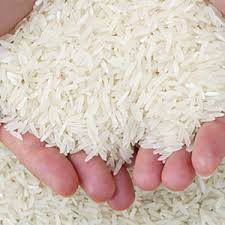
Why Rice Gets Wet in a Sealed Box
People are always surprised that a closed steel container can get wet inside without a single leak. But it happens all the time, and the trade calls it container rain.
Rice is a living product in a sense. It holds water, and it trades that water with the air around it. Load 25 tons of rice in warm, humid Thai weather and the air inside the box is full of moisture. Then the ship sails into cooler water, or a cold night hits at a transhipment port. The steel walls and roof cool down faster than the cargo. When the air touches that cold steel it drops below its dew point, and water forms on the inside of the roof. It drips back down onto the top layer of bags. Next day it warms up, the water evaporates, and the cycle starts again.
After a few weeks of that you get caked rice, mold, a bad smell, yellowing and sometimes insects. The rice in the middle of the stack can be perfect while the top and the sides are ruined. That’s why knowing how to prevent moisture damage in rice containers is really about controlling three things: how much water is in the rice, how much is in the air, and where the condensation ends up.
The Real Causes of Moisture Damage
Rice loaded too wet
The biggest cause is simple. The rice had too much moisture when it went into the bags. Thai export standards cap white rice at 14% moisture, and good mills load below that. Every extra half percent is water that will move around inside the container.
Rice loaded too warm
Rice that comes straight off the polisher is warm. Bag it hot and seal it in a box, and it sweats. We let the rice cool and settle before bagging for export.
A bad container
Holes in the roof, damaged door seals, a wet or dirty floor. A container that carried something damp on its last trip can still be holding water in the wooden floor.
Wet loading conditions
Loading in the rain, or with wet pallets and wet forklift tires, puts water straight into the box. It sounds obvious, but in monsoon season it’s a real problem.
Long waits and temperature swings
Containers that sit for weeks at a hot port, or travel through big climate changes, go through more condensation cycles. More cycles, more damage.
How to Prevent Moisture Damage in Rice Containers Starts at the Mill
Most of the work on how to prevent moisture damage in rice containers happens before the container even shows up. If the rice is right, the rest is much easier.
Moisture testing before bagging
We test every lot before it’s bagged. For export we aim for 13% to 14% on white rice and parboiled rice, and we write the actual figure on the inspection sheet. If a lot comes in high, it waits or goes back for drying. We’d rather lose a day than lose a container.
Cooling and resting
After milling and sorting the rice rests before packing. That lets the temperature fall and the moisture even out through the lot.
The right bag
Woven PP bags breathe a little, which helps. Laminated or BOPP printed bags look great on the shelf but trap moisture if the rice is borderline. For long voyages to hot, humid ports we’ll advise on the bag type. It’s a small decision that matters a lot in how to prevent moisture damage in rice containers.
Choosing and Checking the Container
A good mill rejects bad containers. We do, and you should expect that from any supplier. Here’s what we check before a single bag goes in.
- Light test. Someone stands inside with the doors closed. Any light coming through means a hole.
- Dry floor and walls. No damp patches, no puddles, no water stains on the roof.
- Clean and odor free. No chemical, fish or fertilizer smell. Rice picks up smells fast.
- Door seals intact. Rubber gaskets in good condition, doors close tight.
- No rust flakes or loose debris. Swept clean before lining.
If a container fails, it goes back to the depot and we ask for another. Freight forwarders know this is normal for food cargo. Being strict about the box is one of the cheapest answers to how to prevent moisture damage in rice containers.
Lining, Desiccants and Ventilation
Kraft paper lining
We line the floor and walls with thick kraft paper, and often lay a sheet over the top of the stack. The paper soaks up drips and stops bags touching cold steel directly. It’s cheap, it works, and it’s the first thing we teach new staff about how to prevent moisture damage in rice containers.
Desiccants
Container desiccants are strips or bags of calcium chloride, clay or silica that pull moisture out of the air. They hang from the lashing rings along the walls. For a 20-foot container of rice going a long way, six to eight large strips is a typical setup. For short trips in cooler months, fewer. They’re one of the most useful tools in how to prevent moisture damage in rice containers, but they can’t save rice that was loaded wet. They manage air moisture, not grain moisture.
Ventilated containers
Ventilated containers let air move through small vents. They’re common for coffee and cocoa. For rice, they help on some routes, but they cost more and aren’t always available. Most of our customers do fine with standard dry containers, good lining and desiccants.
Stacking
Bags are stacked tight and even, away from the doors, with a small gap at the top so air can move. We don’t jam bags against the roof. Heavy or damaged bags never go on top.
Our Loading Routine, Step by Step
- Test the rice for moisture, broken, chalky and foreign matter.
- Pick up and inspect the empty container. Reject if needed.
- Sweep and dry the floor. Lay kraft paper on the floor and walls.
- Load bags by hand or conveyor, keeping everything dry. No loading in open rain.
- Hang desiccant strips along both walls.
- Cover the top layer with kraft paper.
- Fumigate where the destination requires it, then close and seal the doors.
- Photograph every stage and record seal numbers for the buyer and the inspector.
Our quality control page shows more of this in detail. And if you want an independent check, we’re happy to work with SGS inspection at loading.
How to Prevent Moisture Damage in Rice Containers at Your End
The voyage isn’t the end of it. Plenty of good rice gets ruined after it lands, so how to prevent moisture damage in rice containers is partly your job too. If you import rice, here’s what helps on arrival.
- Clear the container fast. Every week it sits in a hot port yard adds condensation cycles.
- Open the doors in dry weather if you can, and let the air settle for a few minutes.
- Check the top layer and the door end first. That’s where problems show up.
- Unload onto pallets, never straight onto a concrete floor.
- Store in a dry, ventilated warehouse, away from walls and roof leaks.
- Rotate stock. First in, first out.
Photograph everything before you move a bag. If there is damage, those photos and the seal numbers are what your insurer will ask for. A short note on how to prevent moisture damage in rice containers in your own warehouse SOP saves arguments later.
Moisture Limits by Rice Type
Different rice behaves a bit differently. Here’s what we load our main grades at.
| Rice | Moisture at loading | Notes |
|---|---|---|
| Thai white rice 5% broken | 14% max | Usually loaded at 13% to 13.8% |
| Thai white rice 25% broken | 14% max | More broken means more surface area, so watch it |
| Thai Hom Mali / jasmine | 14% max | Aroma fades faster in heat, so keep it cool |
| Thai parboiled 5% broken | 14% max | Parboiled grains are harder and handle travel well |
| Glutinous rice | 14% max | Pick up smells easily, needs a clean box |
| Brown rice | 14% max | Bran oil makes it more sensitive to heat and time |
Broken rice like 100% broken white rice needs extra care, because small pieces cake together faster when they get damp.
The Rice We Sell and Ship
We’re a mill and exporter, so every grade below is milled, sorted, bagged and loaded under our own supervision. That’s how we keep control of moisture from paddy to container.
White rice
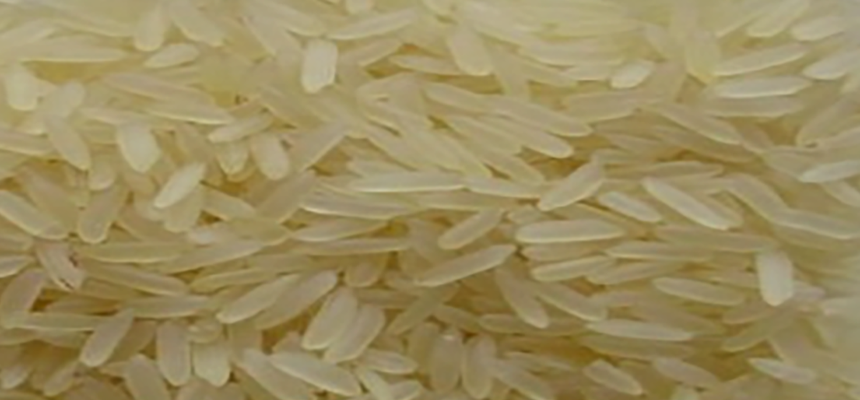
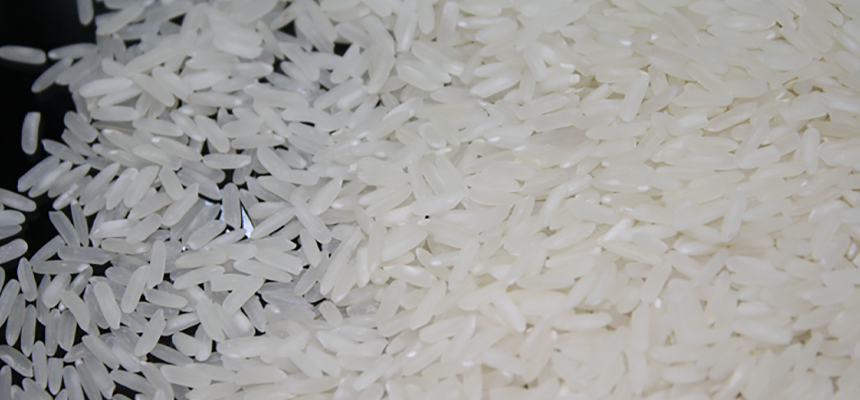
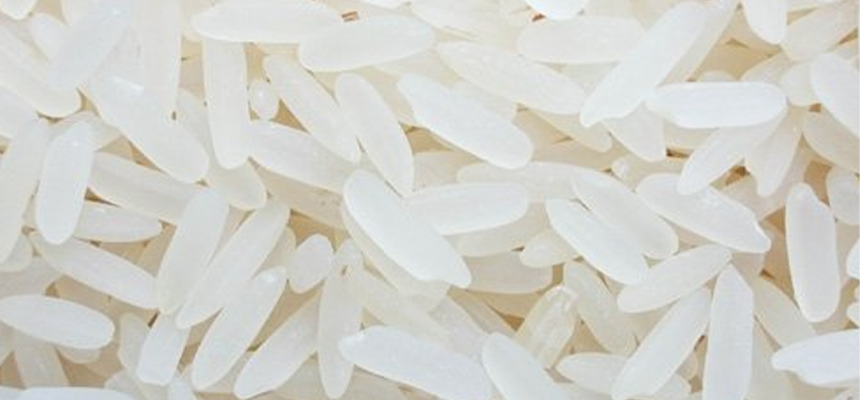
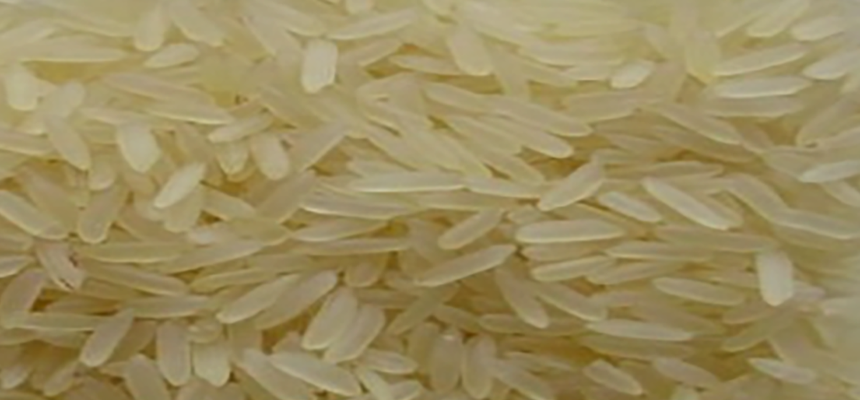
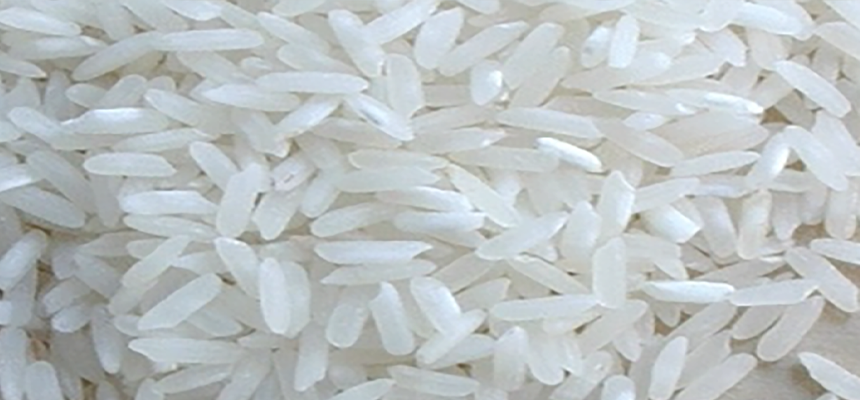
- Thai white rice 5% broken: long grain, broken 5% max, moisture 14% max, purity 95% min, chalky 2% max, double polished and sortexed.
- White rice 10% broken and white rice 25% broken for wholesale and food service.
- Thai white rice 100% sortexed for buyers who need a very clean, even look.
Fragrant rice
- Thai Hom Mali: purity 92% min, new crop, strong natural aroma.
- Thai jasmine / Pathumthani fragrant rice: soft, aromatic, a step below Hom Mali in price.
Parboiled rice
- Thai parboiled rice 5% broken: golden color, firm and separate, moisture 14% max.
- Parboiled 15% broken, 25% broken and 100% broken.
Specialty
Bags come in 5, 10, 25 and 50 kg, PP or jute, plain or private label. One 20-foot container holds around 25 to 27 tons depending on bag size. Every shipment includes kraft paper lining and desiccants as standard, because how to prevent moisture damage in rice containers shouldn’t be an extra you have to ask for.
7 Proven Tips on How to Prevent Moisture Damage in Rice Containers
- Put moisture in the contract. Write 14% maximum, tested at loading by a named inspector.
- Ask for the actual reading. Not just “max 14%”. You want the number for your lot.
- Reject bad boxes. Light test, dry floor, no smell. No exceptions.
- Line and dry. Kraft paper on floor, walls and top, plus enough desiccant for the route.
- Don’t load in rain. Cover the loading bay or wait.
- Move it fast. Short port stays at both ends, quick customs clearance.
- Check on arrival. Photos first, then unload onto pallets in a dry store.
Follow these seven and you’ll avoid most of the trouble. That’s the short version of how to prevent moisture damage in rice containers, and it works on every route we ship.
Long Routes and Hot Ports
Some routes are just harder, and how to prevent moisture damage in rice containers on them takes extra planning. Thailand to West Africa crosses the equator and often transships in Asia or the Middle East. Thailand to Europe goes through the Red Sea or around the Cape, with big temperature changes. Gulf ports in summer are brutally hot.
On those lanes we add more desiccant, pay closer attention to the bag type, and push for direct sailings where we can. Buyers in the Gulf can read more in our guide to Thai white rice for Middle East importers, and buyers in Saudi Arabia can see our parboiled rice wholesale Saudi Arabia page. If you’re buying for West Africa, our guides for Ghana and Liberia cover the routes there.
Insurance and Claims
Even with everything done right, things go wrong now and then. A roof gets punctured by a crane, or a container sits for a month during port congestion. That’s what cargo insurance is for.
Most rice is sold CIF or CFR. On CIF we insure the cargo. On CFR or FOB, the buyer arranges it. Either way, make sure the policy covers damage from condensation and “sweat”, not just water coming in from outside. Some cheap policies exclude it. When you claim, the insurer will want the inspection report from loading, the seal numbers, photos on arrival and a surveyor’s report. Good records are a big part of how to prevent moisture damage in rice containers from turning into a financial loss.
Seasons Matter More Than People Think
Thailand has three rough seasons for shipping. The cool, dry months from November to February are the easiest. The air is drier, rice from the main crop is fresh, and condensation risk is lower. March to May is hot, and containers heat up fast in the yard. June to October is the rainy season, and that’s when we’re most careful about how to prevent moisture damage in rice containers, from covered loading bays to extra desiccant.
The destination season matters just as much. A container leaving a humid Thai port in August and arriving in a cool European winter will see a big temperature drop on the way. That’s a classic setup for container rain. A shipment to the Gulf in July faces the opposite: brutal heat on arrival, which bakes any trapped moisture into the top bags. We adjust the packing for both. If you tell us when you want the rice to land, we can plan how to prevent moisture damage in rice containers around the calendar, not just the route.
Bulk Bags, Small Packs and Moisture
Bag size changes how moisture behaves. Big 50 kg bags have less surface area for the amount of rice, so they’re a bit more forgiving. Small retail packs of 1 kg or 5 kg are usually packed into cartons or master bags, and the cardboard itself can soak up water. If cartons get damp they lose strength, the stack sags, and the bottom layers crush.
For retail packs we use stronger cartons and sometimes stretch wrap on pallets, and we’re stricter on rice moisture. For jumbo bags of a ton each, used by some processors, the main risk is the top surface, so we cover them with paper and place desiccants close by. Whatever the pack, the logic of how to prevent moisture damage in rice containers stays the same: dry rice, dry box, controlled air.
A Real-World Example
Here’s a situation we see a lot. A new buyer’s first shipment came from another supplier, loaded in the rainy season in a cheap container, with no lining and two small desiccant bags. It sat for three weeks at a transhipment port. When it arrived, the top two layers were caked and moldy, and the whole lot smelled. The insurer argued the damage was inherent vice because the rice was loaded wet, and the claim went nowhere.
On the buyer’s next order with us, we sent the moisture reading for each lot, photos of the container light test, kraft paper and eight desiccant strips, and booked a direct sailing. The rice landed clean. Nothing magic. It’s just what how to prevent moisture damage in rice containers looks like when someone actually does every step.
Questions to Ask Any Rice Supplier About Moisture
- What moisture do you load at, and will you show me the test for my lot?
- Do you let the rice cool before bagging?
- Who checks the container, and what do you do if it fails?
- Do you line with kraft paper as standard?
- How many desiccants do you use for my route, and what type?
- Can you send photos of loading and the seal numbers?
A supplier who answers all six clearly knows how to prevent moisture damage in rice containers. One who gets vague about it probably doesn’t, and that’s useful to learn before you pay rather than after.
We’re happy to answer every one of these in writing for your order. It’s also worth asking about the crop. New-crop rice can carry a touch more moisture than rice that’s been stored a few months, so a good mill tests rather than assumes. Thai rice standards and grade definitions are covered on our rice standard page if you want the background.
Mistakes We See Buyers Make
- Choosing the cheapest offer with no moisture figure on the sheet.
- Asking for a fancy laminated bag on a long tropical route without asking about breathability.
- Leaving containers at the destination port for weeks to save on warehouse costs.
- Storing rice in a hot metal shed with no ventilation.
- Not opening one container on arrival to check before accepting the whole shipment.
Every one of these is avoidable. We’d always rather talk about how to prevent moisture damage in rice containers before booking than after a claim. If you’re new to this and worried about supplier quality in general, our guide on how to avoid rice supplier scams is worth reading too.
What Damaged Rice Looks Like
It helps to know what you’re looking at, because spotting early damage is part of how to prevent moisture damage in rice containers on later shipments. Mild damage shows as a few caked bags at the top and a faint musty smell. The rice underneath is often fine and can be sorted. Moderate damage means yellowed grains, mold spots on the bag surface and lumps inside. Severe damage is black mold, a strong sour smell, and rice that’s unfit for food.
Don’t mix damaged bags back into good stock. Separate them, record them and let the surveyor see them. Sometimes partly damaged rice can go for animal feed. Your local food safety authority decides what can be sold for people, and the FAO publishes general guidance on grain storage that’s useful background.
Frequently Asked Questions
What moisture should rice be at for export?
14% maximum for white, fragrant and parboiled rice. We usually load a little under that, and the inspection report shows the actual figure.
How many desiccant strips go in a 20-foot container of rice?
It depends on the route and season. Six to eight large strips is common for long tropical voyages. We set it per shipment.
Is kraft paper really necessary?
Yes. It’s cheap, it soaks up drips and it keeps bags off cold steel. We use it on every shipment.
Who is responsible if rice arrives wet?
It depends on the cause and the contract. That’s why loading inspection, photos and insurance matter so much. They show where the damage started.
Can you help me plan how to prevent moisture damage in rice containers on a new route?
Yes. Tell us the port and the time of year. We’ll suggest the bag type, desiccant level and shipping options.
Ship Dry Rice With a Mill That Cares About Moisture
We’ve loaded enough containers to know that how to prevent moisture damage in rice containers isn’t one trick. It’s a dozen small things done right, every single time. That’s what we do at our mill. Tell us the rice, grade, bag, quantity and your port, and we’ll send you a firm offer, a spec sheet with the moisture limit in writing, and samples.
Email info@dethairice.com, WhatsApp +66 81 034 6390, or visit our contact page. You can also see all our products, check our 2026 price list or read about our mill direct supply.
One thought on “How to Prevent Moisture Damage in Rice Containers: 7 Proven Mill Tips”