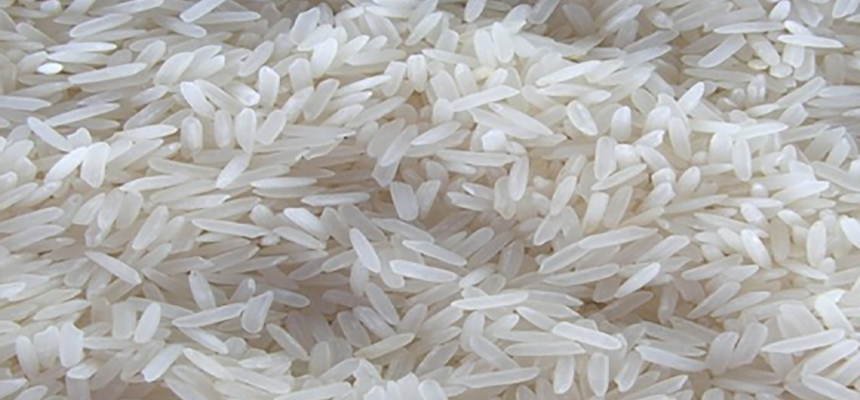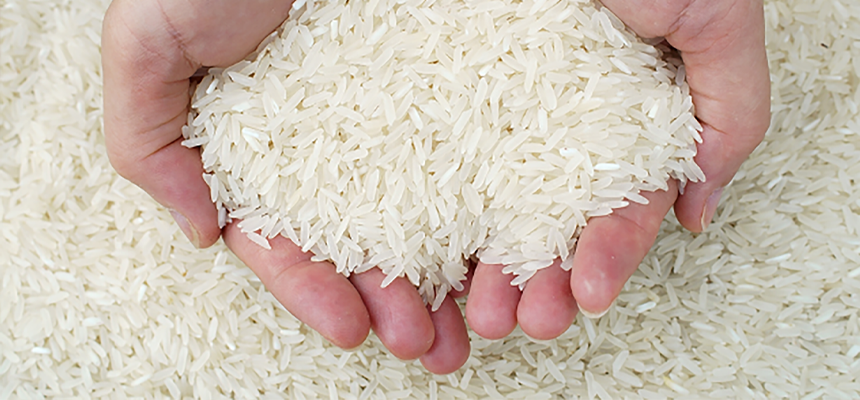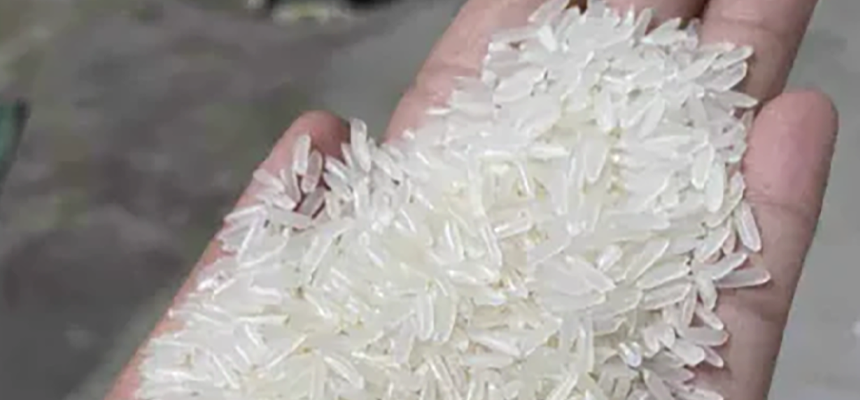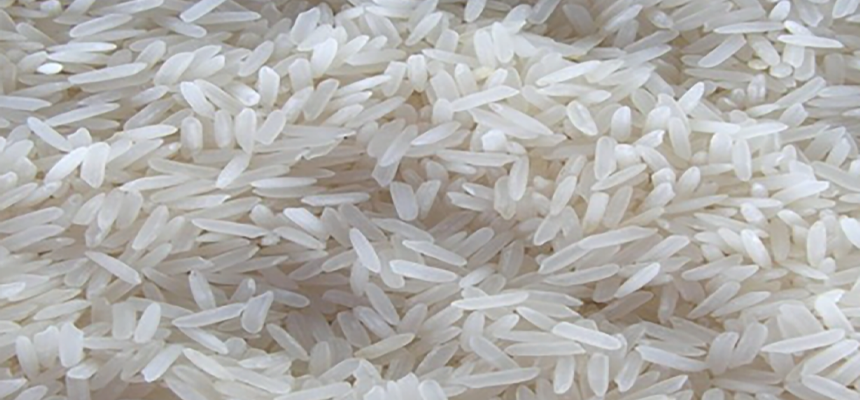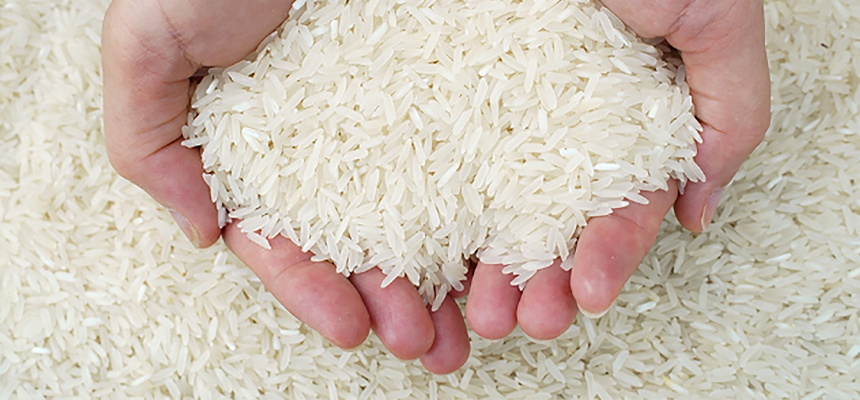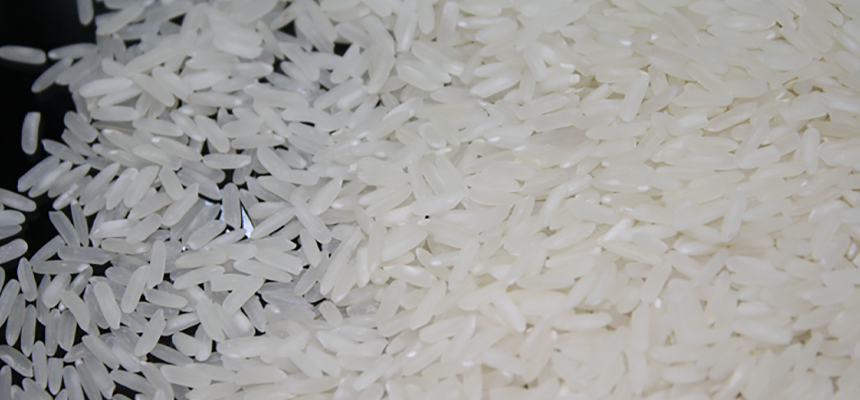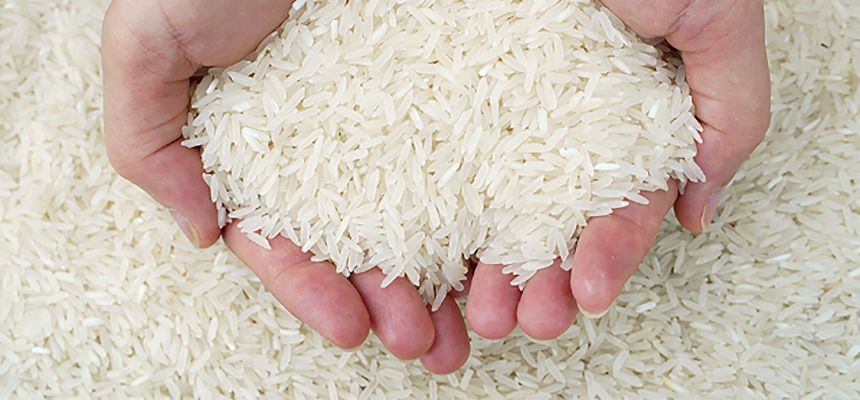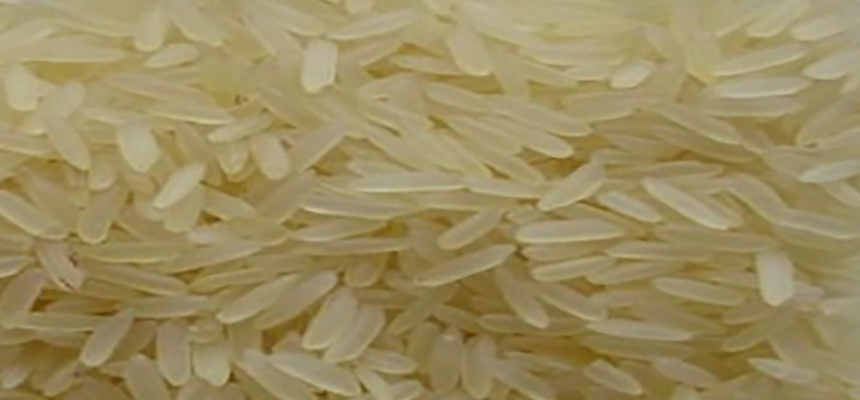

If you’ve ever wired a deposit for rice and then watched the supplier go quiet, you already know why people search for how to avoid rice supplier scams. It happens more than anyone in this trade likes to admit. We’re De Thai Products 1989 Company Limited, a rice miller and exporter in Chachoengsao, Thailand, and a good part of our week is spent answering buyers who got burned somewhere else first. This guide covers how to avoid rice supplier scams from the buyer’s side of the table, and it also shows you exactly what we sell, with specs, so you can check us the same way.
Why Learning How to Avoid Rice Supplier Scams Matters Now
Rice is a perfect product for fraud. Everybody needs it, the prices are public, the product looks the same in a photo, and most buyers have never seen the mill they’re paying. A scammer doesn’t need a warehouse. He needs a website, a few stolen photos of bags, a copied certificate and a WhatsApp number.
The losses aren’t small either. A single 20-foot container of white rice 5% broken is somewhere around 25 tons. A 30% deposit on a few containers can be tens of thousands of dollars, and once it’s gone through a personal account in a third country, you won’t see it again. So knowing how to avoid rice supplier scams isn’t a nice extra. It’s part of the job if you import food.
The good news is that almost every scam we’ve seen follows the same handful of patterns. Once you know them, they’re pretty easy to spot, and that’s the first step in how to avoid rice supplier scams.
The Most Common Rice Scams We See
The price that’s too good
This is the bait in nearly every case. Thai white rice 5% broken trades in a fairly narrow band, and you can follow the export price trend through the Thai Rice Exporters Association. If someone quotes you $60 to $100 a ton below every other mill, there’s no secret. Either the rice isn’t what they say, or there is no rice.
The fake company
Scammers copy the name, logo and address of a real Thai exporter and change only the email domain or the phone number. Sometimes the website is a near perfect clone. You think you’re dealing with a 30-year-old firm, but you’re writing to a free email account.
The fee chain
First it’s a “registration fee”. Then an “export license fee”. Then a “phytosanitary fee” or a “port clearance fee”. Each one is small enough that you pay it to protect what you’ve already paid. This is the classic advance-fee scam, just dressed in rice bags.
The bait and switch
This one involves real rice. The sample is lovely. The container that arrives is older crop, higher broken, chalky, or mixed with cheaper rice from another origin. The supplier exists, but the product doesn’t match what you agreed. It’s harder to prove, and it’s why inspection sits at the center of how to avoid rice supplier scams.
The broker who disappears
Long chains of middlemen, each adding a margin, each promising “direct mandate” from a mill. When something goes wrong, nobody in the chain is responsible. Some of these people aren’t criminals, but the setup makes it very easy to lose money.
How to Avoid Rice Supplier Scams Before You Pay Anything
Most of the protection happens before money moves. Here’s the routine we’d follow if we were the buyer and wanted to know how to avoid rice supplier scams on a first order.
Check that the company is real
Ask for the full registered company name, the registration number and the mill address. A real Thai exporter is registered with the Department of Business Development and holds an export registration with the Department of Foreign Trade. Ask for both documents. Then check the address on a map. You should see a mill, silos or a warehouse, not an apartment block.
Match the website, email and bank details
A real company emails you from its own domain. If the website says one name and the bank account says another, stop. If the bank account is in a country that has nothing to do with Thailand, stop. Part of how to avoid rice supplier scams is simply refusing to pay any account that isn’t in the seller’s company name.
Talk to a person, on video
Ask for a short video call with someone at the mill or warehouse. Ask them to walk the camera past the stock. Real exporters do this all the time. We do it most weeks. A scammer will have an excuse every single time.
Get samples and cook them
Ask for samples sent by courier from Thailand, with a tracking number that shows the origin. Cook them the way your customers will. Keep part of the sample sealed, because you’ll compare the shipment against it later.
Ask for references you can actually call
A long-time exporter can put you in touch with a buyer, a freight forwarder or an inspection company they’ve used. You don’t need ten. One real phone call with a real buyer tells you a lot.
Payment Terms That Protect You
How you pay decides how much you can lose. If you really want to know how to avoid rice supplier scams, look hard at the payment terms first, then at the price.
| Payment term | Risk to the buyer | Notes |
|---|---|---|
| 100% advance by wire | Very high | Avoid with any new supplier |
| Western Union, crypto, gift cards | Extreme | No real rice exporter asks for this |
| 30% deposit, 70% against copy B/L | Medium | Common, fine once the company is verified |
| Irrevocable L/C at sight | Low | Bank checks the documents before paying |
| CAD (cash against documents) | Low to medium | Works well with trusted partners |
A letter of credit costs a bit more in bank fees, but for a first order with a new supplier it’s money well spent. The bank pays only when the documents match what you set out: bill of lading, invoice, packing list, phytosanitary certificate, certificate of origin and an inspection certificate.
Whatever you choose, make the deposit small on a first deal and tie the balance to shipping documents you can verify. The bill of lading number can be tracked on the shipping line’s website. If the vessel or container number doesn’t exist, you’ve learned what you need to know.
Inspection Is Your Best Friend
We always tell new buyers the same thing. Pay for independent inspection at loading. Firms like SGS, Intertek and Bureau Veritas will draw samples at the warehouse, test the rice against your contract and watch it go into the containers. The inspector seals the container and records the seal numbers.
This protects you from bait and switch, and honestly, it protects good exporters too, because it ends arguments before they start. We work with SGS inspection on request and we’re happy to have it on every shipment. If a supplier gets nervous when you mention inspection, that tells you plenty about how to avoid rice supplier scams with that particular company: you walk away.
Make sure the inspection covers broken percentage, moisture, foreign matter, chalky and damaged grains, weight per bag, bag condition and the container itself. A wet or damaged container ruins good rice, which we cover in our guide on moisture in rice containers.
Red Flags in Documents
A lot of fake offers look fine at first glance. Look closer and the cracks show. Reading paperwork carefully is a big part of how to avoid rice supplier scams.
- The proforma invoice has no company registration number or tax ID.
- The “SGS certificate” is for a different product, an old date, or another buyer’s name.
- Specs are copied from a government standard but don’t say the crop year.
- The phone number on the letterhead doesn’t match the company’s public number.
- The contract is in the name of a company in a different country from the mill.
- The supplier pushes you to sign today because “the price changes tomorrow”.
- Spelling mistakes in the company’s own name. It sounds silly, but it happens all the time.
If you see two or three of these together, step back. The rush is the scam’s best tool, and slowing down is one of the simplest answers to how to avoid rice supplier scams.
What a Real Rice Specification Looks Like
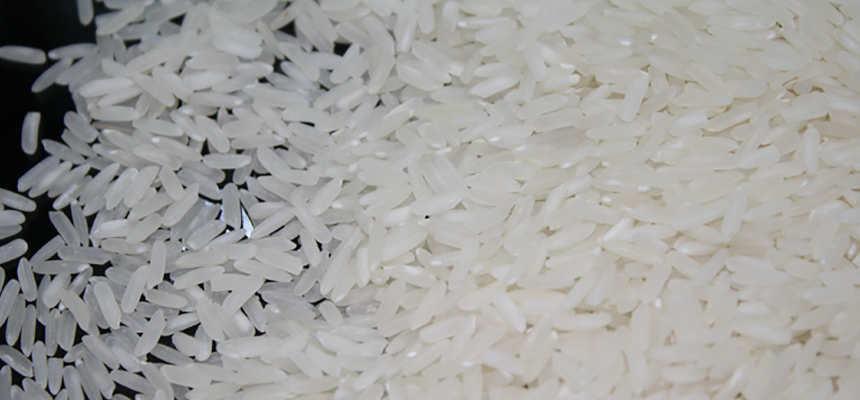
Scam offers usually come with vague specs like “premium quality, 5% broken, good color”. A real exporter gives you numbers for every line, and stands behind them at inspection. Here’s what we load against for our main white rice grade.
| Item | Thai White Rice 5% Broken |
|---|---|
| Origin | Thailand, current crop |
| Grain length | Average 7.0 mm and up |
| Broken grains | 5% maximum |
| Moisture | 14% maximum |
| Purity | 95% minimum |
| Foreign matter | 0.1% maximum |
| Damaged grains | 1% maximum |
| Chalky grains | 2% maximum |
| Milling | Well milled, double polished, sortexed |
| Packing | 5, 10, 25 or 50 kg PP or jute bags, private label available |
You can read the full sheet in our Thai white rice 5% broken specification, and if you’re not sure which grade you need, our page on Thai white rice grades breaks them down.
What We Sell, With Specs
Since this is a page about trust, we’d rather be upfront about who we are and what’s on offer. We mill and export the following grades, all packed in Thailand and shipped worldwide.
Thai fragrant rice
- Thai Hom Mali rice: 92% purity minimum, broken 4% max, moisture 14% max, new crop.
- Thai jasmine and Pathumthani fragrant rice: 80% to 92% purity options, broken 5% max.
- Organic jasmine rice for retail and health food buyers.
Thai white rice
- White rice 5% broken: specs as above.
- White rice 10% broken: broken 10% max, moisture 14% max.
- White rice 25% broken: the price-friendly grade for wholesale markets.
- 100% sortexed white rice and 100% broken white rice for processing.
Thai parboiled rice
- Parboiled 5% broken: long grain, light golden, sortexed, moisture 14% max.
- Parboiled 15% broken and parboiled 25% broken.
Glutinous and specialty
- Thai glutinous (sticky) rice 10% and 25% broken.
- Basmati, brown rice, red cargo rice and sushi rice.
Minimum order is usually one 20-foot container. We quote FOB Bangkok or Laem Chabang, CFR or CIF to your port. Current price guidance is on our rice wholesale price list 2026.
7 Proven Tips on How to Avoid Rice Supplier Scams
- Never pay a personal account. The money goes to the seller’s company account in Thailand, in the company’s name, or not at all.
- Verify the company twice. Registration, export license, mill address and a public phone number you found yourself, not one they sent you.
- Start small. One container first. A good supplier will still treat you well, and you’ll learn how they work.
- Use an L/C or a small deposit. Balance against verifiable documents only.
- Insist on third-party inspection. At the warehouse and during loading, with seal numbers recorded.
- Keep a sealed sample. It’s your proof if the shipment doesn’t match.
- Ignore pressure. Real rice prices don’t vanish in six hours. A deadline is often the trick itself.
None of these are complicated. The hard part is sticking to them when a deal looks exciting. That discipline is really the whole answer to how to avoid rice supplier scams.
Brokers, Mandates and Middlemen
Not every broker is a crook. Plenty of good agents connect small importers with mills and earn a fair commission. The problem is the chain. You talk to someone who talks to someone who “has a direct mandate” from a mill nobody can name. Each person adds a bit. Nobody holds the stock.
If you’re working through an agent, ask them to name the mill and arrange a call with it. Ask who will sign the sales contract and whose name is on the bank account. If the answers are fuzzy, you’ve found the weak point. Buying from a Thai rice mill directly cuts out most of this risk and usually a fair bit of cost.
How to Avoid Rice Supplier Scams Online
Most first contact now happens on marketplaces, Facebook groups and WhatsApp. That’s fine, but the risk is higher. A few habits help a lot with how to avoid rice supplier scams on the internet.
- Search the company name plus “scam” or “fraud” and read what comes up.
- Check the age of the website domain. A “40-year-old exporter” with a domain registered last month is a problem.
- Do a reverse image search on the product photos. Stolen photos turn up fast.
- Look for a physical address, a landline and named people, not just a contact form.
- Be wary of anyone who moves the chat off the platform straight away and asks for money early.
Our own contact details are the same everywhere: our contact page, info@dethairice.com and WhatsApp +66 81 034 6390. If someone writes to you as De Thai Rice from another email or asks you to pay a different account, please check with us first. Copycats exist, and honestly the best protection is a quick message to the real company.
What Happens If You’ve Already Paid
If you think you’ve been caught, move fast. Contact your bank the same day and ask them to try a recall of the wire. Report it to the police in your country and keep every message, invoice and payment record. Contact the real company whose name was used. If the deal touched an international bank, the International Chamber of Commerce has resources on trade fraud that can point you in the right direction.
Don’t pay any “recovery agent” who promises to get your money back for a fee. That’s often the same scam, coming round a second time.
A Short Story From Our Inbox
A typical case goes something like this. A buyer contacts us asking when his container will arrive. We’ve never heard of him. He sends a contract with our name on it, a logo that’s close to ours, and a bank account in a country we’ve never shipped from. He paid a deposit three weeks earlier. The “sales manager” stopped replying after asking for a customs fee.
We can’t fix that for him, and it’s frustrating. But almost every time, one email to our published address before paying would have stopped it. That’s why we keep repeating the basics of how to avoid rice supplier scams on every page we can.
How We Work With New Buyers
Here’s what dealing with us looks like, so you know what normal should feel like.
- You tell us the rice, grade, bag size, quantity and destination port.
- We send a written offer with a full spec sheet and validity date.
- We courier samples from Thailand if you want them.
- We sign a sales contract in our company name, De Thai Products 1989 Company Limited.
- You pay by L/C or a deposit to our company account in Thailand, with the balance against documents.
- The rice is milled, sorted, bagged, inspected and loaded. You get photos and inspection reports.
- Original documents go to your bank or to you by courier.
There’s nothing clever in that list. It’s just how honest trade is supposed to work. If you’d like more background on how we operate, read about our quality control, our company and why we’re listed among the best rice exporters in Thailand.
Choosing Between Suppliers Without Getting Burned
If you’re comparing three or four offers, put them side by side on the same basis. Same grade, same crop year, same bag, same Incoterm, same port. A lot of “cheap” offers are cheap because they quote a lower grade, old crop, or FOB from a port that isn’t in Thailand at all.
Ask each supplier the same questions and note how fast and how clearly they answer. The clear, patient answers usually come from people who actually load containers. That simple test does a surprising amount of the work in how to avoid rice supplier scams.
If you’re new to importing, our guides on bulk rice for sale and rice trading in Thailand walk through the rest of the process.
How to Avoid Rice Supplier Scams by Region
The tricks change a little depending on where you buy and where you sell. Buyers in West Africa often get offers for “Thai parboiled” that’s actually from somewhere else, rebagged with Thai print. Buyers in the Gulf see a lot of fake jasmine, where cheap white rice is mixed with a bit of fragrant rice and sold at Hom Mali prices. In Europe and the UK the problem is more often paperwork: fake organic certificates and fake food safety audits.
So how to avoid rice supplier scams depends partly on your market. If you buy parboiled, ask for the mill’s parboiling plant on video and check the color and grain length against our parboiled 5% broken FOB price guide. If you buy jasmine, ask for the purity figure in writing and test it. A DNA or 2-AP test at a lab costs far less than a container of mixed rice.
For buyers in the Middle East, we’ve written a separate page on Thai white rice for Middle East importers that covers labeling and halal paperwork in more depth.
Building a Simple Checklist for How to Avoid Rice Supplier Scams
We’d suggest printing a one-page checklist and using it on every new supplier, even ones a friend recommends. Friends get fooled too. Here’s a short version you can copy.
- Company registration, export license and mill address checked.
- Phone number found independently and called.
- Video call from the warehouse done.
- Samples received by courier from Thailand and cooked.
- Contract in the company’s name, specs with numbers, crop year stated.
- Bank account in the company’s name, in Thailand.
- L/C or small deposit, balance against documents.
- Independent inspection booked for loading.
If any box stays empty, don’t pay yet. That’s really all how to avoid rice supplier scams comes down to: no shortcuts on the checklist, ever. It takes a few days the first time. After that it’s routine, and your suppliers will respect you for it.
One more point on how to avoid rice supplier scams with repeat suppliers. Don’t relax completely after three good shipments. Some frauds start with a hacked email account at a real company, and a message says the bank details have changed. Always confirm any change of bank account by phone, on a number you already had. It takes two minutes and it’s saved buyers a lot of money.
We also suggest sharing what you learn. If you get a fake offer using a real mill’s name, tell the mill. If you’re part of an importers’ group, tell them too. The more buyers who know how to avoid rice supplier scams, the harder it gets for the fraudsters to work, and the better it is for every honest exporter in Thailand, including us.
Frequently Asked Questions
What’s the quickest way to check a Thai rice supplier?
Ask for the company registration and export license, check the address on a map, and call the company on a number you found independently. Then ask for a video call from the mill. That covers most of how to avoid rice supplier scams in under a day.
Is a very low price always a scam?
Not always, but it’s always a question. If the price is far below the market, find out why. Usually it’s a lower grade, old crop or no rice at all.
Do you accept letters of credit?
Yes. We accept irrevocable L/C at sight and deposit plus balance against documents. We don’t accept, and never ask for, payments to personal accounts or through money transfer apps.
Can I visit the mill?
Yes. Buyers visit us in Chachoengsao regularly. If you can’t travel, we’ll do a video walkthrough.
Who pays for inspection?
Normally the buyer chooses and pays the inspector, so it’s fully independent. We can arrange it for you if that’s easier.
Buy Thai Rice From a Mill You Can Verify
The whole point of learning how to avoid rice supplier scams is so you can stop worrying and get on with selling rice. Check us the way this guide suggests. Ask for our papers, call us, get samples, send an inspector. We’d rather earn your trust properly than rush you.
Send your enquiry to info@dethairice.com, WhatsApp +66 81 034 6390, or use our contact page. You can browse all our rice products or check our FAQ first.