


If you need a rice supplier with SGS inspection on every shipment, that’s how we work as standard. We’re a Thai rice exporter selling Hom Mali, jasmine, white rice, parboiled rice, sticky rice and broken rice by the container, and every lot can be checked by SGS (or Intertek, or Bureau Veritas, your choice) before it leaves Thailand. This page explains what we sell, the specs SGS checks against, how the inspection actually works on the ground, what it costs, and how to set it up in your contract.
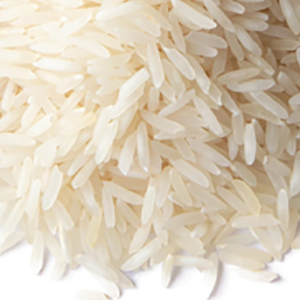
We’re De Thai Products 1989 Company Limited, exporting Thai rice since 1989 and working as a rice supplier with SGS inspection for most of that time. Over that time we’ve loaded thousands of containers under independent inspection. We’d go further and say a rice supplier with SGS inspection isn’t a luxury. For anyone buying rice from overseas, it’s the one thing that protects you when you can’t be standing at the port yourself.
Table of Contents
Who We Are
We buy paddy and milled rice from mills in Thailand’s central plains and northeast, then clean, sort, grade and pack it for export. We ship out of Bangkok and Laem Chabang to importers, wholesalers, supermarkets, food factories and governments around the world. Our buyers range from small family importers taking one container a quarter to tender buyers taking thousands of tons.
What they have in common is that none of them want surprises. That’s why most of them ask for independent inspection, and why we built our whole loading routine around it. You can read more about us and see our achievements.
What We Sell
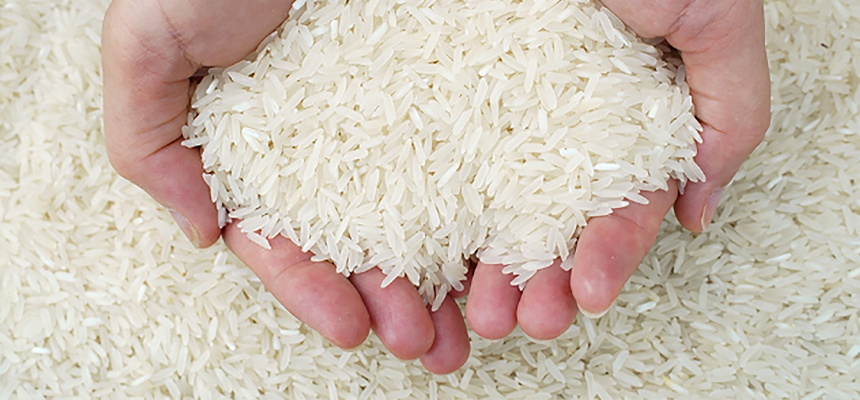
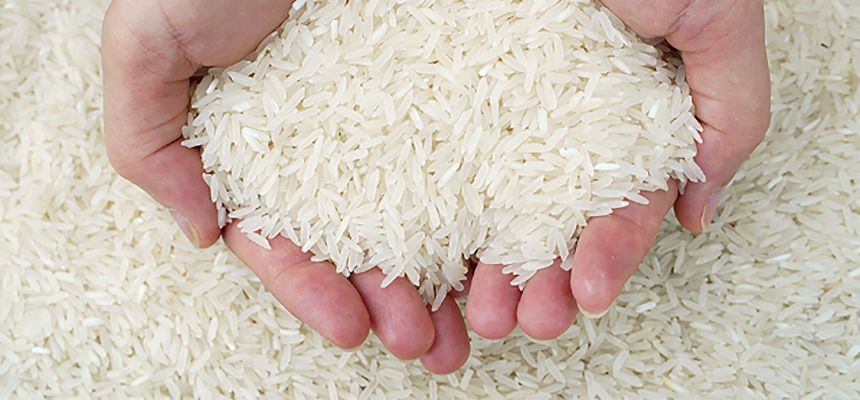
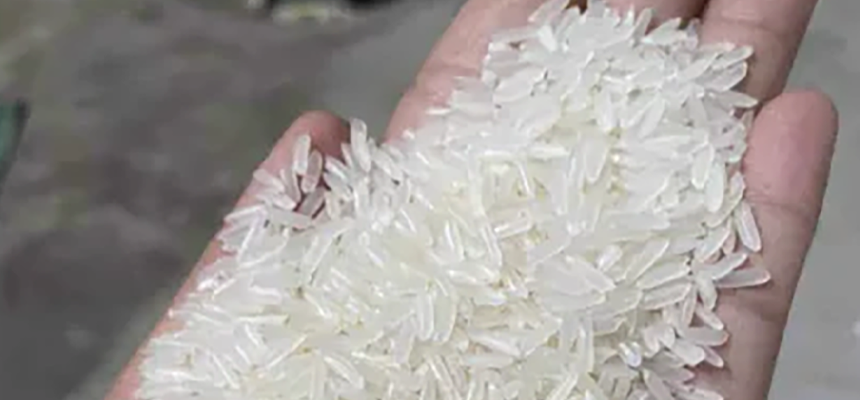
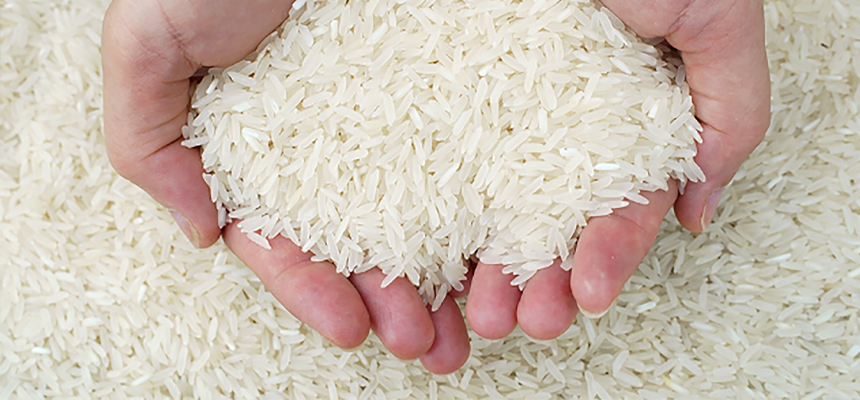
As a rice supplier with SGS inspection on request for every lot, everything below can be checked at loading. Each one links to its own page with photos and specs.
- Thai Hom Mali rice 100% Grade A, 92% purity. See Thai Hom Mali rice.
- Thai jasmine rice (Pathumthani fragrant). See Thai jasmine rice.
- White rice 5%, 10%, 25% and 100% broken. See white rice 5% broken.
- Parboiled rice 5%, 15%, 25% and 100% broken. See parboiled rice 5% broken.
- Thai glutinous rice 10% and 25% broken. See Thai glutinous rice.
- Brown, red cargo and organic jasmine rice. See red cargo rice.
- Basmati, sushi and Calrose type rice for mixed orders. See sushi rice.
Full range on our products page.
Why Buyers Want a Rice Supplier With SGS Inspection
Rice looks simple. It isn’t, and that’s why buyers look for a rice supplier with SGS inspection. Two bags can look the same and be very different inside: more broken grains, more chalky grains, higher moisture, a weaker smell, an older crop. Most buyers only find out when the rice lands, and by then the money’s gone.
A rice supplier with SGS inspection takes that risk off the table. An independent inspector who works for neither side checks the rice against the contract before loading. If it doesn’t match, it doesn’t ship. If it does, you get a certificate you can show your bank, your customs and your own customers.
For L/C buyers, a rice supplier with SGS inspection is even more important. Most banks want an inspection certificate as one of the documents before they pay. No certificate, no payment.
Who SGS Is
SGS is a Swiss-based inspection, testing and certification company, one of the biggest in the world. It’s been checking traded goods, including grain and rice, for well over a century. You can read its background on Wikipedia’s SGS page and see its services on the SGS website.
SGS has offices and inspectors in Thailand who work the rice ports every day. Intertek and Bureau Veritas do the same job and are just as widely accepted. When we say rice supplier with SGS inspection, we mean any of the major independent surveyors your contract names.
Specifications SGS Checks
The surveyor checks the rice against the spec in your contract. These are our standard export specs. As a rice supplier with SGS inspection, we write them into the contract line by line so there’s no argument later.
Fragrant rice
| Parameter | Hom Mali 100% Grade A | Jasmine (Pathumthani) |
|---|---|---|
| Purity (fragrant) | Min 92% | Min 80% |
| Broken | Max 4% | Max 5% |
| Moisture | Max 14% | Max 14% |
| Grain length | 7.0 mm and up | 7.0 mm and up |
| Chalky kernels | Max 6% | Max 6% |
| Damaged kernels | Max 0.25% | Max 0.25% |
| Red and undermilled | Max 0.5% | Max 0.5% |
| Foreign matter | Max 0.1% | Max 0.1% |
| Paddy grains | Max 5 per kg | Max 5 per kg |
White and parboiled rice
| Parameter | White 5% broken | White 25% broken | Parboiled 5% broken |
|---|---|---|---|
| Broken | Max 5% | Max 25% | Max 5% |
| Moisture | Max 14% | Max 14% | Max 14% |
| Grain length avg | 7.0 mm | 6.5 mm | 7.0 mm |
| Chalky kernels | Max 6% | Max 7% | N/A |
| Damaged kernels | Max 0.25% | Max 1% | Max 0.5% |
| Black or peck kernels | N/A | N/A | Max 0.1% |
| Foreign matter | Max 0.1% | Max 0.2% | Max 0.1% |
| Milling | Double polished, sortexed | Well milled | Double polished, sortexed |
Our rice standard page explains each line, and Thai Hom Mali rice 92% purity goes deeper on fragrant purity.
What SGS Actually Does at Loading
People hear “inspection” and picture someone glancing at a few bags. A proper job is more thorough. Here’s what happens when you buy from a rice supplier with SGS inspection like us.
- Booking. We or you book SGS with the loading date, warehouse address, product, quantity and contract spec.
- Sampling. The inspector draws samples from a set share of bags across the whole lot, using a sampling spear, not from one handy corner.
- Lab testing. The samples go to the lab for broken, moisture, chalky, damaged, foreign matter, grain length and, for fragrant rice, purity.
- Weight check. A sample of bags is weighed to confirm net weight.
- Packing check. Bag type, printing, marks and condition are checked against the contract.
- Container check. The inspector checks each container is clean, dry and sound before loading.
- Loading supervision. They count bags into each container and watch the doors close.
- Sealing. Container seals are recorded so you can check them on arrival.
- Certificate. SGS issues the certificate of quality, weight and packing, with photos if asked.
That certificate goes in your document set with the bill of lading, phyto and fumigation certificates.
Types of SGS Certificates for Rice
| Certificate | What it confirms | Who usually asks for it |
|---|---|---|
| Quality certificate | Rice meets contract spec | Almost all buyers, banks |
| Weight certificate | Net and gross weight | Almost all buyers, banks |
| Packing certificate | Bags, marks, condition | Most buyers |
| Fumigation supervision | Fumigation was done properly | Some countries |
| Loading supervision / tally | Bag count per container, seals | Tenders, L/C buyers |
| Lab analysis (residues, heavy metals, aflatoxin) | Food safety limits met | EU, US, Japan, supermarkets |
A rice supplier with SGS inspection can arrange any of these. Ask for what you need in the contract. Extra lab tests cost more and take a few extra days, so book them early.
Who Pays for SGS?
It depends on what you agree. As a rice supplier with SGS inspection, we’re fine either way.
- Buyer pays, buyer appoints. Most common for careful buyers. You book SGS, you get the report directly. This is the most independent setup.
- Seller pays, buyer names the company. We book and pay, it’s built into the price.
- Split cost. Sometimes used on tenders.
A standard quality, weight and packing inspection usually costs a few hundred dollars per lot, depending on size. Lab residue testing adds more. It’s small next to the value of a container of rice.
How to Put SGS in Your Contract
The inspection is only as good as the contract it’s checked against. When you buy from a rice supplier with SGS inspection, make sure your contract says:
- The name of the surveyor (for example SGS Thailand).
- Inspection at port of loading, and that its result is final for quality and weight. Or say what happens if the rice is re-tested at your end.
- Every spec point in numbers.
- Which certificates must be issued.
- Who pays.
- What happens if the rice fails. Usually the supplier must replace or re-sort at its own cost.
If you buy by L/C, the bank will check the certificate wording against the L/C. One mismatch can delay payment. We send draft certificates for your check before the originals are issued. More on paperwork in our rice export documents guide.
What Happens If a Lot Fails
It does happen now and then, even to careful suppliers. Moisture can rise on a wet week. A sorting machine can drift. As a rice supplier with SGS inspection, here’s what we do when the surveyor flags a problem:
- We stop loading straight away.
- We re-sort, re-dry or replace the lot.
- SGS re-inspects before anything ships.
- We tell you what happened and whether the loading date moves.
A failed inspection at our warehouse costs us a few days. A failed shipment at your port would cost you weeks and a lot of money. We’d rather take the hit here.
Our Own Checks Before SGS Arrives
We don’t wait for SGS to tell us the rice is good. Our team checks every lot before it’s packed: broken, moisture, chalky, purity, smell and foreign matter. We keep a retention sample from every shipment for at least six months. If there’s ever a question later, we can pull the same rice and test it again. See the full list on our quality control page.
The point is that SGS should be a confirmation, not a discovery. A rice supplier with SGS inspection who relies on SGS to catch problems is doing it backwards.
SGS vs Intertek vs Bureau Veritas
A rice supplier with SGS inspection should be just as happy with the other two. All three are big, respected and accepted by banks and governments worldwide. In Thailand, all three have rice inspectors at the main ports. Which one to use usually comes down to:
- What your bank or tender rules say.
- Which one your own country’s customs knows best.
- Price and availability on your loading date.
We work with all three. We’re also happy with other reputable surveyors if your contract names them. You can read about the others at Intertek agriculture and Bureau Veritas.
Testing Hom Mali Purity
Fragrant rice needs one more check that white rice doesn’t: purity. Thai Hom Mali Grade A must be at least 92% Hom Mali grains. You can’t see that by eye. The usual tests are an alkali test on the grains and, for stricter buyers, a DNA test that tells true Hom Mali varieties from other fragrant or non-fragrant rice. Thailand’s Department of Foreign Trade also checks Hom Mali before it issues its own certificate.
When you buy fragrant rice from a rice supplier with SGS inspection, ask for purity to be tested and stated on the certificate. It’s the single most common place where cheap Hom Mali offers cut corners. Our guide on how to identify genuine Thai Hom Mali rice explains the tests in plain terms.
Lab Tests Different Markets Ask For
Not every country wants the same thing. Here’s what we usually see. A rice supplier with SGS inspection should know these before you ask.
- European Union and UK: pesticide residues against EU limits, aflatoxin, sometimes arsenic and cadmium.
- United States and Canada: pesticide residues, heavy metals, label checks. See our page on FDA requirements for importing rice.
- Japan and Korea: a long list of residues, very low tolerances, sometimes GMO testing.
- Middle East: halal paperwork, shelf life labelling, sometimes residue and moisture tests by the local authority on arrival.
- Africa: mostly quality, weight and fumigation, plus the national standards body’s requirements in some countries.
- Australia and New Zealand: biosecurity checks, fumigation and import permits. See rice import permit requirements for Australia.
These tests are done at SGS labs or other accredited labs in Thailand, and the results go with your documents.
Inspection at Your Port Too
Loading inspection protects you from getting the wrong rice. A discharge inspection, done at your port when the containers are opened, protects you from what might happen in transit: water damage, a broken seal, a short count. Some buyers book both, especially on large orders or new routes.
If you do, write into the contract which result counts if they differ. Normally the loading certificate is final for quality and weight at the time of shipment, and the discharge report is used for insurance claims if something went wrong at sea. A good rice supplier with SGS inspection will help you set this up clearly.
How to Check a Certificate Is Real
Sadly, fake inspection certificates do turn up in the rice trade, usually from sellers who never had any rice. Before you pay, it’s worth checking:
- Contact the surveyor’s local office directly, using contact details from their official website, not the ones printed on the certificate.
- Ask them to confirm the certificate number, date, quantity and container numbers.
- Compare the container and seal numbers with the bill of lading.
- Be wary if a seller refuses to let you book the surveyor yourself.
A real rice supplier with SGS inspection will be glad you checked. We are.
Mistakes Buyers Make With Inspections
- Vague specs. SGS can only check what the contract says. If it says “premium quality,” there’s nothing to measure.
- Booking too late. Surveyors get busy. Book a week ahead.
- Not asking for lab tests until the rice is packed. Some tests take days. Plan them in.
- Ignoring the report. Read it. Look at the photos. Check the numbers against your contract.
- Letting the seller pick an unknown surveyor. Stick to recognised names.
Packing and Shipping
As a rice supplier with SGS inspection, we let the surveyor check bags and marks too. We pack in 1 kg to 10 kg retail bags, 25 kg and 50 kg PP or BOPP bags, and 1 MT jumbo bags. Private label is available. A 20ft container holds about 25 to 27 MT. We ship from Bangkok and Laem Chabang to ports worldwide, and fumigate and line every container before loading. See how many tons of rice fit in a 20ft container.
Prices
Using a rice supplier with SGS inspection doesn’t mean paying a lot more. The inspection fee is small per ton. Rice prices themselves move with the market. In late 2026, Thai white rice 5% broken has been in the mid $400s per ton FOB, Hom Mali 92% around $1,150 to $1,250. Our rice wholesale price list 2026 has the full table, and we always quote firm prices on request.
Buyers Who Need a Rice Supplier With SGS Inspection Most
Government and aid tenders
Tenders almost always want a rice supplier with SGS inspection or similar. They name an inspection company and require loading supervision. See our government tender guide and food aid programs page.
Supermarkets and food factories
They want lab analysis for residues and contaminants, not just a visual check. See rice for supermarkets.
First-time importers
If you’ve never bought from us, an independent inspection is the easiest way to build trust on both sides. We’d recommend it on every first order.
L/C buyers
Your bank will almost certainly ask for the certificate anyway.
A Typical Order Under SGS Inspection
Here’s an example. A wholesaler buys two 20ft containers of Hom Mali Grade A in 25 kg bags, CFR, payment by L/C, SGS inspection at loading paid by the buyer.
- We agree price and sign a contract with every spec point and SGS named.
- The buyer opens the L/C. We check the wording and ask for fixes if needed.
- We mill, sort and pack. Our team runs its own tests.
- The buyer books SGS for the loading date. We confirm address and timing.
- SGS samples, tests, weighs, checks containers and supervises loading.
- SGS issues the certificate. We get the Hom Mali certificate from the Department of Foreign Trade.
- The vessel sails. We present documents to the bank.
About three to four weeks from contract to sailing.
7 Proven Tips for Working With a Rice Supplier With SGS Inspection
- Book SGS yourself on the first order. You’ll get the report straight from them.
- Write every spec as a number. Not “good quality”.
- Ask for photos in the report. Bags, rice, container, seals.
- Add lab tests if your market needs them. Residues, aflatoxin, heavy metals.
- Check the certificate against your L/C wording. Before the original is issued.
- Keep your own sample. Ask SGS to send you a sealed one.
- Check seals on arrival. Compare them with the numbers on the certificate.
Frequently Asked Questions
Can I choose a surveyor other than SGS?
Yes. Intertek, Bureau Veritas and other recognised surveyors are fine.
Does SGS inspection delay shipping?
Usually not. It’s done on the loading day. Extra lab tests can add a few days, so we book them early.
Is SGS inspection required for every order?
Not required, but we recommend it. As a rice supplier with SGS inspection by default, we’re set up for it on every order.
Can SGS check the rice again at my port?
Yes, you can book a discharge inspection too. Agree in the contract which result is final.
What’s the minimum order?
One 20ft container. See Thai rice minimum order quantity.
Talk to a Rice Supplier With SGS Inspection
Tell us the grade, bag, quantity, port and which surveyor you want. We’ll send a firm price, spec sheet and a draft contract with the inspection terms written in, usually within one working day.
Email info@dethairice.com, WhatsApp +66 81 034 6390, or use our contact page. Related reading: rice trading company Thailand, bulk rice for sale and how to identify genuine Thai Hom Mali rice.


2 thoughts on “Rice Supplier With SGS Inspection: Trusted Thai Mill Offer and 7 Proven Tips”