


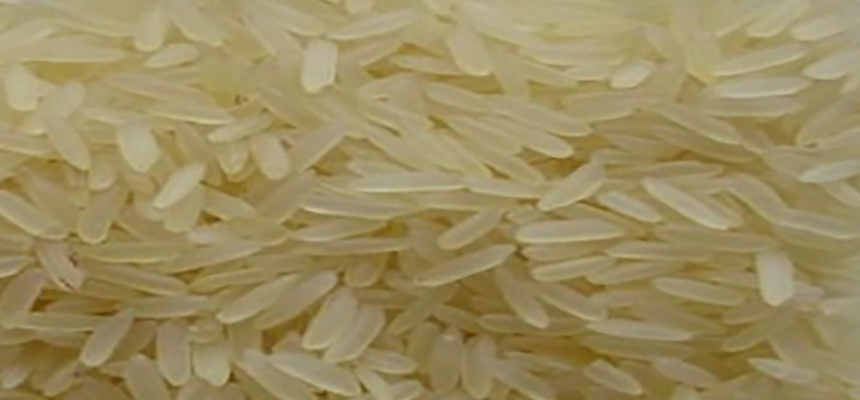
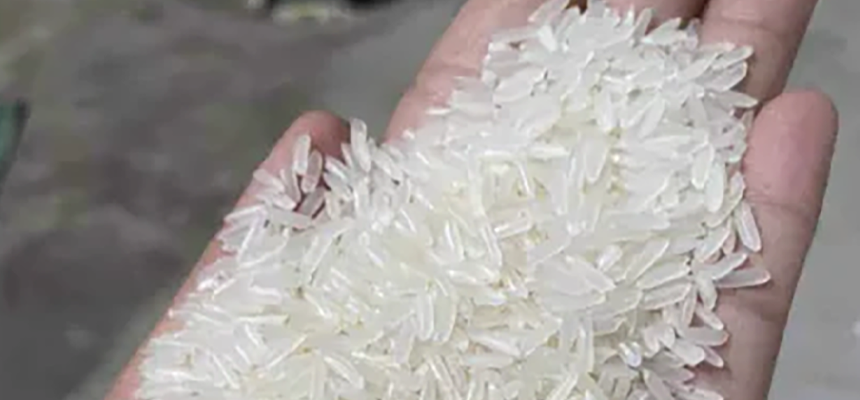
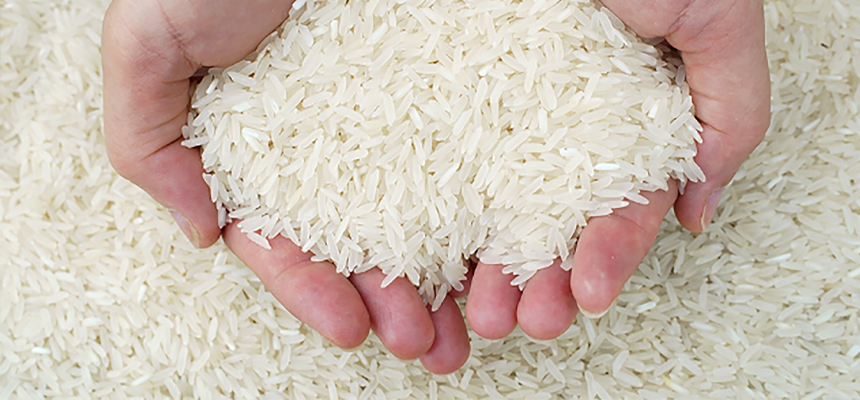
What is jasmine rice? Jasmine rice is a long grain fragrant rice from Thailand, known for its soft texture and its sweet, natural aroma. In Thailand it is called khao hom mali. “Hom” means fragrant and “mali” means jasmine. The name comes from the grain’s white colour, like a jasmine flower, and its pleasant smell. It does not actually smell of jasmine flowers.
We are a Thai rice exporter, and jasmine rice is one of our main products. This guide explains what jasmine rice is, where it comes from, why it smells the way it does, the different types, and how to cook and store it.

Table of Contents
Jasmine Rice Definition
Here is a simple jasmine rice definition: a long grain, fragrant rice that cooks soft, moist and slightly sticky, with a sweet, popcorn-like aroma. It is the everyday rice of Thailand and one of the most popular rices in the world. Wikipedia’s jasmine rice article has more on its history.
| Feature | Jasmine rice |
|---|---|
| Origin | Thailand |
| Thai name | Khao hom mali |
| Grain | Long and slender |
| Colour | Translucent white (also brown) |
| Aroma | Sweet, pandan and popcorn notes |
| Texture when cooked | Soft, moist, slightly sticky |
| Main varieties | KDML 105, RD15, Pathumthani 1 |
| Gluten | None |
Where Does Jasmine Rice Come From?
Jasmine rice is a Thai rice. The best known variety, Khao Dawk Mali 105 (KDML 105), was developed by Thai rice breeders in the mid-1900s and is still grown today. You can read more about it in our guide to Hom Mali 105 rice (KDML 105).
The finest jasmine rice grows in the northeast of Thailand, known as Isan. The Thung Kula Ronghai plain there is famous for its Hom Mali rice. The sandy soil and the cool, dry weather at harvest time help the grains build their aroma. Most Hom Mali is grown once a year, in the rainy season, and harvested from around November.
Why Does Jasmine Rice Smell So Good?
The aroma comes from a natural compound called 2-acetyl-1-pyrroline, often shortened to 2-AP. It is the same compound that gives pandan leaves and freshly baked bread their sweet smell. Jasmine rice varieties carry a natural trait that lets them build up more of it than ordinary rice.
The aroma is strongest in the months after harvest and slowly fades as the rice ages. That is why buyers of jasmine rice always ask about the crop year.
Why Is Jasmine Rice Soft and Slightly Sticky?
Rice starch is made of two parts, amylose and amylopectin. Jasmine rice has less amylose than ordinary long grain rice, so it cooks softer and a little stickier. It is not as sticky as glutinous rice, which is almost all amylopectin. That balance, soft but still in separate grains, is what people love about it.
Types of Jasmine Rice
When people ask what is jasmine rice, they are often surprised to find there is more than one kind:
| Type | What it is |
|---|---|
| Thai Hom Mali rice | The premium jasmine rice, from KDML 105 and RD15, with the strongest aroma. Graded by purity, 92% minimum for export |
| Thai jasmine rice (Pathumthani fragrant) | A fragrant Thai rice with a milder aroma, grown more than once a year, at a lower price |
| Brown jasmine rice | Jasmine rice with the bran left on, nuttier and higher in fibre |
| Organic jasmine rice | Certified organic Thai jasmine rice |
For a full comparison of the two main types, see Thai Hom Mali vs jasmine rice.
Jasmine Rice vs Ordinary White Rice
| Jasmine rice | Ordinary long grain white rice | |
|---|---|---|
| Aroma | Strong and sweet | Mild or none |
| Texture | Soft, moist, slightly sticky | Firmer, drier, more separate |
| Water to cook | A little less | A little more |
| Best for | Thai and Asian dishes, everyday side rice | Pilafs, rice salads, mixed dishes |
| Price | Higher | Lower |
See our Thai white rice 5% broken for the everyday white rice we also export.
How to Cook Jasmine Rice
- Rinse. Wash the rice two or three times in cold water until the water runs almost clear.
- Measure the water. About 1 cup of rice to 1¼ cups of water. New crop rice needs a little less water, older rice a little more.
- Cook. In a rice cooker, or in a covered pot: bring to the boil, then turn the heat to low for about 15 minutes.
- Rest. Leave the lid on for 10 minutes off the heat, then fluff with a fork.
For fried rice, cook the rice the day before and chill it. Cold rice separates in the pan instead of clumping.
What Is Jasmine Rice Used For?
- Everyday steamed rice with Thai curries, stir fries and soups
- Fried rice, once it has been cooked and cooled
- Rice bowls and plate lunches
- Rice porridge (khao tom and jok)
- A fragrant side rice for any cuisine
Is Jasmine Rice Healthy?
Jasmine rice is naturally gluten-free and low in fat and sodium, and it is a good source of energy. White jasmine rice has a high glycemic index, so portions matter, especially for people watching their blood sugar. Brown jasmine rice adds fibre and minerals. Read the full picture in jasmine rice health benefits.
How to Store Jasmine Rice
- Keep it in a sealed container or closed bag
- Store it somewhere cool, dry and dark
- Keep it away from strong smells, which rice absorbs easily
- Use it within a year or so for the best aroma
For importers holding stock, the same rules apply on a bigger scale: dry, shaded warehouses, bags on pallets, and oldest stock sold first.
How to Tell Good Jasmine Rice
- Smell. A clear, sweet smell even before cooking
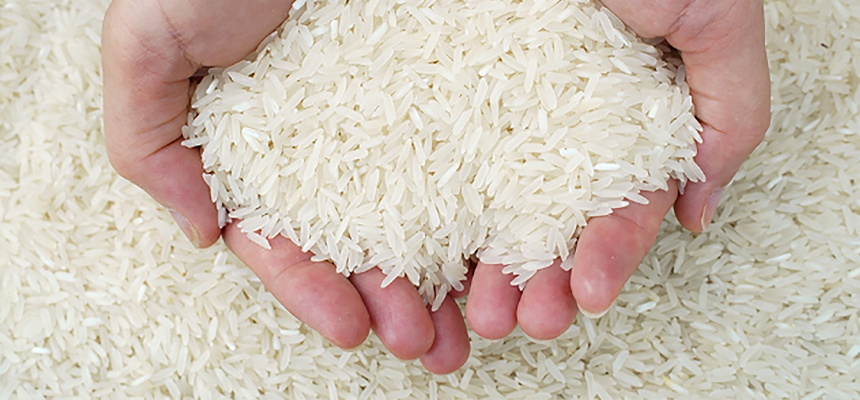
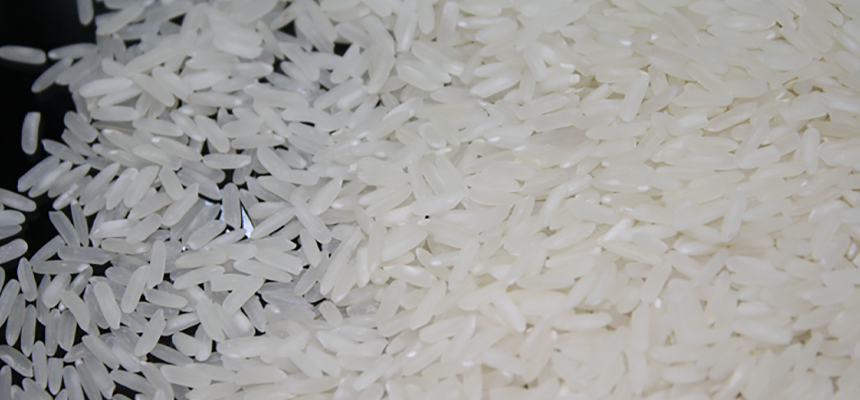
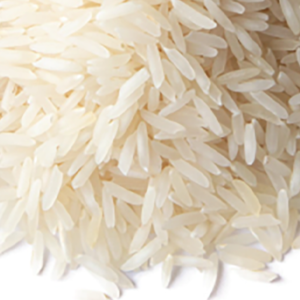
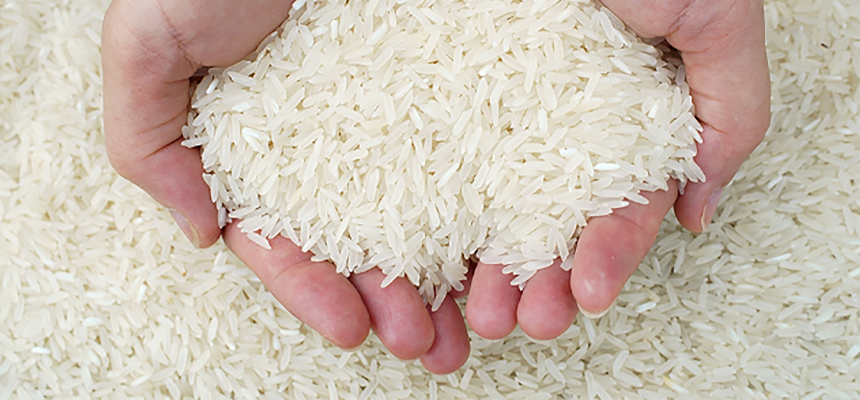
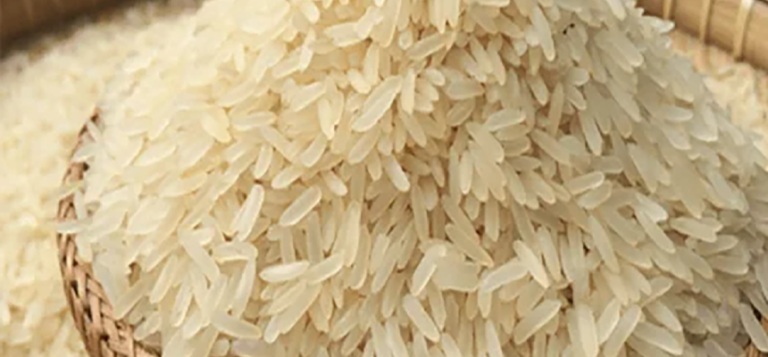
- Look. Long, slender, translucent grains with few broken or chalky ones
- Cook. Soft, glossy and fragrant, not hard or mushy
- Label. For premium rice, look for Thai Hom Mali, the crop year and the purity grade
Frequently Asked Questions
What is jasmine rice in simple terms?
A long grain, fragrant Thai rice that cooks soft and slightly sticky, with a sweet smell.
Does jasmine rice smell like jasmine flowers?
No. The name comes from its white colour and pleasant smell. The aroma is closer to pandan leaves or popcorn.
Is jasmine rice white rice?
Most jasmine rice sold is white, with the bran removed. Brown jasmine rice is also available.
Is jasmine rice the same as Hom Mali rice?
Thai Hom Mali is the premium type of jasmine rice. All Hom Mali is jasmine rice, but not all jasmine rice is Hom Mali.
Is jasmine rice sticky rice?
No. It is slightly sticky, but sticky rice is a different type called glutinous rice.
Is jasmine rice gluten-free?
Yes. All rice is naturally gluten-free.
Buy Thai Jasmine Rice From Us
Now you know what jasmine rice is, here is where to get it. We export Thai Hom Mali rice, Thai jasmine rice and organic jasmine rice worldwide, in bags from 1kg to 50kg, with private label available. See our guide for buyers looking for a Thai jasmine rice supplier.
Email info@dethairice.com, WhatsApp +66 81 034 6390, or use our contact page.
One thought on “What Is Jasmine Rice? Best Guide to Thai Fragrant Rice”