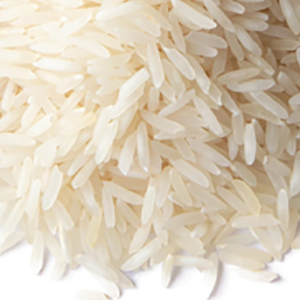
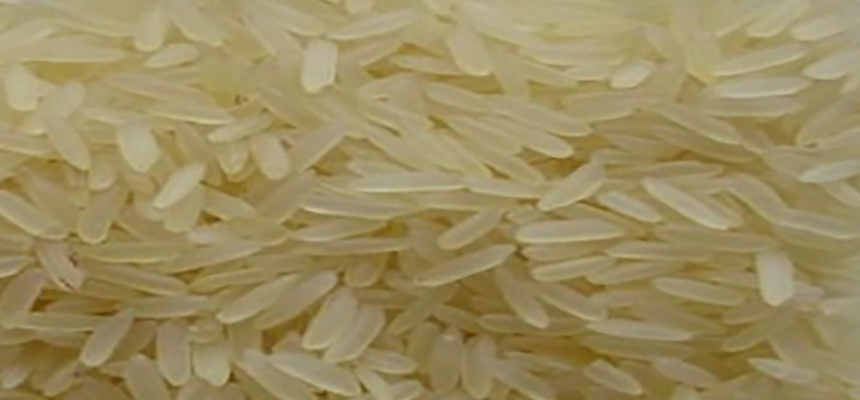
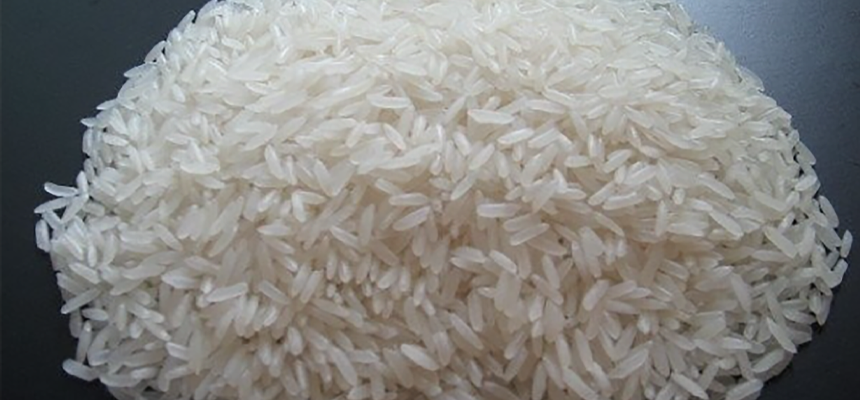
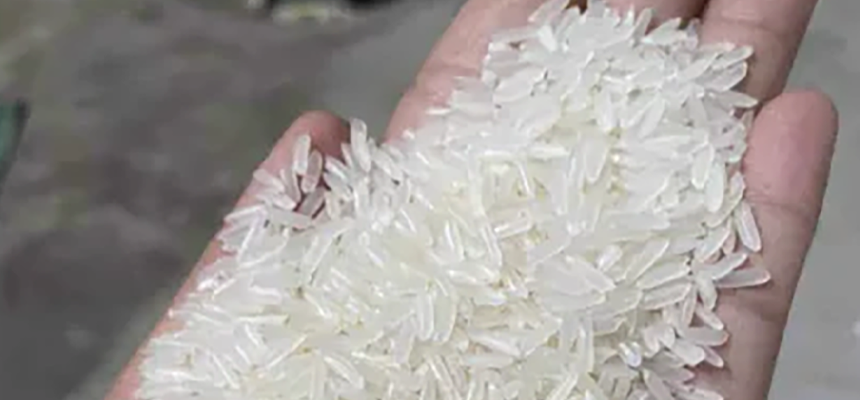
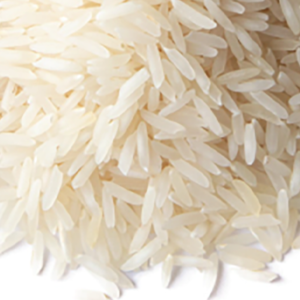
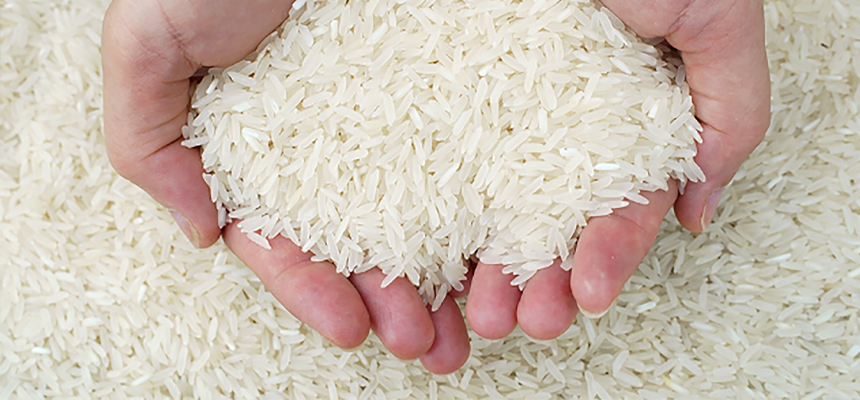
People ask us about jasmine rice vs white rice almost every week. Sometimes it is a home cook who wants to know why the jasmine bag costs more. More often it is a wholesaler or a supermarket buyer trying to decide which one to stock, and how much of each. The short answer is that jasmine rice is a white rice too, just a special one. The long answer is what this page is for.
We are De Thai Products 1989 Company Limited, a rice miller and exporter in Thailand. We sell both sides of the jasmine rice vs white rice question: Thai Hom Mali and jasmine rice, and long grain white rice from 5% to 100% broken. We ship them in bulk and retail bags to buyers worldwide, and a lot of our customers put both in the same container. So this is written by people who mill, grade and sell both every day.
Table of Contents
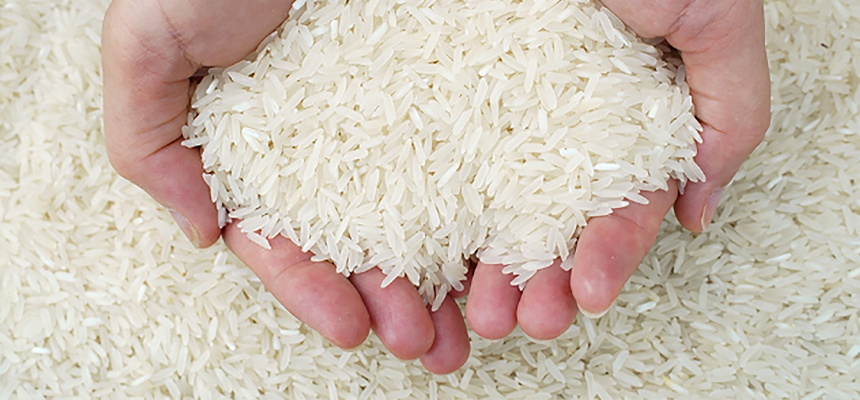
Jasmine Rice vs White Rice: The Short Answer
Here is the quick version before we get into detail.
- Jasmine rice is a long grain fragrant variety from Thailand. It smells floral, cooks soft and slightly sticky, and costs more.
- Plain white rice, in the export trade, usually means non-fragrant long grain rice milled to a set broken percentage. It is neutral in smell, cooks fluffy and separate, and costs less.
- Both are milled the same way. Husk and bran come off, the grain is polished white.
So jasmine rice vs white rice is mostly a question of variety, smell, texture and price, not of processing.
Jasmine Rice vs White Rice Side by Side
This table covers the points buyers ask about most.
| Feature | Thai jasmine rice | Thai long grain white rice |
|---|---|---|
| Variety | Fragrant varieties like Khao Dawk Mali 105 | Non-fragrant long grain varieties |
| Aroma | Floral, pandan-like | Mild, neutral |
| Cooked texture | Soft, moist, lightly sticky | Fluffy, firm, separate |
| Water ratio | About 1:1.25 | About 1:1.5 to 1:2 |
| Broken grains we sell | 5% max standard | 5%, 10%, 25% or 100% |
| Price level | Higher | Lower |
| Main buyers | Retail, restaurants, Asian food stores | Wholesale, catering, institutions, processors |
| Shelf life | Best within 12 months for aroma | Up to 24 months stored dry |
What We Sell on the Jasmine Side
Our fragrant range comes in a few grades, because “jasmine” on a bag can mean quite different rice.
Thai Hom Mali rice is the top grade. It is made from registered Hom Mali varieties, mostly from Northeast Thailand, with at least 92% purity. If you want the full spec, our post on Thai Hom Mali rice 92% purity explains it.
Thai jasmine rice and Pathumthani fragrant rice is the value fragrant option. It still smells and cooks like jasmine, slightly less strongly, at a lower price. We also offer organic jasmine rice.
Our standard jasmine spec:
| Spec | Thai jasmine rice |
|---|---|
| Origin | Thailand |
| Grain | Long grain fragrant |
| Broken grains | 5% max |
| Moisture | 12 to 14% max |
| Purity | 95% min |
| Foreign matter | 0.1% max |
| Packing | 1kg, 5kg, 10kg, 25kg, 50kg |
| Shelf life | Up to 24 months stored properly |
What We Sell on the White Rice Side
Plain white rice is sold by broken percentage. The lower the broken content, the better it looks and the more it costs.
- White rice 5% broken: our cleanest standard grade, 95% purity minimum, 12 to 14% moisture.
- White rice 10% broken: the middle option for wholesale and catering.
- White rice 25% broken: lower cost, popular in price sensitive markets and for institutional feeding.
- Thai white rice 100% broken: for food processing, rice flour, brewing and feed.
- 100% sortexed white rice: color sorted for a very clean look, at 5% to 25% broken.
If you are trying to understand those grades, our guide to what 5% broken rice means is a good start.
Taste and Smell
This is the biggest difference in jasmine rice vs white rice. Open a fresh bag of Hom Mali and you will smell it right away. The aroma comes from a natural compound called 2-acetyl-1-pyrroline, the same one found in pandan leaves. Plain white rice has very little of it.
The smell is strongest in new crop jasmine and fades slowly over months. That is why fragrant rice buyers often ask for new crop. Our post on old crop vs new crop jasmine rice covers that choice.
Taste follows smell. Jasmine has a light sweetness. Plain white rice tastes clean and neutral, which is exactly why many cooks prefer it. It does not compete with a strong sauce or curry.
Texture and Cooking
Jasmine rice has lower amylose than most plain long grain rice. In plain words, the starch makes it softer and a little sticky once cooked. Plain white long grain rice has more amylose, so it stays firm and the grains separate.
For jasmine rice vs white rice in the kitchen:
- Jasmine needs less water, roughly 1 cup rice to 1.25 cups water.
- Plain white long grain needs a bit more, about 1:1.5 to 1:2.
- Both cook in about 15 to 18 minutes and benefit from a short rest with the lid on.
- Jasmine is best steamed and eaten fresh. Plain white rice holds better in a buffet or a hot box.
That last point matters for catering buyers. Plain white rice keeps its shape for hours, which is why hotels, schools and airline kitchens often choose it.
Nutrition
On nutrition, jasmine rice vs white rice is close. Both are milled white rice, so both are mainly carbohydrate with a little protein and very little fat. Per 100 grams of uncooked rice you are looking at around 350 to 365 kcal for either one.
Jasmine rice usually has a slightly higher glycemic index because of the softer starch. Plain long grain white rice with higher amylose tends to be a little lower. Neither is a health food on its own. If nutrition is the selling point, look at brown rice or red cargo rice, which keep the bran. For general background, the FAO rice pages are a solid neutral source.
Jasmine Rice vs White Rice Prices
Price is where most buying decisions get made. Jasmine rice is almost always the more expensive of the two, often by a wide margin. Thai Hom Mali sits at the top, Pathumthani fragrant in the middle, and plain white rice below that. Within white rice, 5% broken costs more than 10%, which costs more than 25%.
What drives the gap in jasmine rice vs white rice prices:
- Fragrant varieties yield less paddy per hectare.
- Hom Mali is mostly grown once a year in the main season, while plain white varieties can give two or more crops.
- Demand for genuine Thai fragrant rice is strong in many markets.
- Hom Mali has its own purity standard and certification.
We do not publish a fixed list because prices move weekly. For recent numbers, read our Thai jasmine rice FOB price and Thai white rice 5% broken price per ton posts, or ask us for a dated offer.
Which Markets Buy Which
Where the rice ends up says a lot about jasmine rice vs white rice demand. Rough patterns from our own shipments:
- Jasmine sells strongly to Chinese, Thai and Southeast Asian communities everywhere, to supermarkets in North America, Europe and Australia, and to the Middle East for premium shelves.
- White rice 5% and 10% goes to wholesalers across Africa, the Middle East, Asia and the Pacific, and to catering firms.
- White rice 25% and 100% broken goes to price sensitive markets, food aid, and food factories.
Most importers end up stocking both. The jasmine rice vs white rice choice is not either-or for a distributor. It is about the mix.
Jasmine Rice vs White Rice for Your Business
Here is how we would think about it from your side.
Supermarkets and retail brands
Stock jasmine for the premium shelf and a plain white rice for the everyday price point. Small packs of 1kg, 2kg and 5kg sell best. We do private label Hom Mali and private label white rice in the same container.
Restaurants and caterers
Asian restaurants usually need jasmine because customers expect the smell. Hotels, canteens and fast food often do better with white rice 5% or 10% broken because it holds well and costs less.
Wholesalers and importers
Volume will mostly be white rice. Jasmine adds margin. A 70/30 or 80/20 split of white and jasmine in one container is common for our buyers. Read our post on how many tons fit in a 20ft container to plan it.
Food processors
For rice flour, noodles, crackers or brewing, jasmine is rarely worth the extra cost. Broken white rice does the job. Our broken rice uses post explains the options.
How We Grade and Check Both
Whether it is jasmine or plain white, every lot goes through the same steps at our mill: moisture check, grading for broken content, color sorting, lab sampling and weighing. For fragrant rice we also check purity, which means how much of the rice is actually the fragrant variety and not mixed with cheaper white grains.
That last test is important in the jasmine rice vs white rice trade. Mixing plain white into jasmine is the oldest trick in the business. A bag can look identical and smell faint. Our quality control page explains our checks, and you can always ask for third party inspection by SGS or another surveyor.
How to Tell Real Jasmine From White Rice
If you are buying from anyone, these simple checks help:
- Smell the dry rice. Good jasmine smells even uncooked, especially if you warm a handful in your palm.
- Cook a sample side by side. Jasmine should be softer and more fragrant. If it cooks exactly like your plain white rice, something is off.
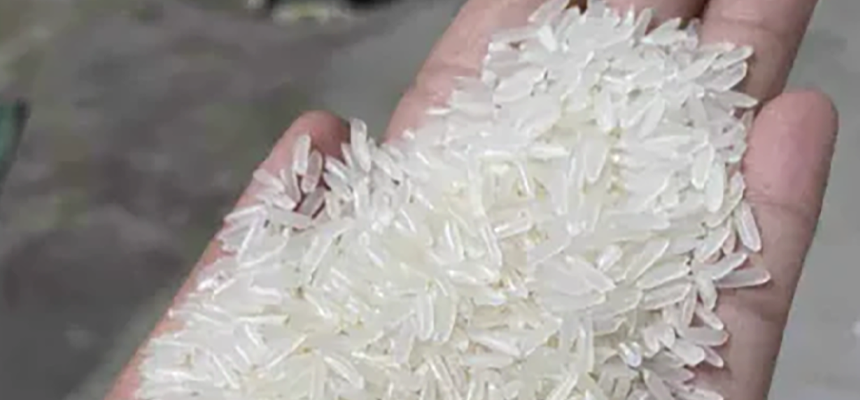
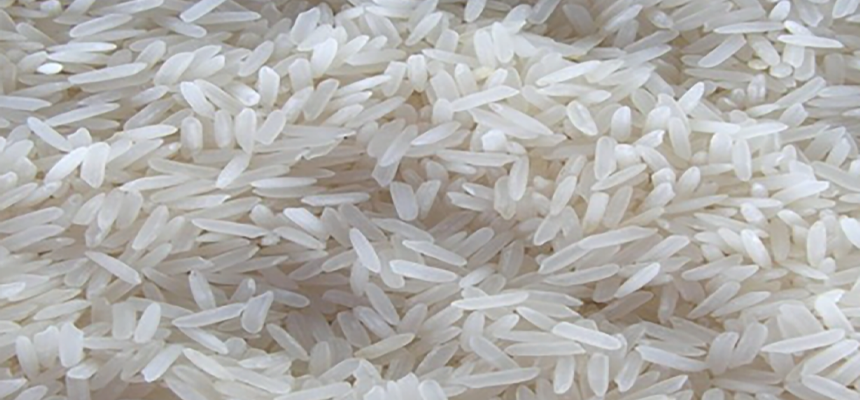
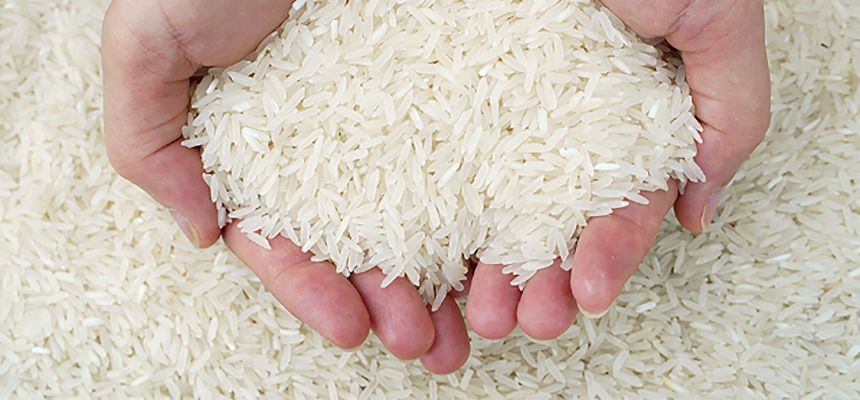
- Look at the grain. Thai jasmine is long and slim, slightly translucent, with few chalky grains.
- Ask for purity on the certificate. Hom Mali should show 92% or higher.
- Check the crop year. Old jasmine loses smell. It is still good rice, but should be cheaper.
Packing for Jasmine and White Rice
We pack both in:
- 1kg, 2kg and 5kg retail bags.
- 10kg, 25kg and 50kg wholesale bags in PP or printed BOPP.
- Jumbo bags for factory buyers.
Packing is one more place where jasmine rice vs white rice differs. Jasmine sold in retail packs often goes in vacuum or nitrogen flushed bags to keep the smell longer. Plain white rice in 50kg bags is the cheapest way to ship. Tell us your market and we will suggest what works.
Shipping, Containers and Documents
Shipping is the same whatever you decide on jasmine rice vs white rice. Minimum order is one 20ft container, about 25 tons in 50kg bags. You can mix jasmine and white in that container. We load mainly from Bangkok and Laem Chabang and ship FOB, CFR or CIF. If those terms are new, the ICC Incoterms rules explain them, and our FOB vs CIF rice price post shows how they change your cost.
Every shipment comes with the usual set: invoice, packing list, bill of lading, certificate of origin, phytosanitary and fumigation certificates, and quality and weight certificates. Our rice export documents post lists them all.
7 Proven Tips for Choosing Jasmine Rice vs White Rice
1. Start from your customer, not the price
If your customers expect fragrant rice, cheap white rice will not sell, however good the margin looks on paper.
2. Use white rice for volume, jasmine for margin
Most successful distributors carry both and use each for what it does best.
3. Do not overpay on broken percentage
For catering or processing, 10% or 25% broken white rice often works as well as 5%.
4. Ask for new crop jasmine
Smell sells jasmine. New crop rice gives your customers the full aroma.
5. Check purity on fragrant rice
Get it written into the contract and confirmed by inspection.
6. Mix grades in one container
It spreads risk and lets you test how each grade sells.
7. Buy from the mill
Direct supply from a Thai mill gives you clearer specs and fewer surprises. Our post on Thai rice mill direct supply explains why.
A Buyer’s Experience
A grocery importer in Europe used to bring in only jasmine rice. His customers liked it, but his price was too high for restaurant clients, who were buying cheaper white rice elsewhere. We suggested splitting his container: 18 tons of white rice 5% broken in 25kg bags for the restaurants and 7 tons of Hom Mali in 5kg retail bags for the shops. His container cost dropped, the restaurant clients came back, and the jasmine kept its premium place on the shelf. For him, jasmine rice vs white rice stopped being a choice and became a mix.
Common Myths About Jasmine Rice vs White Rice
A few things we hear that are not quite right:
- “Jasmine rice is not white rice.” It is. White jasmine is milled white rice from a fragrant variety. Brown jasmine also exists.
- “White rice has no taste.” Good long grain white rice has a clean, mild taste. It is just quieter than jasmine.
- “Jasmine is always healthier.” Not really. Nutrition is very similar.
- “Broken rice is bad rice.” Broken grains are the same rice, just shorter. They cook faster and suit many dishes.
Jasmine Rice vs White Rice in Different Cuisines
Food culture decides a lot of this. Thai, Lao, Cambodian, Vietnamese and southern Chinese cooking is built around soft, fragrant rice, so jasmine is the default there and in their communities abroad. A green curry or a plate of stir fried pork with holy basil just tastes right with it.
West African jollof, Middle Eastern rice dishes and most Caribbean and Latin American recipes want grains that stay separate and soak up stock without going soft. Plain long grain white rice or parboiled rice does that better. Put jasmine in a jollof pot and many cooks will tell you it goes mushy.
In fried rice, the answer to jasmine rice vs white rice is a bit of both. Day old jasmine makes excellent fried rice, but so does plain white rice 10% broken, and it costs less. For porridge and congee, broken white rice is the cheaper and quicker choice.
Storage and Shelf Life
Both keep well if they stay dry and cool. Plain white rice in sealed bags lasts up to two years. Jasmine also keeps that long, but the smell fades after about a year, so it is best sold sooner.
A few storage tips we give every buyer:
- Keep bags off the floor on pallets and away from walls.
- Avoid hot, damp warehouses. Heat speeds up aroma loss in jasmine and invites insects in both.
- Rotate stock, first in first out.
- For long sea trips, ask for lined bags or container liners.
These points matter more in the jasmine rice vs white rice trade than people think. A buyer who stores jasmine badly ends up selling expensive rice that smells like cheap rice.
The Cooking Test We Run
Before every fragrant rice shipment, our lab cooks a sample of the lot next to a reference sample. We score smell, softness, stickiness and color. White rice gets a simpler cooking test for texture and color. If a jasmine lot does not cook clearly differently from plain white rice, it does not go out as jasmine. It is the simplest way we know to settle the jasmine rice vs white rice question for a specific lot, and you can do the same test with our samples at home.
Other Comparisons Buyers Read
If you are weighing more options, these may help: jasmine rice vs basmati rice, Thai Hom Mali vs jasmine rice, glutinous rice vs jasmine rice and parboiled rice vs white rice. Industry data from the Thai Rice Exporters Association is also useful for tracking both grades.
Frequently Asked Questions
Is jasmine rice a type of white rice?
Yes. Standard jasmine rice is milled white rice from a fragrant Thai variety. Brown jasmine is also sold.
Which is cheaper, jasmine rice or white rice?
Plain white rice is cheaper. Jasmine costs more because of yield, growing season and demand.
Can I substitute one for the other?
In most dishes, yes. The result will smell and feel different, but it will work.
Do you sell both in one container?
Yes. Mixed containers of jasmine and white rice are very common with our buyers.
What is your minimum order?
One 20ft container, about 25 tons.
Can I get samples?
Yes, with spec sheets for each grade. See our FAQ page for more.
Order Jasmine and White Rice From Our Mill
Whichever way your jasmine rice vs white rice decision goes, we can supply it. Send us the grades, quantities, bag sizes and destination port. We will send a dated offer, full spec sheets and samples.
De Thai Products 1989 Company Limited. Email info@dethairice.com, WhatsApp +66 81 034 6390, or use our contact page. Learn more about us or browse our products.