


Glutinous rice vs jasmine rice is a question we get from restaurants, shops and importers who are adding Thai rice to their range for the first time. In the glutinous rice vs jasmine rice comparison, both come from Thailand. Both are white. Both are used in Thai cooking. But they are very different rice, they cook in different ways, they sell to different customers and they cost different amounts.
We grow, mill and export both, so we see this comparison from both sides every day. This guide explains the differences in plain terms, tells you which one suits which buyer, and shows you the specs of the glutinous and jasmine rice we sell. You’ll also see it called sticky rice vs jasmine rice. It’s the same question.
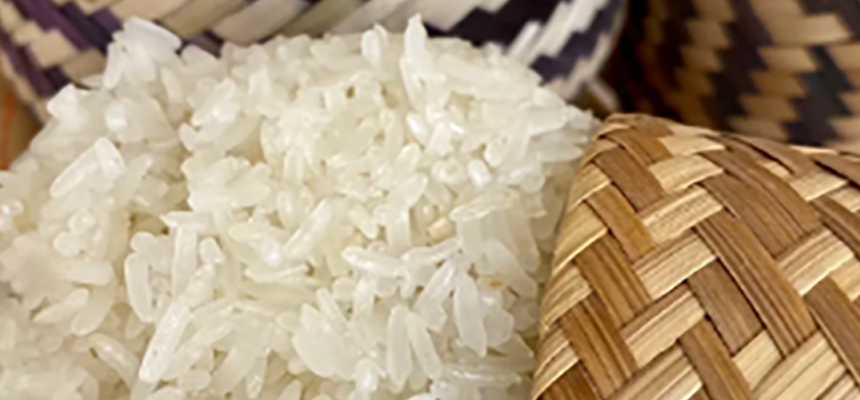
Table of Contents
The Quick Answer
Glutinous rice (sticky rice) is a short to medium grain rice that turns very sticky and chewy when you steam it. It’s used for Thai sticky rice, mango sticky rice, desserts and many dishes from northern and northeastern Thailand, Laos and other parts of Asia.
Jasmine rice is a long grain fragrant rice that cooks soft, moist and slightly clingy, with separate grains and a strong natural smell. It’s the everyday table rice for most Thai dishes and a best seller worldwide.
So in glutinous rice vs jasmine rice, one is for sticky dishes and desserts, the other is for everyday fragrant rice. Most Thai restaurants need both.
8 Differences Between Glutinous Rice and Jasmine Rice
1. Starch
This is the root of every other difference in glutinous rice vs jasmine rice. Rice starch is made of two parts, amylose and amylopectin. Glutinous rice is almost all amylopectin, with very little amylose. That’s what makes it stick together into a soft, chewy mass.
Jasmine rice has more amylose, roughly in the low to mid teens as a percentage. That’s enough to keep the grains separate while still giving them a soft, slightly sticky texture.
Despite the name, glutinous rice has no gluten. “Glutinous” means glue-like. Both glutinous and jasmine rice are naturally gluten free. The Wikipedia page on glutinous rice explains the starch in more detail, and there’s a good one on jasmine rice too.
2. Grain shape and look
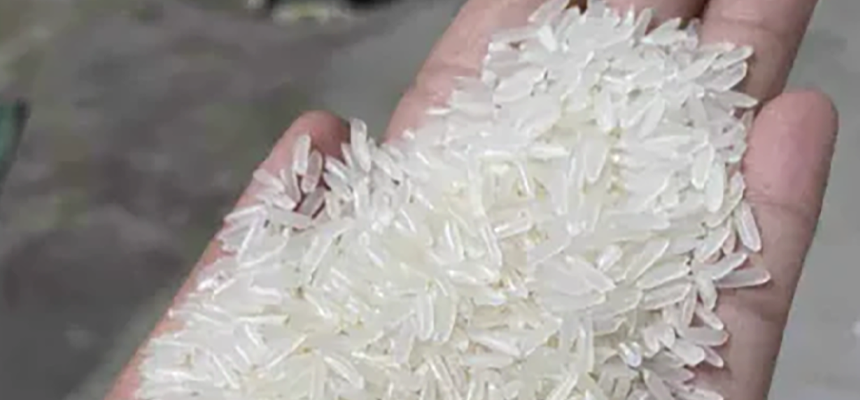
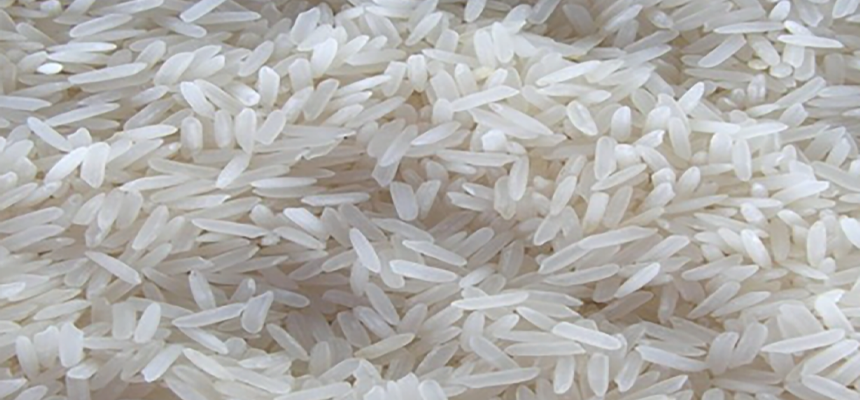
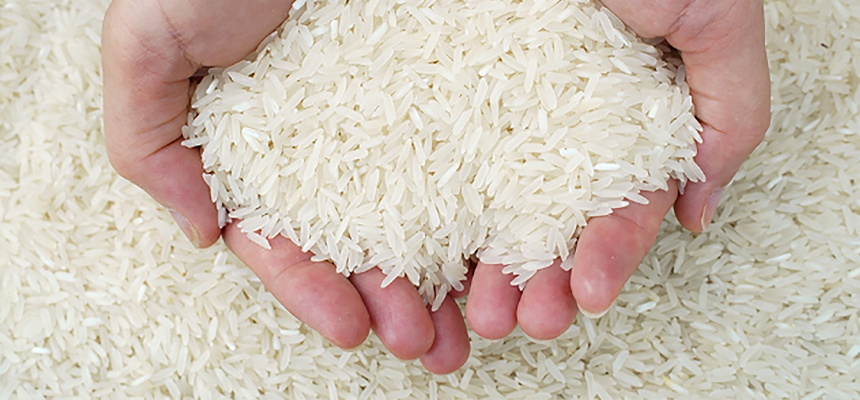
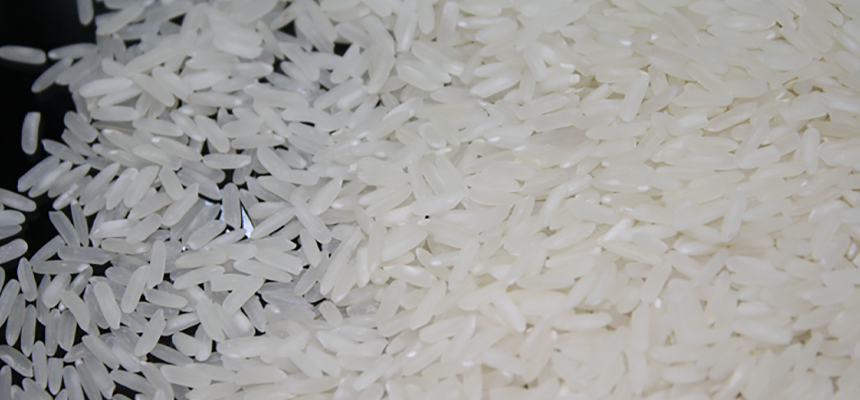
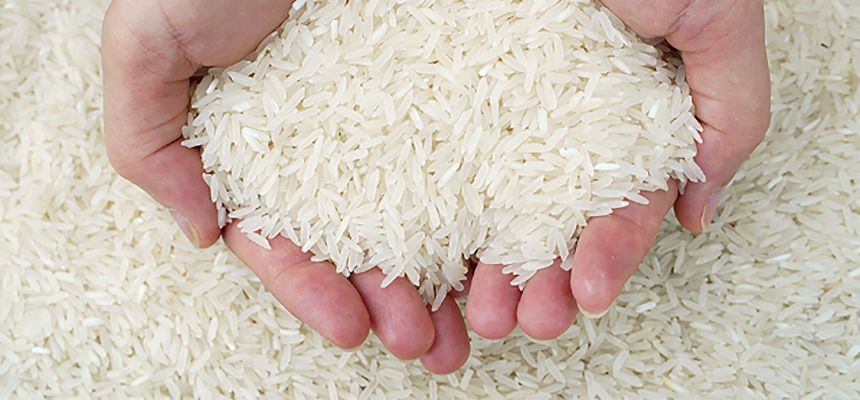
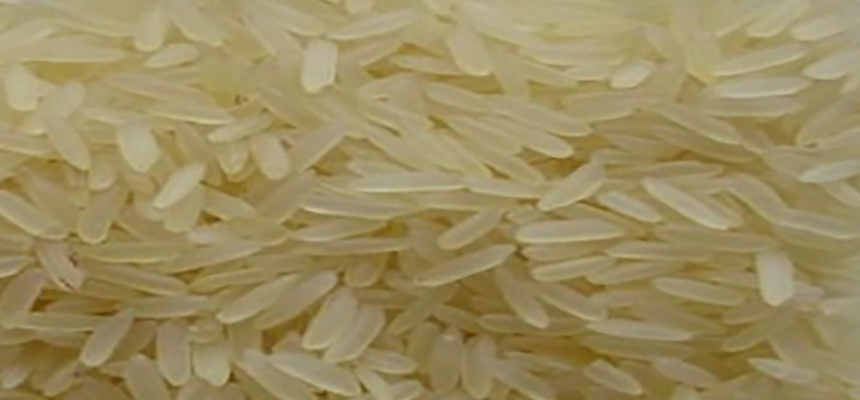
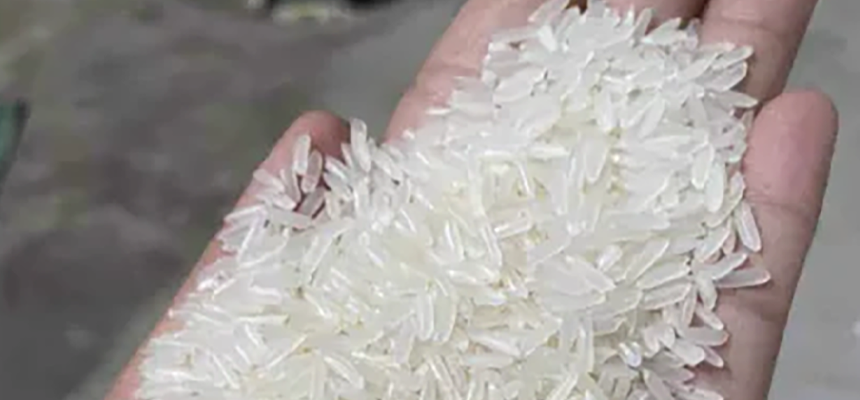
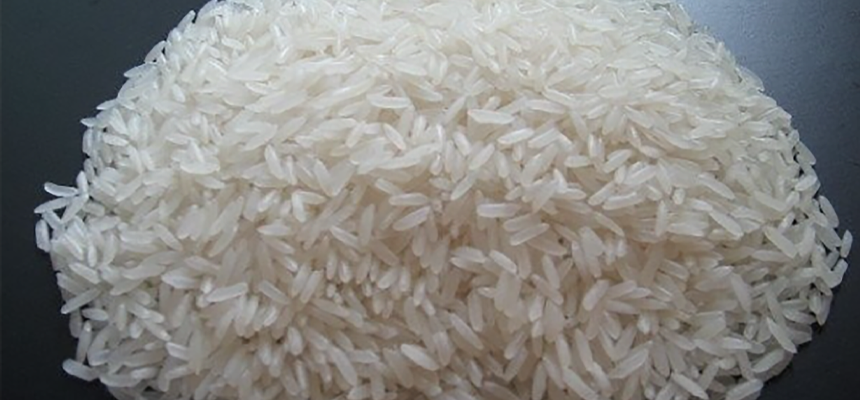
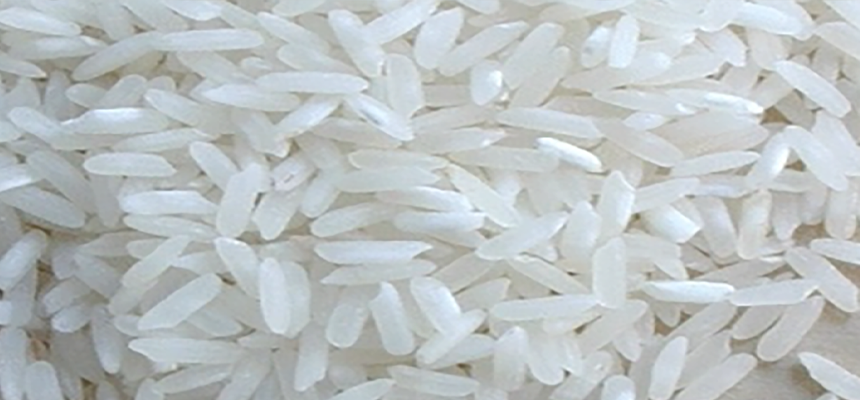
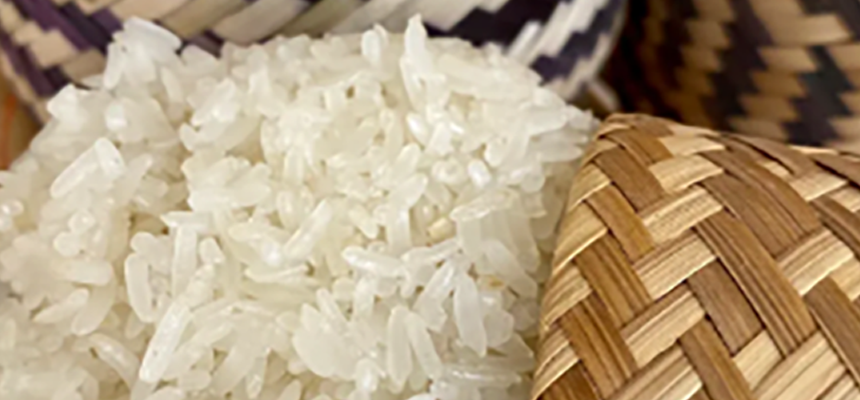
Raw glutinous rice is short to medium grain and opaque, chalky white, a bit like tiny pearls. Raw jasmine rice is long, slim and a little translucent.
This is the easiest way to settle glutinous rice vs jasmine rice in the bag. If a buyer ever sends us a sample and asks which one it is, we just look at it.
3. Cooking method
Glutinous rice vs jasmine rice in the kitchen is where people get caught out.
Glutinous rice is soaked first, usually for 4 hours or overnight, then steamed, not boiled. In Thailand it’s steamed in a woven bamboo basket over a pot of water. If you boil it like normal rice, it turns to mush.
Jasmine rice is rinsed and then boiled or cooked in a rice cooker, usually at around 1 part rice to 1.25 to 1.5 parts water. No soaking needed.
4. Texture
Texture is where glutinous rice vs jasmine rice is most obvious. Cooked glutinous rice is very sticky, chewy and dense. You can roll it into a ball with your fingers, and in northern Thailand and Laos that’s exactly how people eat it.
Cooked jasmine rice is soft and moist, the grains cling a little, but they stay separate. You eat it with a fork or spoon.
5. Smell
Jasmine rice is famous for its smell, something like pandan leaf with a slight popcorn note. The best Thai Hom Mali has the strongest aroma of all.
Most glutinous rice has a mild, sweet, rice smell. There are fragrant sticky rice varieties, like the RD6 glutinous rice grown in the northeast, but the smell is usually softer than jasmine.
6. How it’s used
| Dish or use | Glutinous rice | Jasmine rice |
|---|---|---|
| Everyday steamed rice with curries | rarely | yes |
| Fried rice | no | yes |
| Mango sticky rice | yes | no |
| Sticky rice with grilled meats and som tam | yes | no |
| Rice desserts and sweets | yes | sometimes |
| Rice balls, dumplings, zongzi | yes | no |
| Rice flour for mochi-style snacks | yes | no |
| Rice bowls and side rice | no | yes |
So when you look at glutinous rice vs jasmine rice for a menu or shelf, think about the dishes your customers make.
7. Who buys it
Jasmine rice sells to almost everyone: supermarkets, restaurants of every kind, caterers, hotels and families who just like fragrant rice.
Glutinous rice has a narrower but very loyal market: Thai, Lao, Vietnamese, Chinese, Filipino and other Asian communities, Asian restaurants, dessert shops and food manufacturers who make snacks, flour and frozen foods.
In glutinous rice vs jasmine rice terms, many of our buyers simply carry both, because the same customers often want both.
8. Price
In most seasons, glutinous rice and jasmine rice sit in the same general price band, both above ordinary white rice. The exact gap moves with the harvest. Sticky rice can jump in price when the crop is small, because a lot of it is eaten at home in Thailand and Laos before any is exported.
Our Thai glutinous rice wholesale price guide and our Thai jasmine rice price per ton guide both explain what drives the numbers.
Glutinous Rice vs Jasmine Rice at a Glance
| Glutinous rice (sticky rice) | Jasmine rice | |
|---|---|---|
| Grain | short to medium, opaque white | long, slim, translucent |
| Starch | almost all amylopectin | more amylose |
| Cooking | soak, then steam | rinse, then boil |
| Texture | very sticky, chewy | soft, moist, separate |
| Smell | mild | strong, floral |
| Main uses | sticky rice dishes, desserts, snacks | everyday rice, fried rice |
| Gluten | none | none |
| Market | Asian communities, dessert and snack makers | almost everyone |
Where Each One Is Grown
Geography explains a lot about glutinous rice vs jasmine rice in Thailand.
In the north and northeast, sticky rice is the everyday rice. Families steam it every morning, carry it in small woven baskets and eat it by hand with grilled chicken, som tam and chilli dips. A large share of the sticky rice grown there is eaten at home, which is why export supply can get tight in a small crop year.
The northeast is also where Thai Hom Mali grows best. The sandy soil, the rain-fed fields and the cool nights near harvest time give it its strong smell. So the same region produces the best of both.
The central plains, with irrigation and more than one crop a year, grow a lot of Pathumthani jasmine and long grain white rice. That’s where our mill is, close to the paddy and close to the export ports.
Knowing this helps you understand why prices move. When the northeast has a dry year, both Hom Mali and sticky rice can rise at the same time. When the central plains have a good year, jasmine and white rice supply is easier.
Glutinous Rice vs Jasmine Rice: Our Advice in One Line
If your customers eat Thai food, stock both. If you can only pick one, pick jasmine for a general market and glutinous rice for an Asian or dessert-focused market. That’s the simplest way to answer glutinous rice vs jasmine rice for your business.
The Varieties Behind Each One
It helps to know a little about the varieties, because buyers sometimes see the names on spec sheets.
Glutinous rice. In Thailand the best known sticky rice varieties are RD6, a fragrant glutinous rice from the northeast developed from Hom Mali, and San Pa Tong, a long-established variety from the north. RD6 is prized for its soft texture and light smell. San Pa Tong tends to be a little firmer after steaming. Both are used for export, and we can tell you which variety is in your lot.
Jasmine rice. Thai Hom Mali comes from KDML 105 and RD15, grown mainly in the northeast. Our everyday Thai jasmine rice is Pathumthani fragrant rice, grown mostly in the central plains, where farmers can plant more than one crop a year. That’s one reason it costs less than Hom Mali.
So the glutinous rice vs jasmine rice comparison isn’t just two products. It’s two families of rice, each with a premium end and an everyday end.
Glutinous Rice vs Jasmine Rice for Food Manufacturers
If you make food rather than sell rice in bags, the choice between glutinous rice vs jasmine rice comes down to what the starch does in your product.
Glutinous rice is the one you want for anything chewy or stretchy: rice cakes, mochi-style sweets, dumpling wrappers, rice crackers that need to puff, and frozen desserts that must stay soft. It’s also milled into glutinous rice flour, which behaves very differently from normal rice flour. Our 25% broken glutinous grade is popular with flour mills because the price is lower and the grain shape doesn’t matter once it’s ground.
Jasmine rice suits ready meals, frozen fried rice, rice bowls, retort pouches and any product where the rice should look like separate grains. The smell is a selling point on the pack.
Some factories use both. For example, a dessert maker might use glutinous rice for the base and jasmine for a savoury range.
Sticky Rice vs Jasmine Rice on the Label
How you name the product on the bag matters. Shoppers from Southeast Asia usually look for “sticky rice” or “glutinous rice”, and sometimes the Thai word “khao niao”. Other shoppers may be confused by “glutinous” and think it contains gluten, so “sticky rice” is often the clearer choice for a mixed market. You can print both.
For jasmine, the words “Thai jasmine rice” or “Thai Hom Mali rice” do the selling. If it’s Hom Mali, say so, because shoppers pay more for it.
We print private label bags for both, so the sticky rice vs jasmine rice difference is clear on the shelf. See our private label Thai Hom Mali rice guide for how the process works.
Tips for Selling Both
- Put them next to each other on the shelf, with a simple sign explaining the difference.
- Print cooking steps on the back of each bag. Glutinous rice especially needs it.
- Offer small 1kg or 2kg bags of glutinous rice for home cooks and 25kg bags for restaurants.
- Keep jasmine in bigger sizes too, since families buy it in 5kg and 10kg bags.
- Around festivals and holidays, demand for sticky rice often goes up, so plan stock early.
Handled well, glutinous rice vs jasmine rice isn’t a choice between two products. It’s two products that sell each other.
Our Thai Glutinous Rice
We export Thai glutinous rice from the main sticky rice regions of Thailand, cleaned, graded and sorted at our mill. Full specs and bag sizes are on our glutinous rice for sale page.
- Origin: Thailand
- Type: white glutinous (sticky) rice
- Grain: short to medium
- Colour: pure white, opaque
- Moisture: 14% maximum
- Broken grains: 5% maximum (other grades on request)
- Purity: 95% to 100%
- Crop: current season
- Cooked texture: soft, sticky, slightly chewy
- Shelf life: 12 to 24 months with good storage
- Packing: 1kg, 5kg, 10kg, 25kg and 50kg bags, private label available
We also sell Thai glutinous rice 25% broken, a value grade that suits flour milling, snack making and food service where whole grains matter less.
Our Thai Jasmine Rice
Our Thai jasmine rice, sold as Pathumthani fragrant rice, is our everyday fragrant rice.
- Origin: Thailand
- Grain: long, white, fragrant
- Broken grains: 5% maximum
- Moisture: 12 to 14% maximum
- Purity: 95% minimum
- Foreign matter: 0.1% maximum
- Crop: current season
- Shelf life: up to 24 months
- Packing: 1kg, 5kg, 10kg, 25kg and 50kg bags
For the premium end, we sell Thai Hom Mali rice at 92% to 100% purity, and for health and organic shelves, organic jasmine rice. If you’re not sure how Hom Mali and jasmine differ, read Thai Hom Mali vs jasmine rice.
Which One Should You Stock?
It depends on who you sell to. Here’s how we’d think about glutinous rice vs jasmine rice for different buyers.
Supermarkets and grocers. Start with jasmine rice. It sells to everyone. Add glutinous rice if you have Asian shoppers, or put it in the world foods aisle next to coconut milk and curry pastes.
Thai and Lao restaurants. You need both. Jasmine for most of the menu, glutinous for sticky rice, som tam plates, grilled meats and mango sticky rice.
Other Asian restaurants. Jasmine for everyday rice. Glutinous if you make dim sum, zongzi, rice cakes or desserts.
Dessert shops and bakeries. Glutinous rice, and possibly glutinous rice flour made from our 25% broken grade.
Food manufacturers. Glutinous rice for snacks, rice cakes, frozen desserts and mochi-style products. Jasmine for ready meals.
Importers and distributors. Carry both. Mixed containers make it easy.
Buying Both in One Container
You don’t have to choose. Most of our buyers who ask about glutinous rice vs jasmine rice end up taking some of each. A typical mixed 20ft container might be:
- 15 tons of Thai jasmine rice in 25kg bags
- 7 tons of Thai glutinous rice in 25kg bags
- 3 tons of Thai Hom Mali in 5kg retail bags
That’s around 25 tons, which is what normally fits. For more on loading, see how many tons of rice fit in a 20ft container.
How to Cook Each One
If you’re selling to people who are new to the glutinous rice vs jasmine rice difference, it helps to print simple cooking notes on the bag. Here’s what we suggest.
Glutinous rice (sticky rice)
- Rinse the rice until the water runs mostly clear.
- Soak it in cold water for 4 hours or overnight.
- Drain well.
- Steam in a bamboo basket, a steamer lined with cloth, or a steamer insert, for about 20 to 25 minutes, turning once halfway.
- Keep it covered so it stays soft.
Jasmine rice
- Rinse once or twice.
- Use about 1 cup of rice to 1.25 to 1.5 cups of water. Newer crop needs a little less water.
- Bring to the boil, cover, turn the heat low and cook for 12 to 15 minutes.
- Rest for 5 to 10 minutes with the lid on, then fluff.
Getting the cooking method right matters. A lot of complaints about “bad sticky rice” come from people who boiled it like jasmine.
Nutrition: Is One Healthier?
On nutrition, glutinous rice vs jasmine rice is closer than people expect. Both are white rice, so they’re similar. Both are a good source of energy, low in fat, and naturally gluten free. Glutinous rice tends to digest quickly because of its starch, so it can raise blood sugar faster. Jasmine rice is similar to other white rice on that.
If your customers want more fibre, suggest a whole grain rice, like our Thai red cargo rice. See red cargo rice health benefits for more.
For general food standards on rice, most countries follow the Codex Alimentarius.
Storage
In storage, glutinous rice vs jasmine rice behave much the same. Both keep well if stored cool, dry and sealed.
- Jasmine rice loses its smell slowly over time, so sell it within its shelf life and keep it away from strong smells.
- Glutinous rice can absorb moisture and odours too, and old sticky rice can take longer to soak and cook evenly.
- Store bags on pallets, off the floor, away from walls, and rotate stock.
Quality Checks We Run
Whichever side of glutinous rice vs jasmine rice you land on, we check every batch before packing.
- Moisture, so the rice travels without spoiling.
- Broken grains, to match your grade.
- Purity, so glutinous rice isn’t mixed with non-glutinous rice, and jasmine isn’t blended with white rice.
- Foreign matter and discoloured grains.
- Cooking tests on samples.
For glutinous rice, purity matters a lot. Even a small amount of ordinary rice mixed in changes the texture of sticky rice. We sort carefully and can supply a purity certificate. See our quality control and rice standard pages.
Documents That Come With Your Rice
On paperwork, glutinous rice vs jasmine rice makes no difference. Every shipment from us comes with the standard papers: commercial invoice, packing list, bill of lading, phytosanitary certificate, certificate of origin and fumigation certificate, plus a certificate of analysis or halal certificate if you need them. Our guide on rice export documents explains each one.
Where We Ship
We ship glutinous and jasmine rice worldwide: Asia, the Middle East, Africa, Europe, the Americas and Oceania. We’ve been milling and exporting Thai rice since 1980. You can read more about us, or follow Thai rice market news through the Thai Rice Exporters Association.
Common Questions About Glutinous Rice vs Jasmine Rice
Is sticky rice the same as jasmine rice?
No. Sticky rice is glutinous rice, a different kind of rice with different starch. Jasmine rice is a long grain fragrant rice. In the sticky rice vs jasmine rice question, they’re not swappable in most recipes.
Can I make sticky rice with jasmine rice?
Not really. Jasmine rice can be cooked a bit softer, but it won’t get the chewy, sticky texture of real glutinous rice.
Does glutinous rice contain gluten?
No. It’s gluten free. The name refers to its glue-like texture.
Which is more expensive?
They’re often in a similar range, both above white rice. Prices move with each harvest. Ask us for a current quote.
Can I buy both in one container?
Yes. Mixed containers are common.
Do you do private label?
Yes, for both, from 1kg to 50kg.
What’s the shelf life?
Up to 24 months for jasmine and 12 to 24 months for glutinous rice, stored properly.
Order Glutinous and Jasmine Rice From Us
Now you know the real story on glutinous rice vs jasmine rice, the best next step is to try both. We’ll send samples, a spec sheet and a clear price for your port. Tell us the grades, quantities and bag sizes you want, or look through all our rice products first.
7 thoughts on “Glutinous Rice vs Jasmine Rice: 8 Honest Differences”