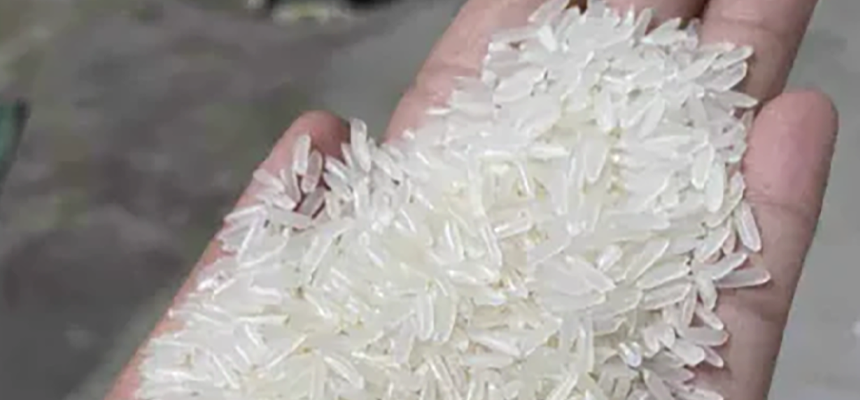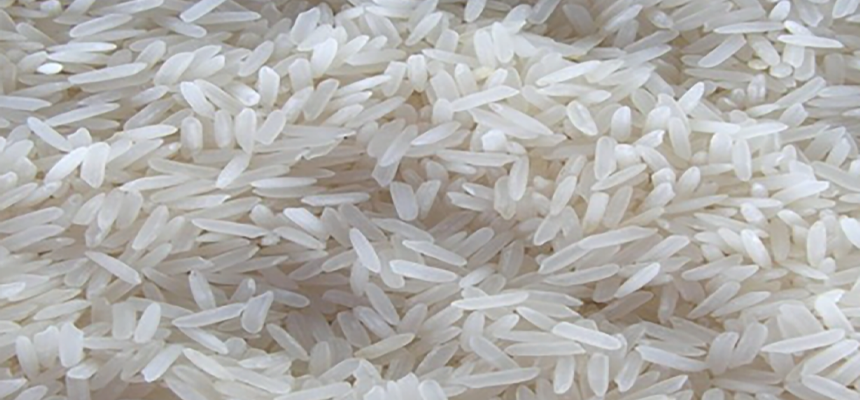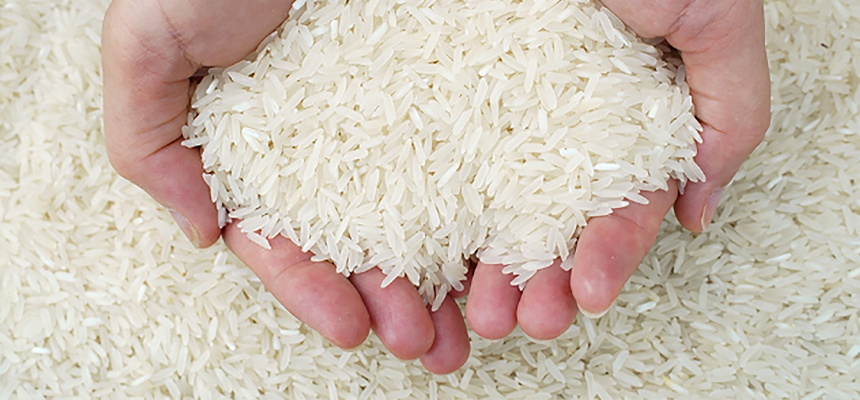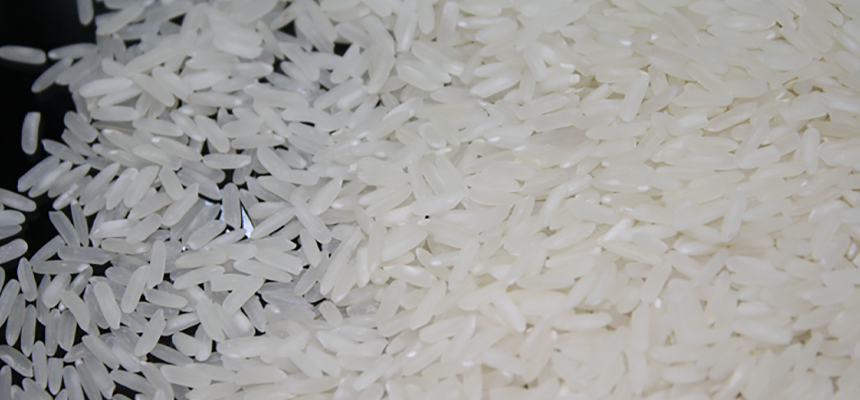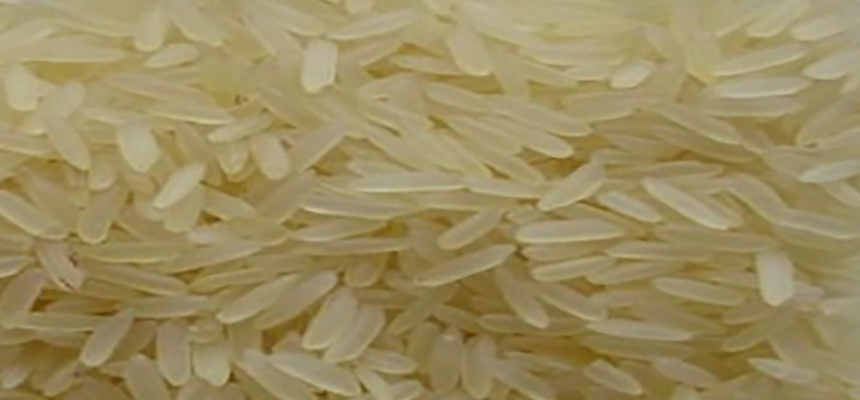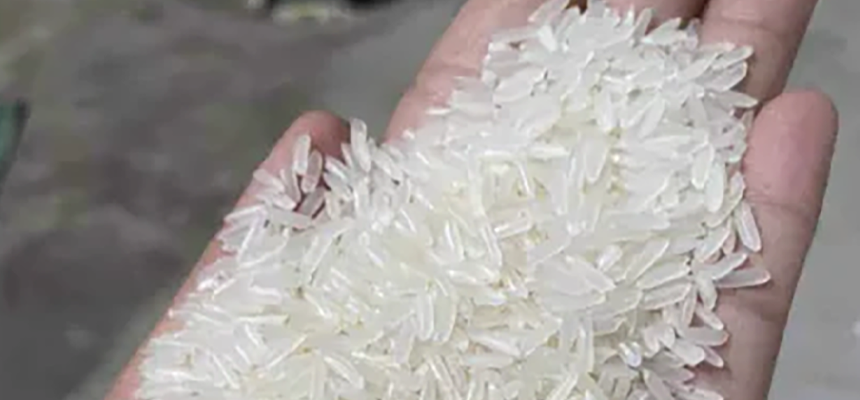


Jasmine rice vs basmati rice is a question we get from buyers every week, and we sell both, so we’ve got no reason to push one over the other. We export Thai jasmine and Hom Mali rice from Thailand, and we source and pack basmati for buyers who want both on one order. This page compares the two honestly: how they look, smell, cook and sell, their specs, their prices, and which one suits which market. If you already know what you want, our product pages for Thai jasmine rice, Thai Hom Mali rice and basmati rice have the details.
We’re De Thai Products 1989 Company Limited, a Thai rice exporter since 1989. We ship by the container to importers, wholesalers, supermarkets, restaurants and food companies worldwide. Most of our buyers sell to customers who already have a strong opinion on rice, so getting jasmine rice vs basmati rice right for your market matters more than almost anything else.
Table of Contents
Jasmine Rice vs Basmati Rice: The Short Answer
Here’s jasmine rice vs basmati rice in a nutshell. Both are long grain, fragrant rices. That’s where the likeness mostly ends.
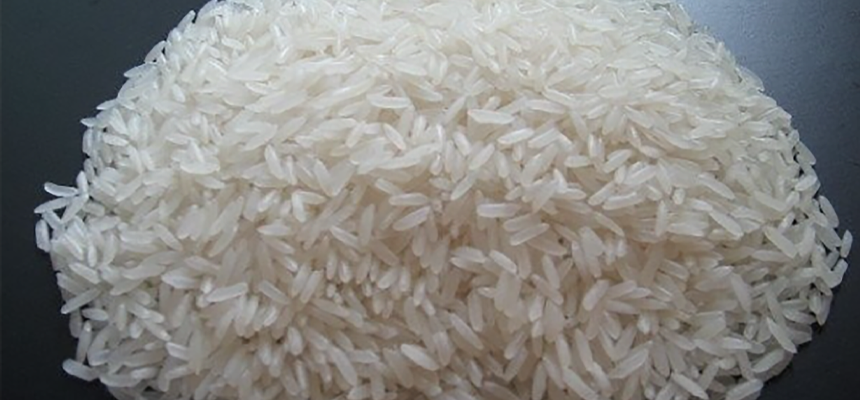
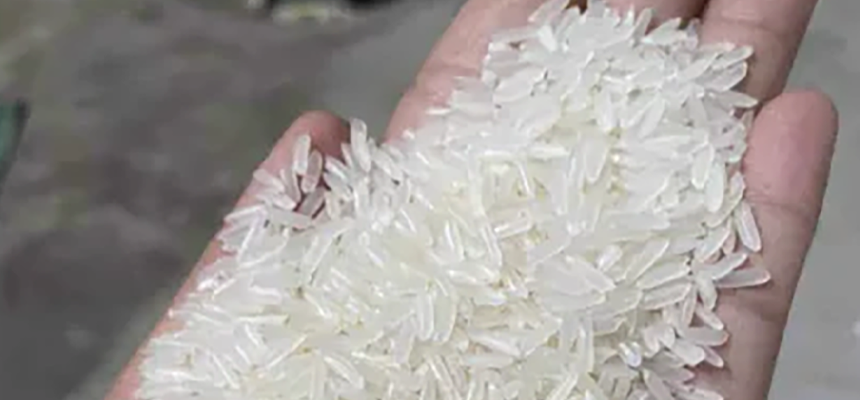
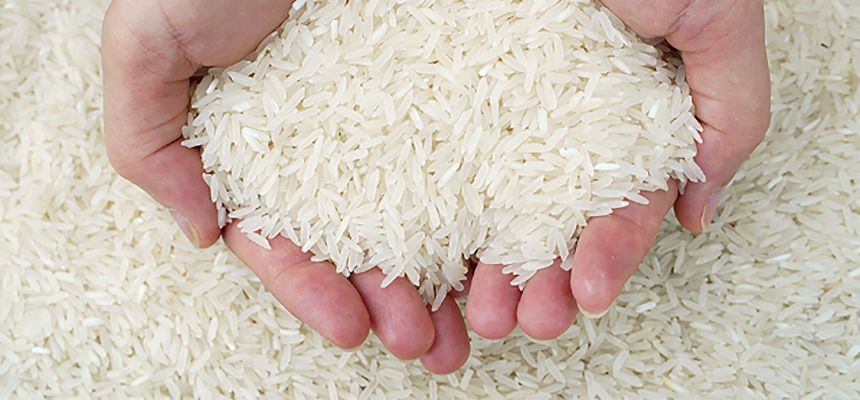
- Jasmine rice comes mainly from Thailand. It’s soft, a little sticky, and smells floral, a bit like pandan. The grains cling together lightly when cooked.
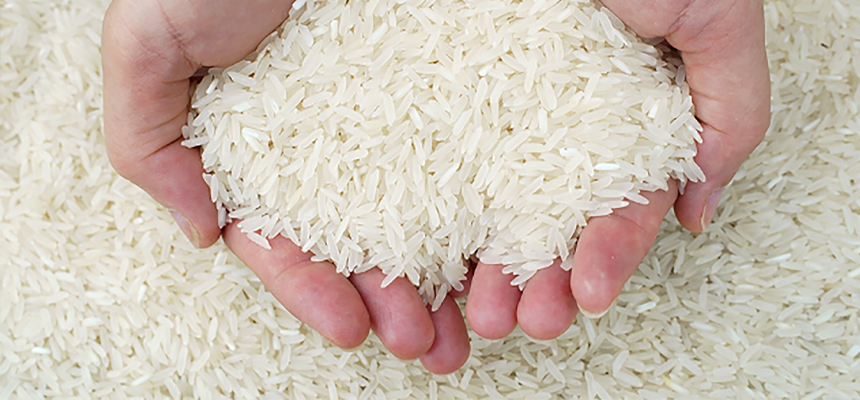
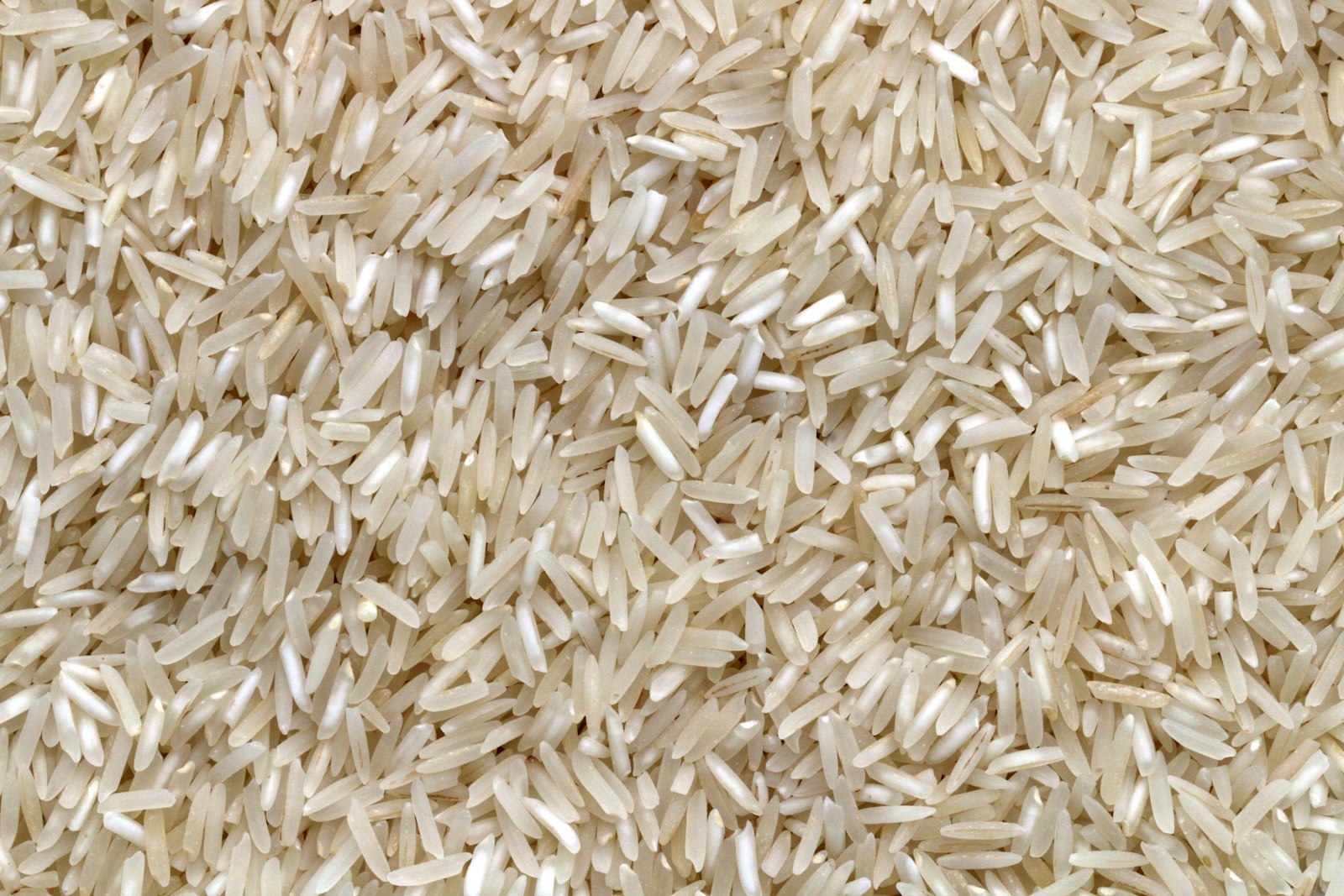
- Basmati rice comes from India and Pakistan. It’s long and slim, gets much longer when cooked, and stays dry and separate. The smell is nutty and a bit like popcorn.
If your customers cook Thai, Chinese, Vietnamese or other East and Southeast Asian food, they’ll want jasmine. If they cook biryani, pilaf, kabsa or most South Asian and Middle Eastern rice dishes, they’ll want basmati. Plenty of markets want both, and that’s where a mixed order helps.
Jasmine Rice vs Basmati Rice Side by Side
| Feature | Thai jasmine / Hom Mali | Basmati |
|---|---|---|
| Main origin | Thailand (also Cambodia, Vietnam) | India, Pakistan |
| Raw grain length | About 7.0 mm and up | About 6.6 to 8.4 mm, slimmer |
| Cooked length | Grows a little | Can nearly double in length |
| Texture | Soft, moist, slightly sticky | Dry, fluffy, separate |
| Aroma | Floral, pandan-like | Nutty, popcorn-like |
| Amylose | Lower, around 12% to 19% | Higher, around 20% to 25% |
| Typical aging | Sold fresh, new or old crop | Often aged 6 to 24 months |
| Main dishes | Thai, Chinese, Southeast Asian, everyday rice | Biryani, pilaf, pulao, kabsa, curries |
| Cooking water | About 1:1.2 to 1:1.5 | About 1:1.5 to 1:2, often soaked first |
| Price level | Hom Mali premium, jasmine mid | 1121 and traditional premium, others mid |
One thing jasmine rice vs basmati rice have in common is the source of their smell. The aroma in both comes from the same natural compound, 2-acetyl-1-pyrroline. They just carry it in different amounts and with different grain types, which is why they smell related but not the same. Wikipedia has good background on both jasmine rice and basmati.
Jasmine Rice: What We Sell
Our jasmine range comes from mills in Thailand’s central plains and northeast. In any jasmine rice vs basmati rice decision, it helps to know there are two levels of Thai jasmine.
Thai Hom Mali rice 100% Grade A
The top grade. Grown mainly in the northeast, at least 92% pure Hom Mali grains, with the strongest smell and softest texture. Exported with a Thai government Hom Mali certificate.
Thai jasmine rice (Pathumthani fragrant)
Grown mainly in the central plains. Fragrant and soft, a little less aromatic than Hom Mali, and cheaper. Very popular with food service and price-conscious retail.
Jasmine specifications
| Parameter | Hom Mali 100% Grade A | Jasmine (Pathumthani) |
|---|---|---|
| Purity | Min 92% | Min 80% fragrant |
| Broken | Max 4% | Max 5% |
| Moisture | Max 14% | Max 14% |
| Grain length | 7.0 mm and up | 7.0 mm and up |
| Chalky | Max 6% | Max 6% |
| Damaged | Max 0.25% | Max 0.25% |
| Foreign matter | Max 0.1% | Max 0.1% |
| Milling | Double polished, sortexed | Double polished, sortexed |
| Crop | New or old crop | New or old crop |
We also sell organic jasmine rice, brown jasmine rice and broken jasmine for buyers who want those.
Basmati Rice: What We Sell
Basmati isn’t grown in Thailand, so we source it from trusted millers in India and Pakistan and pack it to the same standards as our Thai rice. Buyers who want one supplier for a jasmine rice vs basmati rice mix like being able to put both into one order. The main types we offer:
- 1121 basmati, extra long grain, the most popular export type.
- Traditional basmati, shorter, with a stronger smell.
- Pusa and 1509 basmati, good value long grain.
- Processing styles: raw (white), steam, golden sella and creamy (white) sella.
Basmati specifications
| Parameter | 1121 steam / sella | Traditional |
|---|---|---|
| Average grain length (raw) | 8.3 mm and up | 6.8 to 7.2 mm |
| Broken | Max 1% to 2% | Max 2% |
| Moisture | Max 12% to 13% | Max 12% to 13% |
| Purity | Min 95% | Min 90% |
| Damaged / discoloured | Max 1% | Max 1% |
| Chalky | Max 2% | Max 2% |
| Aging | Aged on request | Aged on request |
| Sortexed | Yes, double | Yes, double |
For more on the types, see extra long grain basmati rice wholesale and aged basmati rice.
Taste and Texture
This is where jasmine rice vs basmati rice really splits. Cook both side by side and you’ll see it in a minute.
Jasmine comes out soft, a little glossy and slightly sticky. It’s easy to eat with chopsticks and soaks up sauces. Fresh Hom Mali smells sweet and floral the moment the pot is opened.
Basmati comes out dry and fluffy. The grains grow long and thin and don’t stick to each other. It smells nutty and works well with spices, ghee and long cooked meat.
In the jasmine rice vs basmati rice debate, neither is better. They just do different jobs. The mistake we see is buyers offering basmati to customers who want soft rice, or jasmine to customers who want separate grains for biryani. Both end up unhappy.
Cooking Differences
Cooking is part of the jasmine rice vs basmati rice story too, especially for restaurants and caterers.
- Jasmine: rinse once or twice. Use a little less water than for ordinary long grain, around 1 to 1.2 or 1.3 by volume. Cook 12 to 15 minutes and rest. Don’t soak, or it gets mushy.
- Basmati: rinse well, soak 20 to 30 minutes, then use more water, around 1 to 1.5 or more. Aged basmati takes more water than new.
- Sella basmati (parboiled) is firmer still and very forgiving in big batch cooking, which is why caterers like it.
Nutrition
On nutrition, jasmine rice vs basmati rice is closer than people think. White jasmine and white basmati are similar: mainly carbohydrate, a little protein, low fat. Basmati is often said to have a lower glycemic index than jasmine because it has more amylose, which digests more slowly. Brown versions of either keep more fibre and minerals. If health claims matter for your labels, check your own country’s rules before printing anything. Our post on jasmine rice health benefits has more.
Jasmine Rice vs Basmati Rice Prices
Price is a big part of jasmine rice vs basmati rice for importers. Here’s a rough guide for late 2026, FOB per metric ton in plain bags. These move with the market, so ask us for a firm quote.
| Product | Rough FOB range (USD/MT) |
|---|---|
| Thai Hom Mali 100% Grade A | 1,150 to 1,250 |
| Thai jasmine (Pathumthani) | 750 to 900 |
| 1121 basmati, steam or sella | Quote on request, usually close to Hom Mali |
| Traditional basmati | Quote on request, premium |
| Pusa / 1509 basmati | Quote on request, mid range |
On the basmati side of jasmine rice vs basmati rice, prices depend heavily on type, aging and origin, and on Indian and Pakistani export rules that can change fast. That’s why we quote basmati case by case. Our rice wholesale price list 2026 covers the Thai side in detail.
Which Markets Buy Which
Here’s what we see when buyers weigh jasmine rice vs basmati rice in different parts of the world.
| Region | Mostly jasmine | Mostly basmati | Both |
|---|---|---|---|
| East and Southeast Asia | Yes | ||
| Gulf and Middle East | Yes | Growing jasmine demand | |
| South Asian communities worldwide | Yes | ||
| USA and Canada | Yes, big for both | ||
| UK and Europe | Yes | ||
| Africa | Yes, in cities | Yes, East Africa | Often |
| Australia and New Zealand | Yes |
The US is one of the biggest buyers of Thai Hom Mali in the world. See jasmine rice demand in the USA and basmati rice importers in the United States.
Who Should Stock Jasmine, Who Should Stock Basmati
Asian grocery stores and supermarkets
Usually both. Jasmine for East and Southeast Asian shoppers, basmati for South Asian and Middle Eastern shoppers. Retail packs of 1 kg to 10 kg sell best. See rice for supermarkets.
Restaurants and caterers
Thai, Chinese and Vietnamese kitchens want jasmine. Indian, Pakistani, Persian and Arab kitchens want basmati, often sella for big batches. See bulk jasmine rice for restaurants.
Wholesalers and importers
For wholesalers, jasmine rice vs basmati rice comes down to who your customers are and what they cook. When in doubt, start with a mixed container and see what moves.
Food manufacturers
Ready meals, frozen rice and rice bowls usually use jasmine for Asian lines and basmati or sella for Indian and Middle Eastern lines. See rice for food manufacturers.
How Each One Is Grown
Part of the jasmine rice vs basmati rice difference starts in the field. Thai Hom Mali is grown mostly in the northeast, in a single main crop that’s harvested from late October to December. The dry, cool weather at harvest and the sandy, slightly salty soils are a big part of why it smells the way it does. Pathumthani jasmine is grown in the central plains, where farmers can get two or more crops a year with irrigation.
Basmati is grown in the Punjab and nearby areas of India and Pakistan, in the plains below the Himalayas. It’s usually one crop a year, harvested around October and November. Basmati is often stored and aged for months after milling, which dries the grain and helps it lengthen in the pot. Jasmine is the other way round: most buyers want it fresh, because the smell is strongest in the first months after milling. Our Thai rice harvest season post has the full jasmine calendar.
Shelf Life and Storage
Storage is a practical side of jasmine rice vs basmati rice that buyers don’t always think about.
- Jasmine keeps well for a year or more, but the smell fades slowly. Sell it within about 12 months of milling for the best aroma.
- Basmati holds up longer, and aged basmati is often considered better, not worse. Two years is common for premium lines.
- Both need cool, dry storage on pallets, away from strong smells. Rice picks up odours easily.
If you sell slowly, basmati is a bit more forgiving. If you sell fast and your customers love fresh aroma, new crop Hom Mali is hard to beat. See old crop vs new crop jasmine rice.
Brown, Parboiled and Other Versions
The jasmine rice vs basmati rice comparison isn’t only about white rice. Both come in other forms.
- Brown jasmine is the whole grain with the bran left on. Nutty, chewy, popular in health food shops. See Thai brown jasmine rice wholesale.
- Brown basmati is the same idea, with basmati’s long grain.
- Sella basmati is parboiled basmati, firmer and very hard to overcook. Golden sella is darker, creamy sella is lighter.
- Organic jasmine is grown without synthetic chemicals and certified. See organic jasmine rice supplier.
If you sell to a mixed customer base, a small range of white jasmine, white basmati and one brown line covers most needs.
What Your Customers Will Notice
Shoppers don’t read spec sheets. When they compare jasmine rice vs basmati rice at home, here’s what they actually notice:
- The smell when they open the bag and when the pot comes off the heat.
- Whether the grains stick together or fall apart on the plate.
- How long and even the grains look, raw and cooked.
- Whether the rice turns mushy if they add a little too much water.
- How it tastes the next day as leftovers or fried rice.
That’s jasmine rice vs basmati rice from the kitchen side. Jasmine makes great fried rice the next day. Basmati makes a great pilaf. Know which one your shoppers are cooking.
A Buyer’s Story
A supermarket buyer in the Gulf once asked us to supply only Hom Mali, because it was “the best rice.” We sent samples of both. His team cooked them for a week and found that their main customers, mostly South Asian families, kept going back to basmati for daily meals and only used jasmine for Asian dishes. He ended up ordering mainly basmati with a smaller share of Hom Mali for the Asian food aisle. Both sold. The lesson for anyone weighing jasmine rice vs basmati rice: test with the people who’ll eat it.
Who We Are
We’ve exported Thai rice since 1989. We buy from mills in the central plains and northeast, sort and pack to export grade, and ship from Bangkok and Laem Chabang to buyers worldwide. For basmati, we work with long-standing millers and inspect each lot before it’s packed. You can read more about us and see our quality control steps.
Ordering Both in One Container
A lot of importers solve the jasmine rice vs basmati rice question by not choosing. We can load Thai jasmine or Hom Mali with basmati in one shipment, so you test both in your market without buying two full containers. Each product gets its own spec, its own bags and its own inspection certificate.
Packing
| Pack | Jasmine | Basmati |
|---|---|---|
| 1 kg, 2 kg, 5 kg retail | Yes, PE or vacuum | Yes, PE, jute look or cloth bags |
| 10 kg, 20 kg, 25 kg | Yes | Yes |
| 39 kg, 40 kg, 50 kg | Yes | Yes, 39/40 kg common in the Gulf |
| Private label | Yes | Yes |
Packing is one more practical part of jasmine rice vs basmati rice for importers. Your brand, ours or neutral. Private label printing takes about 10 to 15 days.
Quality Checks and Documents
Whichever side of jasmine rice vs basmati rice you pick, every lot is tested before packing, then checked again at loading by SGS, Intertek or Bureau Veritas if you want. See our guide on choosing a rice supplier with SGS inspection. Hom Mali ships with the Thai Department of Foreign Trade Hom Mali certificate. Both ship with phyto, fumigation, origin and quality certificates. Full list in our rice export documents guide.
Shipping and Lead Times
Thai jasmine and Hom Mali ship from Bangkok or Laem Chabang, usually two to three weeks after contract in plain bags, a bit longer with printed bags. Basmati sourced from India or Pakistan can either ship direct from there or be consolidated with your Thai rice, depending on your route and quantity. We’ll tell you which works out cheaper and faster for your port.
A 20ft container holds about 25 to 27 MT. Transit runs roughly 5 to 15 days within Asia, 15 to 25 days to the Gulf, 25 to 40 days to Africa, Europe and North America, and 15 to 35 days to Australia, New Zealand and the Pacific. See how many tons of rice fit in a 20ft container. For world rice trade figures, the FAO rice market page is a useful reference.
Common Myths About Jasmine Rice vs Basmati Rice
- “Basmati is always healthier.” It often has a lower glycemic index, but the difference is modest, and portion size matters more.
- “Jasmine rice is sticky rice.” No. Sticky rice is glutinous rice, a different type. Jasmine is just a bit softer than ordinary long grain. See glutinous rice vs jasmine rice.
- “All jasmine is Thai.” Cambodia and Vietnam grow jasmine types too. They’re cheaper and not the same as Thai Hom Mali. See Thai vs Cambodian jasmine rice.
- “You can swap them in any recipe.” You can, but the dish will change. Biryani with jasmine goes soft. Thai curry with basmati feels dry.
7 Proven Tips for Choosing Between Jasmine Rice vs Basmati Rice
- Start with your customers’ cooking. The dish decides the rice.
- Cook samples side by side. Ask us for 1 to 2 kg of each.
- Check fragrant purity. For Hom Mali, ask for 92% purity on the certificate.
- For basmati, ask about aging and type. 1121, traditional, sella or steam all cook differently.
- Match the bag to the market. 39 to 40 kg for Gulf basmati, 25 kg or 5 kg for jasmine.
- Test with a mixed container. Less risk, real sales data.
- Use an independent surveyor. Especially on the first order.
Frequently Asked Questions
Is jasmine rice or basmati rice more expensive?
Top grades of each are similar. Thai Hom Mali and 1121 basmati both sit at the premium end. Ordinary jasmine is cheaper than Hom Mali.
Can I substitute jasmine for basmati?
In a pinch, yes, but the texture changes. Jasmine is softer and stickier.
Do you sell both in one order?
Yes. Mixed containers are common.
Which is better for restaurants?
Depends on the cuisine. Asian kitchens use jasmine, South Asian and Middle Eastern kitchens use basmati, often sella.
What’s the minimum order?
One 20ft container, about 25 MT, mixed or single grade. See Thai rice minimum order quantity.
Get Prices for Jasmine and Basmati
Still weighing jasmine rice vs basmati rice for your market? Tell us who you sell to and we’ll give you a straight opinion, plus firm prices for whichever you choose. Send grade, bag, quantity and port.
Email info@dethairice.com, WhatsApp +66 81 034 6390, or use our contact page. More reading: what is jasmine rice, bulk rice for sale and rice trading company Thailand.