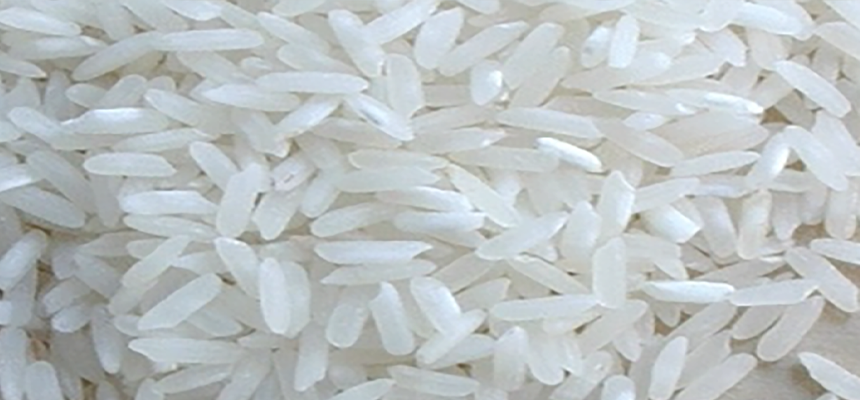
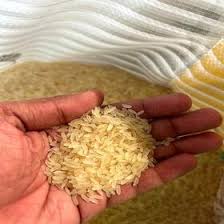
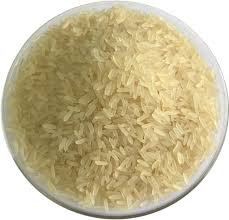
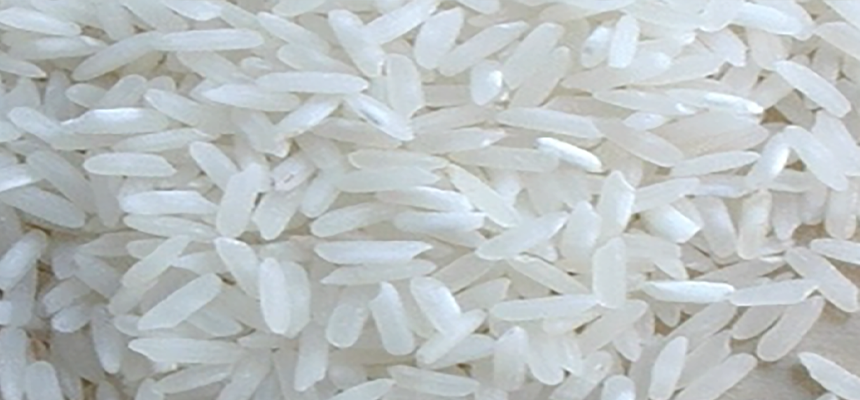
Why is parboiled rice yellow? It’s one of the first things new buyers ask us when they open a sample bag and see grains that look nothing like ordinary white rice. The short version: the colour comes from the way the rice is soaked and steamed inside its husk before milling. No dye, no additive. We’re a Thai mill-direct exporter and we sell Thai parboiled rice in 5%, 15%, 25% and 100% broken grades, so we see this question every week. Below is the plain answer, the specs of what we ship, and what to check when you buy.
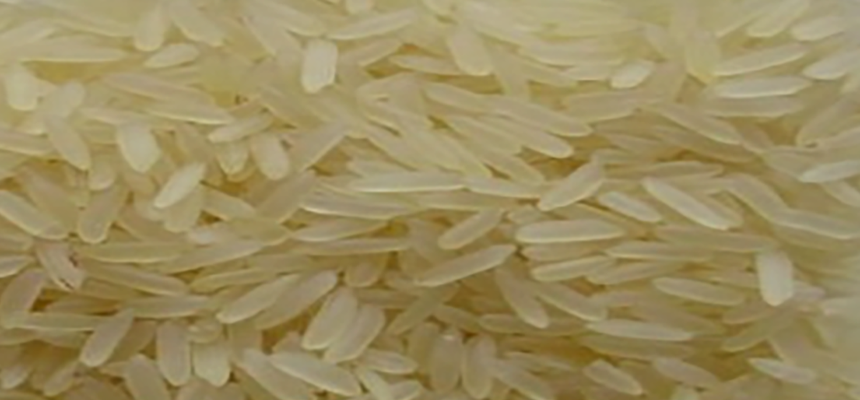
Table of Contents
The Short Answer to Why Is Parboiled Rice Yellow
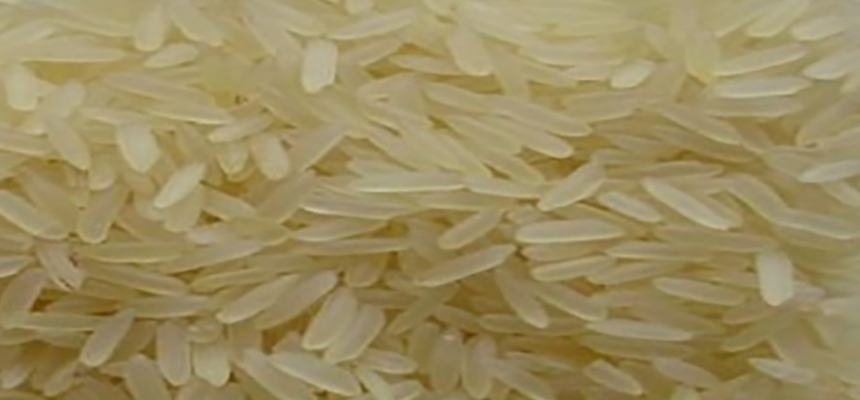
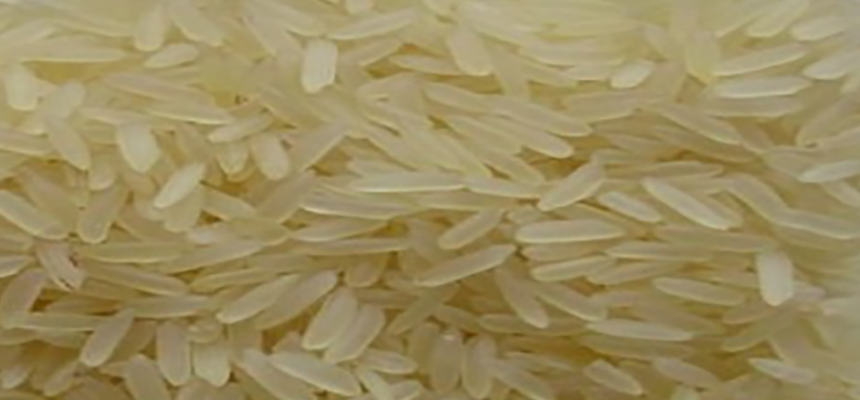
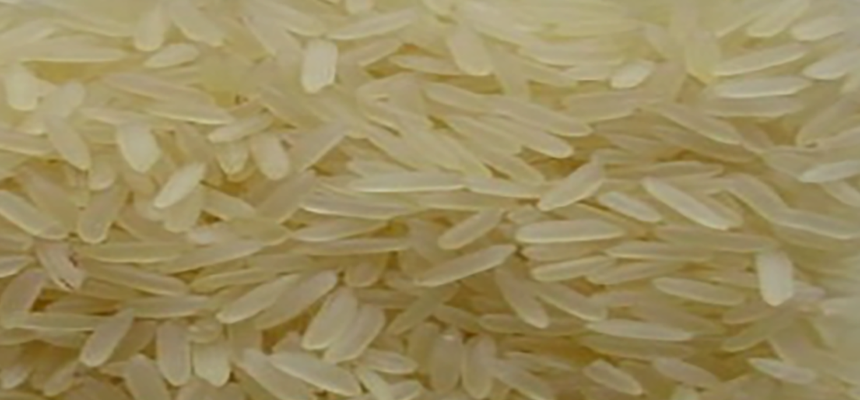
Parboiled rice is cooked partway while it’s still paddy, meaning the husk and bran are still on. During that soak and steam, a few things happen at once. Colour compounds in the husk and bran move into the grain. Natural sugars and proteins in the kernel react with heat and turn slightly amber, the same kind of browning you see when bread crusts. And the starch inside gelatinises, which turns the grain from chalky white to glassy and translucent, so whatever colour is there shows through more.
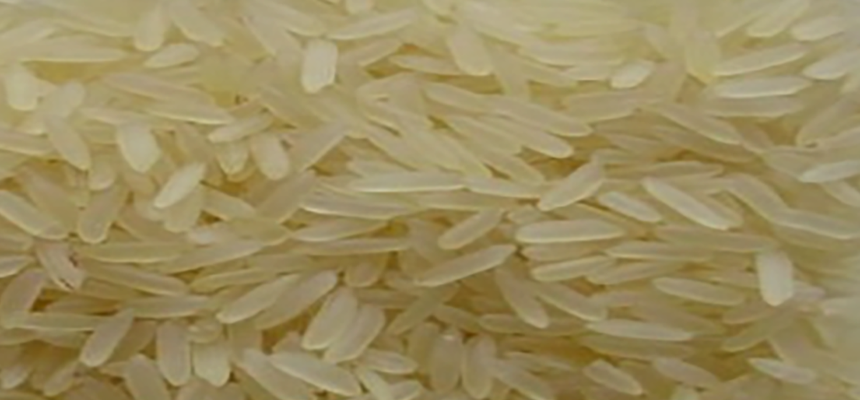
Put those three together and you get the light golden or creamy yellow grain people recognise. So if someone asks you why is parboiled rice yellow, you can tell them it’s the process, not a treatment added afterwards.
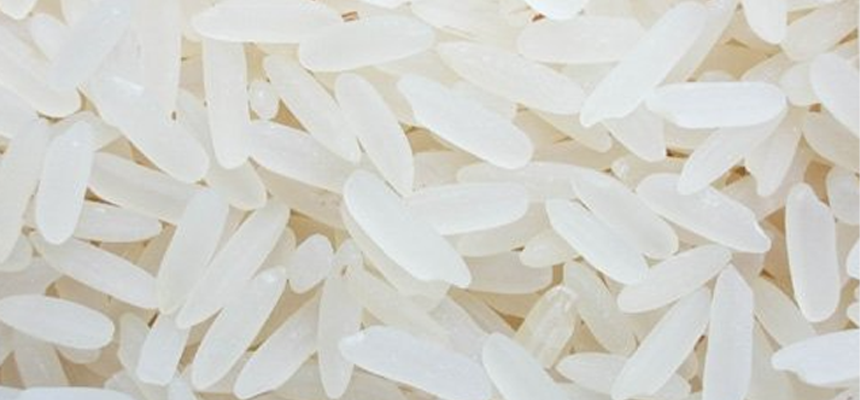
We’ve had buyers worried that the colour meant old stock or chemicals. It doesn’t. In fact, a parboiled grain that is bright chalk white usually means the steaming was too light, and that rice won’t cook the way parboiled rice should.
What Parboiling Actually Involves
It helps to know the steps, because each one affects the final shade. At our partner mills in central Thailand the process runs roughly like this:
- Cleaning the paddy. Raw paddy comes in from farms, gets cleaned of straw, stones and empty husks.
- Soaking. The paddy sits in warm water for several hours until the moisture inside the grain rises to around 30%. Warmer water means a shorter soak and usually a little more colour.
- Steaming. The soaked paddy is steamed under pressure. This is where the starch gelatinises and where most of the yellow develops.
- Drying. The steamed paddy is dried slowly back down to around 14% moisture. Dry it too fast and the grains crack.
- Milling and polishing. Only now is the husk removed and the bran polished off, leaving the finished parboiled kernel.
- Sorting. Colour sorters (Sortex machines) pull out dark, spotted or off-colour grains so the lot looks even.
If you want the broader background on the method, the parboiled rice entry on Wikipedia covers the history and the regions where it’s traditional.
Why Is Parboiled Rice Yellow? Where the Colour Comes From
Let’s go a bit deeper, because the details matter if you’re specifying colour on a contract.
Pigment moving from husk and bran
The husk and bran layers carry natural pigments. When the paddy is wet and hot, some of that colour leaches inward and stains the outer part of the endosperm. That’s a big part of why is parboiled rice yellow and not white even after polishing. You can polish harder to lighten it, but you lose yield and some of the nutrients the process pushed inside.
Browning reactions during steaming
Rice has small amounts of reducing sugars and amino acids. Under steam and pressure they react and produce faint brown-yellow compounds. Longer steaming, higher pressure and higher soak temperatures all push the colour darker. That’s how mills make a deeper “golden” parboiled rice when a market asks for it.
Gelatinised starch looks glassy
Raw milled rice is opaque because of tiny air gaps between starch granules. Parboiling swells and fuses those granules, so the grain becomes hard and translucent. Translucent grains look more amber simply because light passes into them. Hold a parboiled grain up to a window and you’ll see what we mean.
Paddy variety and crop
Different paddy varieties take colour differently. Thai long grain parboiled is usually made from varieties that give a clean, light golden grain. New crop paddy and old crop paddy can also behave a little differently in the steamer, which is one reason colour can shift slightly between seasons.
Golden Sella, White Sella and Thai Parboiled
You’ll hear a few trade names for parboiled rice, and they mostly describe how far the colour has been taken, which is really the same question as why is parboiled rice yellow.
- Golden sella is steamed longer or harder, so it comes out a deeper gold. It’s popular in parts of the Middle East and with some restaurant buyers.
- White sella (or creamy sella) gets a gentler treatment and keeps a pale cream colour. Some buyers like it because it looks closer to white rice on the plate.
- Thai parboiled rice usually sits in the middle: a light, even golden yellow, firm and non-sticky after cooking.
We wrote a full comparison in our guide to golden sella vs white sella parboiled rice if you’re choosing between them. For most importers asking why is parboiled rice yellow, the Thai standard shade is what they end up ordering because it suits the widest range of customers.
Is Yellow Parboiled Rice Safe to Eat?
Yes. The answer to why is parboiled rice yellow is heat and water, nothing else. Nothing is added to colour it. If a supplier ever tells you otherwise, ask questions.
What you do want to watch for is colour that isn’t even. A healthy lot is one consistent shade. A few problems show up as colour defects:
- Black or dark brown tips can mean over-steaming or damaged paddy.
- Spotted or patchy grains sometimes point to uneven soaking.
- Chalky white grains mixed in usually means some paddy didn’t parboil fully.
- Red streaks are bran left on, which is a milling issue, not a safety one.
These are exactly the grains a Sortex machine is set up to remove, and they’re covered by limits in our spec sheet. Food safety testing for things like aflatoxin and pesticide residue is a separate check, done by an inspection company before loading. Our quality control page explains what we test and when.
Does the Colour Change Taste, Cooking or Nutrition?
A little, yes. The same steaming that explains why is parboiled rice yellow also changes how it eats, mostly in a good way.
Taste. Parboiled rice has a slightly nutty, fuller flavour than plain white rice. A deeper golden lot tastes a touch more toasty. Most diners don’t notice much difference once it’s in a stew or sauce.
Cooking. The same process that makes the grain yellow also makes it tough. It holds its shape, stays separate and doesn’t go mushy, even if it sits in a hot pan for a while. It takes a few minutes longer to cook than white rice and needs a bit more water. Once cooked, the grains turn lighter, closer to cream than gold.
Nutrition. During soaking and steaming, some B vitamins and minerals move from the bran into the kernel before the bran is polished away. So parboiled rice keeps more of them than ordinary white rice. We cover the details in our article on parboiled rice health benefits and the side-by-side parboiled rice vs white rice comparison.
Why Some Markets Want It More Yellow Than Others
This surprises people. Colour preference for parboiled rice changes from one country to the next, and a buyer who doesn’t specify it can end up with a container their customers don’t like.
In much of West Africa, shoppers know parboiled rice well and expect a clean, even golden grain that cooks up firm for jollof and stews. In the Gulf, some buyers like a deeper golden sella for biryani and kabsa. In Europe and parts of the Americas, a lighter, creamier shade tends to sell better in retail packs because it looks closer to the white rice people grew up with.
So when importers ask us why is parboiled rice yellow, the follow-up question is usually “how yellow do I want it?” We can adjust steaming within a range to suit your market, and we always send a sample from the actual lot before you commit.
The Parboiled Rice We Sell
Once you know why is parboiled rice yellow, choosing a grade is easier. Here’s what we supply. All of it is Thai long grain parboiled rice, double polished and Sortex cleaned, milled to order.
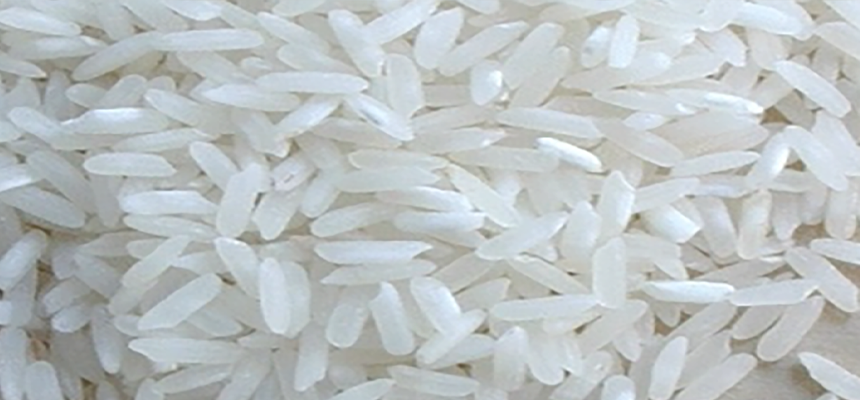
- Thai Parboiled Rice 5% Broken: our top grade, near whole grains, for retail packs, restaurants and premium distributors.
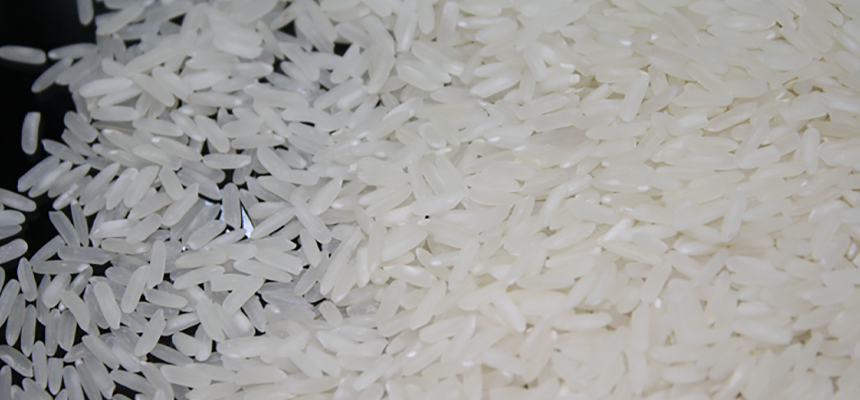
- Thai Parboiled Rice 15% Broken: a solid mid grade for wholesale and food service.
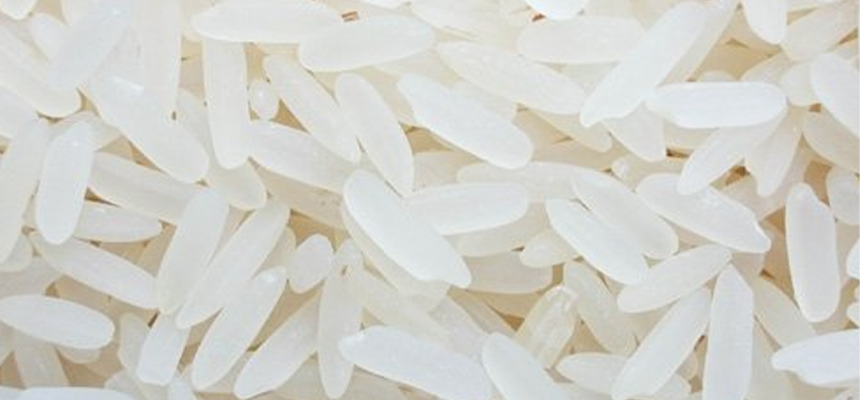
- Thai Parboiled Rice 25% Broken: a price-driven grade for markets where cost per ton matters most.
- Thai Parboiled Rice 100% Broken: broken kernels for food manufacturing, porridge and some local dishes.
We ship worldwide, from small trial loads to regular container programmes. If you’re new to buying from Thailand, our guide on how to import rice from Thailand walks through the steps.
Thai Parboiled Rice Specifications
These are our standard specs for the 5% broken grade. Other grades follow the same pattern with a higher broken allowance. Every contract can be adjusted, and colour is agreed against an approved sample.
| Parameter | Thai Parboiled Rice 5% Broken |
|---|---|
| Origin | Thailand |
| Grain type | Long grain, parboiled, double polished |
| Colour | Light golden yellow, even (natural from parboiling) |
| Average grain length | 7.0 mm minimum |
| Broken grains | 5% maximum |
| Moisture | 14% maximum |
| Damaged and discoloured grains | 0.5% maximum |
| Black and spotted kernels | 0.1% maximum |
| Chalky (un-parboiled) grains | 1% maximum |
| Red and striped grains | 1% maximum |
| Foreign matter | 0.1% maximum |
| Paddy | 5 grains per kg maximum |
| Milling | Well milled, double polished, Sortex cleaned |
| Crop | Current crop |
The 15% and 25% grades carry 15% and 25% broken maximums with similar colour and moisture limits. Full sheets for every grade are on our rice standard page.
Packing, Loading and Shipping
We pack to your market, not ours.
- Bag sizes: 1 kg, 2 kg, 5 kg, 10 kg, 25 kg and 50 kg.
- Bag types: PP woven, PP with PE liner, BOPP printed, jute and non-woven.
- Branding: your own brand and artwork, our brands, or neutral bags.
- Container loads: around 25 to 26 tons in a 20 ft container, depending on bag size.
- Terms: FOB Bangkok or Laem Chabang, CFR or CIF to your port.
- Documents: commercial invoice, packing list, bill of lading, phytosanitary certificate, certificate of origin, fumigation certificate and inspection certificate.
If you want to work out how much fits in a box, see how many tons of rice fit in a 20ft container. The paperwork is covered in our rice export documents guide.
7 Proven Tips When You Buy Parboiled Rice by Colour
We’ve watched buyers get this right and get it wrong. Knowing why is parboiled rice yellow is only half of it. Here’s what works when you actually buy.
- Put colour in the contract. “Parboiled” alone isn’t enough. Say light golden, golden or creamy, and tie it to a sealed sample.
- Ask for a pre-shipment sample from the actual lot. Not a library sample from last year. Colour can drift between crops.
- Check evenness, not just shade. Spread 100 grams on a white sheet of paper. Patchy colour tells you more than the overall tone.
- Cook it the way your customers will. Boil it, make a stew, leave it on low heat for half an hour. Parboiled rice should still be separate at the end.
- Look at the chalky grain count. White chalky grains in a parboiled lot mean incomplete steaming. Keep the limit tight.
- Use independent inspection. Have SGS, Intertek or a similar company check grain and colour at loading. We arrange it as standard. More on that in our page on rice supplier with SGS inspection.
- Store it well. Keep bags off the floor, out of the sun and away from damp walls. Heat and humidity can darken parboiled rice slowly over months.
Why Buyers Order Parboiled Rice From Us
We’re not a broker passing paper around. We work directly with mills in Thailand, so we can control parboiling depth, sorting and packing for each order. That’s what lets us answer questions like why is parboiled rice yellow with actual numbers from the steaming line, not a guess.
Buyers stay with us for the boring things that matter: honest specs, samples that match the shipment, inspection at loading, and someone answering WhatsApp when a vessel is delayed. You can read more about how we work on our about us page, or see current pricing trends in our Thai parboiled rice 5% broken FOB price article.
Common Myths About Why Is Parboiled Rice Yellow
We hear a lot of guesses. Some are close, some are way off. Here are the ones that come up most when buyers ask us why is parboiled rice yellow.
“It’s dyed with turmeric or colouring.”
No. Nobody in the export trade adds colour to parboiled rice. It would be pointless and it would fail food safety testing in most import countries. The shade comes from soaking and steaming, full stop.
“Yellow means it’s old.”
Not on its own. Very old milled rice can yellow slightly in storage, but that’s a different, duller tone, usually with a stale smell. Fresh parboiled rice is bright, clean golden and smells nutty. If you’re unsure, ask for the crop year on the contract.
“Yellow means it’s brown rice.”
Also no. Brown rice still has its bran. Parboiled rice has had the bran polished off. If you want the actual whole grain product, that’s our brown rice line.
“Darker is always better.”
Depends on your customers. Darker golden rice is firmer and some markets love it. Others think it looks wrong. The honest answer to why is parboiled rice yellow and how yellow it should be is: whatever your buyers are used to.
A Simple Test You Can Do With a Sample
When a sample bag lands on your desk, try this before you sign anything. It takes about an hour.
- Spread 100 g of dry rice on white paper under daylight. Look at the overall shade and count any dark, spotted or chalky grains.
- Hold a handful of grains up to a window. Properly parboiled grains look glassy. Chalky ones look opaque.
- Cook 200 g in plenty of salted water for about 20 minutes. Drain it.
- Look at the cooked colour. It should be pale cream with a faint gold tint, and every grain should be separate.
- Leave a portion covered on low heat for 30 minutes. Good parboiled rice won’t go soft or split.
If you ran this test with three suppliers, you’d understand why is parboiled rice yellow better than any article could explain it. The colour, the glassiness and the firmness all come from the same steaming step, and they move together.
What Our Mills Control Behind the Colour
People sometimes think colour is luck. It isn’t. When we set up an order, the mill controls four main things:
- Soak temperature and time. Hotter water and longer soaking push more pigment into the grain.
- Steam pressure and duration. This is the biggest lever. A few extra minutes noticeably deepens the gold.
- Drying speed. Slow, even drying keeps the colour uniform and avoids cracked grains.
- Polishing degree. Double polishing lightens the surface a little and gives a cleaner shine.
That’s why we can match a buyer’s existing brand closely. Send us a reference sample of what your customers already buy and we’ll aim the steaming at that shade. It’s also why, when people ask us why is parboiled rice yellow in one bag and creamy in another, the answer usually comes down to these settings at the mill.
How Colour Is Checked at Inspection
Before loading, an independent surveyor takes samples from the bags going into the container. They check broken percentage, moisture, foreign matter and the defect counts in the spec, including damaged, discoloured, black and chalky grains. Many buyers also ask the surveyor to compare the lot against the sealed approved sample for colour.
That comparison is the practical side of why is parboiled rice yellow: you’re not asking whether it’s yellow, you’re asking whether it’s the same yellow you approved. If it isn’t, the lot gets re-sorted or replaced before it ships. That’s the point of doing it in Thailand rather than finding out at your warehouse.
Where We Ship Thai Parboiled Rice
We ship to importers in West and Central Africa, East Africa, the Gulf, Europe, North and South America, the Caribbean and the Pacific. Many of them came to us asking the same question, why is parboiled rice yellow, and stayed because the colour and cooking were the same from one container to the next. Some markets we work with often: Ghana, Liberia, Saudi Arabia and the Caribbean.
If you cook for crowds, you might also like our page on parboiled rice for jollof rice, since that’s where colour and firmness matter most.
Frequently Asked Questions
Why is parboiled rice yellow even after it’s polished?
Because the colour isn’t only on the surface. During soaking and steaming, pigment and browning compounds move into the outer layers of the kernel and the starch becomes translucent. Polishing lightens it a little but doesn’t remove it.
Is the yellow colour a sign of poor quality?
No. An even light golden colour is normal and actually shows the rice was properly parboiled. Poor quality shows up as uneven colour, dark spots or chalky white grains mixed in.
Does parboiled rice stay yellow after cooking?
It lightens a lot. Cooked parboiled rice is usually pale cream with a faint golden tint.
Can you make parboiled rice whiter?
Yes, within limits. Gentler steaming and heavier polishing give a creamier grain. We can produce a lighter shade if your market prefers it.
Why is parboiled rice yellow while basmati sella can be very white?
Some basmati sella is processed with a lighter steam and a different paddy variety, which keeps it pale. Thai long grain parboiled is normally made a little deeper for firmness and cooking strength.
What’s the minimum order?
One 20 ft container is the usual starting point. For trial orders we can sometimes combine grades. See Thai rice minimum order quantity for details.
Do you ship worldwide?
Yes. We ship parboiled rice to Africa, the Middle East, Europe, the Americas, Asia and the Pacific.
Why is parboiled rice yellow but turns white when cooked?
Cooking adds a lot of water to the grain. The starch swells and the colour spreads out over a bigger, softer kernel, so it looks much paler on the plate than in the bag.
Is golden sella the answer to why is parboiled rice yellow in some shops and not others?
Partly. Golden sella is simply parboiled rice taken to a deeper shade with longer steaming. Shops that stock it will show you a much more yellow grain than a shop selling creamy sella.
Does a deeper yellow mean more nutrients?
Not directly. Deeper steaming does push nutrients into the grain, but how hard the rice is polished afterwards matters just as much. Colour is a rough guide, not a measurement.
Can I order a specific shade?
Yes. Send a reference sample or describe the shade, and we’ll match it within the normal range for Thai parboiled rice.
Why is parboiled rice yellow in Thailand and darker from some other origins?
Different paddy varieties, soak temperatures and steaming methods. Thai mills usually aim for a clean, light golden grain because that’s what most export buyers ask for.
Who should I ask if my customers ask why is parboiled rice yellow?
Ask us. We’re happy to send a short note for your sales team or shop staff so they can answer customers with confidence. A lot of importers print a line about it on the back of the bag too.
Does the yellow colour affect shelf life?
No. Parboiled rice actually stores better than ordinary white rice because the steaming hardens the grain and makes it less attractive to insects.
Get a Quote for Thai Parboiled Rice
Now you know why is parboiled rice yellow, the next step is getting the right shade and grade for your customers. Tell us the grade, the colour you want, the bag size, quantity and destination port. We’ll send a firm price, a spec sheet and a sample, usually within one working day.
Email info@dethairice.com, WhatsApp +66 81 034 6390, or use our contact page. You can also browse all grades on our products page or read about us as a Thai parboiled rice exporter.