


Why is parboiled rice cheaper than many other types of rice? Buyers ask us this all the time. The short answer: parboiling makes the grain tougher, so less of it breaks in the mill, and it lets millers use paddy that would not make good white rice. More saleable rice from every ton of paddy means a lower price per ton.
But parboiled rice is not always the cheapest option. This guide explains the real reasons behind the price, when parboiled costs more, and how importers and distributors can get the best value from it. If you have ever looked at a price list and asked yourself why is parboiled rice cheaper than the rice next to it, this guide is for you.

Table of Contents
Why Is Parboiled Rice Cheaper? The Short Answer
Parboiled rice is soaked, steamed and dried while still in the husk, then milled. That extra step costs money, so you might expect it to make the rice more expensive. In practice, the savings later in the chain often outweigh the cost of steaming:
- More whole grains come out of the mill
- Cheaper paddy can be used
- Less rice is lost in storage and shipping
- It is made and sold in very large volumes
The sections below look at each reason in turn.
1. More Whole Grains From Every Ton of Paddy
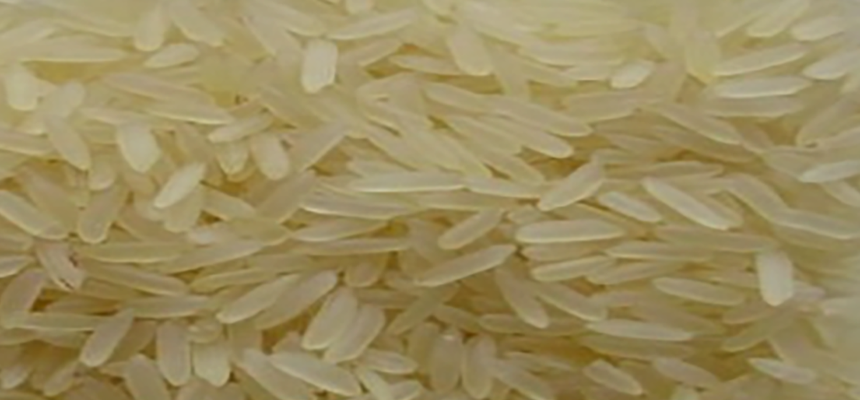
This is the biggest reason. When paddy is steamed, the starch inside the grain gelatinises and sets hard as it dries. Cracks inside the kernel are sealed. The result is a grain that survives milling far better than raw rice.
In white rice milling, a lot of grains snap in the huller and polisher. Broken rice sells for less than whole grain. With parboiled rice, more grains come out whole, so the mill gets a higher head rice yield from the same paddy. Spread over a whole container, that adds up to a real difference in cost per ton. That is the first answer to the question: why is parboiled rice cheaper?
2. Millers Can Use Lower-Cost Paddy
Some paddy mills badly as white rice. It may be cracked from uneven drying in the field, chalky, or a variety with weaker grains. Turned into white rice, it would give a lot of broken and a poor-looking product.
Parboiling repairs much of that damage. The steamed grain becomes harder and more translucent, so paddy that would have been sold cheaply can be turned into good parboiled rice. Millers can buy a wider range of paddy, often at a lower price, and that saving feeds through to a lower parboiled rice price.
3. Parboiled Rice Is Not a Premium Variety
Parboiled rice is usually made from ordinary long grain paddy. Premium fragrant varieties such as Thai Hom Mali are almost never parboiled, because buyers pay for their aroma and soft texture, and parboiling would change both.
So when you compare parboiled rice with fragrant rice, you are comparing a standard variety with a premium one. That alone explains a big part of the gap. Compare the numbers in our guides to Thai Hom Mali rice price per ton and Thai parboiled rice 25% broken price per ton.
4. Less Loss in Storage and Shipping
Parboiled rice is tough. It breaks less in handling, keeps longer, and stands up better to heat and humidity than soft white rice. For an importer, that means:
- Fewer broken grains after loading, shipping and unloading
- Less waste in hot, humid warehouses
- Longer time to sell the stock before quality drops
Rice that is lost or downgraded on the way is a hidden cost. Parboiled rice keeps that cost low, which makes it cheaper to trade even when the price on the invoice is similar.
5. Huge Production and Strong Competition
Parboiled rice is produced on a massive scale in South and Southeast Asia, including Thailand. Big mills run large parboiling plants, and many exporters compete for the same buyers. High volume and tight competition keep margins thin and prices sharp.
6. Sold in Bulk to Price-Driven Markets
A large share of the world’s parboiled rice goes to markets where price matters most: open markets in Africa, institutions, caterers and food aid. It is mostly packed in plain or simply printed 25kg and 50kg bags and shipped by the container. Bulk packing and high volume keep the cost per ton down.
7. Higher Broken Grades Cost Less
Parboiled rice is sold in several broken levels. The more broken grains allowed, the lower the parboiled rice price:
| Grade | Broken | Typical use | Price level |
|---|---|---|---|
| Parboiled 5% broken | 5% max | Supermarkets, branded packs | Highest |
| Parboiled 15% broken | 15% max | Wholesalers, caterers | Middle |
| Parboiled 25% broken | 25% max | Open markets, institutions | Lower |
| Parboiled 100% broken | All broken | Processing, feed, brewing | Lowest |
When people say parboiled rice is cheap, they are often thinking of the 15% and 25% broken grades sold in the open market.
When Parboiled Rice Is Not Cheaper
So, why is parboiled rice cheaper? Often it is, but not always. Here is when it can cost the same or more:
- Against white rice of the same grade. Parboiling uses water, fuel for steaming and energy for drying. In some seasons, Thai parboiled 5% broken is priced close to, or even above, Thai white rice 5% broken.
- Against broken white rice. Cheap broken white rice, like 100% broken white rice, can cost less than any whole grain parboiled grade.
- Premium parboiled. 100% sortexed, carefully graded parboiled rice in printed retail packs costs more than standard bulk grades. See our guide to Thai parboiled rice 5% broken, 100% sortexed.
- Market swings. Paddy prices, the baht, freight rates and demand from big buying countries all move the parboiled rice price. The gap between parboiled and white rice changes from month to month.
Always compare the same grade, the same bag and the same delivery terms. For current numbers, see Thai white rice 5% broken price per ton.
Cheaper Does Not Mean Lower Quality
A low price can make buyers worry about quality. With parboiled rice, there is no need. The steaming process pushes some of the nutrients from the bran into the grain, and the rice cooks firm and separate. Many cooks prefer it for that reason. Read more in parboiled rice health benefits and our comparison of parboiled rice vs white rice.
What matters is the spec. Make sure your contract states broken percentage, moisture (14% max is standard), sorting, colour and crop year, and have an independent inspector check it at loading.
Why Parboiled Rice Costs Less to Serve
For caterers, restaurants and institutions, the cost on the invoice is only part of the story. Parboiled rice also saves money in the kitchen:
- It holds its shape for hours after cooking, so less is thrown away
- It does not turn sticky when kept warm or reheated
- It handles large batch cooking well
That is why so many caterers and food service buyers choose it, and why it is a strong line for any parboiled rice distributor.
How to Get the Best Parboiled Rice Price
- Pick the right broken level. Do not pay for 5% broken if your market buys 25%.
- Buy direct from the exporter. Every middleman adds a margin.
- Order full containers. A 20ft container holds around 25 tons. See how many tons of rice fit in a 20ft container.
- Keep bags simple. 50kg plain or one-colour printed bags cost less than laminated retail packs.
- Compare on the same terms. FOB, CFR and CIF prices are not the same thing.
- Order ahead of busy seasons. Freight space gets tight before holidays, and late orders pay more.
- Build a relationship. Regular buyers get better terms.
Frequently Asked Questions
Why is parboiled rice cheaper than jasmine rice?
Jasmine and Hom Mali are premium fragrant varieties with lower yields and strong demand. Parboiled rice is made from ordinary long grain paddy and gives a high whole grain yield in the mill.
Is parboiled rice always cheaper than white rice?
No. Compared grade for grade, the two are often close, and parboiled can sometimes cost more because of the steaming and drying. It depends on the season and the market.
Is cheap parboiled rice lower quality?
Not necessarily. A lower price usually reflects the broken level and the bag, not poor rice. Check the spec and get a sample.
Which parboiled grade gives the best value?
For open markets and institutions, 15% or 25% broken. For supermarkets and branded packs, 5% broken.
Do you sell parboiled rice worldwide?
Yes. We ship Thai parboiled rice by the container to buyers worldwide, FOB, CFR or CIF.
What sets the parboiled rice price?
The parboiled rice price depends on paddy prices in Thailand, the baht against the US dollar, the broken level, the bag, freight to your port, and how much you order.
Get a Parboiled Rice Price
Now you know why parboiled rice is often cheaper, and when it is not. Send us the grade, tons, bag size, destination port, and whether you want FOB, CFR or CIF. We will reply with a current price, spec sheet and sample offer, usually within a day.
Email info@dethairice.com, WhatsApp +66 81 034 6390, or use our contact page. You can also browse all our products.
3 thoughts on “Why Is Parboiled Rice Cheaper? 7 Honest Reasons for Buyers”