What are the real jasmine rice health benefits? Jasmine rice is one of the most loved rice types in the world, known for its soft texture and floral aroma. It is not a superfood, and it is not unhealthy either. Like any rice, it can be part of a good diet when it is eaten in sensible portions alongside vegetables and protein.
We are a Thai rice exporter, and we ship Thai jasmine rice, Hom Mali rice and organic jasmine rice worldwide. This guide gives you an honest look at jasmine rice health benefits, the nutrition facts, the downsides worth knowing, and how white, brown and organic jasmine rice compare.

Table of Contents
What Is Jasmine Rice?
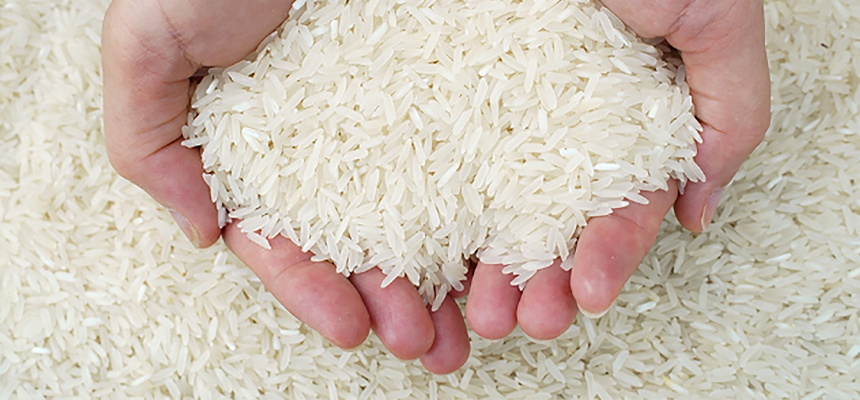
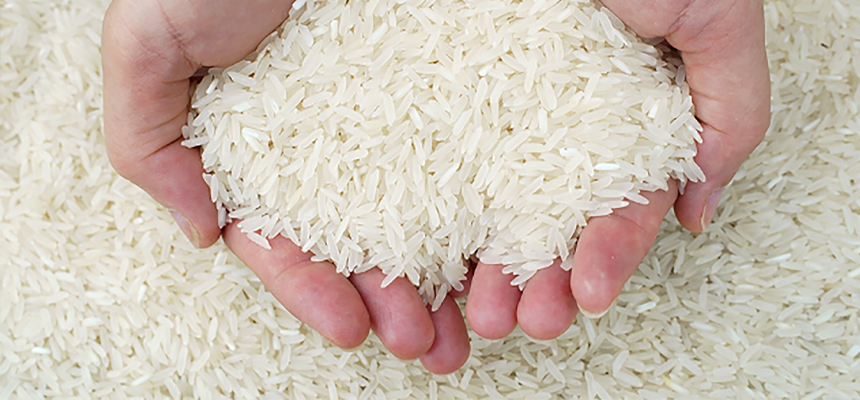
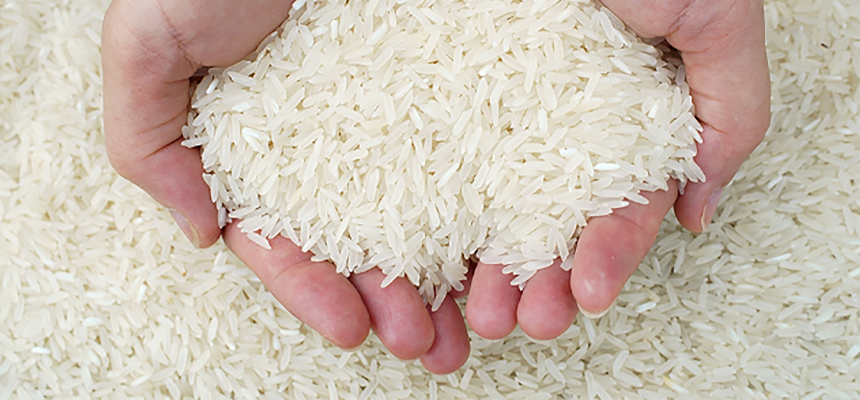
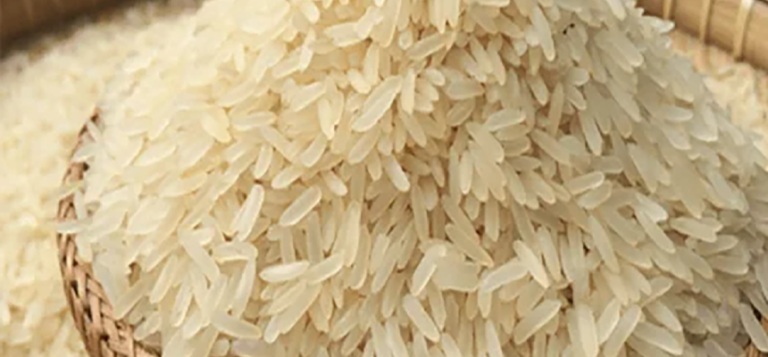
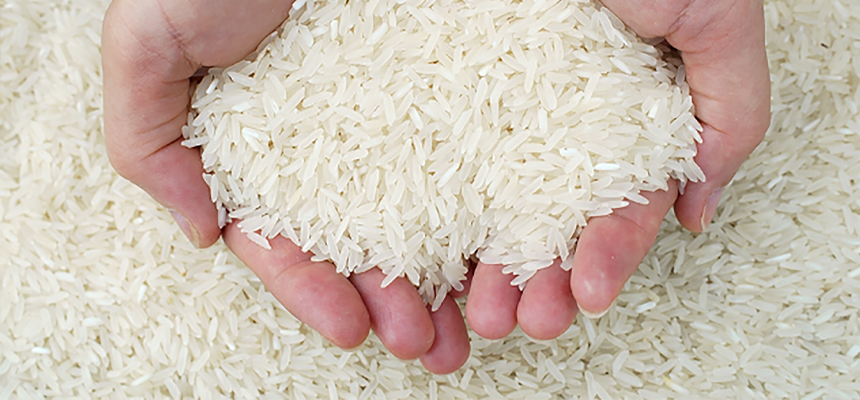
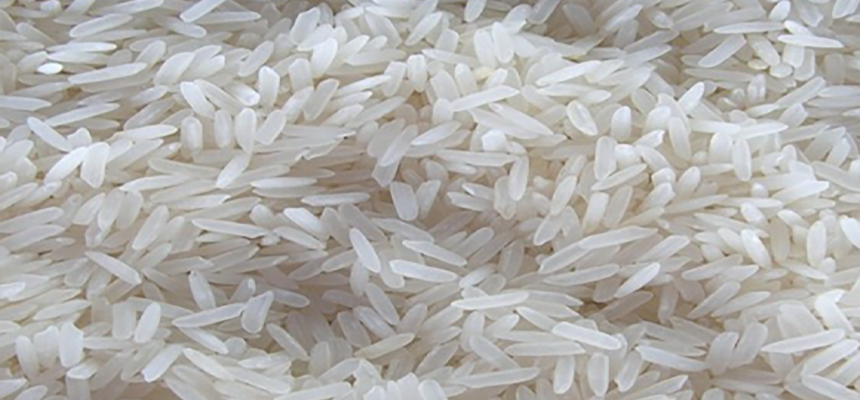
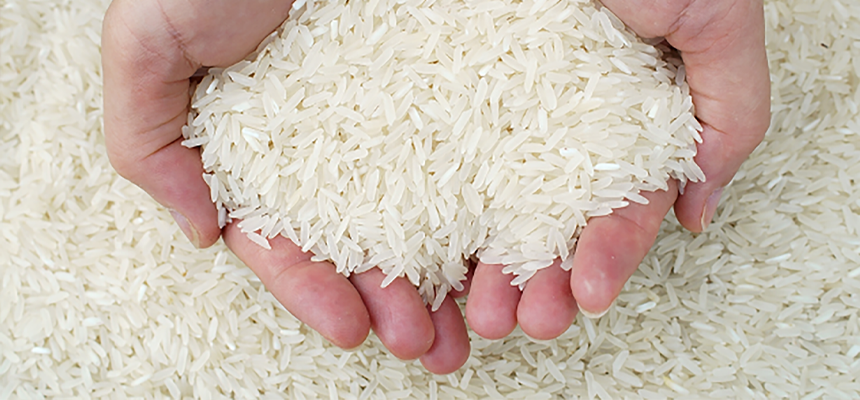
Jasmine rice is a long grain fragrant rice, grown mainly in Thailand. The best known type is Thai Hom Mali rice, grown in the northeast of the country. Its sweet, popcorn-like smell comes from a natural compound called 2-acetyl-1-pyrroline. When cooked, it turns soft, moist and slightly sticky.
Most jasmine rice is sold white, with the bran removed. You can also buy brown jasmine rice, which keeps the bran layer, and certified organic jasmine rice. For more on the varieties, see our guide to Thai Hom Mali vs jasmine rice.
Jasmine Rice Nutrition Facts
Jasmine rice has a very similar nutrition profile to other long grain rice. The figures below are approximate values for one cup (about 158g) of cooked rice, based on USDA FoodData Central data for long grain rice. Exact numbers vary by brand and cooking method.
| Per cup, cooked | White jasmine | Brown jasmine |
|---|---|---|
| Calories | About 205 | About 250 |
| Carbohydrate | About 45g | About 52g |
| Protein | About 4g | About 5.5g |
| Fat | Under 0.5g | About 2g |
| Fibre | Under 1g | About 3g |
| Sodium | Almost none | Almost none |
| Gluten | None | None |
These numbers explain most of the benefits of jasmine rice, and also its limits. The big difference is the bran. Brown jasmine rice keeps it, so it has more fibre, magnesium, B vitamins and other minerals.
8 Jasmine Rice Health Benefits
Here are the main benefits of jasmine rice, based on what is actually in the grain.
1. A Good Source of Energy
Jasmine rice is mostly carbohydrate, which your body uses for fuel. That makes it a useful base for active people, physical workers and athletes who need energy for training or a long day.
2. Naturally Gluten-Free
All rice, including jasmine rice, is naturally gluten-free. That makes it a safe staple for people with coeliac disease or gluten sensitivity, as long as it is not cross-contaminated during processing or cooking.
3. Low in Fat and Sodium
Plain jasmine rice has almost no fat, no cholesterol and almost no sodium. What you add to it, such as salt, oil, butter or rich sauces, makes the bigger difference to your meal.
4. Easy to Digest
White jasmine rice is low in fibre and gentle on the stomach. That is why plain white rice is often recommended when someone is recovering from a stomach upset, and why it suits young children and older people.
5. Brown Jasmine Rice Adds Fibre and Minerals
If you want more of the jasmine rice health benefits, choose brown jasmine rice. The bran layer adds fibre, which helps digestion and keeps you full for longer, plus magnesium, phosphorus, manganese and B vitamins.
6. Organic Jasmine Rice Is Grown Without Synthetic Chemicals
Certified organic jasmine rice is grown without synthetic pesticides or chemical fertilisers. Nutritionally it is very similar to regular jasmine rice, but many buyers choose it for peace of mind and for the environment. See our organic jasmine rice page.
7. Some Plant Protein
Jasmine rice is not a high protein food, but it adds a few grams per serving. Paired with beans, lentils, tofu, eggs, fish or meat, it helps build a balanced meal.
8. Flavour That Makes Simple Meals Satisfying
This one is easy to overlook. Because jasmine rice smells and tastes good on its own, it needs no butter or salt to be enjoyable. It pairs well with steamed vegetables, grilled fish, lean meat and soups, which makes healthy home cooking easier.
The Downsides: What to Know
An honest look at jasmine rice health benefits has to include the drawbacks too.
High Glycemic Index
White jasmine rice has a high glycemic index, among the highest of common rice types. It raises blood sugar quickly. People with diabetes or prediabetes do not have to avoid it, but should watch portions and eat it with fibre, protein and healthy fats, which slow the rise. Brown jasmine rice, basmati rice and parboiled rice usually have a lower glycemic index.
Low in Fibre (White Rice)
White jasmine rice has lost most of its fibre in milling. If it is your main staple, add plenty of vegetables, beans or wholegrains, or mix in some brown or red rice.
Easy to Overeat
Jasmine rice is delicious, and large portions add up. For most adults, around one cup of cooked rice per meal is a sensible portion as part of a balanced plate.
Arsenic in Rice
All rice, from every country, can take up small amounts of arsenic from soil and water. Rinsing rice well and cooking it in plenty of water, then draining, can lower the amount. Eating a variety of grains also helps. The US FDA has more guidance.
Tips for Healthier Jasmine Rice
Small changes in how you cook and serve it can make the benefits of jasmine rice go further.
- Rinse before cooking. It removes surface starch and dust.
- Mix it up. Combine white jasmine with brown jasmine or red cargo rice for more fibre.
- Cool and reheat. Cooked rice that is chilled overnight forms some resistant starch, which may soften the blood sugar spike. Cool it quickly and keep it in the fridge.
- Fill half the plate with vegetables. Keep rice to about a quarter.
- Add protein. Fish, chicken, eggs, tofu or beans.
- Go easy on salt and oil. Jasmine rice tastes good on its own.
Jasmine Rice vs Other Rice
How do the benefits of jasmine rice compare with other rice types? Here is a quick guide.
| Rice | Fibre | Glycemic index | Best for |
|---|---|---|---|
| White jasmine | Low | High | Flavour, soft texture, easy digestion |
| Brown jasmine | Higher | Medium | More fibre and minerals |
| Basmati | Low | Medium | Lower GI white rice option |
| Parboiled | Low to medium | Lower than white | Steadier blood sugar, firm grains |
| Red cargo | High | Medium | Fibre, antioxidants |
Read more in our guides to red cargo rice health benefits, parboiled rice health benefits and glutinous rice vs jasmine rice.
For Retailers and Importers: Selling the Health Story
If you sell jasmine rice, the benefits of jasmine rice can help it stand out on the shelf:
- Gluten-free is a strong message for many shoppers. Check your local labelling rules before using it.
- Brown and organic jasmine rice reach health-focused buyers and usually sell at a higher price.
- Small retail packs of 1kg to 5kg suit health food shops and supermarkets.
- Honest claims build trust. Stick to facts, and avoid medical claims your local food rules do not allow.
We supply Thai Hom Mali rice, Thai jasmine rice and organic jasmine rice in bulk and private label bags. See organic jasmine rice supplier and Thai jasmine rice price per ton.
Frequently Asked Questions
Is jasmine rice healthy?
Yes, in sensible portions as part of a balanced diet. It is gluten-free, low in fat and sodium, and a good source of energy. Brown jasmine rice adds fibre and minerals.
Is jasmine rice healthier than white rice?
White jasmine rice is a type of white rice, so the nutrition is very similar. Brown jasmine rice is the healthier choice if you want more fibre.
Is jasmine rice good for weight loss?
No single food causes weight loss. Jasmine rice can fit a weight loss diet if you keep portions moderate and fill the rest of the plate with vegetables and protein.
Can people with diabetes eat jasmine rice?
White jasmine rice has a high glycemic index, so portions matter. Brown jasmine, basmati or parboiled rice may be better choices. Anyone with diabetes should follow advice from their doctor or dietitian.
Is jasmine rice gluten-free?
Yes. All rice is naturally gluten-free.
What are the main jasmine rice health benefits?
Energy, being gluten-free, low fat and sodium, easy digestion, and, for brown jasmine rice, extra fibre and minerals.
A Note on Health Advice
This article is general information, not medical advice. If you have a health condition, talk to your doctor or a registered dietitian about what is right for you.
Order Thai Jasmine Rice
We ship Thai jasmine rice, Hom Mali rice and organic jasmine rice worldwide, in bags from 1kg to 50kg, with private label available. Send us the grade, tons, bag size and destination port, and we will reply with a quote and sample offer, usually within a day.
Email info@dethairice.com, WhatsApp +66 81 034 6390, or use our contact page.