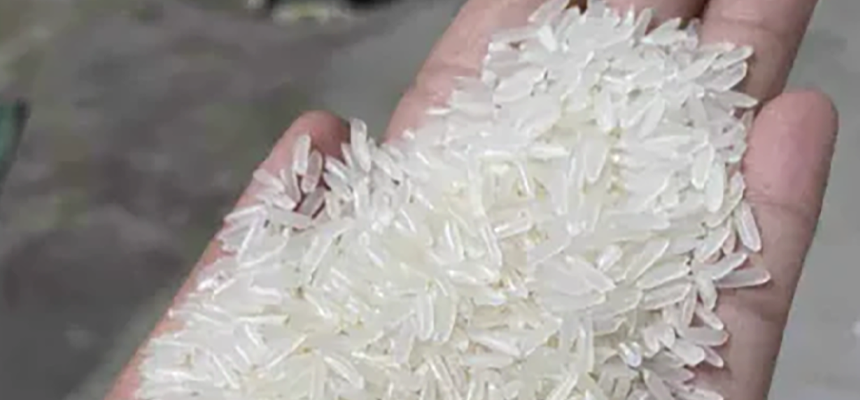
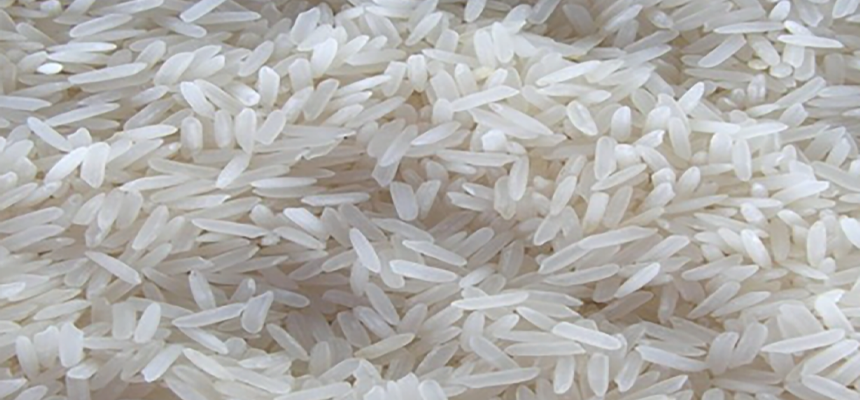
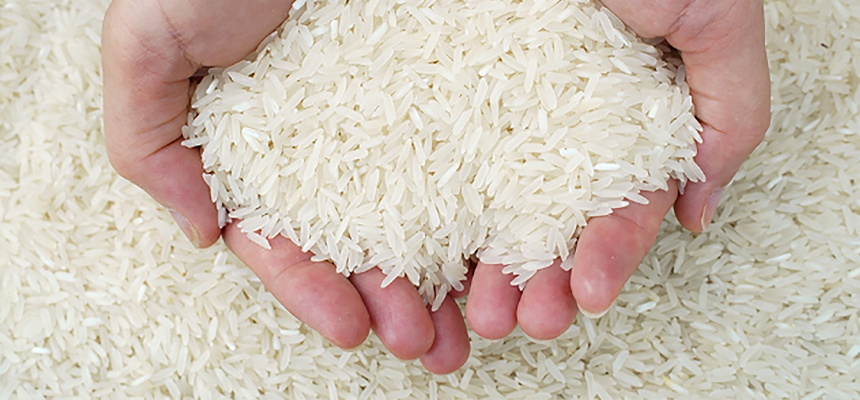
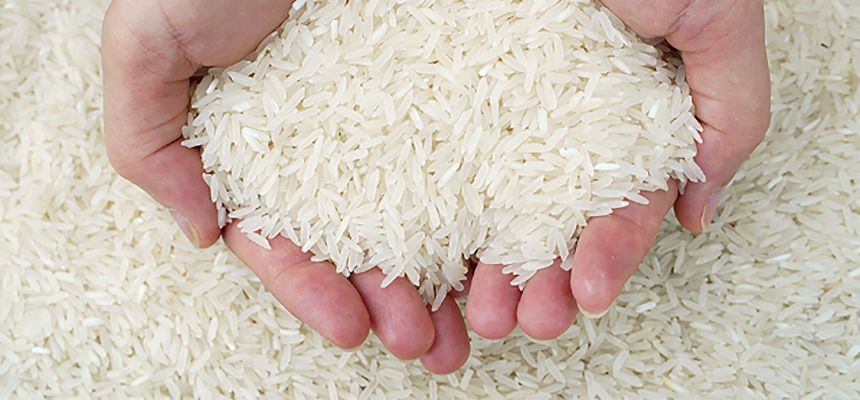
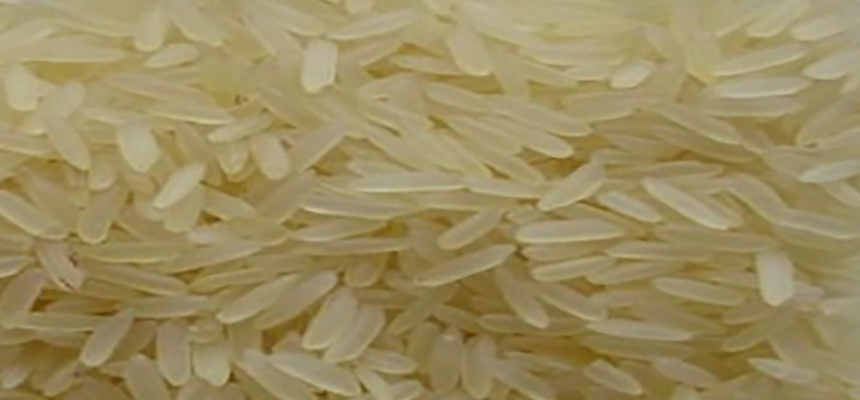
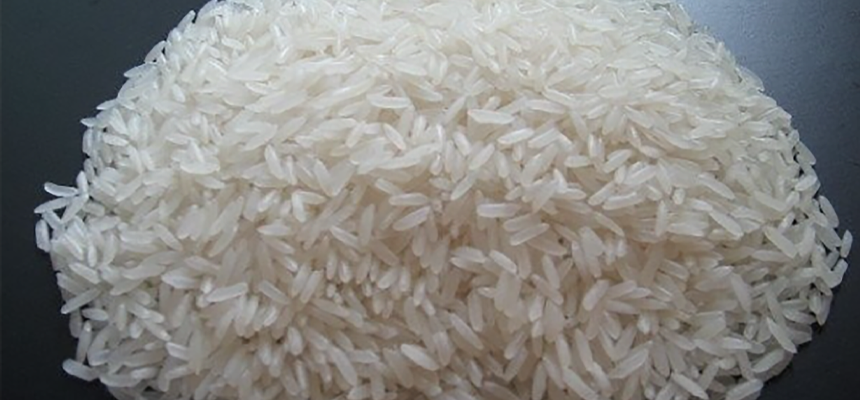
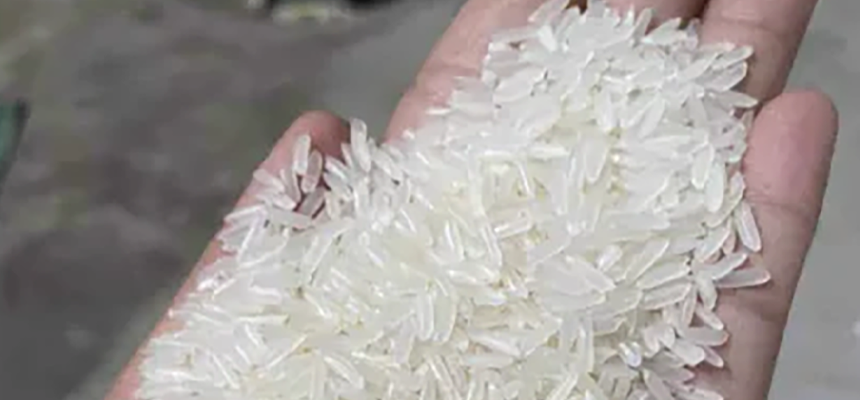
Jasmine rice is probably the most-cooked rice in New Zealand restaurants after plain medium grain. Thai places, Malaysian places, Chinese takeaways, food trucks, cafes doing rice bowls, all of them get through a lot of it. Behind them sit the distributors and grocers who buy it by the pallet or the container. That’s the jasmine rice wholesale New Zealand trade, and it’s the part of the market we supply.
We’re De Thai Products 1989 Company Limited, a rice miller and exporter in Chachoengsao, Thailand. We mill and pack Thai jasmine rice ourselves and ship it worldwide. This page is our wholesale offer for New Zealand buyers: the jasmine grades we sell, full specs, bag sizes, how pricing works, shipping to New Zealand ports, the paperwork and how to order.
Table of Contents
Our Jasmine Rice Range for Wholesale Buyers
| Product | Best for |
|---|---|
| Thai Hom Mali rice | Premium retail and top restaurants |
| Thai jasmine rice (Pathumthani fragrant) | Everyday wholesale, takeaways and food service |
| Organic jasmine rice | Organic and health food ranges |
| Broken jasmine rice | Congee, rice flour and processing at a low price |
Most jasmine rice wholesale New Zealand buyers carry two levels. Hom Mali at the top for customers who want the best, and Pathumthani fragrant rice as the volume line for restaurants and price-conscious shoppers. Some add broken jasmine rice for congee shops and food manufacturers.
Specification: Thai Jasmine Rice
| Item | Standard |
|---|---|
| Origin | Thailand, current season |
| Grain | Long grain, white |
| Broken grains | 5% maximum |
| Moisture | 14% maximum |
| Foreign matter | 0.1% maximum |
| Purity | 95% minimum |
| Shelf life | Up to 24 months stored properly |
| Packing | 1kg, 5kg, 10kg, 25kg or 50kg bags |
Specification: Thai Hom Mali Rice
| Item | Standard |
|---|---|
| Variety | KDML105 and RD15 |
| Purity | 92% minimum Hom Mali |
| Broken grains | 4.5% maximum |
| Moisture | 14% maximum |
| Chalky kernels | 6% maximum |
| Yellow kernels | 0.2% maximum |
| Milling | Double polished, sortexed |
| Packing | 1kg to 50kg bags |
Specification: Organic Jasmine Rice
| Item | Standard |
|---|---|
| Jasmine purity | 92% minimum |
| Long grain length | 6.6 to 7.0 mm, up to 70% of the lot |
| Whole kernels | 60% minimum |
| Broken grains | 4% maximum |
| Chalky kernels | Under 3% |
| Milling | Extra well milled |
| Moisture | 14% maximum |
If you need different numbers, ask. We’ll grade to your spec. The rice standard page explains how these are measured.
Hom Mali or Pathumthani: Which One for Wholesale?
This is the question we get most from jasmine rice wholesale New Zealand buyers, so here’s a plain answer.
Hom Mali is the original. It’s grown mainly in northeast Thailand, harvested once a year for the main crop, and it has the strongest smell and softest texture. It costs more.
Pathumthani fragrant rice is a Thai fragrant variety grown mostly in the central plains. It has a lighter aroma, cooks a little firmer, and can be harvested more than once a year, so supply is steadier and the price is lower.
For a takeaway cooking a hundred kilos a day, Pathumthani is usually the smarter buy. For a Thai restaurant that prides itself on its rice, or a grocer selling to Thai families, Hom Mali is worth it. Many of our jasmine rice wholesale New Zealand customers sell both, priced clearly apart, and let the end buyer choose.
Bag Sizes for the Wholesale Trade
- 25kg bags, the standard for restaurants and takeaways
- 50kg bags for repackers and big kitchens
- 10kg and 5kg printed bags for grocers and supermarkets
- 1kg and 2kg packs, including vacuum packs, for retail
- Your brand, or plain export bags with standard marking
In jasmine rice wholesale New Zealand food service mostly moves in 25kg bags. They’re light enough to lift and big enough to be efficient. We use strong woven or laminated bags so they survive the trip and the back of a delivery van.
How Wholesale Pricing Works
We don’t publish a jasmine rice wholesale New Zealand price list, because prices move every week. What we can do is tell you what drives the number, so you can plan.
- Variety. Hom Mali costs noticeably more than Pathumthani fragrant rice.
- Crop size. A short Hom Mali crop pushes prices up for the whole year.
- Crop year. New crop is usually dearer than older stock.
- Currency. The baht and the New Zealand dollar both move against the US dollar.
- Bag. Small printed packs cost more per ton than plain 25kg or 50kg bags.
- Organic. Certified organic rice carries a premium.
- Freight. New Zealand is a long way from Thailand, so freight is a bigger share of landed cost than for Asian buyers.
- Volume. Regular monthly buyers get better pricing than one-off orders.
For a jasmine rice wholesale New Zealand price that means anything, compare landed cost per kilo in your warehouse, not FOB per ton. Our explainers on Thai jasmine rice FOB price, jasmine rice price per kg wholesale and Thai jasmine rice price per ton walk through the numbers. If you want to follow the market, the Thai Rice Exporters Association publishes weekly reference prices and the FAO rice page tracks world trade.
Shipping Jasmine Rice to New Zealand
For jasmine rice wholesale New Zealand orders we load at Laem Chabang and Bangkok. Rice to New Zealand usually tranships in Singapore, Port Klang or an Australian port.
| Port | Approx. transit |
|---|---|
| Auckland | 3 to 5 weeks |
| Tauranga | 3 to 5 weeks |
| Wellington | 4 to 6 weeks |
| Lyttelton | 4 to 6 weeks |
| Port Chalmers | 4 to 6 weeks |
We confirm routing with the line before you sign. A 20ft container holds about 25 tons, which is 1,000 bags of 25kg. Smaller retail packs reduce that a bit. See how many tons of rice fit in a 20ft container. Delivery terms are usually FOB or CFR under the ICC Incoterms rules.
Minimum Order
One 20ft container. You can mix Hom Mali, Pathumthani jasmine, organic jasmine, white rice and glutinous rice in it. For many jasmine rice wholesale New Zealand distributors, a mixed box is the only sensible way to buy. It keeps every line fresh without tying up money in one product. See the minimum order quantity page.
If a full container is too much to start with, some buyers split one with another importer. That’s fine with us as long as there’s one consignee on the paperwork.
Biosecurity and Customs
New Zealand’s biosecurity rules are strict. Rice is a stored plant product and has to meet the import health standard set by the Ministry for Primary Industries. Conditions change from time to time and the importer has to check them, so confirm current requirements with MPI or your broker.
What usually matters:
- Clean rice, no live insects, no soil, no other seeds
- Thai phytosanitary certificate with any required declarations
- Treatment or fumigation where required, with a certificate
- Clean containers and new packaging
- Documents that match each other exactly
Customs entry goes through New Zealand Customs. With the right certificate of origin, Thai rice usually gets preferential tariff treatment.
In jasmine rice wholesale New Zealand importers lose more time to paperwork than to anything else. We send all documents as drafts first so you or your broker can check them before originals go out.
Documents We Provide
- Commercial invoice and packing list
- Bill of lading
- Certificate of origin for preferential tariff
- Phytosanitary certificate
- Fumigation or treatment certificate where required
- Certificate of analysis, with independent survey on request
- Organic certificate for organic lines
- Halal certificate and non-GMO declaration on request
Private Label for Wholesalers
Most of our jasmine rice wholesale New Zealand customers sell under their own name, especially in 5kg and 10kg bags. The process:
- You send artwork and label text that meets New Zealand food labelling rules.
- We send a print proof.
- You approve.
- We print and pack.
First print runs take longer. After that, we can keep printed bags at the mill so repeat orders load fast. If you’d rather not design your own, we can supply rice in our existing brands.
How an Order Works
- You send products, quantities, bag sizes, port and terms.
- We send a dated offer and courier samples.
- You cook and test.
- We agree a contract with spec and crop year.
- Deposit or letter of credit is arranged.
- We mill, pack, check and load.
- Documents go to you, your broker or your bank.
Plain bag orders usually load two to four weeks after contract.
Payment Terms
New buyers usually pay a deposit by bank transfer with the balance against copy documents, or open a letter of credit at sight. Repeat customers can discuss other terms. Don’t pay 100% up front to a seller you can’t check. Jasmine rice is one of the most common products used in fake rice offers.
7 Proven Tips for Jasmine Rice Wholesale New Zealand Buyers
1. Match the variety to the customer
Hom Mali for customers who know rice. Pathumthani for kitchens that cook in volume. Don’t sell one as the other.
2. Buy fresh, sell fresh
Aroma fades. Order smaller amounts more often rather than a year’s stock at once.
3. Cook the samples in a commercial rice cooker
If you sell to restaurants, test the rice the way they’ll use it, including an hour or two on keep-warm.
4. Price on landed cost
Work out cost per kilo in your warehouse, including freight, clearance, duty if any and trucking.
5. Keep stock cool
Jasmine rice in a hot shed loses its smell quickly. Store it in the coolest part of the warehouse.
6. Get the biosecurity documents checked early
Ask your broker to review drafts before the ship sails.
7. Start with a mixed container
Try two or three jasmine lines in one box, then build around what sells.
Mistakes We See
The big one is selling a cheaper fragrant rice in a bag that suggests Hom Mali. Customers notice, restaurants notice, and once trust goes it’s hard to get back. Another is overbuying before summer, so the last pallets sell flat and stale in February. A third is choosing the lowest FOB offer with poor routing and long transhipment, which ends up costing more and arriving later. In jasmine rice wholesale New Zealand margins are tight enough that these mistakes really hurt.
Who Buys Jasmine Rice Wholesale in New Zealand
- Food service distributors supplying restaurants and takeaways
- Asian grocery wholesalers and supermarkets
- Mainstream supermarket private label buyers
- Caterers, hotels and event kitchens
- Universities, hospitals and rest home kitchens
- Food manufacturers making ready meals and frozen products
- Online grocers and meal kit companies
We supply all of them, directly or through their importer.
Thai Jasmine Compared With Other Origins
Vietnam, Cambodia and others export fragrant rice, often at lower prices, and some of it is good. Australia grows fragrant rice too, though in smaller volumes. Thai jasmine still leads because the name is trusted and the quality is consistent from shipment to shipment. For jasmine rice wholesale New Zealand distributors, that consistency is what keeps restaurant customers from switching. A chef who finds the rice behaves differently every month will look for a new supplier.
Our Quality Control
Every lot for jasmine rice wholesale New Zealand customers is tested for purity, moisture, brokens, chalky and yellow kernels and foreign matter before packing. Rice is cleaned, de-stoned, polished and colour sorted. We mill fragrant rice close to loading to keep the aroma, and check containers for cleanliness and dryness before loading. Retained samples are kept from every lot. More on our quality control page.
Storage Advice for Wholesalers
- Keep it cool, ideally below 25 degrees
- Pallets, off the floor and away from walls
- Away from strong smells, jasmine rice absorbs them
- First in, first out
- Check regularly for insects
For best aroma, sell jasmine rice within about a year of milling.
What Restaurants Actually Ask Their Rice Supplier
If you sell into food service, you’ll hear the same questions again and again, so it helps to know the answers before you buy. Will it cook the same every week? Does it hold on keep-warm through dinner? How much cooked rice do I get from a 25kg bag? Can you deliver twice a week?
The first two depend on the mill. Consistent paddy sources and consistent milling are what keep the rice behaving the same. That’s why jasmine rice wholesale New Zealand distributors who supply chefs tend to stay with one mill for their main line. The yield question is simple: one kilo of raw jasmine rice gives roughly two and a half to three kilos of cooked rice depending on water. The delivery question is yours, but it’s easier when you have steady stock from regular containers.
Takeaways, Food Trucks and Rice Bowls
The fast-casual side of the market has grown a lot in New Zealand. Poke bowls, Korean and Japanese-style bowls, Thai and Malaysian takeaways, food trucks at markets and festivals. Many of these kitchens use jasmine rice because it’s fragrant, soft and familiar, even when the cuisine isn’t Thai.
These buyers are price-sensitive and they buy small, often 10kg or 25kg bags at a time. For jasmine rice wholesale New Zealand suppliers who deliver to them, a good Pathumthani jasmine at a sharp price is usually the best seller. Keep Hom Mali for the places that make a point of their rice.
Supermarkets and Private Label
Supermarket buyers want a lot from a rice supplier. A clear spec, food safety certificates, a barcode, label compliance, steady supply and a sharp cost price. They’ll usually ask for samples of the finished pack, not just the rice. If you’re pitching a jasmine rice range to a chain, talk to us early so we can supply samples, specs and certificates for the range review.
The good news is that once you’re in, a supermarket line can carry a lot of volume. Several jasmine rice wholesale New Zealand importers we know built their business on one or two strong private label lines.
Food Manufacturers
Ready meal makers, frozen food companies and meal kit businesses buy jasmine rice by the ton. They care about cooking behaviour in their process: how it reacts to steaming, freezing and reheating. Broken jasmine rice is also useful for congee, rice flour and rice-based snacks, at a much lower price than whole grain. If you supply manufacturers, send us their process details and we’ll suggest the right grade.
A Buyer Example
A food service distributor in Hamilton was buying 25kg jasmine bags through a middleman for about forty restaurants and takeaways. Prices jumped around and quality varied. He came to us for one mixed container: mostly Pathumthani jasmine in 25kg bags, a pallet of Hom Mali for his two best Thai restaurant customers, and some glutinous rice. The restaurants liked the steady quality, and he liked knowing the crop year. He now takes a container roughly every six weeks. It’s the kind of simple, steady programme that works well in jasmine rice wholesale New Zealand.
Planning Steady Supply
In jasmine rice wholesale New Zealand transit is four to six weeks, so plan two months ahead. Set a regular volume, keep a few weeks of safety stock, and let us plan milling and printed bags around your schedule. If you book your main Hom Mali volume soon after the new crop arrives, your customers get the best rice of the year.
Seasons in the Jasmine Rice Wholesale New Zealand Calendar
Demand isn’t flat through the year. Chinese New Year, Diwali and Songkran all lift sales at Asian grocers. Summer brings tourists to Queenstown, Rotorua and the coast, and restaurants there get busier. Winter is slower for some takeaways and busier for soup and congee shops. Because transit takes over a month, jasmine rice wholesale New Zealand distributors who do well tend to book festival and summer stock two to three months ahead.
The Thai crop calendar matters too. New Hom Mali usually reaches export mills from late in the year, so the freshest Hom Mali lands in New Zealand around the start of the year. If you sell premium rice, time a bigger order to land then, and keep top-ups smaller for the rest of the year. Talk to us about your calendar and we’ll help you plan it.
Why Buy Direct From a Mill
A lot of jasmine rice reaches New Zealand through two or three traders. Each adds a margin, and each is a chance for rice to be mixed, held too long or relabelled. Buying direct means you know the mill, the crop year and the people loading your container. For jasmine rice wholesale New Zealand buyers moving regular volume, that’s usually a better price and fewer surprises. And if something goes wrong, you have one company to call, the one that can actually fix it.
How to Check a Supplier
Ask to see the mill, in person or on video. Ask for company registration, export licence and references. Ask for samples from the actual lot and a sealed counter-sample at the mill. For jasmine rice wholesale New Zealand buyers, a supplier who won’t do these simple things isn’t one to send money to.
Frequently Asked Questions
Do you sell jasmine rice wholesale to New Zealand?
Yes, by the container, direct from our mill.
What bag sizes do you offer?
1kg, 2kg, 5kg, 10kg, 25kg and 50kg.
Can I get my own label?
Yes. Private label is standard.
Do you sell organic jasmine rice?
Yes, with organic certification.
What’s the minimum order?
One 20ft container, mixed if you like.
Can I get samples?
Yes, by courier.
Work With a Mill for Jasmine Rice Wholesale New Zealand Supply
Send us the products, quantities, bag sizes and port. We’ll come back with a dated offer and samples. You can also read about us, see our products, or read Thai Hom Mali rice importers New Zealand, Thai rice importers New Zealand and jasmine rice wholesale suppliers Australia.
De Thai Products 1989 Company Limited. Email info@dethairice.com, WhatsApp +66 81 034 6390, or use our contact page.