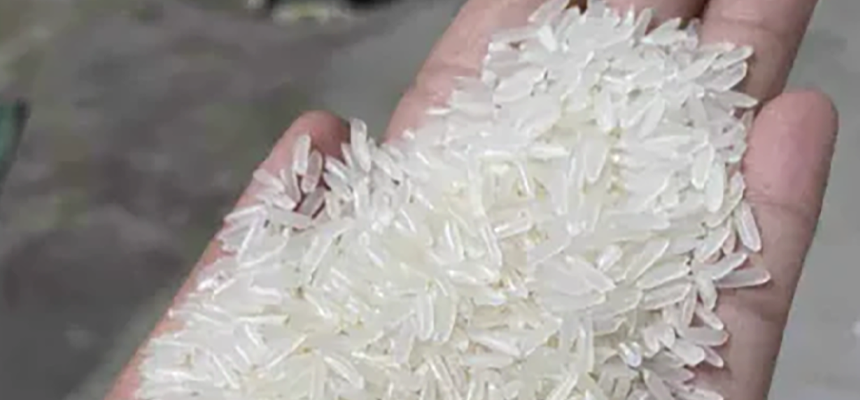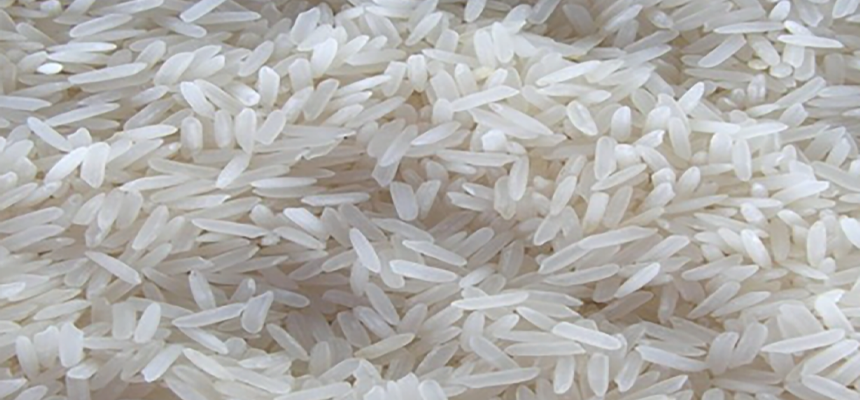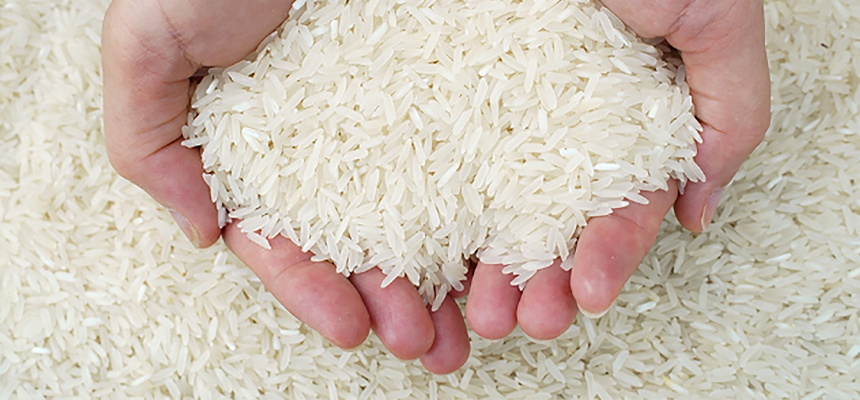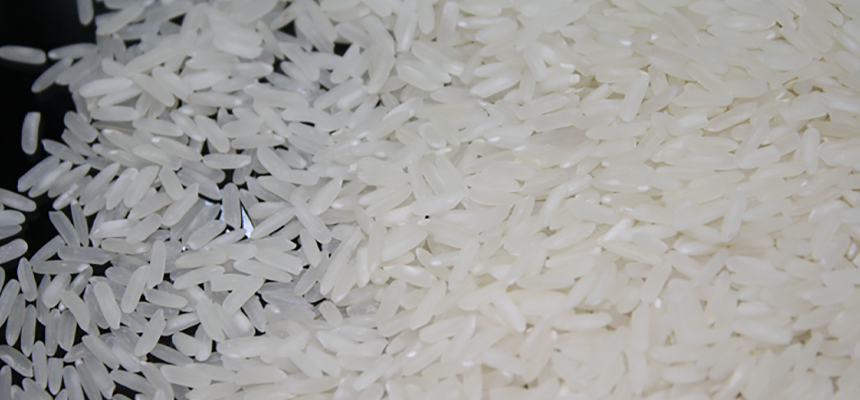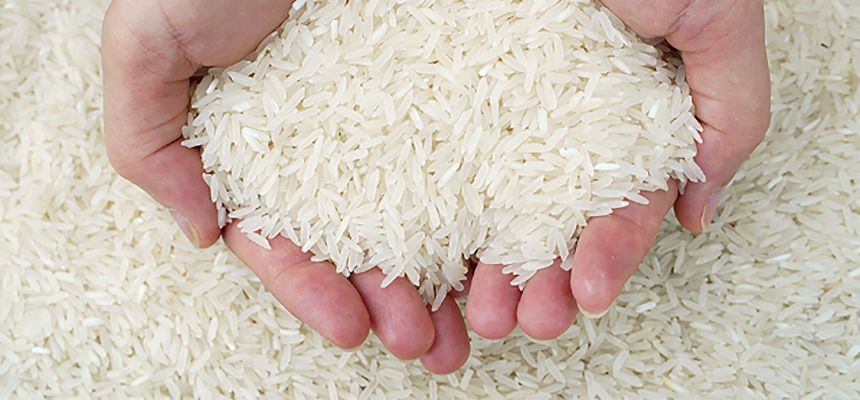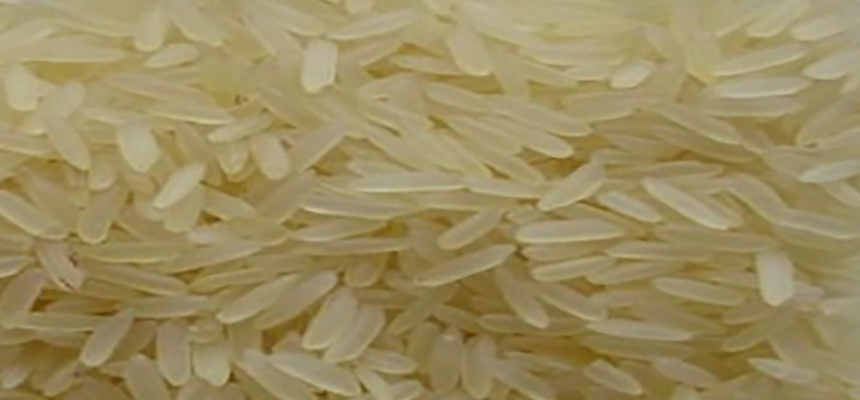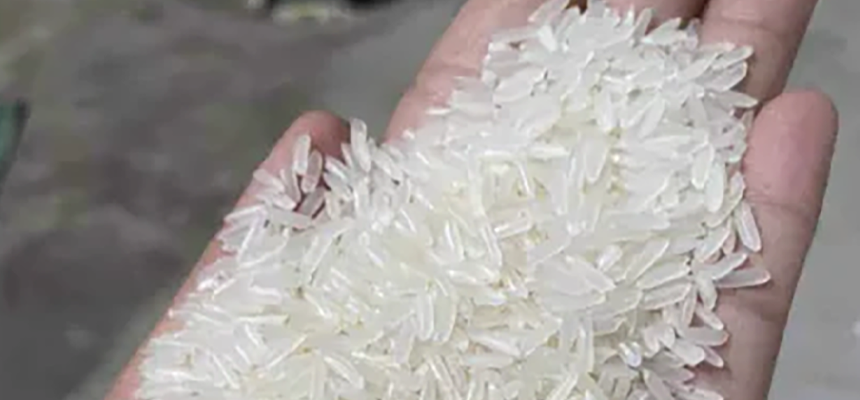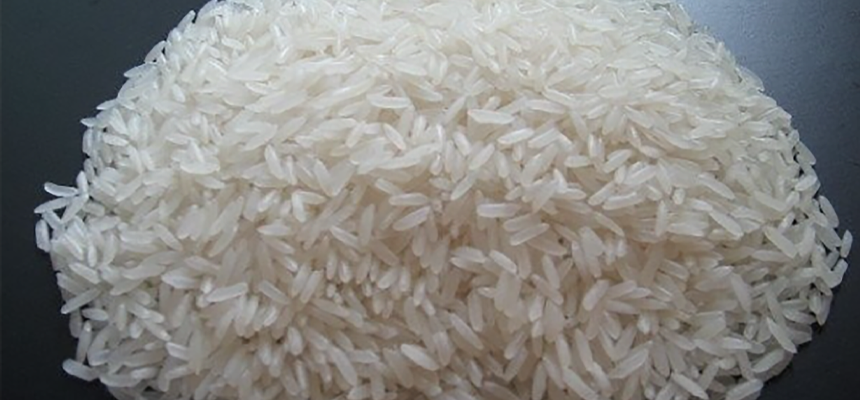


Rice has become one of the main foods in Papua New Guinea, especially in towns. In Port Moresby, Lae, Mount Hagen and Kokopo, a bag of rice and a tin of fish is a normal family meal, and trade stores in the villages carry rice right next to the sugar and flour. Very little of it is grown locally, so almost all of it comes in by sea. That makes rice importers Papua New Guinea depends on a key part of the country’s food supply.
We’re De Thai Products 1989 Company Limited, a rice miller and exporter in Chachoengsao, Thailand. We mill, grade and pack our own rice and ship it worldwide. This page is our offer to rice importers Papua New Guinea wide: the grades we supply, full specs, bags and private label, shipping to Lae, Port Moresby and other ports, paperwork, pricing and payment, and how we work.
Table of Contents
What Rice Importers Papua New Guinea Side Need From a Supplier
PNG is a tough market to supply well. Most shoppers buy on price, so the rice has to be competitive. Distribution is hard, with long roads, coastal shipping and air freight to some places, so bags get handled a lot. The climate is hot and humid. Foreign exchange can be slow to come through. And biosecurity rules are taken seriously.
So rice importers Papua New Guinea relies on need a supplier who can offer:
- A good white rice at a sharp price
- Bags that survive several rounds of handling
- Dry rice that holds up in tropical heat
- Clean paperwork for quarantine and customs
- Patience and clear terms around payment timing
- Mixed containers and steady supply
We mill our own rice, so we control quality from paddy to bag. That’s the difference between a mill and a trader.
The Rice We Supply
| Product | Typical PNG use |
|---|---|
| White rice 25% broken | Value rice for trade stores and budget packs |
| White rice 10% broken | Everyday family rice, supermarkets |
| White rice 5% broken | Premium white rice for supermarkets |
| Medium grain and Calrose rice | For buyers used to softer medium grain |
| Thai jasmine rice | Supermarkets, hotels, Asian restaurants |
| Parboiled rice | Mining camps, institutions, long storage |
| 100% broken rice | Processing and feed |
Many rice importers Papua New Guinea side are used to softer medium grain rice, because that’s what dominated the market for years. We supply medium grain as well as Thai long grain, so you can offer both or test which one your customers prefer.
Specification: White Rice 25% Broken
| Item | Standard |
|---|---|
| Origin | Thailand, current crop |
| Grain | Long and medium grain, well milled |
| Broken grains | 25% maximum |
| Moisture | 14% maximum |
| Foreign matter | 0.5% maximum |
| Damaged and discoloured grains | 2% maximum |
| Chalky grains | Within standard milling tolerance |
| Packing | 1kg to 50kg bags |
| Shelf life | Up to 24 months stored properly |
Specification: White Rice 10% Broken
| Item | Standard |
|---|---|
| Grain | Long grain, polished |
| Broken grains | 10% maximum |
| Moisture | 14% maximum |
| Purity | 95% minimum |
| Foreign matter | 0.1% maximum |
| Damaged grains | 1% maximum |
| Chalky grains | 2% maximum |
Specification: White Rice 5% Broken
| Item | Standard |
|---|---|
| Grain | Long grain, double polished, colour sorted |
| Broken grains | 5% maximum |
| Moisture | 14% maximum |
| Purity | 95% minimum |
| Foreign matter | 0.1% maximum |
| Damaged and discoloured | 1% maximum each |
| Chalky grains | 2% maximum |
If you need a different spec, tell us and we’ll quote to it. Our rice standard page explains how grades are measured.
Bags That Suit PNG
PNG retail is built around smaller packs, because many families buy what they can afford that week. Trade stores sell 1kg and 5kg bags. Supermarkets sell 5kg and 10kg. Institutions and camps buy 20kg, 25kg or 50kg.
- 1kg and 2kg consumer packs in master bags
- 5kg and 10kg printed bags
- 20kg and 25kg bags for bulk family buying and food service
- 50kg PP woven bags for institutions and repackers
- Your brand in English and Tok Pisin, with your importer details
- Strong, new woven bags, with liners for long or rough routes
Most rice importers Papua New Guinea side sell under their own brand. You send artwork, we send a proof, you approve, we print. After the first run, we can hold printed bags at the mill for repeat orders.
Shipping to Papua New Guinea
For rice importers Papua New Guinea orders we load at Laem Chabang and Bangkok. Cargo to PNG usually tranships in Singapore or Port Klang, sometimes through Australia.
| Port | Approx. transit from Thailand |
|---|---|
| Lae | 3 to 5 weeks |
| Port Moresby | 3 to 5 weeks |
| Madang | 4 to 6 weeks |
| Rabaul and Kimbe | 4 to 6 weeks |
| Wewak | 4 to 6 weeks |
Routing changes, so we confirm before you sign. Lae is the main port for the Highlands Highway, so most rice importers Papua New Guinea side who supply the Highlands bring cargo through Lae. Port Moresby suits the capital and Central and Gulf provinces. Island and coastal destinations often need onward shipping.
A 20ft container holds about 25 tons: 500 bags of 50kg, 1,000 bags of 25kg, 1,250 bags of 20kg, or a bit less in small packs. See how many tons of rice fit in a 20ft container. Delivery terms are usually FOB Thailand or CFR Lae or Port Moresby under the ICC Incoterms rules.
Minimum Order
One 20ft container, mixed grades and bag sizes allowed. A typical first order might be mostly 25% broken in 5kg and 10kg bags for trade stores, some 10% broken for supermarkets, and a few pallets of jasmine. Larger rice importers Papua New Guinea based take several containers a month. See our minimum order quantity page.
Quarantine and Customs
PNG has strict quarantine rules to protect its agriculture, and rice importers Papua New Guinea side deal with them on every shipment. Rice imports normally need an import permit and have to meet the conditions set by the National Agriculture Quarantine and Inspection Authority. Customs clearance goes through the PNG Customs Service. Requirements change, so confirm the current rules with the authorities or your customs agent before each shipment.
What usually comes up:
- An import permit arranged before shipping
- A Thai phytosanitary certificate with any required declarations
- Fumigation certificate
- Clean rice, clean containers and new bags
- Certificate of origin
- Food labelling that meets PNG requirements on retail packs
- Possible inspection on arrival
We prepare all of this on our side and send drafts before the originals. Rice importers Papua New Guinea side tell us that most delays come from small mismatches between the permit, the invoice and the bill of lading, so we take care to keep them identical.
Pricing
We don’t publish fixed prices for rice importers Papua New Guinea buyers. Rice moves with paddy supply, the baht and the kina against the US dollar, export policy in other origins and freight. Freight to PNG and onward distribution inside the country are a big part of the final cost.
What changes your price:
- Grade. 25% broken is the cheapest, 5% the dearest of the white rices.
- Variety. Jasmine costs more than white rice.
- Bag. Small printed packs cost more per ton than 50kg bags.
- Port and routing.
- Volume and regularity.
For background, see Thai white rice 25% broken price per ton, 5% broken price per ton and FOB vs CIF rice price. The Thai Rice Exporters Association publishes weekly reference prices, and the FAO rice page tracks world markets.
Payment and Foreign Exchange
This is a real issue in PNG and we’d rather talk about it openly. Importers sometimes wait for foreign currency to be released by their bank, which can delay payments. That’s not a reason to avoid trading, but it does mean payment terms need to be planned.
New buyers usually pay a deposit by bank transfer with the balance against copy documents, or open a letter of credit at sight. If you know your FX may take time, tell us at the start. We can plan loading around when funds are likely to be ready, rather than having rice sit at the mill or a container wait at the port. Repeat rice importers Papua New Guinea based can discuss other terms once we’ve worked together.
And as always: don’t pay 100% up front to a seller you can’t check. Fake rice offers target Pacific importers every year.
Documents
- Commercial invoice and packing list
- Bill of lading
- Certificate of origin
- Phytosanitary certificate
- Fumigation certificate
- Certificate of analysis, with independent survey from a firm such as SGS on request
- Halal certificate and non-GMO declaration on request
How an Order Works
- You send grades, tonnage, bag sizes, port and terms.
- We send a dated offer and courier samples.
- You cook and test.
- We agree a contract with the spec written in.
- You arrange the import permit, and deposit or LC.
- We mill, pack, check and load.
- Documents go to you, your agent or your bank.
Plain bags usually load two to four weeks after contract. Printed packs add time on the first run.
7 Proven Tips for Rice Importers Papua New Guinea Based
1. Sort the permit before the price
Get the import permit in place first. A container that arrives without one is expensive to hold.
2. Plan payment around FX
Talk to your bank about foreign currency timing, then agree a loading date that fits.
3. Choose bags for the whole route
Rice going up the Highlands Highway or onto a coastal boat needs strong bags. Ask for double stitching and liners where it makes sense.
4. Test long grain against medium grain
If your customers grew up on medium grain, try a mixed container and see what sells.
5. Keep moisture low
Tropical heat and long transit punish damp rice. Ask for moisture at the low end of the spec.
6. Price on landed cost
Add freight, clearance, port charges and inland trucking before you compare offers.
7. Start with one container
Test the full chain once, then build a regular schedule.
Mistakes We See
The biggest one is shipping before the import permit is ready. Another is choosing thin bags to save a few toea per bag, then losing far more to torn bags on the road to Mount Hagen. A third is buying a full container of one premium grade in a market that mostly buys on price. And some rice importers Papua New Guinea side pay a deposit to a seller they’ve never checked, and never see the rice. All of these are avoidable.
Who Buys Rice in PNG
- Importers and wholesale distributors in Lae and Port Moresby
- Supermarket chains and their private label lines
- Trade stores, mostly through wholesalers
- Mining, oil and gas camps and their caterers
- Schools, hospitals, the defence force and correctional services
- Hotels, restaurants and Asian takeaways
- Churches, NGOs and relief programmes
For rice importers Papua New Guinea camps are a big customer. They feed hundreds or thousands of workers every day, often in remote places. They want rice that’s easy to cook in volume, holds well, and arrives on time. Parboiled rice and 10% broken white rice in 25kg bags suit them well.
Long Grain or Medium Grain?
For years, a lot of the rice eaten in PNG was medium grain, and many shoppers are used to its softer, slightly sticky texture. Thai long grain is firmer, more separate and usually a little cheaper per ton. Some customers prefer it, some don’t.
Our advice to rice importers Papua New Guinea side is to test. Put both in one container, in the same size bag, and watch which one moves faster in your shops. We supply both, so you don’t have to switch suppliers to try.
Thai Rice Compared With Other Origins
PNG gets rice from Australia, Thailand, Vietnam and others. Australian medium grain has a long history in the market. Vietnam competes hard on price. Thai rice offers a consistent, clean white rice at a fair price, plus fragrant jasmine for the top end. Many rice importers Papua New Guinea wide keep more than one origin to manage price and supply risk, and Thai rice is a natural part of that mix.
Our Quality Control
Every lot we ship to rice importers Papua New Guinea wide is tested for moisture, brokens, chalky, damaged and discoloured grains and foreign matter before packing. Rice is cleaned, de-stoned, polished and colour sorted. Containers are checked for cleanliness and dryness before loading. We keep retained samples from every shipment. See our quality control page.
Storage in Tropical Conditions
- Keep bags on pallets, off the floor and away from walls
- Keep stores ventilated and roofs sound
- Fumigate regularly against weevils
- First in, first out
- Keep rice away from anything with a strong smell
- Check stock often in the wet season
Stored well, white rice keeps up to two years. In a hot, damp store it can spoil in months. Parboiled rice and lined bags help for long storage.
Getting Rice Inland
In PNG, the port is only halfway. From Lae, rice goes up the Highlands Highway to Goroka, Kundiawa, Mount Hagen and beyond. From Port Moresby, much of it moves by coastal boat or even by air to places with no road. Every step means loading and unloading by hand, rain, heat and dust.
That’s why rice importers Papua New Guinea side who supply the provinces care so much about the bag. A strong new woven bag with a tight double stitch costs a little more and saves a lot in torn bags and lost rice. For very long routes, a PE liner keeps moisture out. Ask us for a sample empty bag so you can check the weave and stitching yourself.
Samples and Testing
We courier 1kg to 2kg samples from the same lot we’d load. Spread some on a dark plate in daylight and look at the length, whiteness, brokens and any yellow or chalky grains. Smell it. Cook it with tinned fish or a stew, the way most families eat it, and taste it again the next day. If you’re comparing suppliers, cook both on the same day in the same pot. Rice importers Papua New Guinea side who test this way rarely get surprised later.
What to Write in the Contract
- Grade and full spec
- Crop year
- Bag size, type, net weight and spare bags
- Print details in English and Tok Pisin
- Port, Incoterm and shipment period
- Documents, including the permit number
- Payment terms and how FX timing is handled
- What happens if quality doesn’t match
A clear contract protects both sides, and it’s the first sign of a supplier who means business.
Why Buy Direct From a Mill
Rice that passes through several traders before reaching PNG picks up margin each time, and nobody can tell you how long it sat in a warehouse. Buying direct cuts that out. For rice importers Papua New Guinea based who move regular volume, a mill-direct supply usually means a better price, fresher rice and one company to call. We’d rather build a long relationship with a few good importers than chase one-off orders.
How to Check a Supplier Before You Pay
Ask to see the mill, in person or on a live video call. Ask for company registration and export licence. Ask for references. Ask for samples from the real lot with a sealed counter-sample kept at the mill. A genuine mill is fine with all of that. Rice importers Papua New Guinea wide should walk away from anyone who won’t show the mill, quotes far below market, or insists on full payment first.
A Buyer Example
A distributor in Lae came to us wanting a cheaper alternative to the medium grain he was buying. We sent one mixed container: 25% broken long grain in 5kg and 10kg bags with his brand, 10% broken in 25kg bags for two mining camp caterers, and some medium grain so he could compare. The 25% broken sold well in trade stores along the highway. The camps liked the 10% broken because it held up in big pots. He kept a little medium grain for customers who asked for it. He now books a container roughly every month. That’s typical of how rice importers Papua New Guinea side build a range: test, watch, adjust.
Planning a Steady Supply
With three to six weeks of transit, port time and inland trucking, rice importers Papua New Guinea based should plan at least two months ahead. Set a regular volume, keep safety stock, and let us plan milling and printed bags around your schedule. If FX timing is uncertain, a regular programme makes it easier to plan payments too.
Seasons and Timing
Demand in PNG rises around Christmas, school terms, Independence Day in September, and big church and community events. The wet season makes roads harder and slows inland trucking. Rice importers Papua New Guinea side who do well usually land extra stock before the wet season and before Christmas, so they’re not caught short when roads close or shipping gets tight. Tell us your calendar and we’ll plan loading around it.
Frequently Asked Questions
Do you supply rice importers in Papua New Guinea?
Yes, directly from our mill.
Which ports do you ship to?
Lae, Port Moresby and other PNG ports, usually via transhipment.
Can you print our brand in Tok Pisin?
Yes, English, Tok Pisin or both.
Do you supply medium grain as well as long grain?
Yes.
What’s the minimum order?
One 20ft container, mixed grades allowed.
Can I visit the mill?
Yes. We’re in Chachoengsao, near Bangkok. Video tours work too.
Work With a Mill That Supplies Rice Importers Papua New Guinea Wide
Send us grades, tonnage, bag sizes and port. We’ll come back with a dated offer and samples. You can also read about us, browse our products, or see rice supplier Fiji, Thai rice importers Australia and how to import rice from Thailand.
De Thai Products 1989 Company Limited. Email info@dethairice.com, WhatsApp +66 81 034 6390, or use our contact page.