


If you’re one of the basmati rice importers in the United States, or you’re about to become one, you’ll know the hard part isn’t finding basmati. It’s finding basmati that cooks long and separate every single time, arrives with clean residue results, and comes from a supplier who answers the phone after the money’s paid. We sell basmati rice for export in all the main styles, 1121, 1509, Pusa, Super Kernel and traditional, raw, steam, golden sella, white sella and brown, packed in pound or kilo bags under our brand or yours, and shipped by the container.
This post is written for basmati rice importers in the United States who want a straight picture of the market and a supplier who doesn’t play games with the spec. I’ll go through who buys basmati in America, which grades sell where, what the FDA side looks like, the mistakes that cost importers money, and exactly what we offer, specifications included. It’s a long read. Skim the headings if you’re short of time.
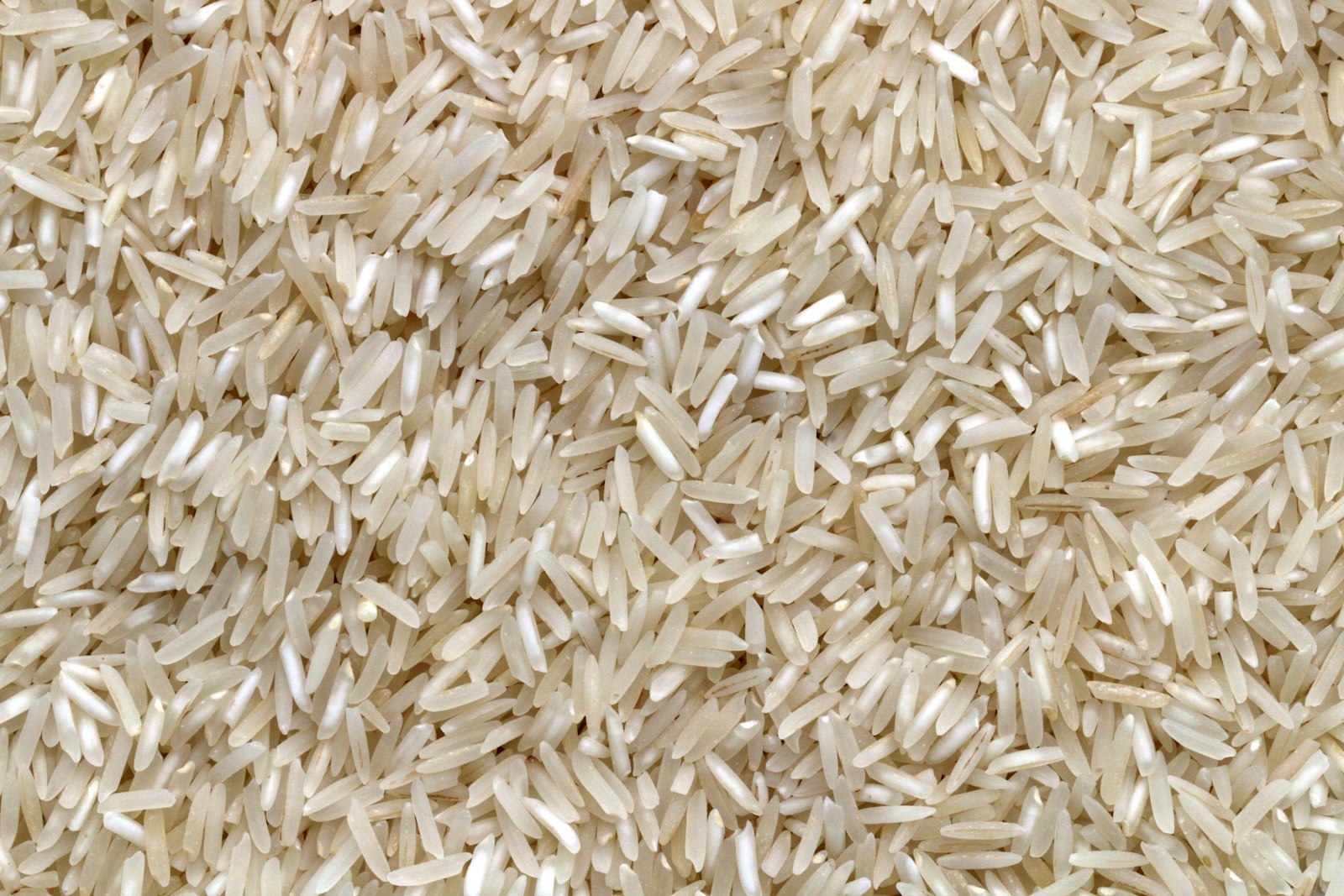
Table of Contents
Basmati Rice Importers in the United States: Who’s Buying
Basmati is grown in the foothills of the Himalayas across northern India and Pakistan, and none of the real thing is grown commercially in the US. So every bag of basmati on an American shelf has come through an importer. That’s a big, steady business, and it’s grown alongside the communities that eat basmati daily.
South Asian grocery
Indian, Pakistani, Bangladeshi, Nepali and Sri Lankan families are the backbone of the market. They buy basmati in 10 lb and 20 lb bags, sometimes bigger, and they know exactly how it should look and smell. These are the most demanding customers basmati rice importers in the United States will ever serve. A shipment that cooks short or sticky gets talked about at every dinner party in the neighbourhood.
Middle Eastern and Afghan food
Kabsa, mandi, Afghan pulao and Persian style rice dishes all lean on long grain basmati, often sella. Middle Eastern grocers and restaurants in Michigan, New Jersey, Texas and California buy a lot of it.
Restaurants and catering
Indian restaurants are everywhere in America now, from big cities to college towns, and they all need basmati. Biryani houses, halal grills, Mediterranean fast casual chains and caterers doing weddings for three hundred guests are a huge volume channel. Most want sella or aged 1121 that holds up in big batches.
Mainstream supermarkets
Basmati has crossed over, which has opened a whole new channel for basmati rice importers in the United States. You’ll find it in nearly every large American supermarket, usually in 2 lb and 5 lb bags, and more and more shoppers with no South Asian background buy it simply because they like it.
Why Basmati Demand Keeps Growing in America
- The South Asian American population keeps growing, and it’s spread well beyond the old hubs of New Jersey, New York, Chicago, Texas and California.
- Indian food has gone mainstream. Butter chicken and biryani are takeaway staples now.
- Health interest. White basmati generally has a lower glycemic index than many other white rices, and shoppers have heard that.
- Halal food growth. Halal restaurants and grocers favour basmati.
- Meal kits and ready meals use basmati as a default “premium rice”.
For basmati rice importers in the United States, that means a market that rarely has a bad year. The question is margin, and margin comes down to buying right.
The Basmati We Sell
Here are the specifications we work to for basmati rice importers in the United States. Final specs, including exact grain length by variety, are written into each contract.
| Specification | Details |
|---|---|
| Varieties | 1121, 1509, Pusa, Super Kernel, traditional basmati |
| Styles | Raw (white), steam, golden sella, white sella, brown |
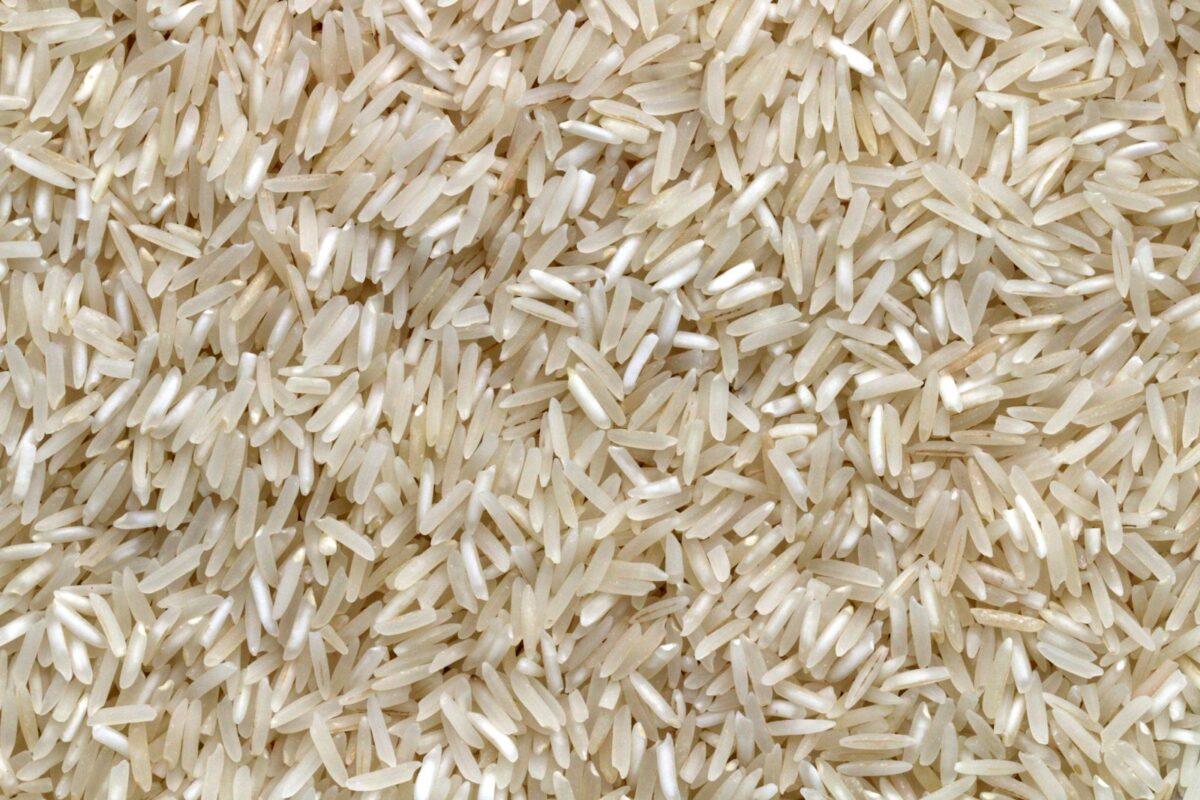
| Grain type | Extra long, slender, aromatic |
| Average grain length | By variety, confirmed per contract (1121 is the longest) |
| Purity | 95% minimum |
| Moisture | 13% maximum |
| Broken grains | 1% to 5% depending on grade |
| Damaged and discoloured grains | 1% maximum |
| Foreign matter | 0.5% maximum |
| Sorting | Fully sortexed |
| Crop | Current season, or aged on request |
| Origin | Confirmed on each quotation |
| Shelf life | 18 to 24 months with proper storage |
| US packing | 2 lb, 5 lb, 10 lb, 20 lb, 40 lb, or 1 to 50 kg |
| Bags | Non woven, jute look, BOPP laminated, PP woven, zip pouches on request |
| Brand | Our brand or your private label |
The full product page is basmati rice for sale. A certificate of analysis comes with your shipping documents on request. If you want a quick background read on the rice itself, the basmati article on Wikipedia covers the history and growing regions.
Which Basmati Sells Where in the US
One of the most common mistakes basmati rice importers in the United States make is bringing in one style for every customer. Different buyers want very different rice.
1121 raw or steam
The extra long grain that grows dramatically when cooked. It’s the showpiece rice for South Asian grocery and premium supermarket brands. Steam 1121 is firmer and easier to cook, which home cooks like.
1121 golden sella and white sella
Parboiled in the husk, very firm, almost impossible to overcook. Restaurants, caterers and Middle Eastern buyers love it. Our post on golden sella vs white sella parboiled rice explains the difference.
1509
Long, aromatic and usually priced below 1121. A good value line for supermarkets and mid range brands.
Pusa and Super Kernel
Popular with buyers who want a classic basmati taste. Super Kernel is a favourite with Pakistani customers.
Traditional basmati
Shorter than 1121 but with a strong, old fashioned aroma. A premium niche with loyal buyers.
Brown basmati
Smaller, steady demand from health food stores and online sellers. See our brown rice page for brown options.
Aged Basmati: Worth the Premium?
For most American restaurant buyers, yes. Basmati that’s been aged for several months after harvest has lower moisture, firmer grains, better elongation and a stronger aroma. It stays separate on the plate even in a big catering pan. New crop basmati is softer and more likely to break or clump. We supply both and will tell you honestly how old each lot is. There’s more on this in our guide to aged basmati rice for the Canadian market, which applies just as much south of the border.
The FDA Side for Basmati Rice Importers in the United States
I’m a rice exporter, not a US compliance consultant, so always check details with your customs broker. But in general, basmati rice importers in the United States deal with the same FDA framework as any food importer:
- Supplier facility registration. The foreign facility that packs the rice must be registered with the FDA. Ask for the number.
- Prior notice. Your broker files it before the shipment arrives.
- Foreign Supplier Verification Program. Most importers need an FSVP for each food and supplier. The FDA’s FSVP page explains what’s required.
- Labelling. US retail labels need net weight in US and metric units, a Nutrition Facts panel, country of origin and the responsible business name and address.
Pesticide residues: the big one for basmati
This deserves its own heading. Some crop protection products used on rice in South Asia either have very low US tolerances or none at all, which in practice means any detectable residue can be a problem. Basmati shipments have been held at US ports over residues before. The fix is simple but not optional: test every lot at an independent lab before it ships, against US limits, not the origin country’s limits. We arrange this and send you the report before loading. Any basmati rice importers in the United States who skip it are gambling with a whole container.
Packing for the American Market
| Bag size | Who buys it |
|---|---|
| 2 lb | Mainstream supermarkets, premium retail |
| 5 lb | Supermarkets, online, smaller households |
| 10 lb | South Asian grocery, warehouse clubs |
| 20 lb | South Asian grocery, the classic family bag |
| 40 lb or 50 lb | Restaurants, caterers, food service |
Basmati rice importers in the United States usually find that retail packaging needs to look better than it would for most rice. Non woven bags with handles, jute look bags and printed BOPP with a window all sell well. We print to your artwork. Our post on private label rice explains how the artwork and proof process works, and the same steps apply to basmati.
Pricing and Terms
For basmati rice importers in the United States, prices move with the harvest in India and Pakistan, export policy, currency and freight. Aged rice costs more than new crop, 1121 more than 1509, and sella slightly differently again. We quote on a dated offer, FOB origin port or CFR and CIF to your US port. If you’re comparing offers from different suppliers, read FOB vs CIF rice price first, because mixing them up is the fastest way to misjudge a deal.
Minimum order is usually one 20 foot container, and you can mix varieties and bag sizes inside it. Our minimum order quantity guide has more on how loads are split.
Shipping to US Ports
Basmati rice importers in the United States usually bring rice in at New York and New Jersey, Houston, Los Angeles and Long Beach, Savannah or Chicago via rail. Transit depends heavily on the route and the carrier, so we confirm it on each booking. A 20 foot container typically carries around 20 to 25 tonnes of bagged basmati depending on bag type. See how many tons of rice fit in a 20ft container for the logic.
Documents with each container normally include a commercial invoice, packing list, bill of lading, certificate of origin, phytosanitary certificate, fumigation certificate, certificate of analysis, quality and weight certificate from an independent surveyor, the residue test report and a halal certificate on request. The full list is in our rice export documents checklist.
Mistakes Basmati Rice Importers in the United States Make
- Buying on grain length alone. Long raw grains mean nothing if they don’t elongate when cooked. Always cook the sample.
- Not asking how old the rice is. New crop sold as aged is a common trick.
- Skipping residue tests. Covered above. Don’t.
- Accepting “basmati” blends. Non basmati long grain mixed in is hard to spot raw and obvious once cooked.
- One style for every customer. Restaurants and households want different rice.
- Weak packaging. Basmati travels a long way. Cheap bags split.
How to Test a Basmati Sample Properly
- Measure 20 raw grains with a ruler or calipers and work out the average length.
- Count broken grains in a 100 gram sample.
- Cook it the way your customers will, by absorption or by boiling and draining.
- Measure 20 cooked grains. Good 1121 should roughly double in length.
- Check that cooked grains stay separate and don’t curl or split badly.
- Smell it as the lid comes off.
- Ask for a second sample from a different lot and repeat.
It takes an afternoon, and it’s the habit that separates careful basmati rice importers in the United States from the ones who end up with a warehouse full of complaints. It can save you a container’s worth of complaints.
Basmati Alongside Thai Rice
Many of our American customers buy basmati and Thai rice from us on the same account: basmati for South Asian and Middle Eastern shoppers, Thai Hom Mali rice and Thai jasmine rice for East and Southeast Asian shoppers, and plain long grain for food service. One supplier, one set of specs, one contact. If Thai jasmine is on your list too, have a look at jasmine rice demand in the USA and wholesale jasmine rice suppliers USA.
For food service lines, our guide to Thai long grain white rice bulk suppliers USA and the comparison Thai long grain rice vs American long grain rice are worth a look. If extra long 1121 is your main line, read extra long grain basmati rice wholesale.
Who We Work With
- South Asian and Middle Eastern food importers on the East Coast, in Texas, the Midwest and California
- Supermarket chains building their own basmati label
- Restaurant groups, halal food service distributors and caterers
- Online grocery brands
- Repackers buying 50 kg bags to pack locally
Halal buyers may want to read about us as a halal certified rice supplier. If you’re new to importing altogether, start with how to import rice from Asia, which walks through the basic steps.
Where Basmati Rice Importers in the United States Sell
The map of basmati demand in America isn’t the same as the map for other rice. Here’s roughly how it breaks down for the buyers we deal with.
New Jersey and New York. The biggest concentration of South Asian grocery in the country, with Edison, Jersey City and Queens as obvious hubs. Distributors here supply stores up and down the East Coast. 10 lb and 20 lb bags dominate, and buyers are very particular about aroma and elongation.
Texas. Houston and Dallas have large Indian and Pakistani communities and a busy restaurant scene. Sella moves well here because of the number of biryani and halal restaurants.
Illinois and the Midwest. Chicago’s Devon Avenue area has been a basmati market for decades. Michigan, around Dearborn, buys a lot of sella for Middle Eastern cooking.
California. The Bay Area and Southern California have fast growing South Asian populations and plenty of premium retail. Smaller retail packs sell well.
Georgia, the Carolinas and Virginia. Growing quickly, often supplied from New Jersey distributors at first, then with their own containers once volume picks up.
Basmati rice importers in the United States who know their region’s mix tend to order the right styles and sizes the first time. Those who don’t usually end up with too much of one bag size sitting in the warehouse.
Cooking Notes to Print on Your Bags
Good instructions on the bag cut complaints. Different basmati styles need different handling, and American customers new to basmati often cook it like ordinary long grain. Something like this works:
- Raw or steam basmati: rinse until the water runs fairly clear, soak 20 to 30 minutes, then cook with about 1.5 to 1.75 cups of water per cup of rice, covered on low heat for 12 to 15 minutes. Rest 5 minutes before fluffing.
- Sella basmati: rinse, soak 30 minutes or longer, and either boil in plenty of water and drain, or cook with about 2 cups of water per cup. Sella is forgiving and stays separate.
- Brown basmati: soak if you can, then about 2 to 2.25 cups of water per cup and 35 to 40 minutes.
We’re happy to suggest wording for your bag. It’s a small detail that makes a real difference in repeat sales.
Building a Basmati Brand in America
Plenty of basmati rice importers in the United States start out selling someone else’s brand and then move to their own. It makes sense. A strong private label gives you control of price, shelf space and customer loyalty, and you’re not competing with every other distributor carrying the same name.
A few things that help a new basmati brand get going:
- A clear grade on the front. “1121 Extra Long”, “Aged Sella”, “Classic Basmati”. Shoppers look for it.
- Two price points. A premium aged 1121 and a value 1509 under a second name.
- Consistency. Same rice every container. That’s our job.
- Restaurant packs. 40 lb or 50 lb bags under the same brand build recognition in the trade.
We print the bags, pack the rice and ship it ready to sell. You focus on the selling.
Working Capital and Order Planning
Basmati isn’t cheap rice, and a full container ties up real money. Most basmati rice importers in the United States we work with plan around that by:
- Starting with one mixed container to test which grades sell.
- Moving to a monthly or six weekly schedule once volume is clear, so stock never runs too low or too high.
- Booking aged rice ahead, since good aged lots sell out.
- Watching the harvest calendar in India and Pakistan, with new crop arriving from around October and November.
We’ll help you build a schedule that fits your cash flow. It’s in our interest that your rice sells through before the next container arrives.
Storage Once the Rice Lands
Basmati actually improves with a bit of age, but only if it’s stored properly. Hot, damp warehouses undo all the good work. For basmati rice importers in the United States with warehouses in the South or along the Gulf, this matters a lot in summer.
- Keep bags on pallets, off the floor and away from walls.
- Keep the space dry and ventilated, and cool if you can manage it.
- Keep rice away from spices, detergents and anything with a strong smell.
- Rotate first in, first out, and check older stock for insects every few weeks.
Stored this way, basmati keeps its quality for well over a year, which gives basmati rice importers in the United States room to buy larger lots when the price is right.
Frequently Asked Questions
Do you sell to basmati rice importers in the United States directly?
Yes. We sell by the container to importers, distributors, supermarkets and food service companies across the US.
Which basmati variety is most popular in America?
1121, in raw, steam and sella forms. 1509 is the popular value option.
Can you supply aged basmati?
Yes. Tell us how long you want it aged and we’ll confirm availability and the age of each lot.
Do you test for pesticide residues?
Yes, at an independent lab, against US limits, before loading.
Can you pack in pounds with my brand?
Yes. 2 lb, 5 lb, 10 lb, 20 lb and 40 lb bags, with your artwork.
Do you ship to other countries?
Yes. We export worldwide.
Can I get samples?
Yes. We courier samples so you can cook and measure them first.
Buy Basmati Rice for the US Market
De Thai Products 1989 Company Limited exports basmati rice alongside Thai Hom Mali, Thai jasmine, white rice, parboiled rice, glutinous rice and more. We work with basmati rice importers in the United States of every size, from first containers to regular monthly programmes, and we ship worldwide. You can read how we check rice before it leaves on our quality control page.
Tell us the variety, style, aged or new crop, bag sizes, brand, quantity and port, and we’ll send samples and a dated offer. Email info@dethairice.com, WhatsApp +66 81 034 6390, or use our contact page.
3 thoughts on “Basmati Rice Importers in the United States: Best Offer”