


Thai long grain rice vs American long grain rice is a question we get from American importers, food service buyers and grocery brands almost every week. Usually it’s phrased as “why would I bring rice halfway round the world when Arkansas grows plenty?” Fair enough. We’re a Thai rice mill and exporter, so we’re obviously not neutral, but we sell Thai long grain white rice, Thai jasmine and Thai parboiled rice by the container to buyers in the US and worldwide, and we’d rather you buy the right rice than the wrong one from us.
So here’s an honest comparison: where the two come from, how they’re graded, how they cook, how they taste, what they cost to land, and which kind of buyer each one suits. At the end you’ll find our specifications and how to order if Thai rice turns out to be the better fit.

Table of Contents
Thai Long Grain Rice vs American Long Grain Rice: The Quick Answer
If you only have a minute, here’s Thai long grain rice vs American long grain rice in a nutshell:
- American long grain cooks firm, dry and very separate. It’s ideal for Southern dishes, pilafs, rice salads and anything where grains must stay apart. It’s local, so freight is simple.
- Thai long grain white rice cooks slightly softer and fluffier, with a clean, mild taste. It suits Asian, Caribbean, Latin and West African home cooking, and it’s often very competitive in the higher broken grades.
- Thai jasmine is a different product again: fragrant, soft and slightly sticky. Don’t compare it with plain long grain on price alone.
Neither is “better”. They’re different, and the right one depends on who’s eating it.
Where They Come From
American long grain
To understand Thai long grain rice vs American long grain rice, start with geography. Most American long grain rice is grown in the South: Arkansas is the biggest producer, followed by Louisiana, Mississippi, Missouri and Texas. California grows mainly medium and short grain, such as Calrose. The USDA Economic Research Service explains the regions, and the Wikipedia page on rice production in the United States gives a short history. Farms are large and highly mechanised, and much of the crop is exported.
Thai long grain
Thai long grain white rice comes mainly from the central plains around Bangkok and from the north, grown largely by smaller family farms, often with two crops a year in irrigated areas. Thailand is one of the world’s biggest rice exporters, and white rice is a large share of that trade. Thai fragrant rice, Hom Mali, comes mostly from the northeast and is a separate product.
Thai Long Grain Rice vs American Long Grain Rice: How They’re Graded
The two countries grade rice differently, which makes Thai long grain rice vs American long grain rice confusing for a lot of buyers.
The US grades milled rice into numbered grades, US No. 1 to US No. 6, based on things like broken kernels, chalky kernels, damaged kernels, colour and foreign material. Long grain is defined by the shape of the kernel, long and slender, roughly three times as long as it is wide.
Thailand grades white rice mainly by broken percentage: 100% Grade A, 5% broken, 10%, 15%, 25%, and so on up to 100% broken (A1 Super). Each grade also has limits for moisture, chalky grains, damaged and yellow grains, red grains and foreign matter.
So when comparing Thai long grain rice vs American long grain rice on paper, line up the broken percentage first. A US No. 1 is roughly comparable to a Thai 5% broken grade in how whole the grains are, though the other limits aren’t identical.
Cooking and Texture
This is where the real difference in Thai long grain rice vs American long grain rice shows up.
| American long grain | Thai long grain white | Thai jasmine (Hom Mali) | |
|---|---|---|---|
| Texture | Firm, dry, very separate | Fluffy, slightly softer, separate | Soft, slightly sticky |
| Aroma | Neutral | Neutral, clean | Strong, sweet, natural fragrance |
| Water (stovetop, per cup) | About 2 cups | About 1.5 cups | About 1 to 1.25 cups |
| Rinsing | Often not rinsed if enriched | Usually rinsed once | Usually rinsed |
| Holds up in | Jambalaya, pilaf, rice salads, casseroles | Rice and beans, stews, fried rice, everyday steamed rice | Thai and Southeast Asian dishes, plain steamed rice |
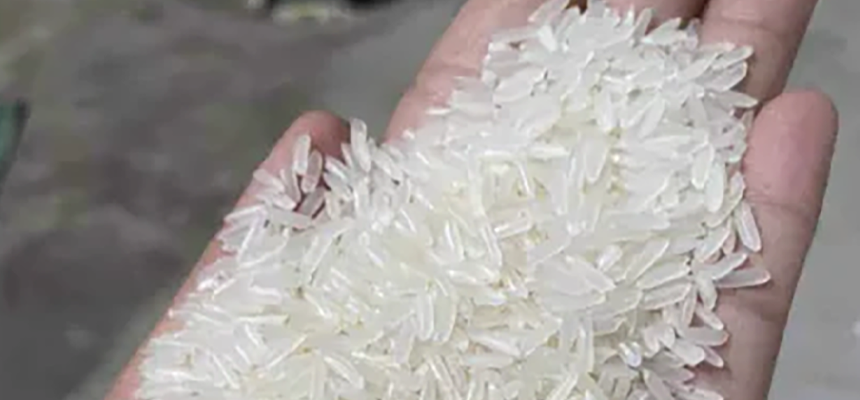
American long grain is famous for staying separate, almost dry, which is exactly what you want in jambalaya, dirty rice or a pilaf. Thai long grain white rice is still separate, but softer and a little more tender, which many Asian, Caribbean and Latin cooks prefer for everyday steamed rice. If your customers like Thai jasmine, they’ll usually find Thai white rice closer to what they’re used to than American long grain. For background on the fragrant type, see jasmine rice on Wikipedia.
Enrichment: A Difference Few Buyers Notice
One detail in Thai long grain rice vs American long grain rice that few people mention: a lot of American white rice sold at retail is enriched, meaning vitamins and iron are added after milling, often as a coating. That’s why US bags often tell you not to rinse. Thai export rice is usually sold plain, not enriched, and most cooks rinse it. If you’re bringing Thai rice into a market used to enriched rice, check with your regulatory adviser whether your product category or customer requires enrichment, and print clear instructions on the bag.
Price: Thai Long Grain Rice vs American Long Grain Rice
Price is where Thai long grain rice vs American long grain rice gets complicated, because comparisons shift every season, so I won’t give you numbers that’ll be wrong next month. What moves the comparison:
- The harvests in both countries.
- Exchange rates, especially the Thai baht against the dollar.
- Ocean freight from Thailand to US ports, which swings a lot.
- US import duty and any extra tariffs on Thai goods, which have changed in recent years. Check the current rate with your broker.
- Grade. Thai broken grades, and especially 100% broken rice for manufacturing, are often where Thai rice is most competitive.
- Inland freight on the US side. Domestic rice from Arkansas to the West Coast isn’t free to move either.
The honest summary: sometimes Thai is cheaper landed, sometimes domestic is. Get a dated quote and work out the full landed cost before deciding. Our guide to FOB vs CIF rice price helps you compare properly.
Which Buyers Should Choose Which
Choose American long grain if
- Your customers cook Southern and Cajun dishes and expect firm, dry grains.
- You need small, frequent deliveries by truck rather than containers.
- Your buyers require enriched rice.
- “Grown in the USA” is part of your brand.
Choose Thai long grain if
- You sell to Asian, Caribbean, Latin American or West African shoppers who prefer softer rice.
- You want a bright, fully sortexed rice for retail bags with a window.
- You buy broken rice for food manufacturing.
- You want a second origin so you’re not tied to one source.
- You want private label packed at the mill.
Plenty of US distributors carry both and let the customer settle Thai long grain rice vs American long grain rice for themselves.
Our Thai Long Grain Rice: Specifications
| Specification | 5% broken | 10% broken | 15% broken | 25% broken |
|---|---|---|---|---|
| Grain type | Long grain | Long grain | Long grain | Long grain |
| Broken grains | 5% max | 10% max | 15% max | 25% max |
| Moisture | 14% max | 14% max | 14% max | 14% max |
| Purity | 95% min | 95% min | 95% min | 95% min |
| Foreign matter | 0.1% max | 0.1% max | 0.1% max | 0.1% max |
| Damaged grains | 1% max | 1% max | 1% max | 1.25% max |
| Chalky grains | 2% max | 2% max | 3% max | 4% max |
| Sortexed | Available | Available | Available | Available |
Packing: 5 lb, 10 lb, 25 lb and 50 lb, or 5 kg to 50 kg, plus jumbo bags. Plain or private label. See white rice 5% broken, white rice 10% broken, white rice 25% broken and Thai white rice 100% sortexed. We also sell Thai jasmine rice, Thai Hom Mali rice, Thai parboiled rice and medium grain rice.
Taste Test: How to Compare Them Yourself
The best way to settle Thai long grain rice vs American long grain rice for your own customers is a side by side cook. It takes an hour and it’s more useful than any article, including this one.
- Get a bag of the American long grain you currently sell or use, and a sample of Thai long grain at the same broken grade.
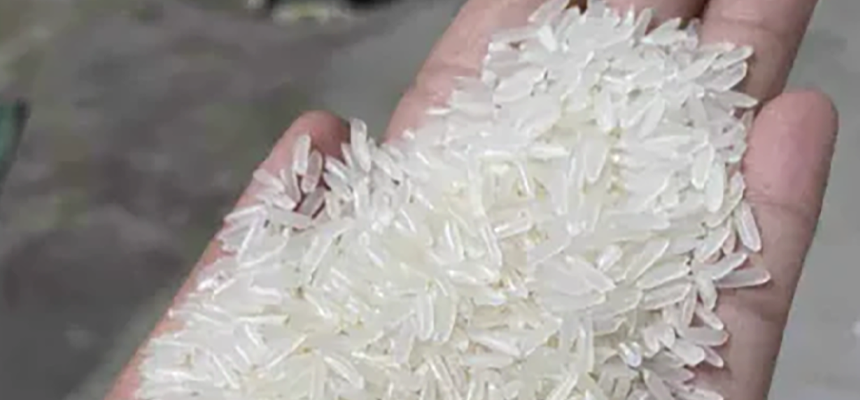
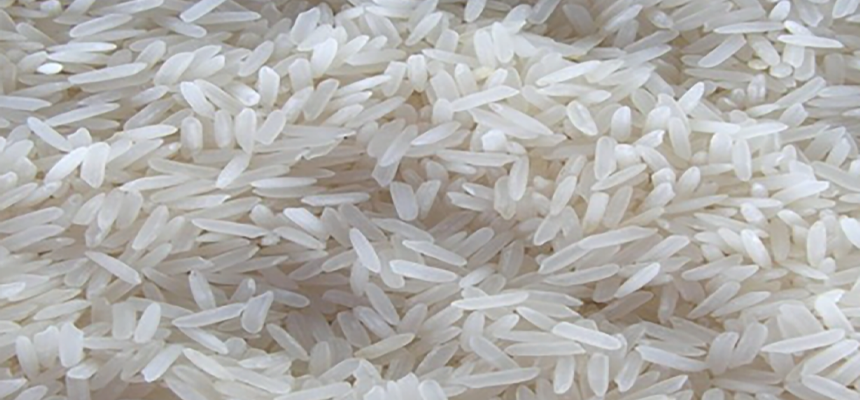
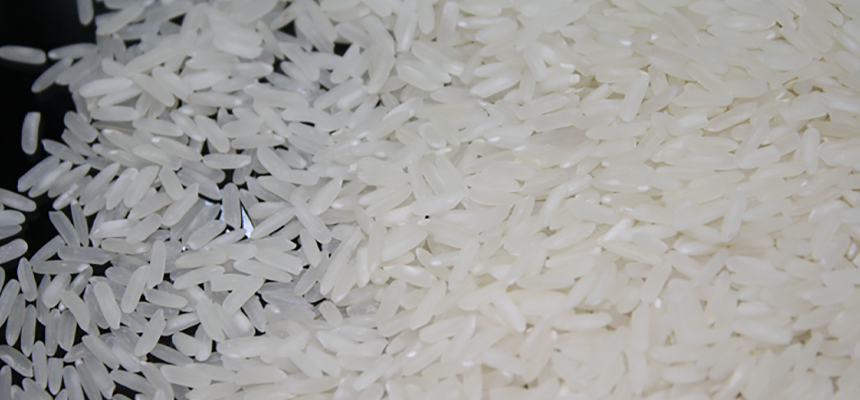
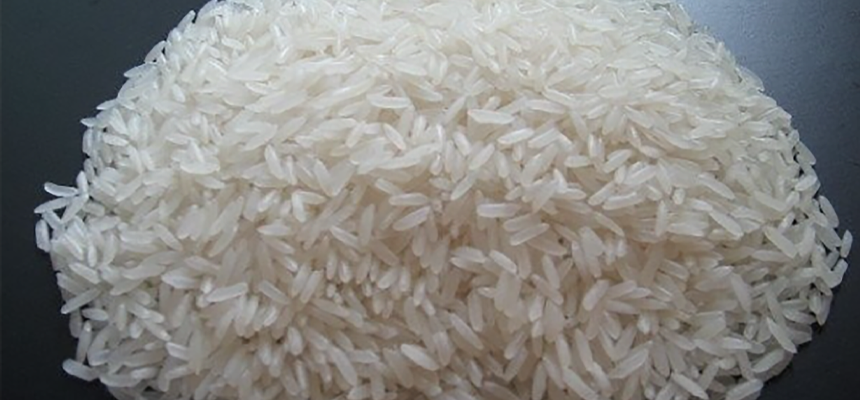
- Look at the raw rice on a dark plate. Compare colour, brightness, broken pieces and chalky grains.
- Cook each one using the method on its own bag, in identical pots.
- Taste them warm. Note texture, stickiness and flavour.
- Taste them again cold the next day, and try them in fried rice. That tells you a lot about how each behaves in real kitchens.
- Best of all, give both to a few of your regular customers or cooks and ask which they’d buy.
You’ll usually find the answer is obvious once real people taste both.
Thai Long Grain Rice vs American Long Grain Rice in Different Cuisines
Where the rice ends up matters more than anything else. Here’s how the two tend to perform dish by dish.
Southern and Cajun cooking
Jambalaya, red beans and rice, dirty rice, gumbo. American long grain is the traditional choice, and for good reason. It stays firm and separate in a wet, heavily seasoned dish. Thai long grain works, but cooks used to domestic rice may find it slightly softer than they expect.
Caribbean and Latin American cooking
Rice and peas, arroz con pollo, arroz blanco, moros y cristianos. Both are used. Many Caribbean and Central American shoppers in the US actually prefer the softer, fluffier result of Thai white rice, especially if that’s what they cooked at home before moving.
Chinese, Vietnamese and Filipino cooking
Everyday steamed rice and fried rice. Thai rice usually wins here, either plain long grain or jasmine. American long grain can feel too dry for these cooks.
West African cooking
Jollof, waakye, thieboudienne. Thai long grain and Thai parboiled rice are both popular, and many West African grocers in the US stock Thai rice specifically. Our guide on parboiled rice vs white rice explains why parboiled is often chosen for jollof.
Indian and Middle Eastern cooking
Neither is the first choice. Basmati is what these cooks want. See basmati rice importers in the United States if that’s your market.
Food manufacturing
For rice flour, crackers, noodles, brewing and pet food, broken rice is the ingredient, and Thai 100% broken rice is a well established option. The Thai long grain rice vs American long grain rice debate is mostly about price and availability here, not texture.
Quality Consistency
On consistency, Thai long grain rice vs American long grain rice comes down to the mill, not the country. Both countries produce high quality rice, and both produce poor lots when things go wrong. What matters for an importer is how consistently a particular supplier hits the specification. Good American mills are very consistent. Good Thai mills are too. The difference is that with imports, you can’t drive over to the mill when something’s off, so the paperwork and inspection matter more.
That’s why we put everything in writing: grade, broken percentage, moisture, chalky grains, crop year. An independent surveyor checks quality and weight at loading, and you get pre shipment samples from your own lot. For buyers who want to understand sorting, what is sortexed rice is a short read.
Food Safety and Paperwork
Domestic rice is simpler on paperwork, no question. Importing Thai rice into the US means working with a customs broker and meeting FDA requirements, including facility registration on the supplier side, prior notice and, for most importers, a Foreign Supplier Verification Program. The FDA’s FSVP page explains what the importer is responsible for.
It sounds like a lot, but brokers handle most of it routinely, and we supply all the supplier side documents: commercial invoice, packing list, bill of lading, certificate of origin, phytosanitary and fumigation certificates, certificate of analysis and an independent quality and weight certificate. See our rice export documents checklist.
Storage and Shelf Life
On storage, Thai long grain rice vs American long grain rice is close to a draw. Both are milled white rice, both keep well in a cool, dry warehouse, and both suffer in heat and humidity. The difference is the journey. Thai rice spends a few weeks in a container at sea, so packing quality matters. We use strong woven or laminated bags, inner liners where needed and proper fumigation before loading, so the rice arrives in the same condition it left.
Once it lands, the rules are the same for both: pallets, not floors; away from walls and strong smells; first in, first out; and extra care in Gulf Coast and Florida summers.
Thai Long Grain Rice vs American Long Grain Rice for Private Label
If you’re building your own rice brand, the comparison shifts a little. Domestic mills offer private label too, but minimums and options vary. Importing Thai rice lets you pack at the mill in exactly the sizes and bags you want, with your artwork, and receive the rice ready for the shelf. Many brands offer both: a Thai long grain or jasmine line for shoppers who like softer rice, and a domestic line for shoppers who want firm Southern style rice.
Our post on private label rice covers proofs and printing, and rice supplier for supermarkets is written for retail buyers.
Buying Thai Long Grain in Bulk
If the Thai long grain rice vs American long grain rice comparison has tipped towards Thai for some of your customers, the practical side is straightforward:
- Minimum order: usually one 20 foot container, about 25 tonnes, with mixed grades and bag sizes allowed.
- Lead time: usually 15 to 30 days from confirmed order to loading.
- Transit: roughly three to four weeks to the West Coast, five to six to the East Coast.
- Quote basis: FOB Bangkok or Laem Chabang, or CFR and CIF to your US port.
- Samples: couriered before you order.
Our full guide for American buyers is Thai long grain white rice bulk suppliers USA. For container maths, read how many tons of rice fit in a 20ft container, and if it’s your first import, how to import rice from Thailand.
Our Honest Verdict
If your customers grew up on Southern cooking and want firm, dry, separate grains, stay with American long grain. If they grew up on Asian, Caribbean, Latin or West African food, or you’re making a bright retail rice for a broad audience, Thai long grain is well worth a trial container. And if they want fragrance, skip the whole Thai long grain rice vs American long grain rice debate and look at jasmine: the best Thai jasmine rice for American kitchens explains the options.
Either way, cook both, ask your customers, and let the pot decide.
Common Myths About Thai Long Grain Rice vs American Long Grain Rice
A few ideas come up again and again when buyers compare the two. Some are true, some half true, some just wrong.
“Imported rice is always cheaper.” Not always. Freight, tariffs and the exchange rate can easily make Thai rice dearer in some months. Work out the landed cost every time.
“American rice is always higher quality.” Both countries produce excellent rice and both produce poor lots. Quality depends on the mill and the grade, not the flag.
“Thai rice is all jasmine.” No. Thailand exports large volumes of plain, non fragrant long grain white rice and parboiled rice too. Jasmine is just the best known.
“Broken rice is low quality.” Broken grains taste the same as whole ones. They’re simply cheaper and suit different uses, from budget retail to food manufacturing.
“You can’t tell the difference once it’s cooked.” You usually can. The texture difference is the whole reason the Thai long grain rice vs American long grain rice question matters to your customers.
“Importing is too complicated.” It’s more work than calling a domestic mill, but a good customs broker and a supplier with proper documents make it routine. Most of our American buyers say the first container was the only hard one.
If you’re also weighing Thai rice against another Asian origin, our comparison of Thai rice vs Vietnamese rice covers that side.
Frequently Asked Questions
Is Thai long grain rice the same as jasmine rice?
No. Thai long grain white rice is non fragrant. Jasmine, and especially Hom Mali, is a fragrant rice from specific varieties.
Which is softer, Thai or American long grain?
Thai long grain is usually a little softer and fluffier. American long grain is firmer and drier.
Do you sell American long grain?
No. We mill and sell Thai rice, and we also supply basmati.
Can you pack in pounds for the US?
Yes. 5 lb to 50 lb bags, with your brand if you like.
Do you ship worldwide?
Yes.
Can I try Thai rice without committing to a full container of one grade?
Yes. Split your first container across two or three grades and bag sizes, for example some 5% broken in 25 lb bags for retail and some 15% broken in 50 lb bags for food service. You’ll learn quickly which one your customers prefer.
Is Thai long grain rice good for fried rice?
Very good, especially cooked the day before. It stays separate in the wok without going hard.
Order Thai Long Grain Rice From Our Mill
De Thai Products 1989 Company Limited mills and exports Thai long grain white rice, jasmine, Hom Mali, parboiled, glutinous and basmati rice, and ships worldwide. If the Thai long grain rice vs American long grain rice question has landed on the Thai side for your customers, send us your spec. Our quality control page explains how we check every lot.
Tell us the grade, bag sizes, brand, quantity and port, and we’ll send samples and a dated offer. Email info@dethairice.com, WhatsApp +66 81 034 6390, or use our contact page.
2 thoughts on “Thai Long Grain Rice vs American Long Grain Rice: 9 Best Facts”