


The medium grain vs long grain rice for Latin dishes question comes up every time a distributor starts selling into a new Latin market. A shop owner in the Bronx says her Puerto Rican customers won’t touch the long grain. A restaurant in Miami says his Cuban cooks want nothing but long grain. A buyer in Panama wants to know which one to put in his own brand. They’re all right, for their own customers.
We’re a rice mill and exporter, and we sell both: Thai long grain white rice, parboiled and jasmine from our own mill, plus Calrose and medium grain rice packed to order. So we don’t have a horse in this race. This page lays out medium grain vs long grain rice for Latin dishes country by country, dish by dish, with the specs of what we sell and how buyers order it.
Table of Contents
The Short Answer
If you only read one part of this page, read this. The medium grain vs long grain rice for Latin dishes choice comes down to who is cooking. Puerto Rican cooks and anyone making rice pudding want medium grain. Almost everyone else in Latin America wants long grain. A distributor serving mixed communities should stock both, and that’s the honest summary of medium grain vs long grain rice for Latin dishes. The rest of this page explains why, with specs and packing for each.
Fact 1: The Two Grains Cook Very Differently
In the medium grain vs long grain rice for Latin dishes debate, the difference starts with shape and starch.
| Medium grain | Long grain | |
|---|---|---|
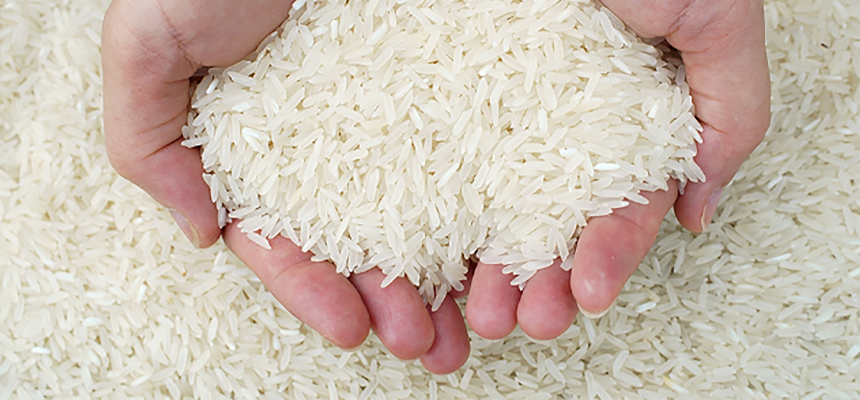
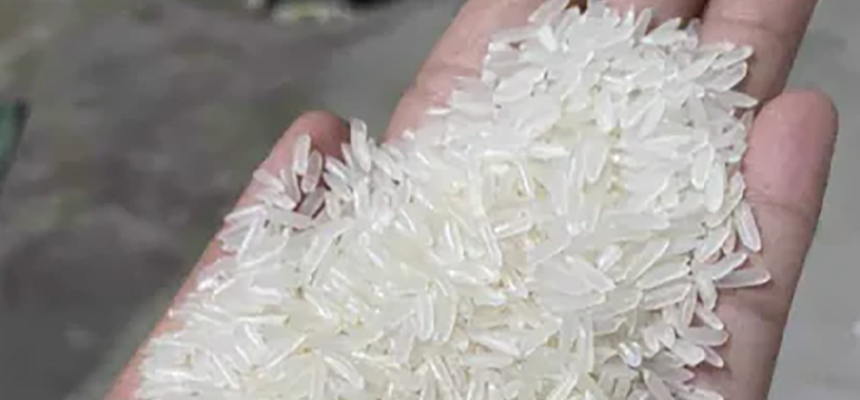
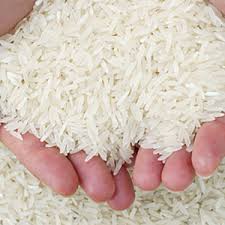
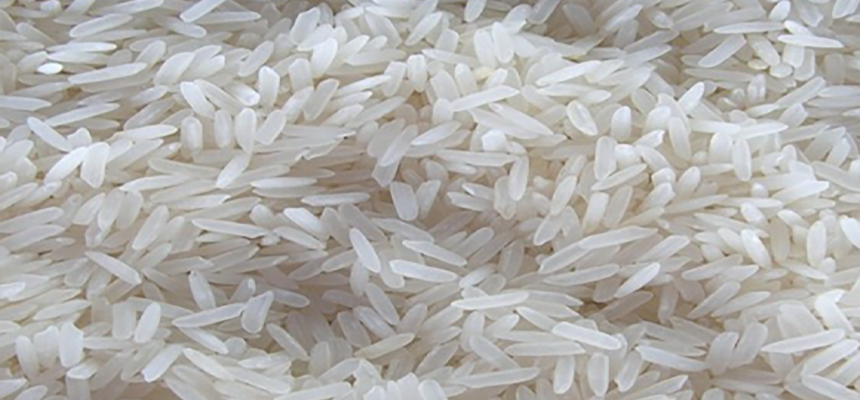
| Shape | Plump, two to three times as long as wide | Slim, four to five times as long as wide |
| Cooked texture | Soft, moist, slightly sticky | Dry, fluffy, separate |
| Starch | Lower amylose | Higher amylose |
| Water | About 1.25 to 1.5 cups per cup of rice | About 1.75 to 2 cups per cup of rice |
| Best known example | Calrose | Thai or American long grain white |
| After cooling | Stays soft | Firms up |
Long grain has more amylose, the starch that keeps grains apart. Medium grain has less, so the grains cling a little. That one difference is behind almost every medium grain vs long grain rice for Latin dishes argument you’ll hear in a kitchen.
Fact 2: Most of Latin America Leans Long Grain
Across most of Latin America, everyday rice is long grain. Cuba, the Dominican Republic, Colombia, Venezuela, Central America, Peru and Brazil all cook mostly long grain white rice, usually fried briefly in oil with garlic or onion before the water goes in. The goal is fluffy, separate grains.
In Brazil the everyday rice is a long, slim grain locals call agulhinha. In Colombia and Venezuela it’s plain arroz blanco next to beans and meat. In Central America, the day-old long grain rice for gallo pinto is a habit in itself. You can read about gallo pinto on Wikipedia.
If you sell into these markets, start with long grain. Our guide for long grain rice exporters to Central America covers that region in detail.
Fact 3: Puerto Rico Is the Big Exception
Puerto Rico is the clearest medium grain market in the Americas. Arroz con gandules, arroz blanco with habichuelas, asopao and arroz con dulce are all made with medium grain, and shoppers expect it. A distributor who sends long grain to Puerto Rican customers will hear about it fast.
This is the single most important point in the medium grain vs long grain rice for Latin dishes debate for anyone selling in the US northeast, where there are big Puerto Rican communities. Our page on medium grain rice in Puerto Rico goes into the market.
Fact 4: Dish by Dish, Here’s What Cooks Use
This table is what we send to distributors who ask about medium grain vs long grain rice for Latin dishes. It’s based on what home cooks and restaurants actually use, not on what the recipe books say.
| Dish | Country | Usual grain |
|---|---|---|
| Arroz con gandules | Puerto Rico | Medium |
| Asopao | Puerto Rico | Medium |
| Arroz con dulce | Puerto Rico | Medium or short |
| Arroz blanco | Cuba, Dominican Republic | Long |
| Moros y cristianos, congri | Cuba | Long |
| Locrio, concon | Dominican Republic | Long, sometimes medium |
| Arroz con pollo | Cuba, Colombia, Peru | Long |
| Arroz con pollo | Puerto Rico | Medium |
| Gallo pinto | Costa Rica, Nicaragua | Long, often day old |
| Arroz rojo | Mexico | Long, or local plump grains |
| Arroz chaufa | Peru | Long |
| Arroz con coco | Colombia, Caribbean coast | Long or medium |
| Arroz con leche | Across the region | Medium or short |
| Paella | Spain | Short or medium |
Arroz con pollo is a good example of how messy this gets. The same name means a dry, separate yellow rice in Havana and a softer, stickier one in San Juan. Wikipedia’s arroz con pollo page shows how many versions there are.
Fact 5: Desserts Usually Want Medium Grain
Desserts are where medium grain vs long grain rice for Latin dishes is easiest to settle. Rice puddings like arroz con leche and arroz con dulce need a creamy texture. Medium grain releases more starch and turns silky. Long grain stays more separate and gives a thinner pudding. Most cooks across Latin America reach for a softer grain for desserts, even in countries that eat long grain the rest of the time.
So when shops ask us about medium grain vs long grain rice for Latin dishes, we tell them a small medium grain line can sell well around Christmas even in a long grain market.
Fact 6: What We Sell in Each Grain
We supply both sides of the medium grain vs long grain rice for Latin dishes choice, so buyers can cover the whole rice shelf from one source.
Long grain
- Thai white rice 5% broken: our premium long grain for supermarket bags
- Thai white rice 10% broken: a middle grade for wholesale
- Thai white rice 25% broken: the price grade for markets and institutions
- Thai parboiled rice 5% broken: long grain that stays separate on a steam table
Medium grain
- Calrose and medium grain rice: premium and standard grades, origin confirmed on each quotation
- Sushi rice: short grain for desserts and Japanese style dishes
For more on Calrose specifically, read our page on Calrose rice wholesale suppliers.
Specifications
These are the specs we contract on for both grains. Use them when you weigh medium grain vs long grain rice for Latin dishes for your own range.
| Specification | Long grain white 5% | Long grain white 25% | Medium grain premium | Medium grain standard |
|---|---|---|---|---|
| Broken grains | 5% max | 25% max | 4% max | 7% max |
| Moisture | 14% max | 14% max | 14% max | 14% max |
| Foreign matter | 0.1% max | 0.2% max | 0.5% max | 0.5% max |
| Chalky grains | 2% max | 5% max | Limited to grade | Limited to grade |
| Purity | 95% min | 95% min | 95% min | 95% min |
| Crop | Current | Current | Current | Current |
| Origin | Thailand | Thailand | Confirmed on quote | Confirmed on quote |
Every lot is checked before packing. See our quality control and rice standard pages for how we grade.
Fact 7: Broken Percentage Matters More Than People Think
Broken percentage is a part of medium grain vs long grain rice for Latin dishes that buyers often miss. In long grain, broken pieces cook faster than whole grains and turn soft. That spoils the fluffy, separate result Cuban or Dominican cooks want. For retail long grain bags in these markets, 5% broken is the safe choice.
In medium grain, a few broken grains matter less because the rice is meant to be a little sticky. But too many make it gluey and spoil the pegao in Puerto Rican cooking. Keep medium grain under 7% broken for retail.
If you’re not sure what the numbers mean, our post on what 5% broken rice means explains it.
Fact 8: Packing Differs by Market Too
The medium grain vs long grain rice for Latin dishes choice often comes with a packing choice.
| Market | Common retail sizes | Common wholesale sizes |
|---|---|---|
| Puerto Rico and US Latino groceries | 2 lb, 3 lb, 5 lb, 10 lb | 20 lb, 50 lb |
| Dominican Republic and Cuba exports | 1 lb, 2 lb, 5 lb | 50 lb, 100 lb |
| Central America | 1 kg, 2 kg, 5 lb | 25 kg, 50 kg, 100 lb |
| South America | 1 kg, 5 kg | 25 kg, 50 kg |
| Spain and Europe | 1 kg | 25 kg |
We pack in pounds or kilos, plain or under your own brand, with Spanish, English or bilingual labels.
Fact 9: Most Distributors Should Carry Both
If you sell to more than one Latin community, you almost certainly need both grains. A grocery in New York or New Jersey might serve Puerto Rican, Dominican, Ecuadorian and Mexican customers in the same week. Each group reaches for a different bag.
The simplest approach we see working:
- A medium grain line in 3 lb and 5 lb bags for Puerto Rican customers
- A long grain 5% broken line in 2 lb, 5 lb and 10 lb bags for everyone else
- A long grain 25% broken or parboiled line in 50 lb sacks for restaurants
That covers most of the medium grain vs long grain rice for Latin dishes question in one shelf.
How the Two Grains Behave in Real Kitchens
To test medium grain vs long grain rice for Latin dishes in practice, we asked a few of our restaurant buyers to cook the same dishes with both grains. What they reported is pretty consistent.
Arroz blanco
Long grain came out fluffy and separate, the way Cuban and Dominican cooks like it. Medium grain came out softer, slightly clumped, which Puerto Rican cooks preferred.
Arroz con pollo
With long grain, the rice stayed separate and took on the yellow colour evenly. With medium grain, it was creamier and held more of the broth.
Fried rice and chaufa
Long grain won clearly. Medium grain stuck to the wok.
Pegao and concon
Both grains crisp at the bottom, but medium grain makes a thicker, more cohesive crust. Long grain gives a thinner, crunchier one.
Arroz con leche
Medium grain was creamier every time.
None of this settles medium grain vs long grain rice for Latin dishes as a rule. It’s what our buyers found, and it matches what most cooks will tell you.
Country Notes for Distributors
Here’s how the medium grain vs long grain rice for Latin dishes question plays out in the markets we ship to most.
Dominican Republic
Mostly long grain. Dominicans want arroz blanco that’s loose and fluffy, with a good concon at the bottom. Some families like a slightly softer rice, so a medium grain line can sell in small volumes, but long grain is the backbone.
Cuba and Cuban communities abroad
Long grain all the way. Congri and moros y cristianos need grains that stay separate after cooking with black beans.
Mexico
Mostly long grain for arroz rojo and arroz blanco. Some cooks prefer a plumper local rice from Morelos, which sits closer to medium grain. Mexican shoppers in the US usually buy long grain.
Colombia and Venezuela
Long grain for everyday rice. On Colombia’s Caribbean coast, arroz con coco is made with whatever the cook prefers, and medium grain gives a richer result.
Peru
Long grain for chaufa and arroz con pollo. Peruvian cooks are particular about separate grains, especially for chifa dishes.
Central America
Long grain, and lots of it. Gallo pinto uses leftover rice, so firm long grain that dries out a little overnight is ideal.
Puerto Rico and Puerto Rican communities
Medium grain. No real debate.
When distributors ask us about medium grain vs long grain rice for Latin dishes in mixed neighbourhoods, we point them to this list and suggest they ask their shop owners which communities they serve.
Restaurants and Food Service
For restaurants, the medium grain vs long grain rice for Latin dishes choice usually follows the menu. A Cuban or Dominican restaurant cooks long grain. A Puerto Rican fonda cooks medium grain. A pan-Latin restaurant or caterer often keeps both.
Food service buyers care about yield and how the rice holds on a steam table. Parboiled long grain holds best of all and is popular with caterers who need rice to sit for hours. Medium grain holds well too but can stick together in a hotel pan, so cooks fluff it more often.
For restaurant buyers we usually suggest 50 lb or 25 kg sacks. They’re easy to handle and store, and cost less per pound than retail bags.
Supermarkets and Private Label
For supermarket chains, the medium grain vs long grain rice for Latin dishes decision is really about shelf space. Most chains with a Latin aisle carry at least one long grain and one medium grain line, often under their own label.
We pack both at origin under your brand. A few points from what works:
- Say “Grano Largo” or “Grano Mediano” in big letters on the front. Shoppers look for it.
- Use different colours for the two lines so people don’t grab the wrong bag.
- Put the right water ratio on each bag. Medium grain needs less water than long grain.
- Keep bag sizes to what sells, usually 2 lb, 3 lb, 5 lb and 10 lb in the US.
More on how we work with retailers is in our post on rice suppliers for supermarkets.
Cooking Guide You Can Print on the Bag
Getting the water right is the main thing. Here’s a simple guide our buyers print on their bags.
| Long grain white | Medium grain | |
|---|---|---|
| Rinse | Once or twice | Two or three times |
| Water per cup of rice | 1.75 to 2 cups | 1.25 to 1.5 cups |
| Sofrito or oil first | Yes, fry the rice briefly | Yes, stir the rice in the seasoning |
| Cooking time on low | 18 to 20 minutes | 15 to 20 minutes |
| Rest before serving | 5 minutes | 10 minutes |
These numbers are a starting point. Pot size, altitude and how much liquid the sofrito or beans add all change things. Still, putting the right guide on each bag cuts down a lot of complaints and helps shoppers who are still working out medium grain vs long grain rice for Latin dishes at home.
Storage
Whichever side of medium grain vs long grain rice for Latin dishes you land on, both grains store well if you keep them dry and off the floor. In hot, humid climates, rotate stock faster. Long grain white and medium grain keep their quality for about a year. Parboiled long grain lasts a little longer.
Price Differences
Price is the other side of medium grain vs long grain rice for Latin dishes. On the world market, long grain white rice usually costs less than medium grain, though prices swing with crops and freight. Medium grain supply is tighter, and Calrose in particular can jump when the California crop is short. Parboiled long grain often sits close to white long grain in price.
Prices change weekly, so we send dated offers rather than a fixed list. Send us both grains on one request and we’ll quote them side by side, FOB and CIF. Our FOB vs CIF rice price guide explains the terms.
Shipping and Documents
We ship both grains worldwide, so the medium grain vs long grain rice for Latin dishes choice never has to mean two suppliers. A 20ft container holds about 25 tonnes of bagged rice, and you can mix long grain and medium grain in one load. See how many tons of rice fit in a 20ft container.
Every container comes with invoice, packing list, bill of lading, certificate of origin, phytosanitary and fumigation certificates and a certificate of analysis. Independent inspection is available at loading. Our rice export documents checklist has the details.
A Recent Mixed Order
Here’s a recent example, details changed for privacy. A distributor supplying Latino groceries across New Jersey and New York had been buying only long grain. His Puerto Rican customers kept asking for medium grain and walking out when the shelf didn’t have it.
He asked us about medium grain vs long grain rice for Latin dishes and how to split a container. We sent samples of our long grain 5% broken and premium medium grain. His team cooked arroz blanco and arroz con gandules with both. He ordered one container: about 60% long grain 5% broken in 5 lb and 10 lb bags, and 40% medium grain in 3 lb and 5 lb bags, all under his own bilingual label.
Within two months the medium grain was selling faster than he’d planned, and he raised its share in the next order. That’s a common pattern once a distributor stocks both.
Mistakes Buyers Make
Assuming one rice fits every Latin customer
It doesn’t. Puerto Rican and Cuban customers want different rice, which is the whole point of the medium grain vs long grain rice for Latin dishes question.
Labelling medium grain as long grain or the reverse
Shoppers read the bag. Get it right.
Buying high broken long grain for retail
It cooks soft and loses the fluffy texture people want.
Forgetting desserts
A small medium grain line sells well around Christmas, even in long grain markets.
Frequently Asked Questions
Which is better, medium grain or long grain, for Latin dishes?
It depends on the dish and the community. Long grain for most of Latin America, medium grain for Puerto Rican cooking and for rice puddings.
Can I use Calrose for Cuban rice?
You can, but it will come out softer and stickier than Cuban cooks expect.
Can you put both grains in one container?
Yes. Mixed containers are normal for us.
What’s the minimum order?
One 20ft container, about 25 tonnes. See our minimum order guide.
Do you print Spanish labels?
Yes, Spanish, English or both.
Is medium grain vs long grain rice for Latin dishes a question of quality?
No. Both can be excellent. It’s a question of texture and what your customers grew up eating.
Can you send samples of both?
Yes. We courier samples of both grains so you can test medium grain vs long grain rice for Latin dishes in your own kitchen before ordering.
Get Both Grains From One Supplier
If you’re working out medium grain vs long grain rice for Latin dishes for your own range, send us your markets, bag sizes, quantity and port. We’ll send samples of both grains and a dated offer so you can cook them side by side.
De Thai Products 1989 Company Limited. Email info@dethairice.com, WhatsApp +66 81 034 6390, or use our contact page. You can also read about us or see all our products.


4 thoughts on “Medium Grain vs Long Grain Rice for Latin Dishes: 9 Best Facts”