


Rice is eaten in Haiti every day, and most of it is imported. A big share of what’s sold in the open markets is cheaper rice, and broken rice imports to Haiti fill a real need there. Families stretching a small budget, school feeding programmes, food aid buyers and small shops all look for rice that cooks well and costs less than whole grain.
We’re a Thai rice mill and exporter. We sell broken rice in bulk, white and parboiled, to importers and food programmes worldwide. This page is for buyers looking at broken rice imports to Haiti: what we sell, the specs, packing, how shipping works, and what to watch out for. We’ve tried to keep it practical.
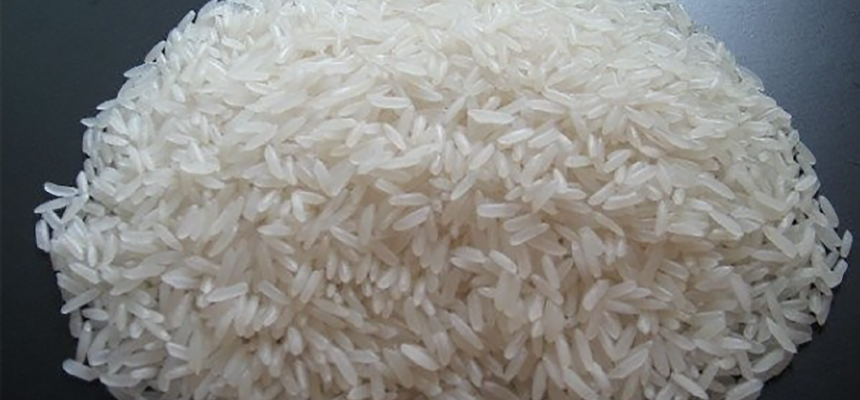
Table of Contents
What Broken Rice Is
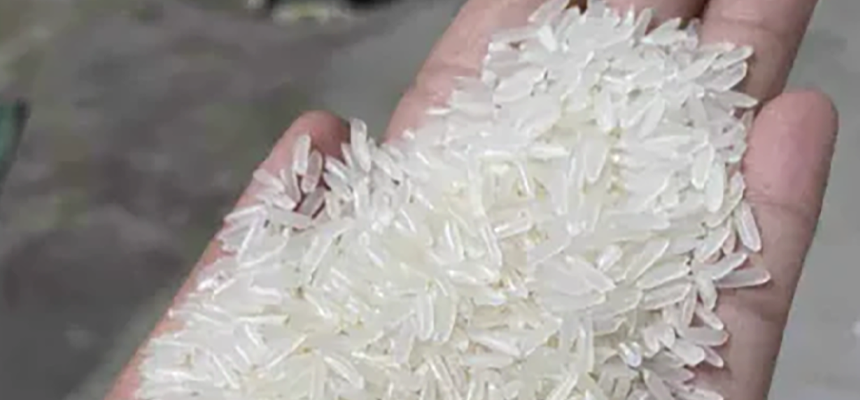
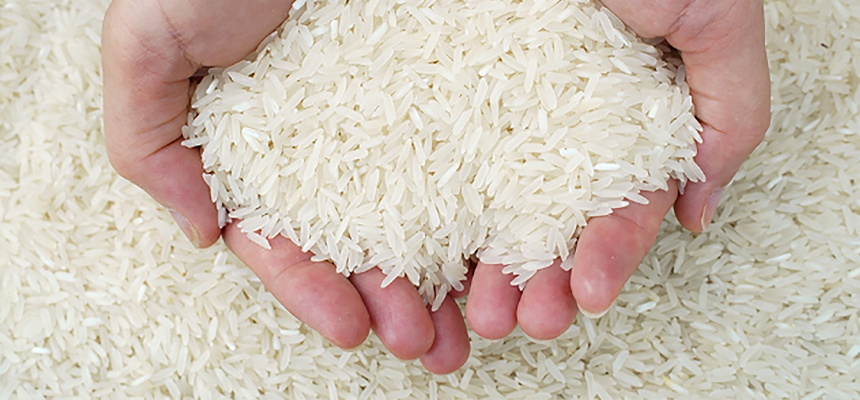
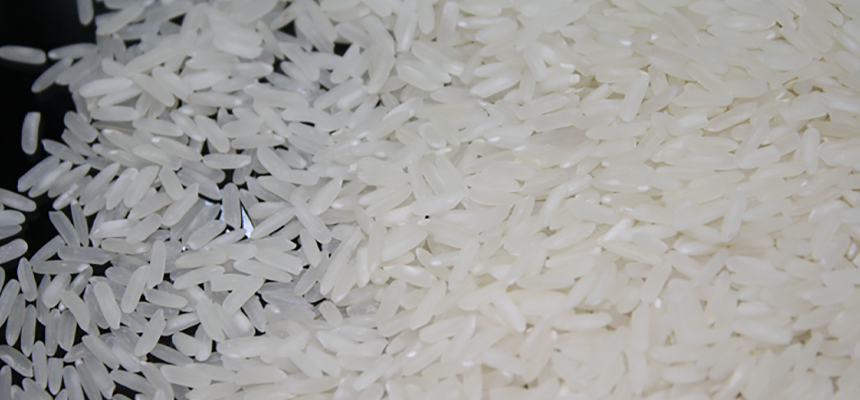
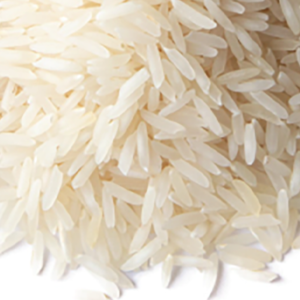
Before getting into broken rice imports to Haiti, a quick word on the product. When paddy is milled, some grains crack. Those pieces are sorted out and sold as broken rice. It’s the same rice, from the same paddy, milled to the same standard. It just isn’t whole.
Broken rice cooks faster than whole grain and turns a little softer. It’s cheaper because buyers pay less for appearance. For porridge, soups, stews, school meals and rice served with a heavy sauce, many cooks can’t tell the difference. Wikipedia’s broken rice page has more background, and our post on what broken rice is used for lists ten common uses.
Why Broken Rice Imports to Haiti Matter
Haiti grows some rice, mainly in the Artibonite valley, but nowhere near enough to feed the country. Imports cover most of the gap, and a lot of that comes from the United States. Price is a big issue for most households, and that’s where broken rice imports to Haiti come in.
Three groups drive most of the demand:
- Households on tight budgets. They buy rice by the marmite or by the small bag in the market, and price per pound decides the sale.
- School feeding and food programmes. They need large volumes at a controlled cost, with specs written into tenders.
- Small food businesses. Street food sellers and small restaurants cook rice in big pots every day.
If you want a sense of how central rice is to the food culture, Wikipedia’s Haitian cuisine page is a good start. Diri ak pwa, diri kole and diri djon djon are everyday dishes.
What We Sell
For broken rice imports to Haiti, these are the grades buyers ask us for most:
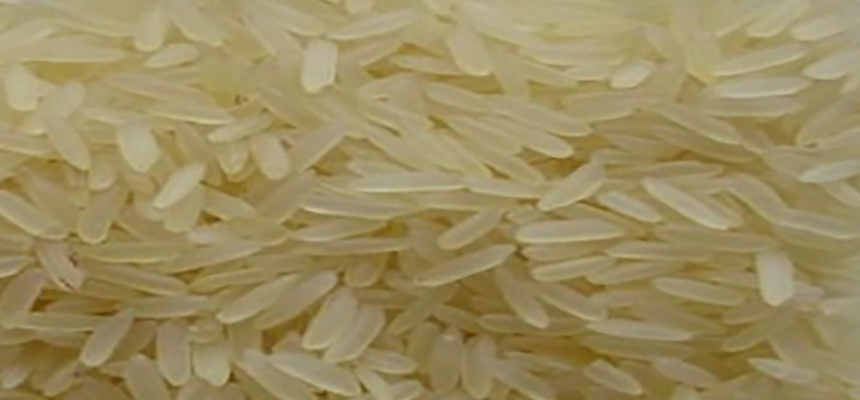
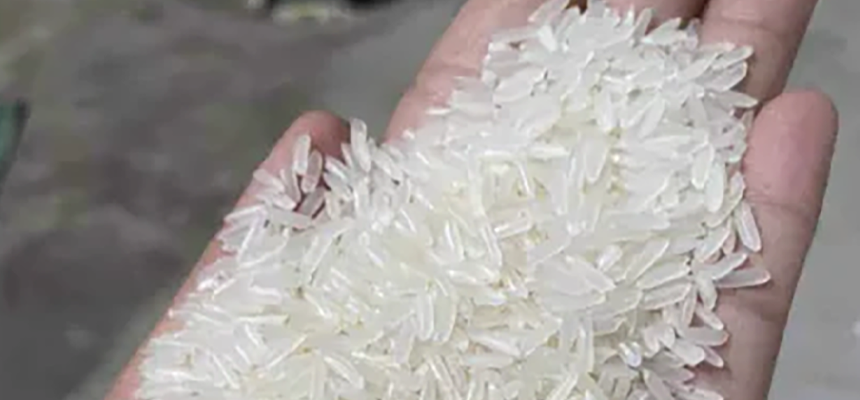
- Thai white rice 100% broken: fully broken white rice, often called A1 Super. The cheapest white rice we sell.
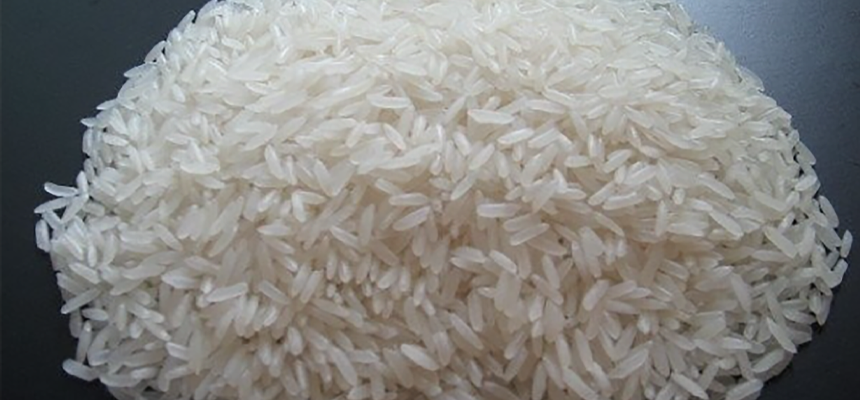
- Thai white rice 25% broken: mostly whole grains with up to a quarter broken. A step up in appearance at a still low price.
- Thai parboiled rice 100% broken: fully broken parboiled rice, firmer and less sticky, for buyers who prefer parboiled.
- Thai parboiled rice 25% broken: parboiled with mostly whole grains, for markets that want golden rice at a lower price.
We also sell whole grain long grain white rice, jasmine and medium grain, so an importer can mix grades in one container. See everything on our products page.
Specifications
These are the specs we contract on for broken rice imports to Haiti. Put numbers like these into any contract you sign.
| Specification | White 100% broken (A1 Super) | White 25% broken | Parboiled 100% broken |
|---|---|---|---|
| Broken grains | 100% | 25% max | 100% |
| Moisture | 14% max | 14% max | 14% max |
| Foreign matter | 0.1% max | 0.5% max | 0.5% max |
| Damaged grains | 0.5% max | 2% max | 1% max |
| Chalky grains | Within standard tolerance | 7% max | Not applicable |
| Colour | Natural white | Natural white | Light golden |
| Insects | Free from live insects | Free from live insects | Free from live insects |
| Crop | Current season | Current season | Current season |
Every lot is tested before packing and fumigated before loading. Our quality control page explains how, and our rice standard page lists the Thai grading rules.
White or Parboiled Broken Rice?
Buyers looking at broken rice imports to Haiti often ask which type to choose.
White broken rice
Soft, cooks fast, and works well in porridge, rice and bean dishes, and anything cooked with a sauce. It’s the most common choice and usually the cheapest.
Parboiled broken rice
Firmer, less sticky, and more forgiving if it’s overcooked or held hot. It also keeps a little better in heat and humidity. It costs a bit more than white broken rice in most markets.
Most Haitian households are used to white rice, so white broken rice is the safer choice for open market sales. Parboiled broken rice can suit institutional kitchens that cook early and serve later.
Packing Options
Broken rice imports to Haiti are mostly sold loose in markets or in large bags, so heavy sacks are the norm.
| Packing | Typical buyer |
|---|---|
| 50 kg PP bags | Wholesalers and market traders |
| 25 kg PP bags | Smaller traders and institutions |
| 100 lb and 50 lb bags | Buyers used to US-style sizes |
| 5 kg, 10 kg, 25 lb | Shops selling to households |
| 1 tonne jumbo bags | Repackers |
We can print French and Haitian Creole on the bag, plain or with your brand. Printed bags help buyers trust a brand in a crowded market.
Shipping to Haiti
We ship broken rice imports to Haiti from Laem Chabang in Thailand. Rice for Haiti usually moves with one or two transshipments, often through a Caribbean hub. Total transit tends to be six to nine weeks depending on the route.
The main ports are Port-au-Prince and Cap-Haïtien. Port and road conditions around Port-au-Prince have been disrupted at times in recent years, so work with a freight forwarder who knows the current situation. Some importers use Cap-Haïtien where it suits their distribution. We quote the routing your forwarder recommends.
A 20ft container holds about 25 tonnes of bagged rice. Broken rice is denser than whole grain, so containers often reach their weight limit before they’re full by volume. See how many tons of rice fit in a 20ft container. We quote FOB Thailand or CIF your Haitian port. Our FOB vs CIF rice price guide explains the difference.
Documents
Every shipment of broken rice imports to Haiti comes with:
- Commercial invoice and packing list
- Bill of lading
- Certificate of origin
- Phytosanitary certificate
- Fumigation certificate
- Certificate of analysis
- Independent inspection certificate on request
Haitian customs and the agriculture ministry may ask for specific wording or extra papers. Ask your customs broker before you order and tell us what’s needed. Our rice export documents checklist covers everything we handle.
Duties and Costs
Haiti’s import duties and fees change from time to time, and there are often extra port and handling charges. Before you price your stock, ask a licensed customs broker in Haiti for the current position on rice. Add freight, insurance, port charges, broker fees and trucking to get your real landed cost.
When comparing offers for broken rice imports to Haiti, compare like for like. A cheap price for broken rice with high moisture or lots of foreign matter isn’t a bargain once it starts to spoil in a warm warehouse.
Food Programmes and Tenders
School feeding programmes, aid agencies and NGOs buy a lot of rice in Haiti, usually through formal tenders. These buyers tend to be strict about:
- Exact specs, including broken percentage and moisture
- Independent inspection at loading
- Fumigation and phytosanitary certificates
- Packing in marked bags, sometimes with the programme’s logo
- Delivery dates
We can quote against a tender spec. Send us the tender documents and we’ll tell you what we can meet and at what price. Broken rice imports to Haiti through these programmes often use 25% broken white or parboiled rice, depending on the programme’s rules.
Storage in Haiti’s Climate
Heat and humidity are hard on stored rice, and broken rice imports to Haiti face plenty of both. Broken rice spoils faster than whole grain if it’s handled badly. A few habits make a big difference:
- Store on pallets, never on bare floor
- Keep stacks away from walls
- Keep the store dry, shaded and ventilated
- Sell the oldest stock first
- Check bags weekly for insects and smell
White broken rice stored well keeps its quality for several months to a year. Parboiled broken rice lasts a little longer. If you plan to hold stock for a long time, tell us and we’ll talk about packing that helps.
How We Check Every Lot
Before any broken rice imports to Haiti leave our mill, each lot goes through:
- Moisture testing, kept at 14% max
- Sorting to the right broken size
- Cleaning to remove dust, stones and foreign matter
- Colour sorting to take out dark and damaged pieces
- Weighing on calibrated scales
- Fumigation before loading
You’re welcome to appoint SGS, Intertek, Bureau Veritas or any surveyor. We keep reference samples from every shipment.
How Rice Is Cooked and Sold in Haiti
It helps to know how the rice will be used before you choose a grade for broken rice imports to Haiti.
Diri ak pwa and diri kole
Rice cooked with red or black beans, often with garlic, thyme, cloves and epis, the green seasoning base. Diri kole cooks the rice and beans together in one pot. Broken rice works here, but it cooks a little faster, so cooks use slightly less water.
Diri blan ak sòs pwa
Plain white rice with a smooth bean sauce poured over. The sauce hides the broken grains, so this is one of the dishes where broken rice sells easily.
Diri djon djon
Rice cooked with black mushrooms, a dish for special days. Families who make it often buy whole grain rice for it, even if they buy broken rice the rest of the week.
Porridge and school meals
Broken rice is a natural fit for porridge and for school kitchens that cook rice with beans and sauce in big pots.
How it’s sold
In many markets rice is sold loose, measured out by the marmite or a smaller cup, rather than in sealed retail bags. Traders buy 50 kg sacks and sell them down. That’s why most broken rice imports to Haiti arrive in heavy sacks rather than small packs. A printed sack with a known brand still helps, because traders and shoppers both learn which rice cooks well.
Cost per Meal
The reason broken rice imports to Haiti keep growing is simple: cost per plate. Broken rice is usually cheaper per tonne than whole grain, and it swells well in the pot. For a family feeding six people, or a school feeding hundreds, that difference adds up every day.
The trick is to buy broken rice that’s clean, dry and fresh. A cheap lot full of dust, stones or insects costs more in the end, because some of it gets thrown away and customers stop buying the brand.
Mixed Containers
Not every importer needs 25 tonnes of one grade. A mixed container is normal for us, and it helps buyers cover more of the market.
| Product | Packing | Rough share |
|---|---|---|
| White rice 100% broken | 50 kg sacks | 50% |
| White rice 25% broken | 50 kg and 25 kg sacks | 35% |
| Long grain white 5% broken | 25 lb bags, own brand | 15% |
This gives an importer a low price line, a middle line, and a better rice for shops in town. Many buyers start broken rice imports to Haiti this way and then adjust the split once they see what moves.
Why Thai Broken Rice
Haiti buys rice from the US, from Asia and sometimes from the region. So why Thai broken rice?
Thai mills grade and clean broken rice carefully, so it’s usually cleaner and more even than the cheapest offers on the market. Thailand also exports huge volumes, so supply is steady year round. Thai rice is non-GMO and we can supply lab reports.
It won’t always be the cheapest. US rice has short freight and familiar brands, and Vietnamese and other Asian broken rice can be priced lower. But for importers who want consistent quality, Thai broken rice imports to Haiti are a good second source. Our comparison of Thai rice vs Vietnamese rice explains the differences honestly.
Payment Terms
For a first order we usually work with a T/T deposit and the balance against copy documents, or an irrevocable letter of credit at sight. Both protect you and us. As we build a track record, terms can be adjusted.
Be careful of anyone selling broken rice imports to Haiti who wants 100% payment up front with no inspection. That’s how buyers lose money. A real mill will let you inspect the rice before it leaves.
Working With Your Forwarder and Broker
For broken rice imports to Haiti, your freight forwarder and customs broker are as important as your rice supplier. A good forwarder knows which lines are calling which ports, how long transshipment takes, and what security and handling costs look like right now. A good broker knows the duty, the paperwork and who to talk to at the port.
Share our loading schedule with them as soon as the order is confirmed. Send them our draft documents before sailing so any errors can be fixed early. And agree in writing who pays which charges at destination. Surprise fees at the port are the most common complaint we hear from new importers.
Planning Ahead
Rice demand in Haiti rises around holidays like Christmas, New Year and Independence Day on 1 January, when soup joumou is served, and around back to school when feeding programmes restart. With milling, packing and six to nine weeks at sea, plan your broken rice imports to Haiti about three months ahead. A steady schedule, one container every six to eight weeks, avoids both empty shelves and old stock.
Problems We See in Cheap Broken Rice
Not all broken rice is the same. Over the years we’ve seen plenty of shipments from other sources go wrong, and the same few problems come up again and again in broken rice imports to Haiti.
- Dust and bran. Badly cleaned broken rice carries a lot of fine dust. It looks grey, cooks cloudy and attracts insects.
- Tiny brokens mixed in. Some low grade lots are full of very small pieces, closer to rice flour than broken rice. They turn to mush in the pot.
- High moisture. Rice packed wet sweats in the container and goes mouldy in a warm warehouse.
- Stones and husk. Poor cleaning leaves grit that families find in their food.
- Old crop. Stale broken rice smells off and gets returned.
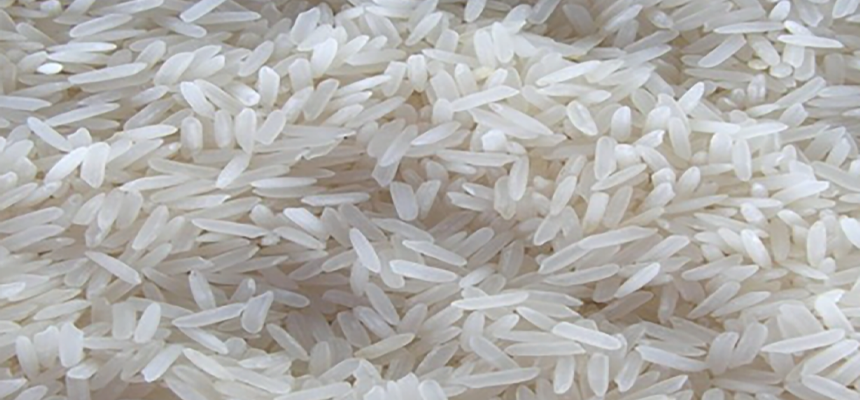
Our broken rice is cleaned, graded and colour sorted, so the pieces are even and the dust is gone. If you ever compare samples for broken rice imports to Haiti, put a handful of each on a white plate and look closely. The difference is usually obvious.
Mistakes We See Buyers Make
Buying on price alone
Very cheap broken rice often has high moisture, dust or insects. It looks fine at loading and spoils on arrival.
Ignoring moisture
For a long, hot sea journey, moisture above 14% is asking for trouble.
No inspection
Independent inspection at loading costs little and protects a lot.
Not checking port conditions
Talk to your forwarder about the current situation at the port before you book.
Ordering too late
With six to nine weeks at sea plus milling and packing, plan well ahead.
A Recent Order
Here’s a recent example, details changed for privacy. An importer supplying wholesalers in the north of Haiti had been buying broken rice through a trader in Miami. One shipment arrived with high moisture and part of the stock went bad within weeks.
He asked us for samples of white 100% broken and white 25% broken. He cooked both and showed them to his wholesalers. They chose the 25% broken for its better look in the market, with some 100% broken for the lowest price point. The first order was one 20ft container in 50 kg bags printed with his brand in French and Creole.
An inspector checked the rice at loading. Moisture came in under the limit, the container went to Cap-Haïtien, and the rice reached his warehouse in good condition. He now orders every six to eight weeks. That’s what steady broken rice imports to Haiti should look like: the right spec, checked properly, every time.
Frequently Asked Questions
What is the most common grade for broken rice imports to Haiti?
White 100% broken (A1 Super) for the lowest price, and white 25% broken for buyers who want better appearance.
Can you print bags in French or Creole?
Yes, plain or with your brand.
What’s the minimum order?
One 20ft container, about 25 tonnes, and you can mix grades. See our minimum order guide.
Do you ship to Cap-Haïtien?
Yes, subject to the shipping lines serving it at the time.
Do you sell whole grain rice too?
Yes, long grain white, parboiled, jasmine and medium grain. Our guide for long grain rice exporters to Central America covers whole grain long grain in detail.
Is broken rice less nutritious than whole grain?
No. It’s the same rice, just in pieces. The nutrition per kilo is essentially the same as whole grain milled to the same degree.
How long does broken rice keep?
Several months to about a year if it’s stored dry, off the floor and away from heat. Parboiled broken rice keeps a little longer than white.
Do you ship outside Haiti?
Yes, we ship worldwide, including to other Caribbean markets. See our guide to parboiled rice demand in the Caribbean.
Order Broken Rice for Haiti
If you import rice into Haiti, supply a food programme, or sell to wholesalers there, send us your grade, packing, quantity and port. We’ll send samples and a dated offer for broken rice imports to Haiti, with specs in writing.
De Thai Products 1989 Company Limited. Email info@dethairice.com, WhatsApp +66 81 034 6390, or use our contact page. You can also read about us first.
2 thoughts on “Broken Rice Imports to Haiti: Best Bulk Supply Offer”