


Most importers looking for long grain rice exporters to Central America already have a supplier. What they usually want is a second one, because the first one let them down on price, on quality, or on timing. We hear that story a lot. We are a Thai rice mill and exporter, and we ship long grain white rice and parboiled rice by the container to buyers worldwide, including ports in Guatemala, Honduras, El Salvador, Nicaragua, Costa Rica, Panama and Belize.
This guide to long grain rice exporters to Central America is written for the person who has to sign the purchase order. It covers what we sell, the exact specifications, how the shipping works from Thailand to the Central American coast, what it costs you in practice, and the mistakes we’ve watched buyers make when they switch suppliers. No fluff. If it turns out we’re not the right fit, at least you’ll know what to ask the next mill.
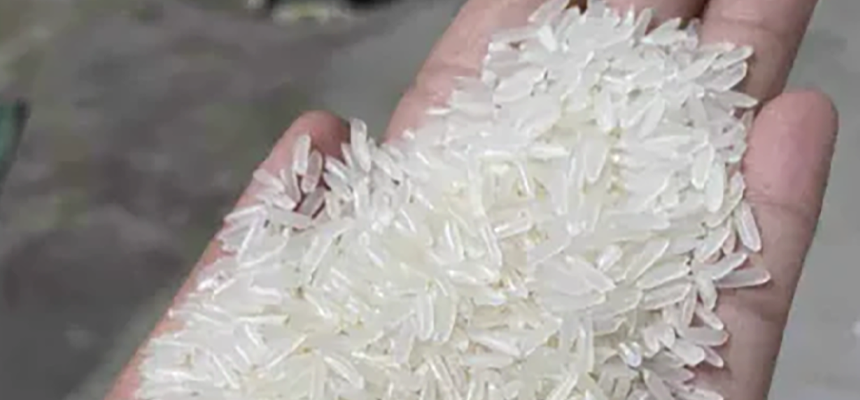
Table of Contents
Why Buyers Look Beyond Local and US Rice
Central America grows rice, and some of it is good. But local crops rarely cover what the region eats, and the gap gets filled with imports. A big share of that has come from the United States for years, helped along by trade agreements. So why would anyone go looking for long grain rice exporters to Central America on the other side of the planet?
Three reasons come up again and again when buyers ask us about long grain rice exporters to Central America.
- Price swings. When US prices jump, buyers want a second origin they can switch to without retraining their customers.
- Grade choice. Thai mills offer a wide ladder of grades, from 5% broken all the way to 100% broken, so a buyer can match cost to the market they serve.
- Private label. Supermarket chains and distributors want rice packed under their own brand, in their own bag sizes, and Thai mills do that every day.
None of this means Thai rice beats every other origin on every order. Some months it won’t. But a serious importer should have prices from more than one origin on the desk, and that’s where long grain rice exporters to Central America from Thailand earn their place.
Who We Are and What We Sell
We are De Thai Products 1989 Company Limited, a rice mill and exporter in central Thailand. We mill, grade, pack and ship our own rice, so you’re talking to the people who actually control the quality, not a trading desk relaying messages.
For buyers who need long grain rice exporters to Central America, these are the products we offer most:
- Thai white rice 5% broken, our premium long grain grade for supermarkets
- Thai white rice 10% broken, a middle grade many wholesalers like
- Thai white rice 25% broken, the price-driven grade for open markets and institutions
- Thai white rice 100% sortexed, colour-sorted for buyers who want a clean look in clear bags
- Thai parboiled rice 5% broken, for food service and buyers who need rice that holds up
- Thai jasmine rice and Thai Hom Mali rice, for the fragrant rice shelf
You can see the full range on our products page.
Long Grain Rice Specifications We Ship
Here are the numbers. As long grain rice exporters to Central America, these are the specs we quote to importers across the region, and they go on the contract.
| Specification | 5% Broken | 10% Broken | 25% Broken |
|---|---|---|---|
| Grain type | Long grain white | Long grain white | Long grain white |
| Broken grains | 5% max | 10% max | 25% max |
| Moisture | 14% max | 14% max | 14% max |
| Foreign matter | 0.1% max | 0.1% max | 0.2% max |
| Damaged grains | 1% max | 1% max | 1.5% max |
| Chalky grains | 2% max | 3% max | 5% max |
| Milling degree | Well milled, double polished | Well milled | Well milled |
| Crop | Current crop | Current crop | Current crop |
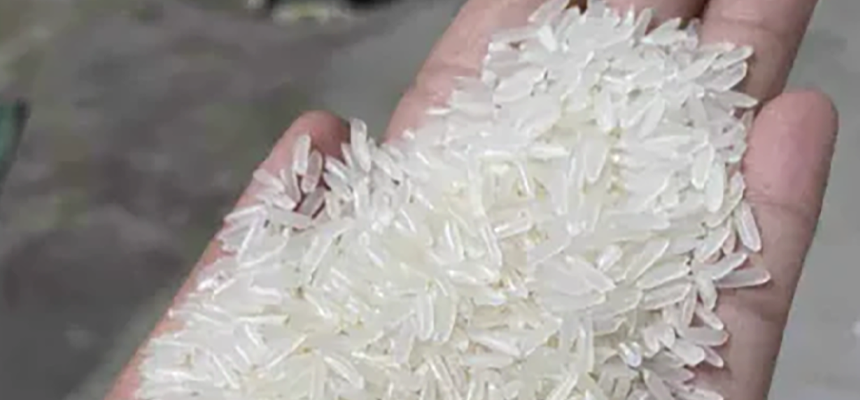
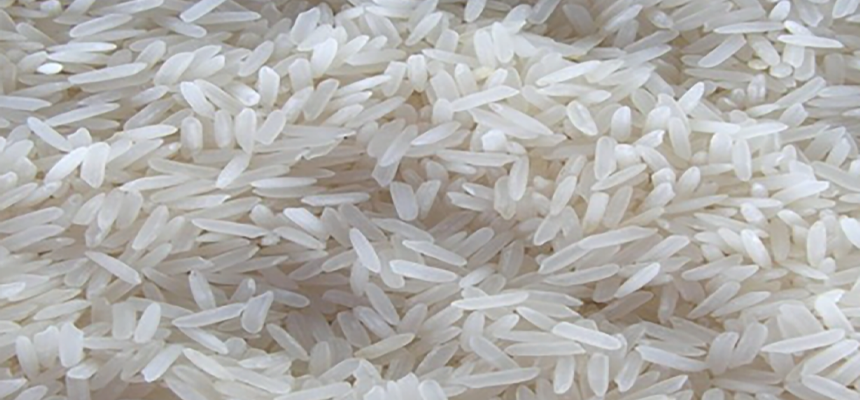
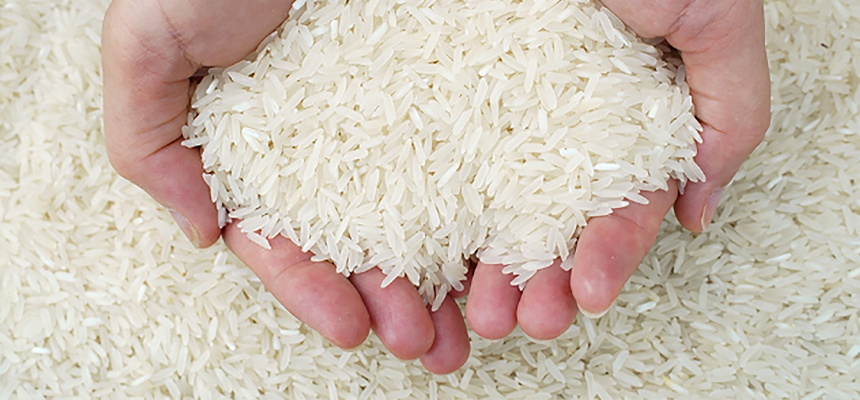
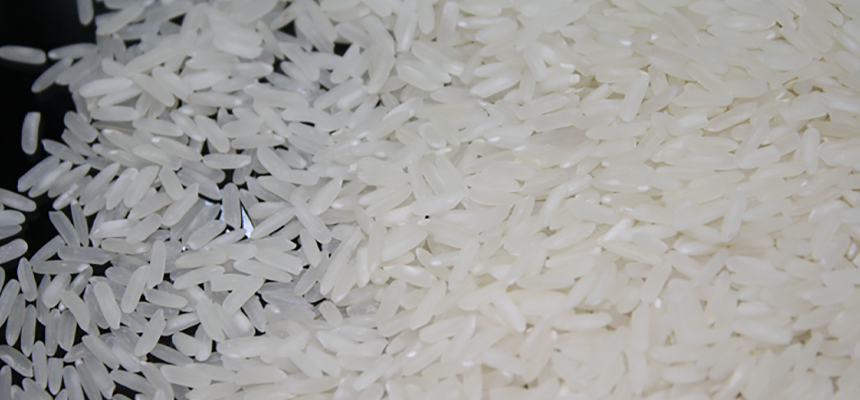
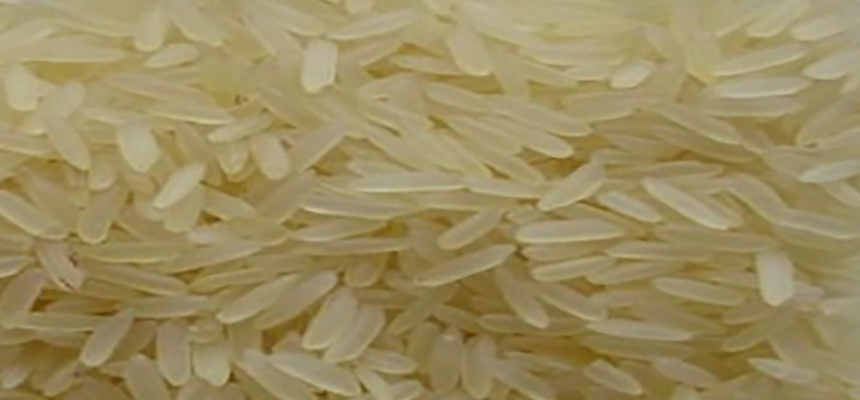
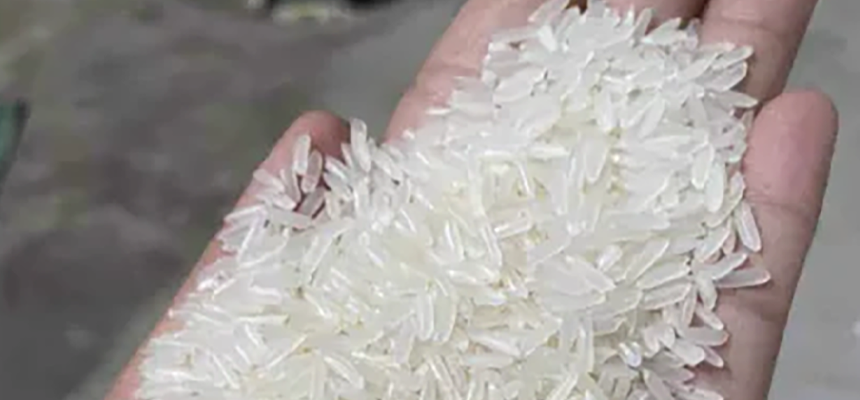
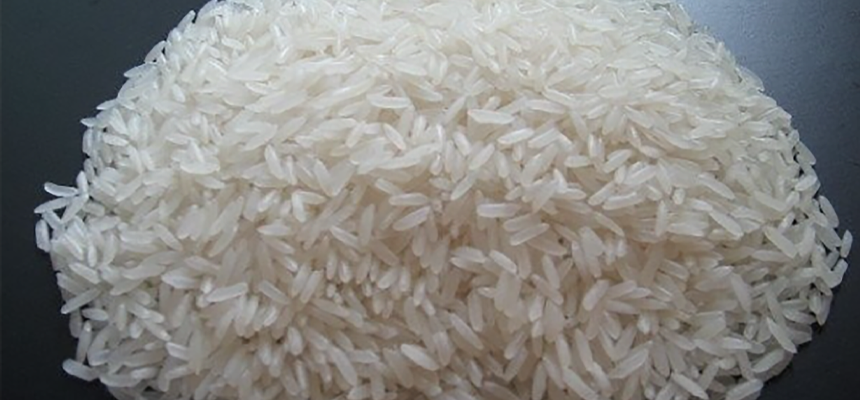
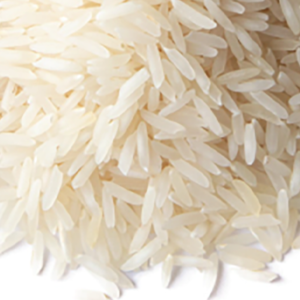
Grain length on our long grain white rice averages around 7 mm and above for whole kernels. If your buyers care about a particular length, tell us and we’ll quote to it.
Every lot we ship as long grain rice exporters to Central America gets checked before it’s bagged. Our quality control page explains how, and our rice standard page lists the Thai grading rules we follow.
Packing Options for Central American Markets
Packing is where a lot of first orders with new long grain rice exporters to Central America go wrong, so it’s worth getting right before you pay a deposit.
We pack in:
- 25 kg and 50 kg PP woven bags, plain or printed
- 1, 2 and 5 kg retail bags for supermarket shelves
- 25 lb, 50 lb and 100 lb bags for markets that count in pounds
- 1 tonne jumbo bags for millers and repackers
Spanish printing is no problem. Send us your artwork and we’ll print it, or we’ll lay out a design with your brand name and you approve it before we run the bags. A lot of long grain rice exporters to Central America treat private label as an extra. For us it’s normal work.
Shipping Routes, Ports and Transit Times
From Bangkok or Laem Chabang, rice for Central America usually moves on a main-line carrier with one transshipment, often in Asia or on the Pacific coast. Total transit tends to land somewhere between five and seven weeks, depending on the line and how the connection runs that month.
The ports we ship to most as long grain rice exporters to Central America:
| Country | Common ports |
|---|---|
| Guatemala | Puerto Quetzal, Santo Tomas de Castilla |
| Honduras | Puerto Cortes |
| El Salvador | Acajutla |
| Nicaragua | Corinto |
| Costa Rica | Caldera, Puerto Limon |
| Panama | Balboa, Manzanillo, Colon |
| Belize | Belize City |
A standard 20ft container takes around 25 tonnes of bagged rice. Our guide on how many tons of rice fit in a 20ft container goes into the detail, including what happens with smaller retail bags.
Pacific or Atlantic side matters more than people expect. If your warehouse is in San Pedro Sula, landing at Puerto Cortes saves you trucking. If it’s in Guatemala City, the Pacific route into Puerto Quetzal often works out cheaper overall. Ask us to quote both and compare the landed cost, not just the freight.
What Long Grain Rice Really Costs Landed
Buyers comparing long grain rice exporters to Central America often look only at the per-tonne price. That’s half the picture.
Your landed cost includes the rice price, ocean freight, insurance, import duty, port charges, customs broker fees and inland trucking. On some routes freight alone moves the price by a big margin from one month to the next. We quote both FOB and CIF so you can check our freight against your own forwarder. If you’re not sure which to ask for, read our FOB vs CIF rice price guide.
On duties, each country in the region sets its own tariffs for rice, and preferences under the CAFTA-DR agreement mostly favour US rice. Thai rice usually comes in under the standard tariff. Before you place an order, ask your customs broker for the current rate on your HS code. It’s a five minute phone call and it can change the whole calculation.
Documents That Come With Every Shipment
Central American customs offices are not forgiving about paperwork. One wrong date on a phytosanitary certificate and your container sits at the port collecting storage fees.
Standard documents from us, the same set most long grain rice exporters to Central America should give you:
- Commercial invoice and packing list
- Bill of lading
- Certificate of origin
- Phytosanitary certificate
- Fumigation certificate
- Certificate of analysis or inspection by an independent surveyor on request
Some countries ask for extra registrations, import permits or label approvals before the rice arrives. We’ll match our documents to whatever your authority asks for, but you’ll need to tell us early. Our rice export documents checklist lists all twelve papers we deal with.
How to Judge Long Grain Rice Exporters to Central America
Plenty of companies call themselves long grain rice exporters to Central America. Some are mills. Some are traders with a website and a phone. Here’s how we’d check any supplier, us included.
Ask for samples from the actual lot
A sample of “the grade” is not the same as a sample from the rice going in your container. Ask for pre-shipment samples and keep a sealed set.
Check the spec sheet against the contract
If the spec sheet says 5% broken but the contract just says “long grain white rice”, you have nothing to claim against. The numbers belong in the contract.
Use an independent inspector
SGS, Intertek, Bureau Veritas and similar firms inspect rice at loading. It costs a little and it protects you a lot. We welcome it.
Look at payment terms
A seller who wants 100% up front on a first order with no inspection is asking you to carry all the risk. We work with T/T deposit and balance against documents, or with an irrevocable letter of credit at sight.
Talk to someone who knows rice
Ask the seller what causes chalky grains, or why parboiled rice turns yellow. If they can’t answer, they’re not running a mill.
Thai Long Grain vs Other Origins
Buyers in the region often compare long grain rice exporters to Central America from Thailand with the US, Uruguay, Brazil, Guyana and Vietnam. Each has a place.
US long grain is familiar, often enriched, and has trade preferences. South American rice from Uruguay and Brazil is close and often good. Vietnamese rice is frequently priced lower, though grades and consistency vary more. Thai long grain sits in a spot where quality is steady, the grade ladder is wide, and private label work is routine. If you want a deeper look, we wrote an honest piece on Thai rice vs Vietnamese rice and another on Thai long grain rice vs American long grain rice.
The general background on rice types is on Wikipedia’s rice page if you need it for your team.
Matching the Grade to Your Market
This is where long grain rice exporters to Central America can actually help you, if they’re paying attention.
Supermarkets and modern retail
Go with 5% broken or 100% sortexed in 1 kg, 2 kg or 5 kg bags. Shoppers look at the rice through the clear window and judge it on whole grains and colour.
Wholesale and traditional markets
10% or 15% broken in 25 kg or 50 kg bags is the usual choice. Price matters, but so does a decent cook.
Schools, hospitals and government tenders
25% broken is common here. Tenders often spell out the grade, so read them closely and send us the tender spec.
Restaurants and food service
Parboiled rice is worth a look. It stays separate on a steam table and doesn’t go mushy, which is why so many kitchens use it. Our post on parboiled rice vs white rice explains the difference. Buyers who also sell into the islands can read about Thai parboiled rice for Caribbean importers.
Our Minimum Order and Lead Times
The minimum order with us, as with most long grain rice exporters to Central America, is one 20ft container. You can split that container across two or three grades or bag sizes, which helps a lot on a first trial order. More on this in our minimum order quantity guide.
Lead time from confirmed order to loading is usually two to four weeks, which is normal for long grain rice exporters to Central America. Private label bags with new artwork can add a week or two for printing, so plan ahead on the first run.
Country by Country Notes From Our Shipping Desk
Every market in the region has its own habits. These are the things we’ve picked up from years of working as long grain rice exporters to Central America. They’re not rules, just what we see.
Guatemala
Buyers here split between the Pacific and Atlantic ports, and a lot depends on where the warehouse sits. Retail shoppers lean towards clean, whole grain rice in small bags, so 5% broken sells well. Institutional buyers ask more for 15% and 25%.
Honduras
Puerto Cortes is busy and well connected. Distributors here often want a mix of retail packs and 50 kg sacks in one container, which suits a first trial order. Long grain rice exporters to Central America who refuse mixed loads usually lose these buyers fast.
El Salvador
A smaller market with a lot of repackers. Jumbo bags and 50 kg sacks are common, and repackers care a lot about moisture because they hold stock for months.
Nicaragua
Price comes first for many buyers here. The 25% broken grade and parboiled rice both get asked about. Paperwork is checked closely, so we send draft documents for approval before the ship sails.
Costa Rica
Shoppers are used to good quality and the retail shelf is fairly demanding. Labelling rules are strict, so send us the label requirements early and we’ll print to them.
Panama
Panama is a trading hub, and some of our buyers there re-export to the islands and to South America. They tend to want flexible packing and fast documents. Long grain rice exporters to Central America who ship into Colon or Balboa need to be on time with paperwork, because the transit trade moves quickly.
Belize
A small market, so most buyers take one container at a time with several grades inside. English labelling is the norm here, which makes artwork easier.
A Real Example of How a First Order Goes
Here’s roughly how it went with a distributor in Honduras last season, details changed a bit for privacy.
He’d been buying 25% broken from a trader and the moisture kept coming in high, so his stock went off in the warehouse. He sent us his spec and port. We sent samples of 15% and 25% broken by courier. He cooked both, liked the 15%, and ordered one container split between 15% broken in 50 kg bags and 5% broken in 2 kg retail bags with his brand in Spanish.
An inspector checked the lot at loading. Documents went out by courier the week of departure. The container landed at Puerto Cortes about six weeks later, cleared, and he’s been reordering since. Nothing clever, just the basics done properly. That’s what good long grain rice exporters to Central America should be doing for you.
When to Book Your Containers
Thai rice has a main crop and a second crop, and prices move with harvest, export demand and the Thai baht. In practice, the cheapest months are not always the ones you’d guess, so we don’t try to time the market for you.
What we do say is this: don’t leave your order until your warehouse is nearly empty. With five to seven weeks at sea plus loading time, you want to book at least two months before you need the rice on the shelf. Buyers who plan a rolling schedule with their long grain rice exporters to Central America almost always get better prices than those who buy in a panic.
Holidays matter too. Shipping lines get crowded before the end of year, and Central American ports get busy before big holidays. Book early for those windows.
Common Problems and How We Avoid Them
Moisture and mould
Rice shipped too wet sweats in the container through the tropics. We hold moisture at 14% max and use container liners and desiccant on request.
Insects
Every lot is fumigated before loading, with a certificate to prove it.
Short weight
Bags are weighed on calibrated scales and the inspector checks a sample of bags. You get what’s on the invoice.
Late documents
Late papers mean demurrage, and it is the complaint we hear most about other long grain rice exporters to Central America. We courier originals as soon as the bill of lading is issued, and send scans the same day.
Storing Rice After It Lands
Rice is tough, but the tropics are hard on any food stock. A few simple habits make a big difference:
- Keep bags on pallets, off the floor and away from walls
- Keep the warehouse dry and ventilated
- Sell older stock first, every time
- Check a few bags each month for insects or smell
Long grain white rice stored this way keeps its quality for around a year. Parboiled rice tends to hold up a bit better in heat and humidity. If you plan to hold stock longer, tell us and we can talk about packing that suits long storage. It’s one more thing good long grain rice exporters to Central America should ask you about before you order.
Halal, Non-GMO and Other Certificates
Some buyers who come to long grain rice exporters to Central America supply Muslim communities or export onwards, so we can provide halal certification. Thai rice is non-GMO, and we can back that up with lab reports. Read more in our posts on halal certified rice and non-GMO Thai rice.
Why Buyers Stay With Us
We don’t win every quote. Sometimes another origin is cheaper that month and we’ll tell you so. But buyers who’ve worked with us tend to come back for the same reasons: the rice matches the sample, the documents are right, and when something goes wrong we answer the phone.
That’s honestly all most importers want from long grain rice exporters to Central America. Steady quality, fair prices and no surprises at the port.
How to Request a Quote
Send us five things and, like any serious long grain rice exporters to Central America, we’ll come back with a dated offer:
- Grade or grades you want
- Bag size and whether you need your own brand
- Quantity, in containers or tonnes
- Destination port
- FOB or CIF
If you’re still at the stage of figuring out how importing from Thailand works, read how to import rice from Thailand first. It saves both of us time.
Frequently Asked Questions
Do you ship to every country in Central America?
Yes. Guatemala, Belize, Honduras, El Salvador, Nicaragua, Costa Rica and Panama. We also ship worldwide.
Can you print bags in Spanish?
Yes, with your artwork or ours.
What’s the smallest order?
One 20ft container, about 25 tonnes, and you can mix grades.
How long does shipping take?
Usually five to seven weeks from Thailand, depending on the route.
Do you sell parboiled rice too?
Yes, in 5%, 15%, 25% and 100% broken.
Why should I use Thai long grain rice exporters to Central America instead of a local trader?
You deal with the mill directly, you get the spec in writing, and you can check every lot before it leaves. Traders can be good, but you’re one step further from the rice.
Order From a Thai Mill That Ships to Central America
If you’ve been searching for long grain rice exporters to Central America who’ll actually give you the spec in writing and stick to it, send us your requirements. We’ll send samples and a price, and you can judge for yourself.
Email info@dethairice.com, WhatsApp +66 81 034 6390, or use our contact page. You can also read about us first if you want to know who you’re dealing with.
5 thoughts on “Long Grain Rice Exporters to Central America: Best Offer”