


Ask anyone who cooks Thai food seriously in New Zealand which rice they want and most will say Hom Mali. It’s the original Thai jasmine rice, grown mainly in the northeast of Thailand, and when it’s fresh the smell fills the kitchen before the lid comes off the pot. For Thai Hom Mali rice importers New Zealand customers are fussy about exactly that, and they’re right to be. A bag that smells flat or cooks hard won’t get bought twice.
We’re De Thai Products 1989 Company Limited, a rice miller and exporter in Chachoengsao, Thailand. We mill, grade and pack Thai Hom Mali rice ourselves and ship it worldwide. This page is our offer to Thai Hom Mali rice importers New Zealand wide: what genuine Hom Mali is, the full spec, bags and private label, shipping to New Zealand ports, the paperwork, pricing and how to order.
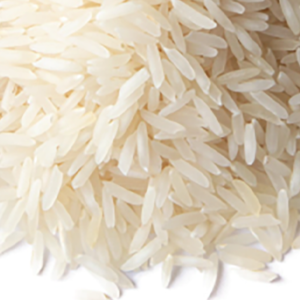
Table of Contents
What Thai Hom Mali Rice Actually Is
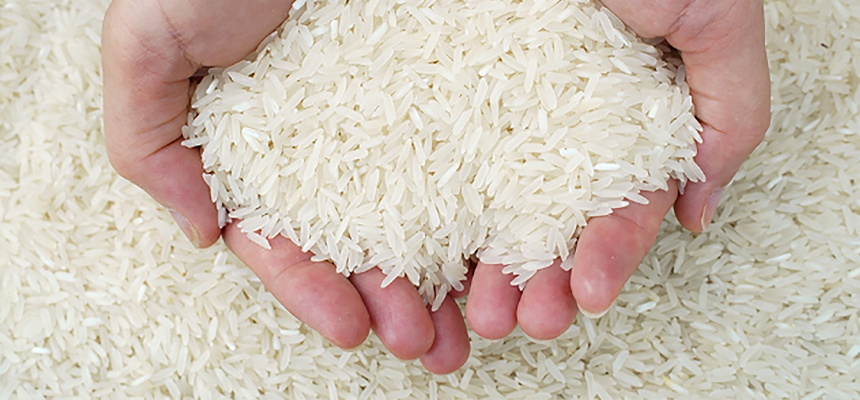
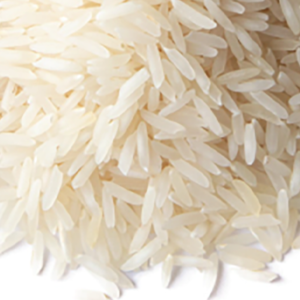
Thai Hom Mali means Thai jasmine-scented rice. It comes from specific aromatic varieties, mainly KDML105 and RD15, grown in Thailand, mostly on the rain-fed fields of the northeast. The mild heat and dry spell at harvest time help the grain build its aroma. Thailand protects the name with its own standard, and the Thai government runs a certification mark for rice that meets it. You can read about Thai rice standards through the Thai Department of Foreign Trade.
That matters to Thai Hom Mali rice importers New Zealand side because plenty of rice in the world is sold as jasmine. Some is good, some is a blend, and some is simply another fragrant variety. Genuine Thai Hom Mali has to meet a minimum purity of the named varieties, and that’s what your customers are paying for.
If you want a fragrant rice at a lower price, we also sell Thai jasmine rice (Pathumthani fragrant). It’s a good rice, but it’s not Hom Mali, and we label it honestly.
Full Specification: Thai Hom Mali Rice
| Item | Standard |
|---|---|
| Variety | Thai Hom Mali, KDML105 and RD15 |
| Origin | Thailand, mainly northeast |
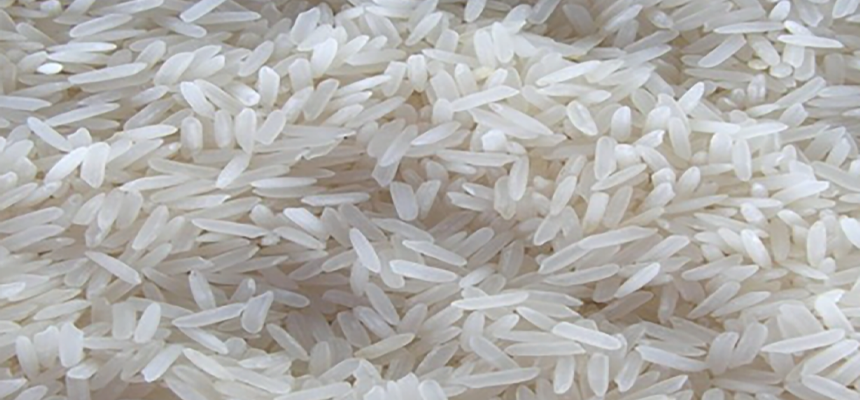
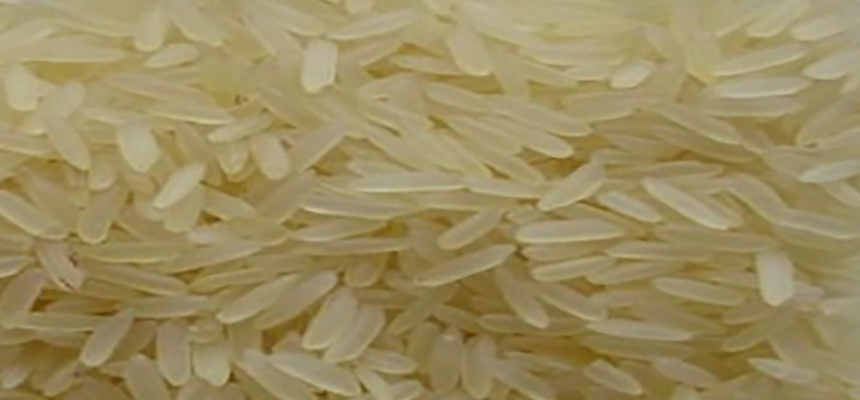
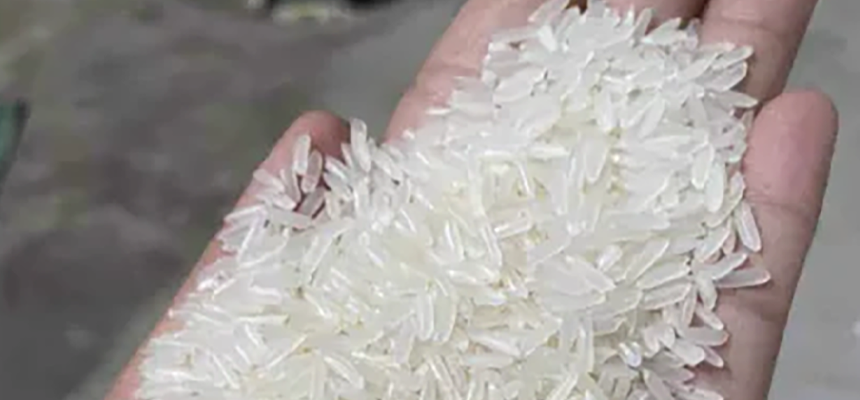
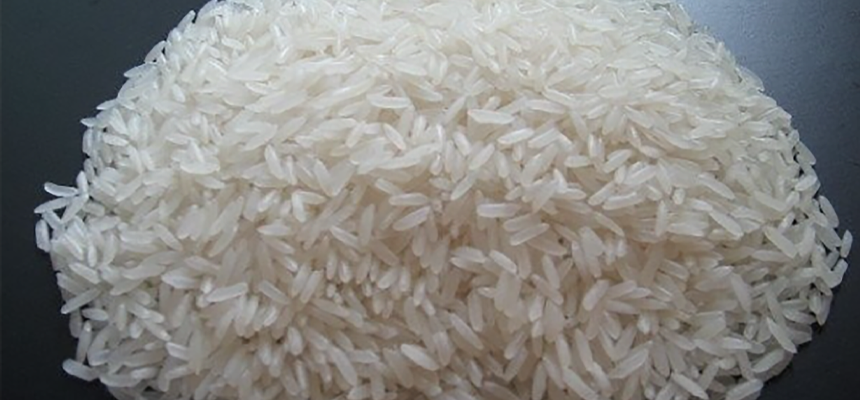
| Grain | Long grain, milled, double polished, sortexed |
| Purity | 92% minimum Hom Mali |
| Broken grains | 4.5% maximum |
| Moisture | 14% maximum |
| Admixture | 2% maximum |
| Chalky kernels | 6% maximum |
| Yellow kernels | 0.2% maximum |
| Red and damaged kernels | Negligible |
| Crop year | Current season, confirmed at booking |
| Packing | 1kg, 2kg, 5kg, 10kg, 25kg or 50kg bags |
| Shelf life | 12 to 24 months from milling, stored properly |
For a premium retail line we can grade tighter, for example brokens under 3%. Tell us before booking. Our Thai Hom Mali rice page has the full product sheet and our rice standard page explains the grading.
How It Cooks
Rinse once or twice. Use a little less water than for ordinary white rice, roughly 1 to 1.2 cups of water per cup of rice in a rice cooker, a bit less for new crop. It cooks in about 15 to 18 minutes. The grains come out soft, slightly sticky, glossy and long, with that pandan-like smell. It’s the rice for green curry, larb, pad kra pao, or just a bowl with a fried egg on top.
New crop Hom Mali is softer and more fragrant and needs less water. Older rice needs a touch more. That’s worth telling your customers and restaurant buyers, because most complaints about Hom Mali being mushy come from using the old water ratio on new crop rice.
Why Thai Hom Mali Rice Importers New Zealand Buyers Care About Crop Year
The main harvest in the northeast runs from around November to January. New crop rice reaches export mills soon after. Aroma is strongest in the first months after milling and fades slowly over time, more quickly in a warm store.
So for Thai Hom Mali rice importers New Zealand customers who sell premium packs, crop year is a big deal. Ask for it in writing on every contract, and plan stock so that you’re not selling year-old rice when the new crop is available. We confirm the crop year at booking and print it on the bag if you want.
Bags and Private Label
- 1kg and 2kg consumer packs, vacuum packed on request
- 5kg and 10kg printed laminated bags with handles, the most common retail size in New Zealand
- 25kg bags for restaurants and food service
- 50kg bags for repackers
- Your brand, English plus Thai, Chinese or any community language you need
- Thai Hom Mali certification mark where the rice and paperwork qualify
Most Thai Hom Mali rice importers New Zealand has sell under their own label. You send artwork, we send a proof, you approve, we print. We can also supply our own brands if you’d rather start with an existing bag.
Biosecurity and Import Rules
New Zealand’s border rules are strict. Rice is a stored plant product, so it has to meet the import health standard set by the Ministry for Primary Industries. Conditions get reviewed from time to time, and checking them is the importer’s job, so confirm the current requirements with MPI or your customs broker before each new product.
What usually comes up for Thai Hom Mali rice importers New Zealand side:
- Rice free of soil, live insects and seeds of other plants
- A Thai phytosanitary certificate with any declarations the standard requires
- Fumigation or other treatment where required, with a certificate
- Clean containers and clean, new packaging
- Documents lodged on time and matching each other exactly
- Possible inspection on arrival
We clean and sort every lot, check containers before loading and fumigate where needed. We also send all documents as drafts first, because most holds at the border come from small paperwork mismatches rather than the rice itself.
Duties and entry go through New Zealand Customs. With a correct certificate of origin, Thai rice usually gets preferential treatment under the trade agreements between New Zealand, Thailand and ASEAN.
Labelling for the New Zealand Shelf
Retail packs need to follow the joint food standards used in Australia and New Zealand: name of food, net weight, country of origin, importer details, lot or date marking, storage instructions and so on. If your bag says Thai Hom Mali, the rice inside should genuinely be Thai Hom Mali. We only supply that name on rice that meets the purity standard.
For Thai Hom Mali rice importers New Zealand supermarkets buy from, label accuracy is checked closely in range reviews. Get your final label text approved, then send it to us and we’ll print it exactly.
Shipping to New Zealand
We load at Laem Chabang and Bangkok, usually with a transhipment in Singapore, Port Klang or an Australian port.
| Port | Approx. transit |
|---|---|
| Auckland | 3 to 5 weeks |
| Tauranga | 3 to 5 weeks |
| Wellington | 4 to 6 weeks |
| Lyttelton | 4 to 6 weeks |
| Port Chalmers | 4 to 6 weeks |
These vary with the line and routing, so we confirm before you sign. A 20ft container takes about 25 tons of rice, a little less with small retail packs in cartons or master bags. See Thai Hom Mali rice bulk container for load options.
Thai Hom Mali rice importers New Zealand side should know fragrant rice does not like heat. On a long trip through the tropics, a container can get hot inside. Good bags, dry rice at loading and moving quickly through the port all help keep the aroma.
Minimum Order and Mixed Loads
One 20ft container. You can mix Hom Mali with jasmine, white rice, glutinous rice or brown rice in the same box. Many Thai Hom Mali rice importers New Zealand side take Hom Mali as the main item and fill the rest with faster-moving lines. More on our minimum order quantity page.
Pricing
Thai Hom Mali rice importers New Zealand buyers already know Hom Mali is the most expensive Thai rice, and there is a reason. Supply is limited to certain varieties and regions, and the harvest is once a year for the main crop. Price depends on:
- The size and quality of the main crop
- Crop year, new crop usually costs more
- The baht and the New Zealand dollar against the US dollar
- Bag size and printing
- Tighter specs, like lower brokens
- FOB or CFR, and the freight market
We don’t publish fixed prices because they move. See Thai Hom Mali rice price per ton and FOB vs CIF rice price for background. The Thai Rice Exporters Association publishes weekly reference prices for Hom Mali and other Thai grades.
Documents
- Commercial invoice and packing list
- Bill of lading
- Certificate of origin for preferential tariff
- Phytosanitary certificate
- Fumigation or treatment certificate where required
- Certificate of analysis, with independent survey report on request
- Hom Mali certification documents where applicable
- Halal certificate and non-GMO declaration on request
For Thai Hom Mali rice importers New Zealand brokers usually want copies early. We send scans as soon as the ship sails and couriers the originals straight after.
How an Order Works
- You send quantity, bag sizes, port and terms.
- We send a dated offer with crop year and arrange samples.
- You cook and test.
- We sign a contract with the spec and crop year written in.
- Deposit or letter of credit is arranged.
- We mill close to loading, pack, check and load.
- Documents go to you or your bank.
Plain bags can load two to four weeks after contract. Printed retail packs take longer on the first run.
Payment Terms
New buyers usually pay a deposit by bank transfer with the balance against copy documents, or open a letter of credit at sight. Repeat buyers can discuss other terms. Please don’t pay 100% up front to a seller you can’t check. Hom Mali is a favourite product for fake offers precisely because buyers want it badly.
7 Proven Tips for Thai Hom Mali Rice Importers New Zealand Based
1. Ask for the crop year in writing
It’s the single biggest factor in aroma. New crop sells itself.
2. Smell the sample before you cook it
Open the bag and smell it straight away. Good Hom Mali smells sweet and nutty even raw.
3. Cook it the way your customers will
Rice cooker, a little less water than ordinary rice. Then check it again after an hour on keep-warm.
4. Don’t overbuy
Fragrant rice is best sold within months, not years. Smaller, more frequent orders keep the shelf fresh.
5. Check the purity claim
Ask how the supplier guarantees Hom Mali purity, and whether the rice qualifies for the Thai certification mark.
6. Get biosecurity right before the ship sails
Confirm the import conditions and the exact wording needed on certificates.
7. Keep the warehouse cool
Heat kills aroma faster than anything. Store Hom Mali in the coolest part of your warehouse.
Mistakes We See
The classic mistake is buying a cheap “jasmine” and selling it as Hom Mali. Customers who know the real thing notice straight away, and the brand suffers for years. Another is holding too much stock through summer. A third is printing a premium bag and filling it with old crop. For Thai Hom Mali rice importers New Zealand shoppers are loyal to a bag that’s consistently good, and quick to drop one that isn’t.
Hom Mali Compared With Other Fragrant Rice
Vietnam, Cambodia and others now grow very good fragrant rice, and some of it competes with Hom Mali on price. Cambodian fragrant rice has won awards. Vietnamese fragrant rice has improved a lot. They have their place, especially in price-led packs. But Thai Hom Mali is still the name customers ask for, and in a market like New Zealand, where a lot of buyers have eaten real Thai rice in Thailand, the name and the smell carry real weight. Most Thai Hom Mali rice importers New Zealand has keep Hom Mali as the top of the range and use other origins below it.
Our Quality Control
Every lot we ship to Thai Hom Mali rice importers New Zealand wide is tested for purity, moisture, brokens, chalky and yellow kernels and foreign matter. Rice is cleaned, de-stoned, polished and colour sorted, and Hom Mali is milled close to shipment to protect the aroma. Containers are checked before loading. We keep a retained sample from every lot. See our quality control page.
Storage
- Keep it cool, ideally below 25 degrees
- Keep bags on pallets, away from walls
- Store away from strong-smelling goods, Hom Mali picks up odours
- First in, first out
- Check regularly for insects
Sealed and stored cool, Hom Mali keeps its aroma well for many months. Warm stores shorten that a lot.
Who Buys Hom Mali in New Zealand
- Thai, Lao and Southeast Asian grocers
- Chinese and pan-Asian supermarkets
- Thai restaurants and takeaways
- Mainstream supermarket premium rice ranges
- Online grocery and specialty food retailers
- Caterers for weddings and events
Thai Hom Mali rice importers New Zealand side usually serve at least two of these. Grocers want 5kg and 10kg bags. Restaurants want 25kg. Supermarkets want 1kg to 5kg with a barcode and steady supply.
How to Test a Hom Mali Sample Properly
We’d encourage every one of the Thai Hom Mali rice importers New Zealand has to test samples side by side, ours against whatever you buy now. Do it like this:
- Open both bags and smell them straight away. Note which is stronger.
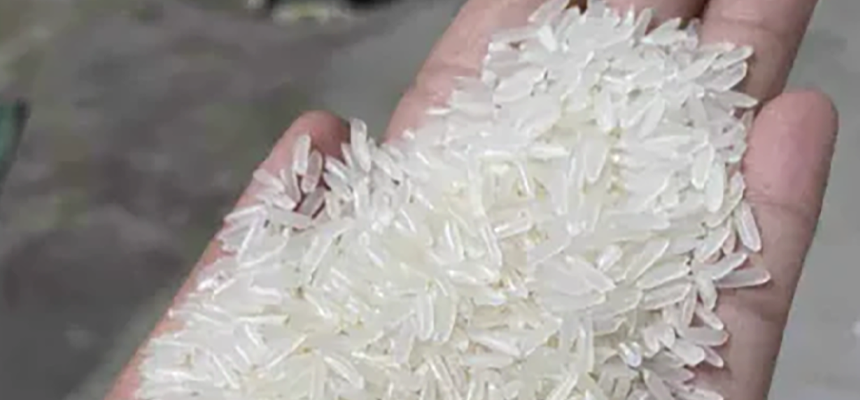
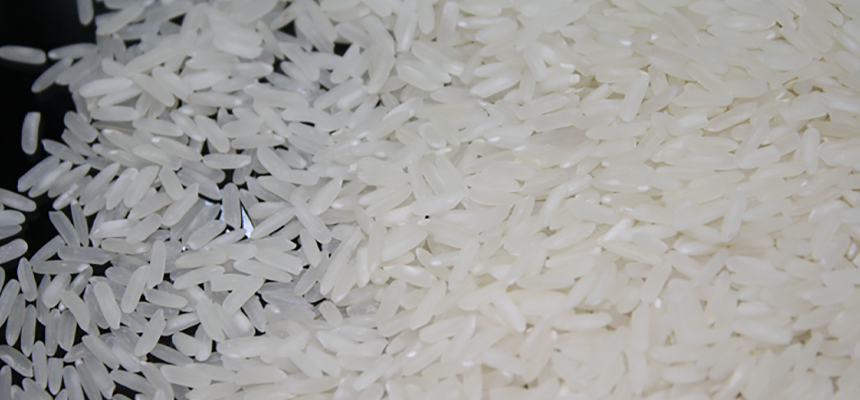
- Spread a handful of each on a dark plate in daylight. Look at length, whiteness, brokens and any yellow or chalky grains.
- Cook both in the same type of rice cooker, same water, same day.
- Smell the steam when you lift the lid. That first smell is what your customers notice.
- Taste warm, then again after an hour on keep-warm, and again cold the next day.
It takes an afternoon and tells you more than any spec sheet. We keep a sealed sample from the same lot at the mill, so what you approve is what we load.
Restaurants Want Something Different From Shops
Shops sell on the look of the bag and the smell when the customer opens it at home. Restaurants sell on how the rice behaves across a whole service. A Thai kitchen in Auckland might cook a big batch at five o’clock and serve from it until ten. They need rice that stays soft and fragrant and doesn’t dry out or clump.
That’s why some Thai Hom Mali rice importers New Zealand restaurants buy from ask for a slightly different lot for food service, sometimes a touch older crop that’s firmer and more forgiving in a warmer, sometimes the same new crop with cooking advice. Tell us who’s buying and we’ll suggest the right rice and the right water ratio to pass on.
What We Need From You to Quote
- Quantity, or how many bags of each size
- Your port
- Plain bags or private label
- Any spec tighter than standard
- When you need it on the shelf
With that, Thai Hom Mali rice importers New Zealand side usually get a dated offer from us the same day.
A Buyer Example
A family business in Wellington imported Hom Mali through a trader for years, and every few shipments the rice smelled weaker. When they moved to buying direct, the first thing they asked for was crop year on the contract. We shipped new crop Hom Mali in their own 10kg bag, plus 25kg bags for three Thai restaurants they supplied. The restaurants noticed within a week. Now they book their main Hom Mali order each year right after the new crop arrives, and top up every couple of months. That’s the pattern we’d suggest for most Thai Hom Mali rice importers New Zealand wide.
Planning a Steady Supply
For Thai Hom Mali rice importers New Zealand based, the smart way to buy is to follow the crop. Book a larger order after the new crop arrives, then smaller top-ups through the year, so customers always get fresh rice. With four to six weeks of transit, plan at least two months ahead of when you need stock.
How to Check a Supplier Before You Pay
Hom Mali attracts fake sellers, so check carefully. Ask to see the mill, in person or on a live video walk-through. Ask for company registration and export licence. Ask for references from other buyers. Ask for samples from the real lot and a sealed counter-sample at the mill. A genuine miller is happy with all of this. Thai Hom Mali rice importers New Zealand based who skip these steps are the ones who end up with rice that isn’t Hom Mali, or no rice at all. If a seller quotes far under the market and wants full payment first, that’s your answer. Good Thai Hom Mali rice importers New Zealand customers trust always know exactly where their rice comes from, and they can tell their own buyers too. That’s worth more than a few dollars a ton, and it’s the reason serious Thai Hom Mali rice importers New Zealand wide build long relationships with one mill rather than chasing the cheapest quote each season.
Frequently Asked Questions
Is your Hom Mali genuine Thai Hom Mali?
Yes. It’s milled from Hom Mali varieties grown in Thailand and meets the purity standard.
Can you print our brand?
Yes. Private label is standard.
Can you supply new crop?
Yes. We confirm crop year at booking.
Can I mix Hom Mali with other rice in one container?
Yes.
Do you supply organic jasmine rice?
Yes, see our organic jasmine rice page.
How long does shipping take to Auckland?
Usually three to five weeks.
Work With a Mill That Supplies Thai Hom Mali Rice Importers New Zealand Wide
Send us quantity, bag sizes and port. We’ll come back with a dated offer, crop year and samples. You can also read about us, browse our products, or see Thai rice importers New Zealand, Thai Hom Mali rice supplier Singapore and buy Thai jasmine rice in bulk.
De Thai Products 1989 Company Limited. Email info@dethairice.com, WhatsApp +66 81 034 6390, or use our contact page.
One thought on “Thai Hom Mali Rice Importers New Zealand: Trusted Mill Supply and 7 Proven Tips”