


Thai Hom Mali rice bulk orders are how most of our rice leaves Thailand: full containers of 92% purity Hom Mali, packed and loaded at the port and shipped to buyers around the world. If you’re moving from buying a few pallets locally to importing your own containers, this page walks through what a Thai Hom Mali rice container actually holds, how it’s loaded, what it costs to land, and how to order one from us.
We’ve kept it practical. It’s the kind of thing we’d explain to a new importer on a call.
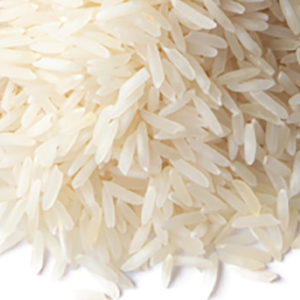
Table of Contents
What Thai Hom Mali Rice Bulk Supply Means
In the rice trade, “bulk” usually means container loads, not loose rice poured into a ship’s hold. Fragrant rice like Hom Mali is almost always shipped bagged, in containers, because it needs protecting from moisture and smells on the way.
So when you order Thai Hom Mali rice bulk supply from us, you’re buying:
- one or more 20 foot containers, each holding about 25 metric tons
- rice packed in the bags you choose, from 5kg retail bags up to one-ton jumbo bags
- one spec, one crop year and one set of documents per shipment
Most buyers start with one Thai Hom Mali rice container and build up from there.
The Rice in Every Container
Every Thai Hom Mali rice bulk order is milled and tested to this spec:
| Item | Specification |
|---|---|
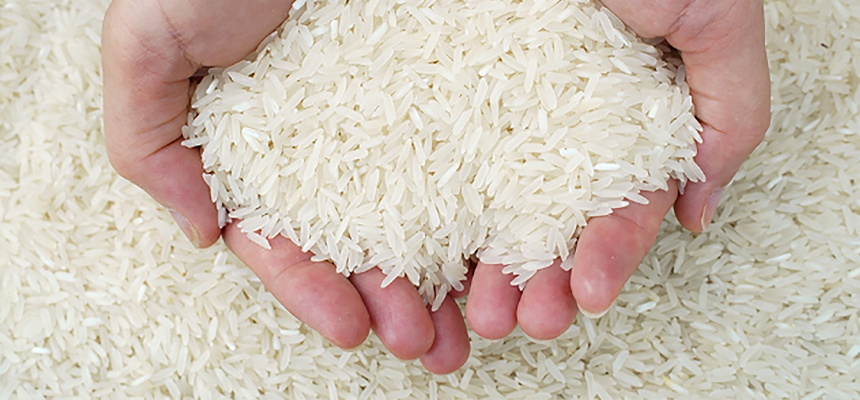
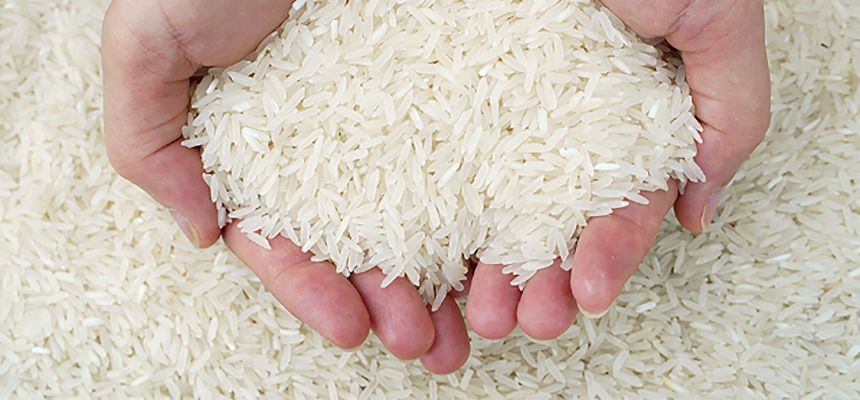
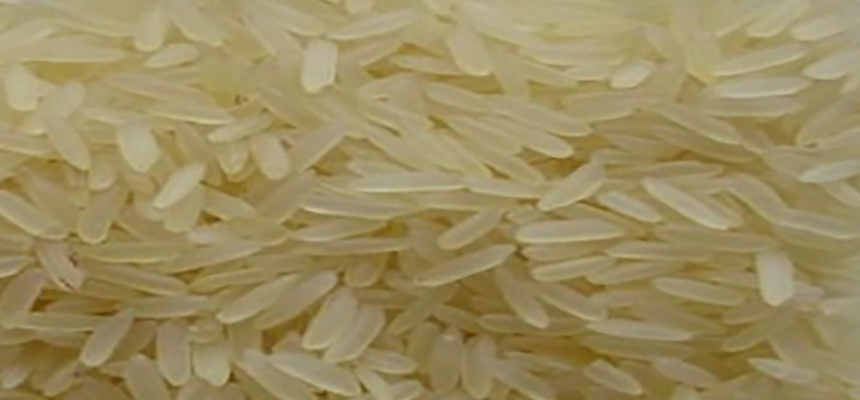
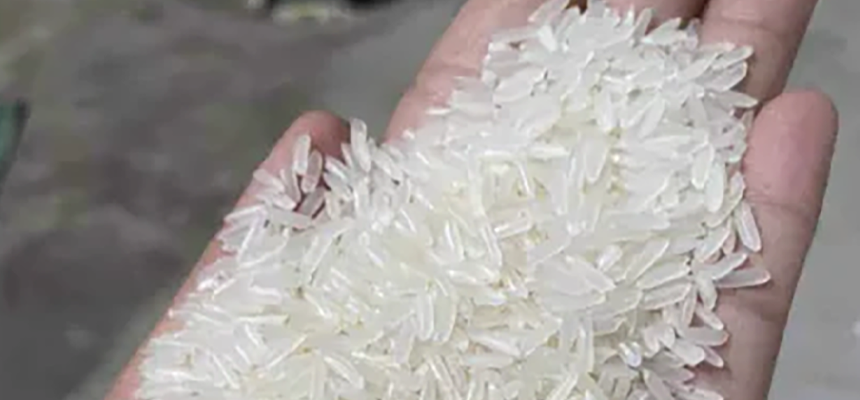
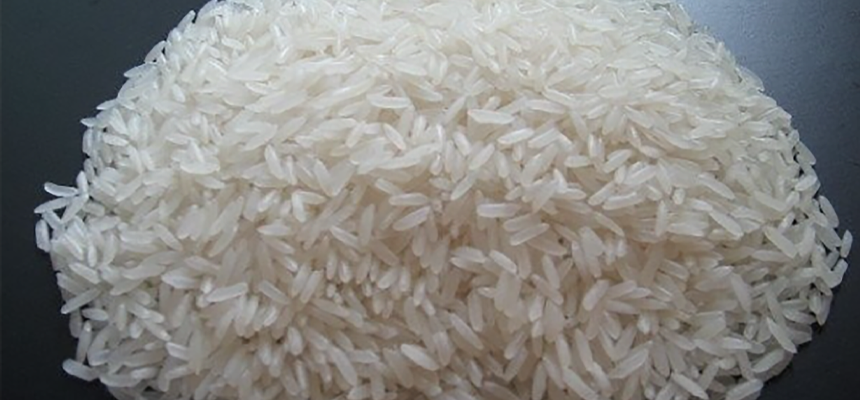
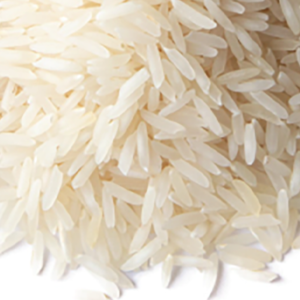
| Product | Thai Hom Mali rice 100% Grade A |
| Variety | KDML 105 / RD15 |
| Hom Mali purity | 92% minimum |
| Broken grains | 4.5% maximum |
| Moisture | 14% maximum |
| Chalky kernels | 6% maximum |
| Yellow kernels | 0.2% maximum |
| Admixture | 2% maximum |
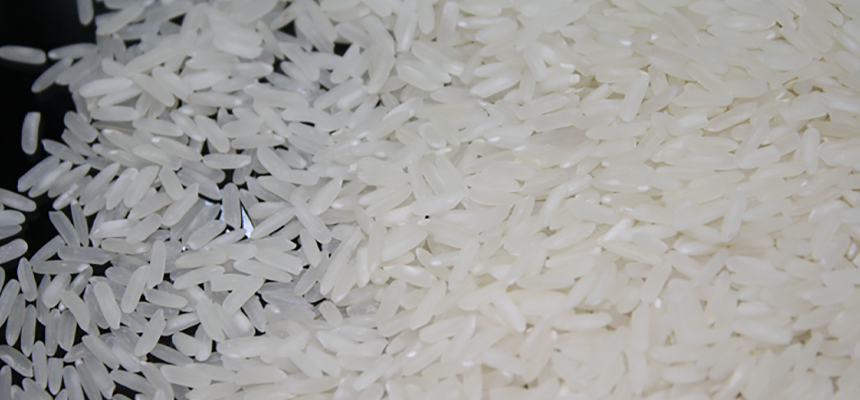
| Milling | Double polished, sortexed |
| Crop year | Current season, stated in the contract |
| Packing | 5kg, 10kg, 25kg, 50kg PP bags, one-ton jumbo bags, private label |
| Shelf life | 12 to 24 months from milling if stored properly |
You can see the product itself on our Thai Hom Mali rice page, and read more on the grade in our guide to Thai Hom Mali rice 100% Grade A.
If your market is more price sensitive, we can load a Thai Hom Mali rice container with a food service grade that allows more broken grains.
How Much Fits in a Thai Hom Mali Rice Container
Rice is dense. Containers reach their weight limit long before they’re full, so it’s weight, not space, that decides the load.
| Container | Packing | Approximate load |
|---|---|---|
| 20 foot | 50kg PP bags, about 500 bags | 25 metric tons |
| 20 foot | 25kg PP bags, about 1,000 bags | 25 metric tons |
| 20 foot | 5kg or 10kg bags in master bags or cartons | 20 to 23 metric tons |
| 20 foot | One-ton jumbo bags | about 20 to 24 metric tons |
| 40 foot | Any bag size | usually 25 to 27 metric tons, because of weight limits |
That’s why most Thai Hom Mali rice bulk buyers use 20 foot containers. A 40 foot box costs more to ship but can’t legally carry much more rice on most roads. The exact limit depends on the shipping line and the road rules at your port, and we’ll confirm it when we quote.
Small retail bags take more space per ton, so the load drops a little. Jumbo bags don’t stack as tightly as small sacks, so they can also carry slightly less.
Bagged Bulk vs Jumbo Bags
For most Thai Hom Mali rice bulk buyers, the choice is between standard 25kg or 50kg sacks and one-ton jumbo bags.
25kg and 50kg bags are easy to handle by hand, easy to sell on to restaurants and wholesalers, and don’t need special equipment. Most buyers use them. Our guide to Thai Hom Mali rice 25kg and 50kg bags covers them in detail.
Jumbo bags, also called FIBCs or big bags, hold about a ton each. They suit repacking plants with forklifts and hoppers. Fewer bags means less labor at both ends, but you need the right equipment to unload them.
If you’re not sure which suits your warehouse, tell us how you unload and store rice and we’ll suggest one.
How a Container Is Loaded
Here’s what happens at our end once your Thai Hom Mali rice container is booked.
- Milling and packing. Your rice is milled, tested and bagged. This usually takes one to two weeks for standard bags.
- Empty container check. We inspect the container before loading and reject any that are damaged, dirty, wet or smelly.
- Lining. The walls and floor are lined with kraft paper or cardboard to keep bags off bare steel.
- Loading. Bags are stacked by hand or conveyor, tightly and evenly, to use the weight allowance well.
- Desiccants. Moisture-absorbing bags are hung inside to help prevent condensation.
- Surveyor. An independent inspector draws samples, checks weight and bag count, and watches the loading.
- Fumigation and sealing. The container is fumigated according to your country’s rules and sealed.
- Trucking to port. The container goes to Bangkok or Laem Chabang for the vessel.
Every step is written up, so if there’s ever a question about your Thai Hom Mali rice bulk shipment, we can show you what happened and when.
Why Containers Need Extra Care for Rice
The biggest risk to a Thai Hom Mali rice container isn’t theft or damage. It’s moisture.
A sealed steel box on a ship heats up in the day and cools at night. Warm, damp air inside condenses on the cold roof and walls and drips onto the bags. People in the trade call it container rain. It can cause mold and caking, and a whole load can be rejected.
We reduce that risk by packing rice at 14% moisture or less, using strong bags with PE liners when the route calls for it, lining the container, and hanging desiccant bags. On long routes through the tropics, these steps matter a lot.
Thai Hom Mali Rice Bulk Order Timeline
A typical Thai Hom Mali rice bulk order runs like this:
| Step | Usual time |
|---|---|
| Quote, sample and contract | 1 to 2 weeks |
| Deposit or LC received | depends on your bank |
| Milling and packing, standard bags | 1 to 2 weeks |
| New printed bags, first order only | 2 to 3 extra weeks |
| Loading, inspection, fumigation | a few days |
| Sea freight | 1 to 6 weeks depending on your port |
| Customs clearance at your end | a few days, depending on your country |
For regular buyers on a standing order, the first two steps drop away and containers can leave on a steady schedule.
Shipping Terms
We quote Thai Hom Mali rice bulk orders on standard Incoterms:
- FOB Bangkok or Laem Chabang. We load the container onto the ship. You book and pay the freight. Good if you have your own forwarder.
- CFR. We book and pay the freight to your port. You arrange insurance.
- CIF. We book the freight and the insurance. The simplest option for new importers.
When comparing quotes from different suppliers, make sure they’re on the same term. A CIF price for a Thai Hom Mali rice container will always look higher than an FOB price, but it includes the freight.
Working Out Your Landed Cost
The price per ton is just the start. To know what a Thai Hom Mali rice container really costs you, add up:
- The rice price per ton times the tons in the container
- Sea freight and insurance, if you bought FOB
- Import duty and taxes in your country
- Port charges, handling and any inspection fees at your end
- Customs broker fees
- Trucking from the port to your warehouse
- Storage and finance costs until the rice is sold
Divide the total by the tons you’ll actually sell, and that’s your landed cost per ton. Our guide to Thai Hom Mali rice price per ton explains how the rice price itself is built.
Documents for Each Container
Every Thai Hom Mali rice bulk shipment comes with:
- Commercial invoice and packing list
- Bill of lading
- Certificate of origin, including preferential forms where your country has a trade deal with Thailand
- Phytosanitary certificate issued under IPPC rules
- Fumigation certificate
- Quality and weight certificate from an independent surveyor
- Thai Hom Mali certificate from the Department of Foreign Trade
We send draft copies first so you can check names, addresses and wording before the originals are issued. One wrong letter in the consignee name can hold a container at customs.
Payment for Thai Hom Mali Rice Bulk Orders
For Thai Hom Mali rice bulk orders we accept:
- LC at sight, which protects both sides and is common for first orders
- TT with a deposit, usually 30% at order and 70% against a copy of the bill of lading
- Cash against documents for established buyers
We won’t ask a new buyer to pay the full amount before the rice is loaded and documented.
One Container or Many?
For a first Thai Hom Mali rice container, one 20 foot box is usually right. It’s enough to test the rice in your market, learn your import process and see how quickly it sells.
Once you know your volumes, a supply contract makes sense. You agree a number of containers over a period, a spec, a bag plan and price review dates. We plan paddy buying and bag printing around it. Regular Thai Hom Mali rice bulk buyers usually get better pricing and smoother deliveries this way. More on longer term buying is in our Thai Hom Mali rice wholesale guide.
Mixed Containers
You don’t have to fill a container with one product. Mixed loads are common, for example:
- Hom Mali in 25kg bags plus Hom Mali in 5kg retail bags
- Hom Mali plus Pathumthani fragrant rice for a cheaper line
- Hom Mali plus Thai glutinous rice for Thai and Lao restaurants
- Hom Mali plus organic jasmine rice for health food shops
Each product is packed and labeled separately and listed on the packing list, so customs and your warehouse know exactly what’s where. The full range is on our products page.
How Volume Affects Thai Hom Mali Rice Bulk Pricing
Buying more usually costs less per ton, but not because of a simple discount table. Here’s where the savings come from on Thai Hom Mali rice bulk orders:
- Paddy planning. When we know you’ll take ten containers over six months, we can buy paddy at the right time instead of chasing it at short notice.
- Bag printing. Printing plates and setup costs are spread across more bags.
- Freight. Regular bookings often get better rates from shipping lines.
- Admin. One contract with scheduled shipments is less work on both sides than ten separate deals.
The rice price itself still follows the market, so a contract usually has agreed price review dates. But the costs around the rice come down, and that’s where regular Thai Hom Mali rice bulk buyers save. Hom Mali has traded well above other fragrant rice this year. The Nation reported Thai Hom Mali at around US$1,200 to US$1,250 a ton, which is why planning your buying matters.
When to Book
Hom Mali is harvested once a year, from about November to January. For Thai Hom Mali rice bulk buying, that shapes the calendar.
- January to May is when new crop rice is freshest and most annual contracts are signed.
- June to October can see prices firm up as paddy stocks shrink.
- Peak seasons like Chinese New Year, Ramadan and the year-end holidays push demand and freight rates up, so book two to three months ahead.
If you want to track the market yourself, the Thai Rice Exporters Association publishes weekly reference prices.
Unloading and Storage
When the container arrives, unload it promptly. Rice left sitting in a hot, sealed box at a port for days is at risk of condensation. Port storage charges add up too.
Once unloaded:
- Stack bags on pallets, not on bare concrete
- Leave space between stacks and walls for air
- Keep the warehouse cool, dry and clean
- Keep rice away from fuel, chemicals and strong smells
- Sell oldest stock first
The aroma of Hom Mali comes mainly from a natural compound called 2-acetyl-1-pyrroline, which fades faster in heat. A cool warehouse is the best way to protect what you paid for.
Checking a New Container
Before you sell from a new Thai Hom Mali rice container:
- Check the seal number matches the bill of lading.
- Look for any sign of water inside when the doors open.
- Count bags against the packing list.
- Weigh a random selection of bags.
- Open a few bags from different parts of the load and compare with your sample.
- Cook a pot and smell it.
Take photos as you go. If there’s a problem, tell us straight away with the surveyor’s certificate to hand.
Where Our Bulk Rice Comes From
Thai Hom Mali is Thailand’s fragrant long grain rice, known abroad as jasmine rice. It’s made from the KDML 105 and RD15 varieties and, under the Thai standard, has to be at least 92% Hom Mali to be sold under that name.
We buy the paddy for our Thai Hom Mali rice bulk orders in the northeast of Thailand: Surin, Roi Et, Buriram, Sisaket, Yasothon and Ubon Ratchathani. Some of it comes from the Thung Kula Rong Hai plain, where the sandy, slightly salty soil grows some of the most fragrant Hom Mali in the country.
Hom Mali is harvested once a year, from about November to January. For a buyer taking several containers a year, that means the rice in your spring containers and your autumn containers comes from the same harvest, just stored for different lengths of time. We manage that storage carefully so the aroma holds up. Read more about the variety in our guide to Hom Mali 105 rice (KDML 105).
Who Buys Thai Hom Mali Rice Bulk From Us
Thai Hom Mali rice bulk buyers fall into a few groups:
- Importers and distributors supplying restaurants, shops and wholesalers in their own country
- Supermarket chains bringing in own brand rice by the container
- Repacking plants buying 50kg or jumbo bags to pack into small retail bags
- Food manufacturers using Hom Mali in ready meals and frozen dishes
- Trading companies supplying several markets from one hub
Each needs something slightly different in bag size, labeling and documents. The rice stays the same.
Import Rules to Check Before Your First Container
We handle the Thai side of every Thai Hom Mali rice bulk shipment. Your side depends on your country. Before your first container, check with your customs broker or food authority:
- Do you need an import license or permit for rice?
- Is there a quota, a tender system or a set import window?
- What duty and taxes apply, and is there a lower rate for Thai rice under a trade agreement?
- Are there residue limits that need lab reports?
- What must be printed on each bag, and in which language?
- Is a halal, health or other certificate required?
- Do documents need legalizing by your embassy?
Send us the answers and we’ll match our documents to them.
Mistakes on a First Container
These are the ones that catch new importers most often:
- Not checking the import permit first. A container that arrives without one can sit at the port racking up charges.
- Comparing FOB with CIF prices. Always compare on the same term.
- Ignoring port and trucking costs. They can add more than people expect to the landed cost.
- Choosing the wrong bag size. If your customers want 25kg bags, don’t import 50kg and plan to repack.
- Skipping the surveyor. An independent inspection at loading is cheap protection.
- Paying in full up front. A real exporter will accept LC or a deposit.
- Leaving the container at the port too long. Demurrage and heat both cost you.
Avoid those, and a first Thai Hom Mali rice bulk order is usually straightforward.
What You Can Expect From Us
On every Thai Hom Mali rice bulk order you get:
- The spec and crop year written into the contract
- A sample from current stock before you commit
- A clean, lined, inspected container with desiccants
- An independent surveyor at loading
- Draft documents to check before the originals
- A retained sample from your lot
- Quick answers by email or WhatsApp
If something goes wrong, we deal with it. That’s how we want to earn your next Thai Hom Mali rice container, and the one after that.
Bulk Orders for Distribution Hubs
Some of our buyers import one container and sell it all in one city. Others bring Thai Hom Mali rice bulk shipments into a central hub, like a free trade zone or a regional port, and then send smaller loads on to neighboring countries. If you work that way, tell us early. We can print bags with the languages and label details each market needs, split documents where it helps, and plan loading so that rice for different end markets is easy to separate when the container is opened. A little planning at our end can save a lot of work at yours.
Frequently Asked Questions
What is the minimum Thai Hom Mali rice bulk order?
One 20 foot container, about 25 metric tons.
Can I split a container between bag sizes?
Yes. Mixed bag sizes and mixed products are both possible.
Do you ship in 40 foot containers?
We can, but weight limits mean a 40 foot container usually carries only a little more rice than a 20 foot one, so most buyers use 20 foot.
Which ports do you ship from?
Bangkok and Laem Chabang.
Do you ship worldwide?
Yes. We ship to Asia, the Middle East, Europe, Africa, the Americas and Oceania.
More answers are on our FAQ page. You can also read about us and see our quality control process.
Related Guides
- Working with a Thai Hom Mali rice exporter
- Private label Thai Hom Mali rice
- Thai Hom Mali vs jasmine rice
Order a Thai Hom Mali Rice Container
Tell us how many containers, which bag sizes, your destination port and the shipping term you prefer. We’ll reply with a Thai Hom Mali rice bulk price, the spec sheet, a document list for your country and a sample offer.
Email info@dethairice.com or WhatsApp +66 81 034 6390, or use our contact page.
We ship Thai Hom Mali rice bulk orders worldwide.
3 thoughts on “Thai Hom Mali Rice Bulk and Container Supply: Best Offer”