


If you are new to buying rice from Thailand, the grade list can look like a code. 100% Grade A, 5%, 10%, 15%, 25%, A1 Super, sortexed, Hom Mali, Pathumthani. Thai white rice grades explained simply comes down to a few ideas: how many grains are broken, how clean the rice is, and which variety it comes from. Once you know those, any offer sheet makes sense.
We are De Thai Products 1989 Company Limited, a Thai rice miller and exporter. We sell every major Thai white rice grade, from the cleanest whole grain rice down to 100% broken, in bulk and retail bags, to buyers worldwide. This guide is Thai white rice grades explained by people who grade it every day. Specs and buying advice are included for each grade we sell.
Table of Contents
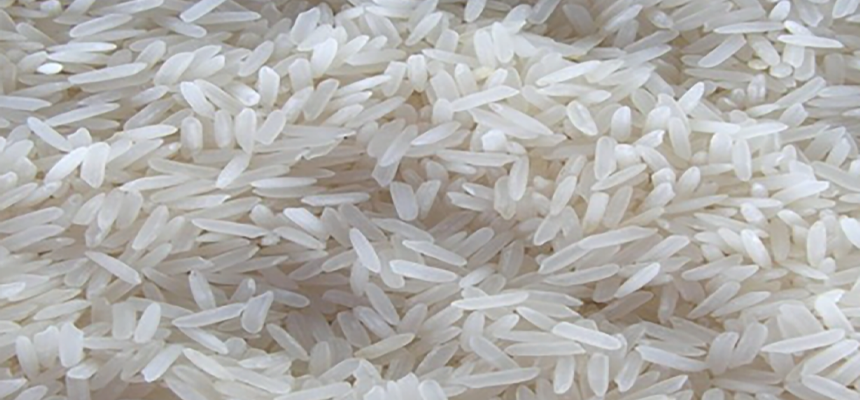
Thai White Rice Grades Explained in One Minute
Here is the whole system on one page.
| Grade | Broken grains | What it looks like | Typical buyer |
|---|---|---|---|
| 100% Grade A / B | Around 4% or less | Almost all whole grains | Premium retail |
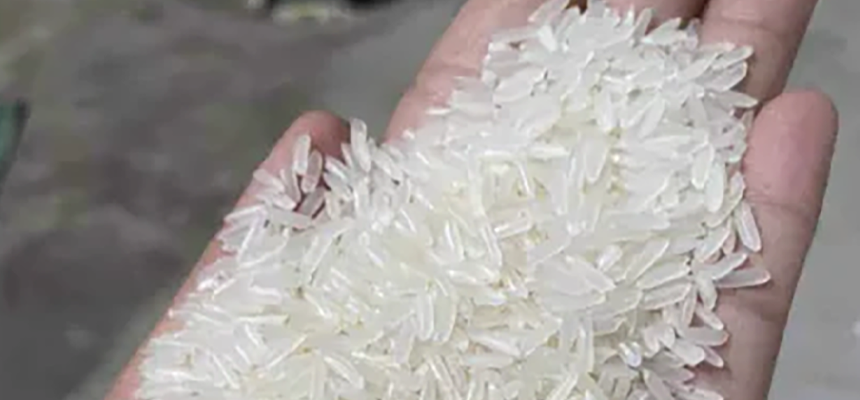
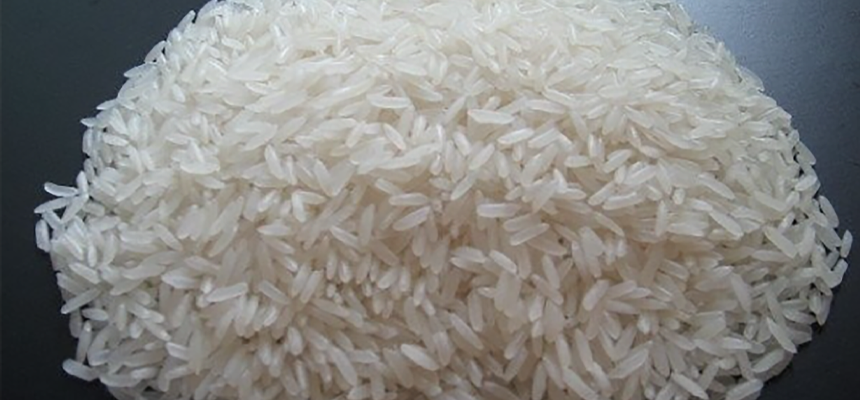
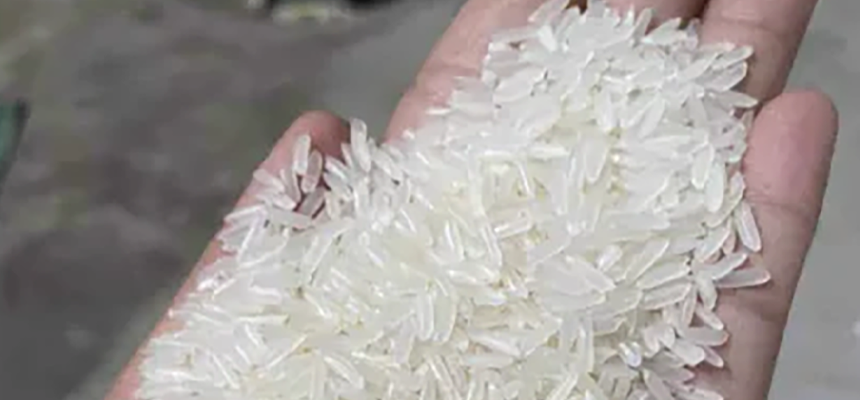
| 5% broken | 5% max | Very clean, long grains | Supermarkets, restaurants, quality wholesale |
| 10% broken | 10% max | Mostly whole, some short pieces | Wholesale, catering |
| 15% broken | 15% max | Noticeably mixed | Wholesale, institutional |
| 25% broken | 25% max | Clearly mixed lengths | Price sensitive markets, aid, institutions |
| A1 Super / 100% broken | Almost all broken | Small pieces only | Food processing, brewing, feed |
Prices drop as you go down the table. Eating quality changes less than people expect. Most of the difference is appearance and grain length.
Who Sets the Grades
Thailand has an official rice standard set by the Ministry of Commerce, which defines rice classes, grain lengths, broken sizes and defect limits. Exporters grade rice against it, and inspection companies check against it at loading. Our rice standard page covers the official definitions. For international context, the Codex Alimentarius also has a general standard for rice that many importing countries refer to.
What matters for buyers is that Thai white rice grades explained on an offer sheet are not marketing words. Each one has measurable limits you can write into a contract and check.
Thai White Rice Grades Explained Through Six Factors
Broken percentage
This is the number in the grade name. It is the maximum share by weight of broken grains in the rice. A grain counts as broken when it is shorter than a set part of a whole grain. Our post on what 5% broken rice means explains the measurement.
Grain length and class
Thai white rice is mostly long grain. The standard sorts rice into classes by length. Long grain export rice usually measures above 7 mm whole. Some lower grades allow medium grain to be mixed in.
Moisture
Usually 14% maximum. Lower moisture stores better. Many of our lots run 12 to 14%.
Purity and admixture
How much of the rice is the stated type, and how much other rice is mixed in. Very important for fragrant rice.
Defects
Limits on damaged, yellow, chalky, red streaked and immature grains, plus foreign matter like stones and husk.
Milling degree
How much bran is polished off. Export white rice is usually well milled or extra well milled.
Thai White Rice Grades Explained One by One
Here is each grade we sell, with our standard spec.
White rice 5% broken
Our most popular white grade. Long, clean, even grains that look good in any pack.
| Spec | Value |
|---|---|
| Broken grains | 5% max |
| Moisture | 12 to 14% max |
| Purity | 95% min |
| Foreign matter | 0.1% max |
| Damaged grains | 1% max |
| Grain | Long grain, well milled |
| Packing | 1kg to 50kg, jumbo bags |
See white rice 5% broken and the full Thai white rice 5% broken specification.
White rice 10% broken
Most of the look of 5% at a lower price. A favourite with wholesalers and caterers.
| Spec | Value |
|---|---|
| Broken grains | 10% max |
| Moisture | 12 to 14% max |
| Purity | 95% min |
| Foreign matter | 0.1% max |
| Damaged grains | 1% max |
| Chalky grains | 2% max |
| Grain | Long or medium grain |
White rice 15% broken
A step between 10% and 25%. Less common, but useful for some tenders and markets. Spec details are in our Thai white rice 15% broken specification post.
White rice 25% broken
A low cost white rice for everyday cooking in large volumes.
| Spec | Value |
|---|---|
| Broken grains | 25% max |
| Moisture | 14% max |
| Foreign matter | 0.5% max |
| Damaged and discolored | 2% max |
| Grain | Long and medium grain |
See white rice 25% broken, and our comparison of 5% vs 25% broken rice if you are choosing between the two.
Thai white rice 100% broken and A1 Super
All broken grains. Sold to rice flour mills, noodle and snack makers, breweries and feed producers, and in some markets for cooking. See Thai white rice 100% broken.
Sortexed white rice
Sortexing is not a broken grade. It is an extra cleaning step with optical sorters that remove yellow, chalky, black and damaged grains. We sell 100% sortexed white rice at 5%, 10%, 15% and 25% broken. Read what sortexed rice is for more.
Where Fragrant and Parboiled Rice Fit
Thai white rice grades explained properly should mention the rice that sits beside them on every price list.
- Thai Hom Mali rice is premium fragrant white rice with at least 92% purity of Hom Mali varieties.
- Thai jasmine and Pathumthani fragrant rice is fragrant white rice at a lower price.
- Thai parboiled rice is steamed in the husk before milling, so it is yellowish, firmer and has its own broken grades from 5% to 100%.
- Thai glutinous rice is sticky rice, graded separately.
Fragrant and parboiled rice use the same broken percentage logic as plain white rice. A “jasmine 5%” offer means fragrant rice with 5% broken maximum.
How Price Follows the Grade
Once you have Thai white rice grades explained, price is easy to follow. The rule is simple. Fewer broken grains, cleaner rice, higher price. Fragrant varieties sit above non-fragrant ones. Within plain white rice, the order from most to least expensive is roughly 100% Grade A, then 5%, then 10%, 15%, 25%, and finally 100% broken.
The gaps between grades are not fixed. They widen and narrow with crop size, demand for broken rice from processors, and what competing origins are offering. For current numbers, see our Thai white rice 5% broken price per ton and 25% broken price per ton posts. The Thai Rice Exporters Association publishes weekly reference prices for the main grades too.
Choosing the Right Grade
Thai white rice grades explained is only useful if it helps you pick. Here is how our buyers usually decide.
- Selling in clear retail packs? Choose 5% broken or sortexed.
- Selling 25kg and 50kg sacks to shops and restaurants? 5% or 10% broken.
- Feeding institutions, schools or aid programs? 25% broken often gives the best value.
- Making flour, noodles or beer? 100% broken.
- Selling to Asian communities or premium shelves? Add jasmine or Hom Mali.
Not sure? Order a split container with two grades and let your customers vote with their money.
How We Grade at Our Mill
When people ask for Thai white rice grades explained in practice, this is what it looks like on our floor.
- Paddy is checked for variety and moisture on arrival.
- It is dried, husked and milled to the right whiteness.
- Graders separate whole and broken grains by size.
- Color sorters remove defects.
- Whole and broken streams are blended back to the grade ordered.
- Lab samples are tested for broken content, moisture and defects.
- Rice is bagged, weighed and stored dry until loading.
Our quality control page has more detail. Independent surveyors like SGS can check any lot before loading.
How to Read an Offer Sheet
This is where Thai white rice grades explained turns into money saved. A proper offer for any Thai white rice grade should show:
- Grade name and broken percentage.
- Moisture, purity, foreign matter, damaged, chalky and red streaked grain limits.
- Crop year.
- Milling degree.
- Packing type and net weight per bag.
- Price basis: FOB, CFR or CIF, and the port. The ICC Incoterms rules define these terms.
- Validity date.
If an offer only says “white rice, good quality, cheap price”, ask for the full spec. A serious seller sends it immediately.
Packing Options for All Grades
We pack every white rice grade in 1kg, 2kg and 5kg retail bags, 10kg, 25kg and 50kg PP or BOPP wholesale bags, and jumbo bags. Private label printing is available on all of them. Minimum order is one 20ft container, about 25 tons in 50kg bags, and you can mix grades. See how many tons of rice fit in a 20ft container for loading details.
7 Proven Tips for Buying by Grade
Having Thai white rice grades explained is step one. These tips are step two.
1. Learn the five numbers
Broken percentage, moisture, purity, foreign matter and damaged grains. With those, you can compare any two offers.
2. Do not buy a grade better than you can sell
Paying for 5% when your customers buy 25% is lost money.
3. Always get a sample
Check broken content with a simple 100 gram test at home.
4. Write the grade into the contract
Every spec line, plus the crop year.
5. Use an inspection company
Agree before shipment on who inspects at loading.
6. Think about sortexing
A sortexed lower grade can look better than an unsorted higher grade.
7. Buy from the mill
A mill controls the grading directly. Our post on Thai rice mill direct supply explains why that helps.
A Story From a First-Time Buyer
A new importer in the Caribbean asked us for “the best Thai rice at the cheapest price”. We sent him Thai white rice grades explained on one page, the same table you saw at the top of this post, with samples of 5%, 10% and 25% broken. He cooked all three with his family and some shop owners. They picked 10% for everyday sacks and 5% for 5kg retail bags. His first container was a split of both. He told us later the table saved him from ordering 100% Grade A, which his market would never have paid for.
Common Grade Mix-Ups
Even buyers who have read Thai white rice grades explained a dozen times slip on these.
- Confusing 100% Grade A with 100% broken. Opposite ends of the scale. One is nearly all whole grain, the other all broken.
- Thinking sortexed means 0% broken. Sortexing removes defects, not broken grains.
- Assuming jasmine is a grade. It is a variety. Jasmine also comes in broken grades.
- Ignoring moisture. A perfect broken figure means little if moisture is too high for your climate.
Thai White Rice Grades Explained by Use
Another way to look at the grades is by what the rice ends up doing.
Plain steamed rice on a plate
This is where grain length shows most. 5% broken or better gives long, separate grains. Restaurants and households that eat rice plain every day notice the difference.
Rice cooked into dishes
Jollof, pilaf, rice and beans, curries, stews and soups. Broken grains disappear into the dish. 10% or 25% broken work well and cost less.
Fried rice and porridge
Fried rice works with almost any grade. Porridge and congee actually cook faster with more broken grains, so 25% or even 100% broken is a smart choice.
Processing
Rice flour, rice noodles, crackers, baby food and brewing need clean rice, not whole grains. 100% broken is the standard choice here.
Having Thai white rice grades explained this way often saves buyers money. A noodle factory has no reason to pay for 5% broken. A premium retail brand has every reason to.
Thai White Rice Grades Explained Through Crop Seasons
Grades stay the same all year, but rice does not. Thailand has a main crop harvested late in the year and a second crop harvested in the dry season, mostly in the Central Plains. New crop rice is softer and whiter. Older stock is a little firmer and can yellow slightly with time.
None of that changes the broken percentage, but it can change how the rice cooks and looks. Write the crop year into your contract, especially for fragrant rice. Our post on the Thai rice harvest season explains the calendar.
What Inspectors Check at Loading
When a surveyor tests a lot against the contract, they draw samples from many bags and check:
- Broken percentage, using sieves and grain length measurement.
- Moisture with a calibrated meter.
- Whole kernels, head rice and small brokens.
- Damaged, yellow, chalky and red streaked grains.
- Foreign matter, paddy grains and other seeds.
- Bag weight and count.
- Container condition before loading.
The result is a certificate of quality and weight that travels with your documents. This is Thai white rice grades explained in its most practical form: numbers on paper that match the rice in the container.
Why Grades Drift and How to Prevent It
Sometimes a buyer orders 5% broken and the rice tests at 5.4% on arrival. Usually nobody cheated. Grains broke in handling, or the sampling method at destination differs from the one at loading. A few habits keep surprises small:
- Agree on one inspection company and one method before shipping.
- Use strong bags and careful loading.
- Keep retained samples from loading, sealed by the surveyor.
- Allow a small tolerance in the contract where your market accepts it.
When there is a real gap, a mill that graded the rice itself can check its retained samples and settle quickly. That is much harder through a chain of traders.
Thai White Rice Grades Explained for Tenders and Aid
Government tenders and food aid programs write the grade into the tender documents, often in great detail. Common requests are 5%, 10%, 15% or 25% broken long grain white rice, sometimes parboiled, with strict limits on moisture, defects and infestation, plus fortification or special marking on the bags.
For tender buyers, having Thai white rice grades explained in the same terms the tender uses is essential. A small mismatch, like a chalky grain limit of 3% when the tender says 2%, can disqualify a bid. We read the tender spec line by line and confirm before quoting whether we can meet each point. Where we can, we grade the rice to that spec and arrange inspection by the agency’s chosen surveyor.
Volumes in tenders are often large, many thousands of tons across several shipments. Mills with their own grading lines can plan that volume more reliably than traders buying lot by lot. You can read more in our posts on rice supply for government tenders and food aid programs. In both, Thai white rice grades explained clearly at the start saves weeks of back and forth later.
A Quick Glossary
To finish having Thai white rice grades explained, here are terms you will see on spec sheets:
- Head rice: whole or nearly whole grains.
- Brokens: pieces shorter than the head rice limit.
- Small brokens or C1: very small pieces that pass through a fine sieve.
- Chalky grains: grains with white, opaque areas.
- Red streaked: grains with bran streaks left after milling.
- Admixture: rice of another type mixed in.
- Well milled: most bran removed, clean white color.
- Sortexed: cleaned by optical color sorting.
Thai Grades vs Other Origins
Vietnam, India, Pakistan and Myanmar also sell white rice by broken percentage, so a “5% broken” exists from each. The grades line up on paper, but variety, milling and defect limits differ. Thai white rice usually commands a premium for consistent long grain quality and appearance. Our posts on Thai rice vs Vietnamese rice and Thai white rice vs Indian 5% broken rice compare them in detail. That is one more reason to have Thai white rice grades explained clearly before you compare offers from different countries.
Frequently Asked Questions
What is the highest Thai white rice grade?
100% Grade A, with almost no broken grains. For most buyers, 5% broken is the practical top grade.
What is the most popular grade?
5% broken white rice is the most widely traded Thai white grade.
Is a lower grade unsafe?
No. All these grades are food quality. Lower grades simply have more broken grains.
Can you make a custom grade?
Yes. We can blend to a specific broken percentage, moisture or whiteness on request.
Do you sell all grades?
Yes, from 5% broken to 100% broken, plus sortexed, fragrant and parboiled rice.
Where can I learn more?
Our FAQ page and blog cover most buyer questions.
Get Specs and Prices for Any Grade
Now that you have Thai white rice grades explained, the next step is a real offer. Tell us which grades interest you, your quantity, bag size and destination port. We will send dated prices, full spec sheets and samples of each grade.
De Thai Products 1989 Company Limited. Email info@dethairice.com, WhatsApp +66 81 034 6390, or use our contact page. Read more about us or see all our products.
One thought on “Thai White Rice Grades Explained: Honest Spec Guide and 7 Proven Tips”