The 5% vs 25% broken rice decision is one of the most common choices an importer makes, and one of the most misunderstood. Both grades come from the same paddy and the same mill. Both cook into ordinary white rice. Yet one costs noticeably more per ton, and picking the wrong one either wastes money or loses customers.
We are De Thai Products 1989 Company Limited, a rice miller and exporter in Thailand. We sell both sides of the 5% vs 25% broken rice question as standard export grades, in 5kg to 50kg bags and jumbo bags, to buyers worldwide. This page explains what the numbers mean, how the two grades really differ, what each costs and who should buy which. Specs are included so you can compare them against any offer you have.
Table of Contents
5% vs 25% Broken Rice: What the Numbers Mean
When rice is milled, the husk and bran are taken off and the grain is polished. Some grains snap during that process. It does not matter how careful the mill is. A share of the rice always breaks.
The percentage on the grade tells you the maximum share of broken grains allowed in the bag. So with 5% vs 25% broken rice:
- 5% broken means at most 5 out of every 100 grains, by weight, are broken pieces. The rest are whole or nearly whole.
- 25% broken means up to 25 out of every 100 grains can be broken.
In Thai grading, a “broken” grain is generally a piece shorter than a set fraction of a whole grain. Our post on what 5% broken rice means explains the measuring rules in detail.
The important thing is this. Broken grains are not bad rice. They are the same rice, the same variety, the same nutrition. They are just shorter.
5% vs 25% Broken Rice Side by Side
These are the standard specs we ship for each grade.
| Spec | White rice 5% broken | White rice 25% broken |
|---|---|---|
| Origin | Thailand | Thailand |
| Grain type | Long grain, milled white | Long and medium grain, milled white |
| Broken grains | 5% max | 25% max |
| Moisture | 12 to 14% max | 14% max |
| Purity | 95% min | Standard trade level |
| Foreign matter | 0.1% max | 0.5% max |
| Damaged and discolored | 1% max | 2% max |
| Milling | Well milled, polished | Well milled, polished |
| Crop | Current season | Current season |
| Price level | Higher | Lower |
| Packing | 1kg to 50kg, jumbo | 5kg to 50kg, jumbo |
You can see the full product pages here: white rice 5% broken and white rice 25% broken.
How the Two Grades Are Made
People often think 25% broken rice comes from a lower quality crop. Usually it does not. In a Thai mill, the same milled rice runs through graders that separate whole grains from broken ones. The mill then blends whole and broken rice back together to hit the grade a buyer has ordered.
For 5% broken, most of the broken pieces are taken out. For 25% broken, more of them are left in. The broken pieces removed from 5% rice do not go to waste. They get sold as 25% broken, 100% broken, or used for rice flour and other products.
That is the heart of the 5% vs 25% broken rice price gap. It costs more grading time and more whole grain to make a 5% lot. The 25% lot uses more of what the mill produces anyway.
How Each One Looks and Cooks
In the bag
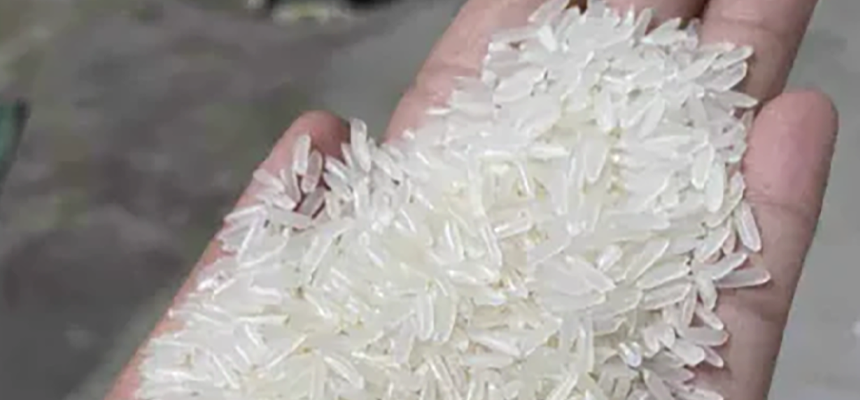
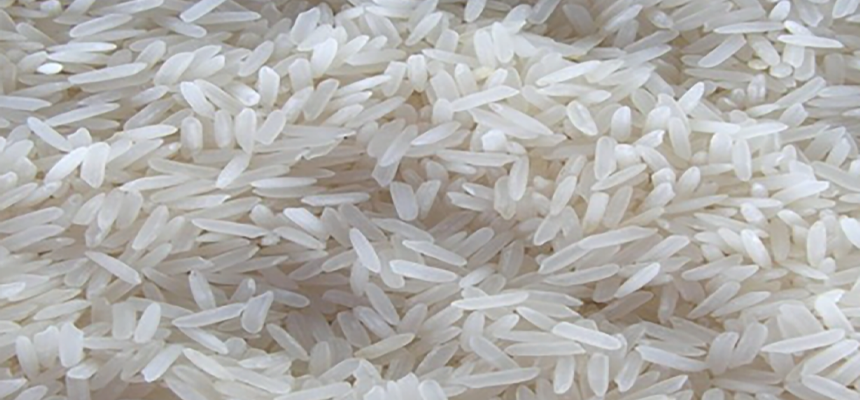
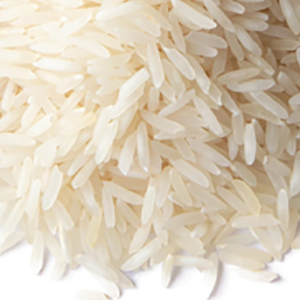
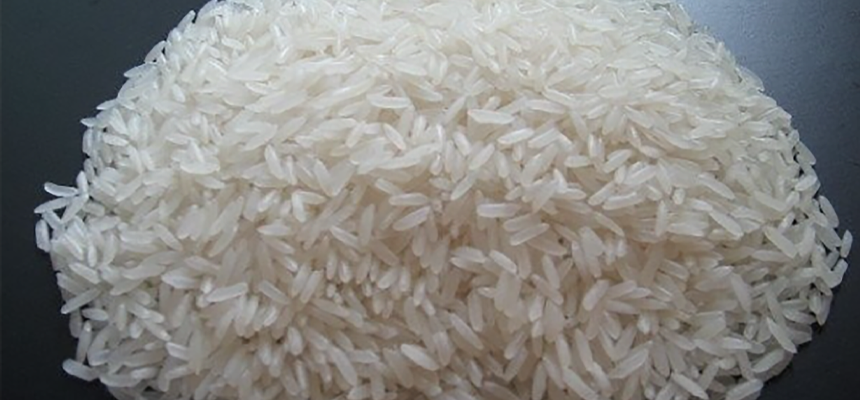
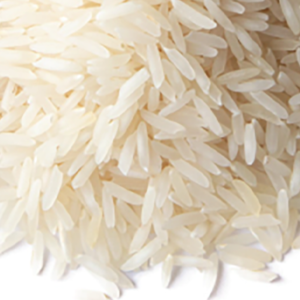
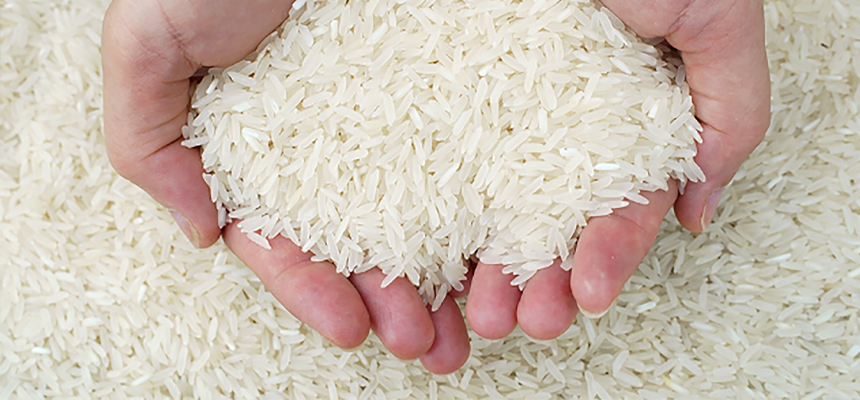
5% broken rice looks clean and even. Long grains, very few short pieces. On a supermarket shelf in a clear bag, that matters.
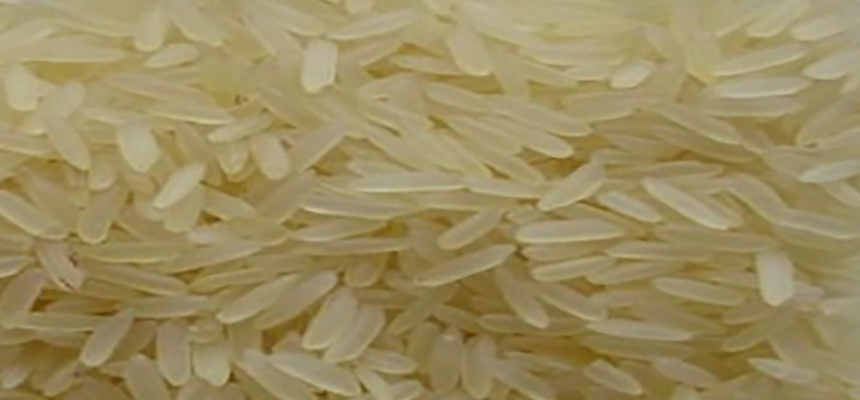
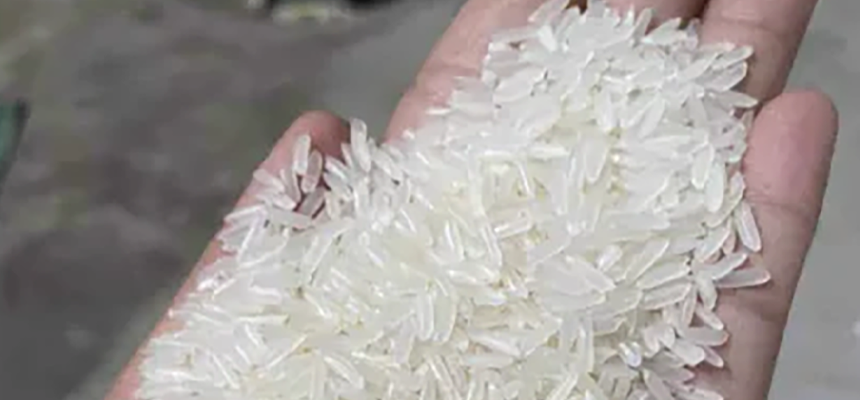
25% broken rice looks more mixed. You can easily see short pieces among the long grains. In a woven 50kg sack, nobody sees it until it is poured out.
In the pot
Cooking time is the same, roughly 15 to 18 minutes at a 1:1.5 to 1:2 rice to water ratio. The 25% grade can turn slightly softer, because broken pieces absorb water faster and release a bit more starch. In a pot of stew, jollof, porridge or fried rice, most eaters will not notice.
On a plate of plain steamed rice next to a 5% sample, a careful cook will notice. The 5% grade gives longer, more separate grains. That is the real eating difference in 5% vs 25% broken rice.
5% vs 25% Broken Rice Prices
The 5% grade always costs more per ton than 25%. How much more depends on the market. When whole grain is tight, the gap widens. When broken rice demand from food factories and feed users is strong, the gap can shrink.
We do not post a fixed number because prices change every week with paddy, the baht and freight. For recent figures, see our posts on Thai white rice 5% broken price per ton and Thai white rice 25% broken price per ton. Market trackers like the FAO rice price monitor and the Thai Rice Exporters Association also publish weekly quotes for both grades.
Here is a simple way to think about the money. If your customers will happily buy 25% broken, every ton you buy at 5% is money spent on looks nobody is paying for. If your customers are fussy about grain length, the cheaper rice will sit on your shelf.
Who Should Buy Which
Across our shipments, 5% vs 25% broken rice buyers fall into fairly clear groups.
Buyers who usually choose 5% broken
- Supermarkets and retail brands in clear or printed packs.
- Restaurants and hotels serving plain steamed rice.
- Markets where buyers judge rice by looking at it, which is most retail markets.
- Importers who want to compete on quality rather than price.
Buyers who usually choose 25% broken
- Wholesalers in price sensitive markets selling 25kg and 50kg sacks.
- Schools, prisons, the military and other institutions.
- Food aid programs and government tenders, where cost per meal matters most.
- Caterers making stews, rice and sauce dishes, porridge and fried rice.
- Food processors who do not need whole grains.
The middle option
Some buyers do not need 5% but find 25% too broken. That is where white rice 10% broken fits. It is a very popular compromise. We also sell 15% broken white rice on request.
5% vs 25% Broken Rice in Different Markets
Every market has its own habits. In much of West and Central Africa, 25% broken white rice and broken parboiled rice sell in big volumes because they suit local dishes and budgets. Some cities in the same region prefer long grain 5% for weddings and celebrations. Middle Eastern buyers often lean toward 5% broken or parboiled for presentation. Pacific island markets buy a lot of 10% and 25% broken in large sacks. Supermarkets in Europe and North America almost always want 5% broken or better.
So the 5% vs 25% broken rice answer for your business depends on who eats the rice and how they cook it. Ask your customers. Better yet, sell them both from one mixed container and see which moves.
Sortexed or Not
Either grade can be color sorted. Sortexing removes yellow, chalky, black and damaged grains with optical sorters. It makes the rice look cleaner but does not change the broken percentage. We offer 100% sortexed white rice at 5%, 10%, 15% and 25% broken. Our post on what sortexed rice is explains when it is worth paying for.
A useful trick: a sortexed 25% broken rice can look better in the bag than an unsorted 10% broken. If appearance matters but budget is tight, it is worth comparing.
Quality Checks for Both Grades
Every lot, whichever side of 5% vs 25% broken rice you buy, gets the same checks at our mill:
- Moisture test before and after milling.
- Broken grain test on lab samples using standard sieves and grain length checks.
- Foreign matter, damaged and chalky grain counts.
- Bag weight checks on the filling line.
- Fumigation when required by the buyer or destination.
You can also appoint a surveyor. Many of our buyers use SGS to confirm quality and weight at loading. See our quality control and rice standard pages for more.
How to Check Broken Content Yourself
When a sample arrives, you can do a rough test in ten minutes.
- Weigh out 100 grams of rice.
- Spread it on a dark tray.
- Pick out every grain that is clearly shorter than three quarters of a whole grain.
- Weigh the broken pieces.
If the broken pieces weigh about 5 grams, you have something close to 5% broken. About 25 grams means 25%. It is not lab accurate, but it will catch a seller who ships 25% in a bag marked 5%. That trick still happens in the 5% vs 25% broken rice trade, sadly.
Packing and Containers
We pack both grades in:
- 5kg and 10kg retail bags.
- 25kg and 50kg PP or BOPP wholesale bags.
- Jumbo bags for processors.
- Private label bags with your brand and language.
Minimum order is one 20ft container, about 25 tons in 50kg bags. You can split a container between 5% and 25% broken, which is an easy way to test your market. Our post on how many tons of rice fit in a 20ft container helps with planning, and Thai rice minimum order quantity explains our terms.
Documents and Shipping Terms
We ship FOB, CFR or CIF from Bangkok and Laem Chabang. The ICC Incoterms rules define each term, and our FOB vs CIF rice price post explains how each affects your cost. Each shipment includes invoice, packing list, bill of lading, certificate of origin, phytosanitary and fumigation certificates and quality and weight certificates. More in our rice export documents guide.
7 Proven Tips for the 5% vs 25% Broken Rice Choice
1. Match the grade to the dish
Plain steamed rice favours 5%. Stews, porridge, fried rice and mixed dishes work fine with 25%.
2. Do the math per meal, not per ton
For institutions, the cheaper grade feeds the same number of people. The savings add up fast.
3. Test your market with a split container
Load half 5% and half 25%. Your sales will tell you more than any advice.
4. Check the broken content on arrival
Use the 100 gram test above, or appoint a surveyor.
5. Watch the price gap
When the gap between 5% and 25% shrinks, upgrading can be cheap. When it widens, the lower grade saves more.
6. Consider 10% broken
It often gives most of the look of 5% at a lower price.
7. Buy straight from a mill
A mill that grades the rice itself can hit your spec exactly. Our post on Thai rice mill direct supply explains why it matters.
A Real Example
A wholesaler in the Pacific was buying only 5% broken white rice in 25kg bags. His customers were mostly families cooking rice with curries and stews. He switched one container to 25% broken in the same bags, told his retailers the price was lower, and watched. The 25% sold out first. He now buys roughly two containers of 25% broken for every one of 5%, and keeps the 5% for shops in the capital where customers are pickier. The 5% vs 25% broken rice question was settled by his own customers in about six weeks.
Building a Grade Mix as a Distributor
If you sell to many kinds of customers, you rarely need to pick just one side of 5% vs 25% broken rice. Most of our distributor customers run two or three grades at once, each aimed at a different buyer.
A mix we often see in one 20ft container:
- 10 tons of 25% broken in 50kg sacks for market traders and institutions.
- 10 tons of 5% broken in 25kg bags for restaurants and small shops.
- 5 tons of 5% broken or jasmine in 5kg retail bags for supermarkets.
The 25% lot keeps your price competitive. The 5% lot protects your name with fussy customers. The retail packs carry the best margin per kilo. After two or three containers you will know exactly how to shift the split.
Breakage During Shipping and Handling
Here is something buyers do not always think about in the 5% vs 25% broken rice choice. Grains can break after they leave the mill. Bags thrown from trucks, dropped onto concrete or stacked too high can push a 5% lot closer to 6% or 7% by the time it reaches a shop.
That does not mean you should give up on 5%. It means handling matters more for the premium grade. A few things help:
- Ask for strong woven bags with a good stitch, and BOPP printed bags for retail.
- Load the container carefully with dunnage and kraft paper on the walls.
- Tell your own warehouse team not to throw the bags.
- Inspect at loading so you know the starting figure.
With 25% broken rice, a little extra breakage makes almost no difference to how it sells. With 5% broken it can, so it is worth the care.
Storage and Shelf Life
Both grades store the same way. Keep them dry, cool and off the floor, and they last up to two years in sealed bags. Broken grains have slightly more exposed surface, so 25% rice can pick up moisture or insects a little faster in a damp warehouse. Good ventilation and fumigation when needed take care of that.
Moisture is the bigger risk than broken content. Rice packed at 14% moisture and then left in a hot, humid shed can cake or smell musty. That applies equally to both sides of 5% vs 25% broken rice. For long sea trips we suggest container liners or desiccant bags, especially on routes that cross the equator.
Why the Grade Matters on Paper
Whatever you choose, make sure the grade is written clearly on the contract, on the certificate of quality and, where your market requires it, on the bag. Customs offices in some countries apply different duties or rules to different broken grades. Tender buyers check the certificate against the spec line by line. A buyer who agrees “5% vs 25% broken rice to be decided later” and then signs a vague contract is asking for an argument at the port.
Our contracts list the broken percentage, moisture, foreign matter, damaged grains, crop year and packing for each grade. The certificate at loading confirms each line. That way the paperwork matches what is in the bags.
Common Myths About Broken Rice
- “Broken rice is old rice.” No. It is current crop rice that broke during milling.
- “Broken rice is less nutritious.” Nutrition is the same per gram.
- “25% broken is animal feed.” No. That is a food grade sold for human use everywhere. Some 100% broken is used for feed, but much of it goes into food too.
- “5% broken never breaks further.” Rough handling can break grains in transit. Good bags and careful loading matter.
Other Grades You Can Add
Most buyers comparing 5% vs 25% broken rice also look at Thai white rice 100% broken for processing, Thai parboiled rice 5% broken and parboiled rice 25% broken, and fragrant Thai jasmine rice for the premium shelf. If you are new to the grade system, our guide to Thai white rice grades walks through every level, and our broken rice uses post covers where broken grains go.
Our Honest Take on 5% vs 25% Broken Rice
If we had to sum up 5% vs 25% broken rice in one line, it would be this: pay for whole grains only when your customer can see them or taste the difference. Retail packs, restaurants serving plain rice and premium shelves justify 5%. Big sacks, mixed dishes, institutions and processors usually do not.
We sell both, so we have no reason to push you one way. Plenty of first-time buyers ask us for 5% because it sounds better, then switch part of their order to 25% once they see how it sells. Others start with 25% to keep the price down and add some 5% when their customers ask for something nicer. Either path is fine. What matters is that the 5% vs 25% broken rice decision comes from your market, not from habit.
Frequently Asked Questions
Is 25% broken rice safe to eat?
Yes. It is the same food grade rice with more shorter grains.
Does 5% broken rice taste better?
Taste is the same. Texture is slightly firmer and grains are longer with 5%.
How much cheaper is 25% broken rice?
It changes with the market. Ask us for a dated offer on both grades.
Can I mix both grades in one container?
Yes. Split containers are common.
Which grade is better for food aid or tenders?
Usually 25% broken, because it gives more meals per dollar. Some tenders specify 5% or 10%, and we supply those too. See our notes on government tender supply.
Do you send samples?
Yes, both grades with spec sheets. See our FAQ page.
Get Prices on Both Grades
Send us your quantity, bag size, destination port and which side of 5% vs 25% broken rice you are leaning toward. We will quote both so you can compare, and send samples of each.
De Thai Products 1989 Company Limited. Email info@dethairice.com, WhatsApp +66 81 034 6390, or use our contact page. Read more about us or see all our products.