



If you’re searching for the Thai white rice 25% broken price per ton, you probably have a few quotes open in other tabs and none of them agree. That’s normal. Two suppliers can quote the same grade a few dollars apart and both be telling the truth, because the number depends on things a headline price never shows. We sell this grade ourselves, so we’ll walk you through how the price is built and what you get for it.
This is written by an exporter, not a broker copying spec sheets. By the end you’ll know the specification we ship, what pushes the Thai white rice 25% broken price per ton up or down during the year, and how to ask us for a quote that matches your real order instead of a guess.

Table of Contents
Thai White Rice 25% Broken Price Per Ton: What You Are Buying
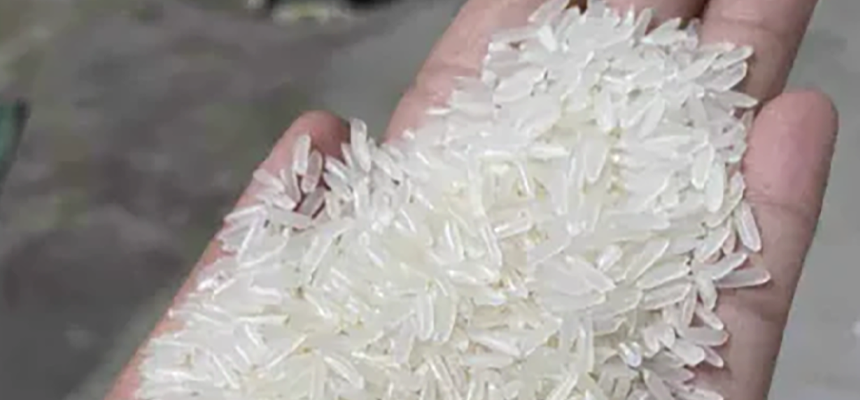
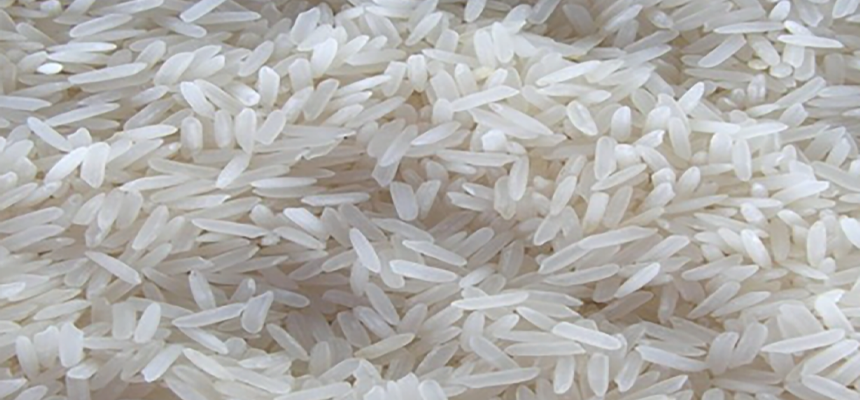
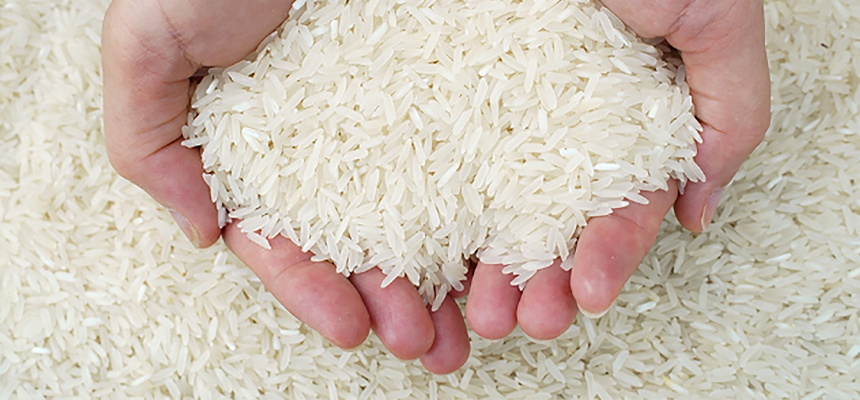
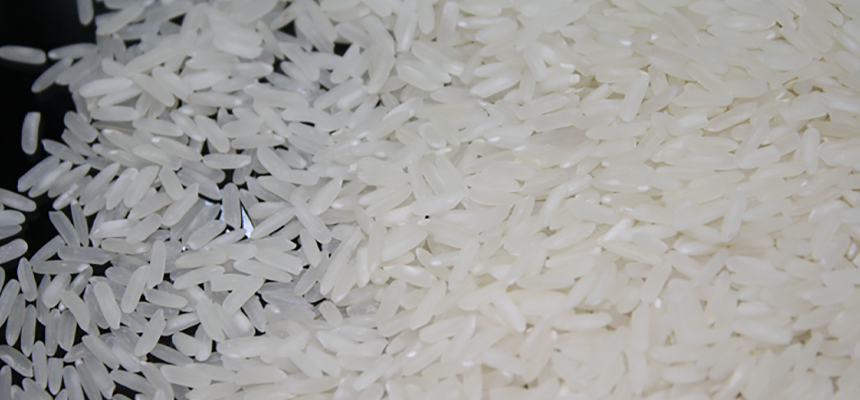
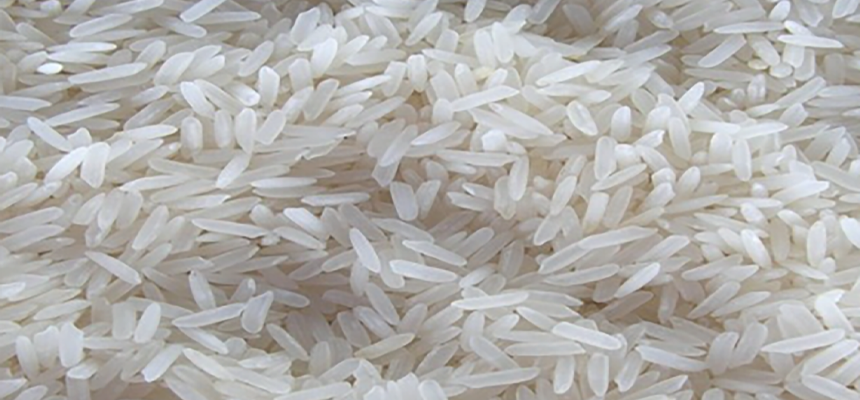
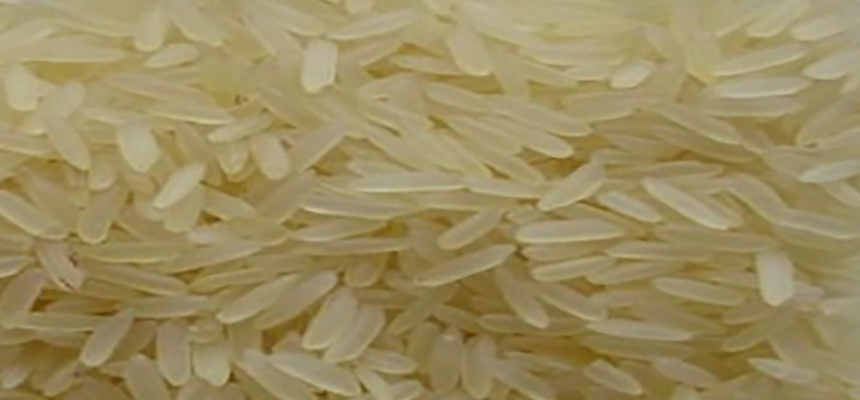
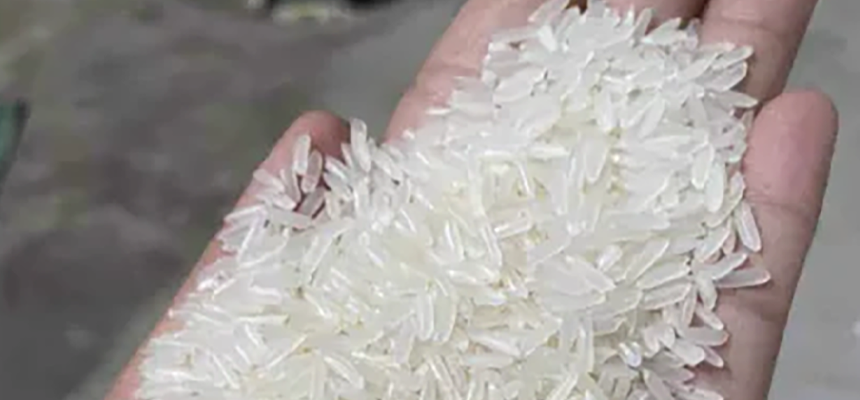
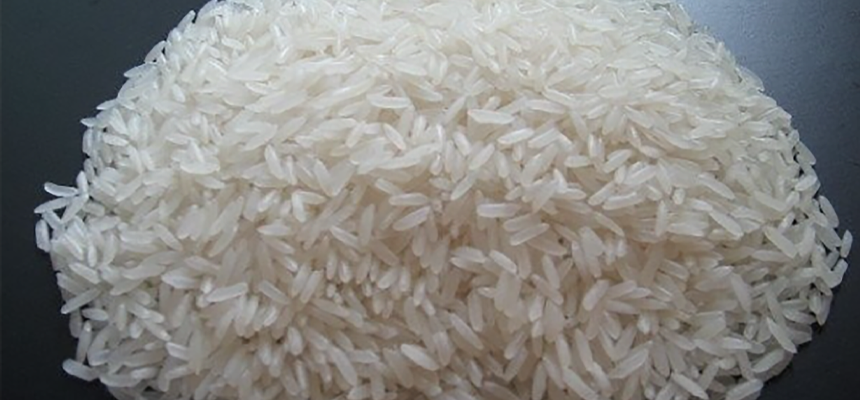
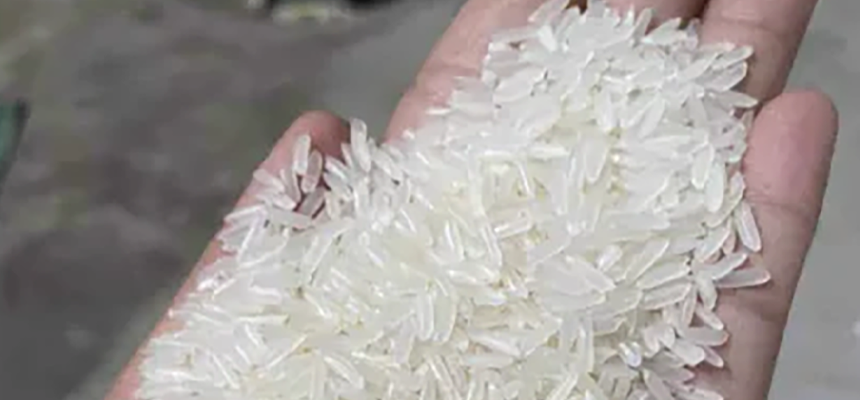
Start with the rice, because 25% broken gets misunderstood a lot. It’s Thai long grain white rice, milled and polished like any other white grade. The only difference is how many broken pieces the grade allows. Up to a quarter of the grains in the bag can be fragments. The rest are whole or close to it.
It isn’t a different crop, and it isn’t old stock. The Thai white rice 25% broken we sell comes off the same milling line as our tighter grades. It’s just sorted to a looser broken grain allowance, and that looser allowance is the reason the Thai white rice 25% broken price per ton sits below the premium grades.
Once it’s cooked, most people can’t tell the difference. The pieces are a bit shorter, so the pot looks slightly less uniform, but taste, texture and nutrition don’t change. If nobody is going to inspect individual grains, a tighter grade means paying for looks you don’t need. For background on how broken rice is graded, Wikipedia’s broken rice page is a decent place to start.
Our Thai White Rice 25% Broken Specification
This is the spec sheet behind our Thai white rice 25% broken price per ton. It’s the same one on the product page, repeated here so you don’t have to go hunting for it.
| Item | Specification |
|---|---|
| Product | Thai white rice, 25% broken |
| Origin | Thailand |
| Grain type | Long and medium grain, milled white rice |
| Broken grains | 25% maximum |
| Moisture | 14% maximum |
| Foreign matter | 0.5% maximum |
| Damaged and discolored grains | 2% maximum |
| Chalky grains | Within standard milling tolerance |
| Finish | Well milled and polished, natural white color |
| Crop year | Current season |
| Packing | 5kg, 10kg, 25kg and 50kg bags |
Every figure in that table is a ceiling, not an average. A batch might come in a little better than the limit, but never worse. If your country’s import rules need a tighter moisture figure or a specific lab report, tell us before you order and we’ll say plainly whether we can meet it.
Thai White Rice 25% Broken Price Per Ton: Where the Number Comes From
Think of the Thai white rice 25% broken price per ton as four layers stacked on top of each other. Miss one and the quote you’re comparing isn’t like for like.
The rice. This is the biggest layer. It follows what mills pay for paddy, which moves with the harvest, with demand from other buyers and with the exchange rate. Thai harvests run roughly from November to January, and we buy on a rolling basis so stock stays available the rest of the year.
The bag. It moves the Thai white rice 25% broken price per ton more than people expect. A plain 50kg woven polypropylene bag costs less than a printed retail bag with a lining, and a custom branded bag costs more again. Same rice, different price.
The shipping term. FOB, CIF and CNF can differ by tens of dollars a ton once freight and insurance are counted. We cover that in its own section below because it trips up a lot of first-time importers.
The volume and the timing. A full container gets a better rate per ton than a small trial lot, and a buyer who orders every month gets a better rate than a one-off. That’s simply how bulk rice works, and we’d rather tell you than pretend otherwise.
What Has Moved Prices Over the Past Twelve Months
Nobody can give you a Thai white rice 25% broken price per ton that stays true for more than a few days, so here is the range instead. Over the last twelve months the monthly benchmark for Thai 25% broken rice has moved between roughly $351 a ton in October 2025 and $479 in June 2026, and it ended August 2026 near $447. You can look at the published series on YCharts and check the numbers yourself.
That’s a swing of about $128 a ton inside a single year, which is why a Thai white rice 25% broken price per ton quoted last spring tells you very little today. On a full 25-ton container it’s the difference of a few thousand dollars.
Some of the movement is easy to explain. A strong baht made Thai rice look expensive next to other origins for much of the year, and analysts have been forecasting record global rice trade of around 62.8 million tons for 2026, so demand hasn’t gone away. Some of it is harder to pin down, and we won’t pretend otherwise. The Thai Rice Exporters Association publishes a weekly FOB price table, and it’s worth a glance before any negotiation, ours included.
Because the broken grain allowance is high, the Thai white rice 25% broken price per ton usually reacts less sharply than the premium grades when whole grain supply gets tight. More of the milling output qualifies for it. Buyers who need steady budgets often like that about this grade.
FOB, CIF and CNF: Reading a Quote Properly
We quote the Thai white rice 25% broken price per ton on all three terms, and the letters matter more than most people expect.
FOB means the price covers the rice, the bag and loading it on the ship at a Thai port. From there the ocean freight, insurance and everything after are yours to arrange. If you have a forwarder you trust, this is often the cheapest way to buy.
CIF adds ocean freight and marine insurance to the destination port. You get one number to plan around, but you’re trusting our freight booking, so ask us what rate we assumed.
CNF is cost and freight without the insurance. It’s still the everyday word in the rice trade, even though it isn’t one of the official trade terms. If you want the formal definitions, the International Chamber of Commerce explains the Incoterms rules in plain enough language.
When you compare two quotes for the Thai white rice 25% broken price per ton, check that they use the same letters and the same bag. Otherwise one of them is quietly cheaper on paper only.
Packing, Bags and Container Loads
Packing changes the Thai white rice 25% broken price per ton, so it’s worth choosing on purpose. For export volumes we use 50kg woven polypropylene bags. Retail and smaller distribution orders can be packed in 5kg, 10kg or 25kg bags. If your climate is humid or the voyage is long, ask for a moisture-resistant lining. It costs a little extra and it’s worth it.
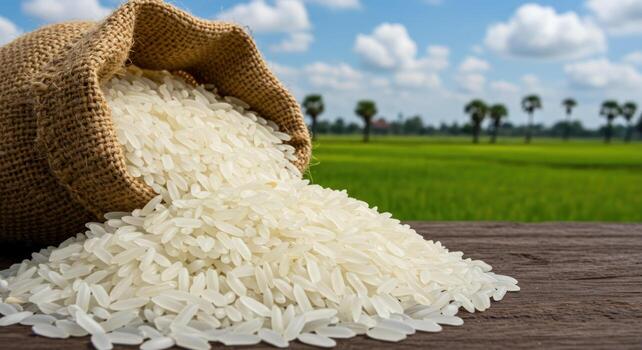
As a rough guide, a 20-foot container takes about 25 tons of rice in 50kg bags, which is around 500 bags. A 40-foot container takes a bit more, roughly 26 to 28 tons, because weight limits get in the way before space does. We’ll confirm the exact loading for your order in the quote.
Selling under your own label? We can arrange custom branded packaging. Send your artwork and target bag size with your enquiry and we’ll price it properly before you commit.
Shipping is by sea for containers and by air for smaller or urgent orders. Air freight on rice is expensive, so it only makes sense for a sample or an emergency top-up.
Who Buys 25% Broken Rice and Why It Makes Sense
The people asking us for a Thai white rice 25% broken price per ton mostly care about cost per ton more than the look of the grain. That covers a wider range of people than you’d think.
- Bulk food service and catering. Kitchens cooking for hundreds a day go through a lot of rice, and diners can’t tell 25% broken from a premium grade once it’s on the plate.
- Rice flour and processed food makers. When the rice is ground or cooked down, grain length is irrelevant, so paying for it is wasted money.
- Wholesalers and distributors. They stock this grade as the value tier because their own customers ask for it by name.
- Government and relief programs. Large tenders are usually decided on price per ton and delivery, and 25% broken is a familiar, widely traded specification.
- Brewers and fermenters. Rice used as an adjunct grain needs starch, not good looks.
If you’re on the fence about whether the grade suits your customers, tell us who eats it before you lock in a Thai white rice 25% broken price per ton, and we’ll give you a straight recommendation. Sometimes the answer is a tighter grade, and we’d rather say so.
25% Broken Compared With 5%, 10% and 100% Broken
We sell the whole white rice ladder, so we can compare fairly. The Thai white rice 25% broken price per ton only makes sense next to its neighbours. The tighter grades cost more because someone has to sort out the broken pieces, and you pay for that work. Here is where each one sits.

White rice 5% broken is the choice for retail bags with a see-through window, where shoppers judge the grain. The 10% grade is a step down in price and still looks tidy on a plate. If you need the very tightest grain, our 100% sortexed white rice is the top of the range.

At the other end, fully broken rice is the cheapest white rice we export. It’s meant for flour, feed and brewing, and we cover it in our guide to the Thai 100% broken rice price per ton. Grade 25% sits in the middle: cheaper than the tidy grades, still mostly whole grain.
Not sure where you fall? Look through the full list on our products page and send us your use case.
Where This Rice Comes From
Our white rice is milled from Thai long grain paddy grown in established rice growing regions of the country. The grades in our white rice line all start with the same paddy. What separates them is the milling and the sorting, not different farms.
We work with suppliers who look after their land and water where the sourcing allows us to choose, and we keep buying relationships with growers steady from one season to the next. That’s less about a slogan and more about supply. Growers who get a fair, predictable deal keep planting for you, and that keeps the rice coming.
That is the rice behind every Thai white rice 25% broken price per ton we quote. Harvest follows the usual Thai calendar, so new crop arrives around November to January. We buy through the season instead of all at once, which is how we keep export stock available all year.
Storage, Shelf Life and How It Cooks
Keep the bags in a cool, dry place out of direct sunlight, and put them on pallets so they’re off the floor and away from damp. Once a bag is open, move the rice into an airtight container. Stored properly, this grade keeps for 12 to 24 months, in line with normal milled white rice.
Cooking is as easy as it gets. Use roughly one part rice to one and a half to two parts water and give it 15 to 18 minutes. Rinse first if you like a cleaner grain. The shorter pieces cook a touch faster than whole kernels, so keep an eye on the pot the first time.
Nutrition is the same as any milled white rice: mostly carbohydrate, naturally gluten free, low in fat and easy to digest. The broken grain percentage changes how the rice looks and what it costs. It doesn’t change what’s in it.
How We Test Every Batch
Before any batch is approved for packing we check moisture, broken grain percentage, foreign matter and discolored kernels. Anything outside the limits in the spec table gets held back instead of shipped. We source from established rice growing regions in Thailand and mill with modern equipment, so the starting point is already decent.
A certificate of analysis is available with your shipping documents if you ask for it. Ask early, though, because some destination countries want specific tests, and we’d rather sort that out before the rice is loaded than after it lands.
You can read more about how we work on our quality control page and see the grading rules we follow on the rice standard page.
From Enquiry to Shipment: How an Order Works
Getting a Thai white rice 25% broken price per ton quote is not complicated. Most first orders follow the same path.
- Send your enquiry. Tell us the quantity, the bag size you want and your destination port.
- Get a quote. We price it against the current market, and we can send a sample if you’d like to check the rice yourself first.
- Confirm the order. We agree the shipping term and payment terms with you before anything moves.
- We process, test and pack. The batch is tested against the specification and packed the way you asked.
- Shipment and paperwork. The rice goes out with a certificate of origin, a phytosanitary certificate and a commercial invoice.
If your country needs anything extra, such as a fumigation certificate or a particular lab report, mention it in the first message so it is built into the Thai white rice 25% broken price per ton you get back. It saves a week of emails later.
How to Get the Best Thai White Rice 25% Broken Price Per Ton
There’s no secret discount code. But buyers who do a few sensible things reliably end up with a better rate.
- Order in full containers. The Thai white rice 25% broken price per ton improves as volume goes up, and a full container is the natural unit.
- Keep the packaging simple. Plain 50kg bags are the cheapest option, so save the printed bags for the orders that really need them.
- Think about a standing order. If you buy regularly, we can set a schedule and agree a price that holds for a set period, which protects you from a sudden jump.
- Choose the right grade. If the rice will be ground or fed to animals, don’t pay for a tighter grade than the job needs.
- Be flexible on timing. Rush shipments cost more. Give us a window and we can plan around it.
Ask for both FOB and CIF versions of the Thai white rice 25% broken price per ton on your first quote. Some buyers find they can book cheaper freight themselves, and some prefer the simplicity of CIF. Either is fine with us.
Common Questions About Thai White Rice 25% Broken Price Per Ton
Does the Thai white rice 25% broken price per ton change every week?
It can. The market moves with the harvest, the baht and demand, so a quote is only good for a limited time. Ask us how long yours holds.
Is 25% broken rice good quality?
Yes. It’s the same crop and the same milling as our tighter grades, just sorted to a looser grain allowance. It’s a completely normal, widely traded grade and not a discount product.
Can I order a sample first?
Yes. Samples are available so you can check the rice and cook it before committing to a larger order.
What’s your minimum order?
We handle small trial orders and full container loads. Tell us your target volume and we’ll quote to that.
Do you ship worldwide?
Yes, by sea for bulk containers and by air for smaller or urgent orders, with the export paperwork handled on our side.
Can the rice be blended with other grades?
We normally ship each specification separately so labeling and quality stay consistent. If blending matters for your process, ask and we’ll look at it.
What is the Thai white rice 25% broken price per ton for a full container right now?
We can’t print that here because it would be out of date by the time you read it. Message us with your quantity and port and we’ll send you a current quote.
Request Your Thai White Rice 25% Broken Price Per Ton Quote
If the grade fits your business, the next step is easy. Send us the quantity, the bag size, your destination port and whether you want FOB, CIF or CNF. We’ll come back with a quote for the Thai white rice 25% broken price per ton that reflects your actual order.
You can email info@dethairice.com or message us on WhatsApp at +66 81 034 6390. You can also use our contact page or read the FAQ first if you’d like to see how we work.
We’re a Thai rice exporter and supplier shipping worldwide, and our about us page tells you more about who you’d be dealing with. Whether it’s one container or a year of shipments, the Thai white rice 25% broken price per ton starts with a short message. When you’re ready, we’d be glad to quote.
4 thoughts on “Thai White Rice 25% Broken Price Per Ton: Best Direct Offer”
Comments are closed.