


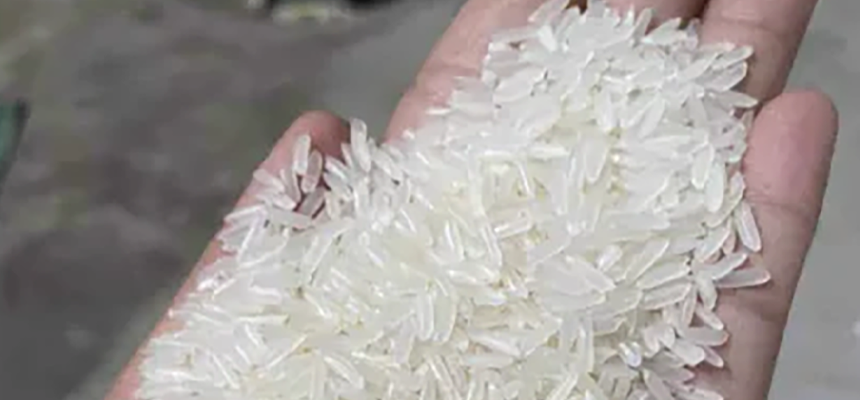
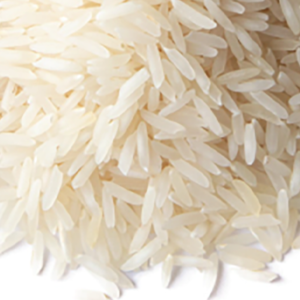
What is sortexed rice? Sortexed rice is rice that has been passed through an optical colour sorting machine after milling. The machine looks at every single grain with cameras and blows out the ones that don’t match: yellow grains, black tips, chalky grains, red grains, stones, glass, husk and anything else that shouldn’t be there. What’s left is clean, even, bright rice.
The word comes from SORTEX, a brand of sorting machine that’s been around so long the name stuck, a bit like people saying “Hoover” for any vacuum cleaner. Today mills use machines from several makers, but the trade still calls the result sortexed rice.
We mill and export Thai rice, and almost everything we ship goes through colour sorters. In this guide we’ll explain what sortexed rice is, how the machine works, what it removes, how it changes the price, and what specs you get when you buy sortexed rice from us.

Table of Contents
What Is Sortexed Rice in Plain Terms?
Picture a conveyor of rice moving at high speed. Grains fall off the end in a thin sheet. As they fall, cameras photograph them thousands of times a second. A computer compares each grain to what “good” looks like. If a grain is off colour or shaped wrong, a tiny jet of air knocks it out of the stream into a reject bin. Good grains carry on into the clean bin.
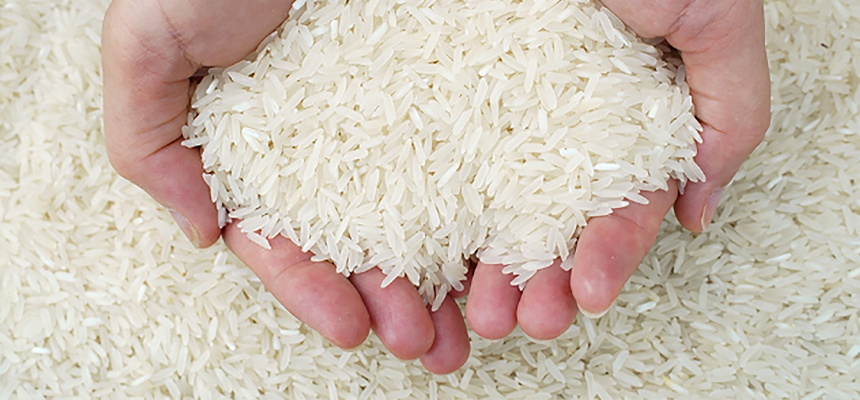
That’s it. Sortexed rice is just rice that has been cleaned grain by grain like this. It is still the same variety, the same crop and the same nutrition. It just has the bad bits taken out.
If someone asks you what is sortexed rice, the short answer is: milled rice that has been colour sorted by machine to remove defective grains and foreign matter.
Where the Name “Sortex” Comes From
A bit of history, since people ask. SORTEX began in the UK in the years after the Second World War, building machines that sorted beans, peas and nuts by colour. Rice came later. The early machines used simple light sensors and could only tell light from dark. They were slow by today’s standards, but they did a job no person could do by hand at that volume.
The company is now part of the Swiss Bühler group. Over the decades other makers from Japan, China, Korea and Europe built their own sorters, and the technology moved from basic photocells to high resolution colour cameras, infrared and now AI-trained software. But by then, rice traders across South Asia, the Middle East and Africa were already saying “sortex” for any colour sorted rice, and the name never left.
So when an offer says sortexed rice, it doesn’t tell you the machine brand. It tells you the rice was colour sorted.
How a Rice Colour Sorter Works
Modern sorters are clever machines. Here’s how they work, step by step.
- Feeding. Rice drops from a hopper onto vibrating feeders that spread it into an even layer.
- Chutes or belts. The rice slides down angled chutes, or rides a fast belt, so grains move in a single layer at a steady speed.
- Lighting. Strong, even LED lighting shines on the grains from both sides.
- Cameras. High resolution cameras (full colour, and on some machines infrared) look at the front and back of every grain.
- Processing. Software compares each grain with the settings the operator has chosen: colour, brightness, size and shape.
- Ejectors. Banks of tiny air valves fire in milliseconds to blow rejects out of the stream.
- Re-sort. Rejects usually go through a second pass so good grains aren’t wasted.
A large machine can sort several tonnes of rice an hour. Makers like Bühler, Satake and others build them. If you’re curious about the hardware, Bühler has a good overview of their rice optical sorter.
What Sortexing Removes
What is sortexed rice good for, then? Mostly this. The machine pulls out things that milling and sieving can’t.
| Defect | What it is | Why you want it out |
|---|---|---|
| Yellow grains | Grains that fermented or heated in storage | Look bad, may taste off |
| Black or pecky grains | Grains with dark spots from insects or disease | Ugly, customers complain |
| Red and undermilled grains | Grains with bran still on | Uneven colour in white rice |
| Chalky grains | Opaque white grains | Dull look, uneven cooking |
| Paddy and husk | Unhusked grains | Hard bits in the pot |
| Stones and glass | Foreign matter from fields and drying yards | Food safety, broken teeth |
| Plastic and string | Bits from bags and handling | Food safety |
Sieves and destoners take out a lot of foreign matter already. But a stone the same size as a rice grain, or a yellow grain the same shape as a white one, will get past them. Only a colour sorter catches those reliably.
What Sortexing Can’t Fix
Sorting is good, but it’s not magic, and it’s worth being honest about this. A colour sorter cleans rice. It doesn’t upgrade it.
- It can’t fix brokens. Broken grains are the same colour as whole grains, so the sorter lets them through. Brokens are controlled by graders and sieves, not sorters.
- It can’t fix moisture. Wet rice stays wet.
- It can’t fix aroma or age. Old crop rice that has lost its fragrance is still old crop rice after sorting.
- It can’t turn one variety into another. If a lot of Hom Mali is blended with cheaper rice, the sorter won’t spot it, because the grains look the same. That needs a DNA or purity test.
- It can’t remove pesticide residues or contaminants inside the grain. That’s a farming and testing matter.
So what is sortexed rice actually going to do for you? It makes good rice look and eat cleaner. It won’t save bad rice.
Sortexed Rice vs Non-Sortexed Rice
Here’s a simple comparison.
| Sortexed rice | Non-sortexed rice | |
|---|---|---|
| Appearance | Even colour, bright, clean | Some yellow, black or chalky grains |
| Foreign matter | Very low, often under 0.05% | Higher, depends on mill |
| Stones | Rare | Can turn up |
| Customer complaints | Few | More |
| Price | A bit higher | Lower |
| Best for | Retail, export, premium brands | Some local markets, processing |
In the export trade, sortexed rice is close to standard now. Buyers in most markets simply expect it. A few price-sensitive markets still buy non-sortexed rice, but the gap is shrinking every year.
Our Sortexed Rice Specifications
Here’s our main sortexed product, Thai white rice 100% sortexed. We offer it at several broken levels so you can pick the price point that suits you.
| Parameter | Specification |
|---|---|
| Product | Thai long grain white rice, 100% sortexed |
| Origin | Thailand |
| Grain | Long grain, well milled, double polished |
| Broken grains | 5%, 10%, 15% or 25% maximum (your choice) |
| Moisture | 14% maximum |
| Foreign matter | 0.1% maximum (usually far less) |
| Yellow grains | 0.5% maximum on 5% grade |
| Damaged grains | Minimal |
| Chalky grains | 2% maximum on 5% grade |
| Colour | Uniform white |
| Crop | Latest harvest |
You can see photos and more detail on our Thai white rice 100% sortexed product page.
We also sortex our other rice:
- Thai Hom Mali rice and Thai jasmine rice
- Thai parboiled rice 5% broken, 15% and 25% broken
- Thai glutinous rice
- White rice 5% broken and 10% broken
What Does “100% Sortexed” Mean?
You’ll see “100% sortexed” on offers a lot, including ours. It doesn’t mean every single grain in the bag is perfect. No machine does that. It means all of the rice in the lot went through the sorter, not just part of it.
Some mills sort only a share of the rice and blend it back with unsorted rice to cut costs. That’s how you end up with “sortexed” rice that still has visible yellow grains. When you buy 100% sortexed rice, the whole lot has been through the machine, and the defect limits on the spec sheet are what you should hold the seller to.
Does Sortexing Change Taste or Nutrition?
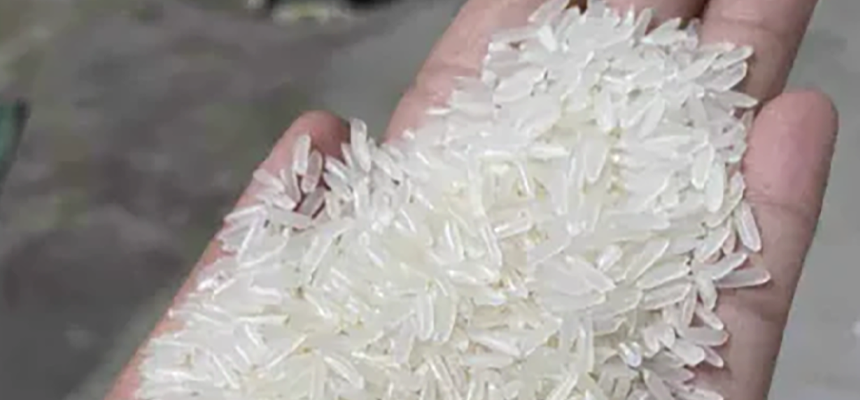
No. Sortexing doesn’t add anything, heat anything or treat anything. It’s a camera and a puff of air. The grains that stay in the bag are exactly the same as they were before sorting. What changes is that the bad grains are gone, so the overall eating quality is better. A pot of sortexed rice won’t have a stray black grain or a crunchy stone in it.
Why Sortexed Rice Costs a Little More
What is sortexed rice going to cost you on top? Usually a small premium, often 5 to 20 US dollars a tonne depending on the grade and how dirty the raw rice was. The cost comes from:
- The machines themselves, which are expensive to buy and maintain.
- Power and compressed air.
- The rejected grains. Every grain blown out is rice the mill can’t sell at the top price. Rejects are usually sold cheaply as animal feed or for industrial use.
- A second pass to recover good grains from the rejects.
For most buyers that premium is easy to justify. One customer complaint about a stone in a bag of rice costs more than sortexing a whole container.
Think about it this way. A 25 tonne container of sortexed rice might cost a few hundred dollars more than the same rice unsorted. Spread over 1,000 bags of 25kg, that’s well under a dollar a bag. If even one supermarket returns a pallet because shoppers found black grains, you’ve lost far more than that. For a business, that is what sortexed rice really comes down to: less risk for a very small cost.
Who Needs Sortexed Rice?
Almost everyone selling rice to end consumers. But some buyers need it more than others.
- Supermarkets and retail brands. Shoppers look at the grain through the bag.
- Importers in markets with strict food safety checks, such as the EU, the US, Japan, Australia and the Gulf.
- Hotels, airlines and restaurant chains, where one bad grain on a plate is a complaint.
- Private label buyers who don’t want their brand on a bag with defects.
- Government and institutional tenders that list foreign matter and defect limits.
Food factories that grind rice into flour may not need full sortexing for appearance, but many still want it for foreign matter control.
Sortexed Rice by Market
Different markets care about different defects, and a good mill sets its sorters to match. Here’s what we see.
Africa
Buyers want long grain white and parboiled sortexed rice in 25kg and 50kg bags. Stones and paddy are the main worry, because rice is often cooked in large pots for families and caterers. Black and dark grains in parboiled rice are the second biggest complaint.
Middle East and Gulf
Very sensitive to appearance. Long, bright, even grains with almost no yellow. Sortexed rice is standard here, and some buyers ask for double sorting on retail packs.
Asia
Hong Kong, Singapore, Malaysia and China expect fully sortexed Hom Mali and jasmine rice. Chalky grains matter a lot for fragrant rice because they make it look dull.
Europe, North America and Australia
Food safety is the focus. Foreign matter, glass and plastic need to be close to zero. Retail packs are sortexed as a matter of course, and many buyers ask for metal detection on the packing line too.
How We Sort Our Rice
We run multi-chute colour sorters with full colour cameras on our lines. For export grades, rice goes through a primary sort, then the rejects are re-sorted to recover good grains, and for premium grades the finished rice is sorted again just before packing.
Before each production run the operators set the machine using reference samples of acceptable and unacceptable grains for that lot. The settings for Hom Mali are different from white rice, and parboiled rice has its own settings again. During the run, our QC team pulls samples every hour and counts defects by hand. If the numbers drift, the machine gets adjusted.
Then a final lab check on the packed rice confirms moisture, brokens, defects and foreign matter before the lot is released. That’s the same lot that gets inspected at loading if you book SGS or another surveyor.
How to Check If Rice Is Really Sortexed
Not every seller who writes “sortexed” on an offer actually sortexes. Here’s how to check a sample at your desk.
- Spread about 200 grams on a black tray under good light.
- Count yellow, black, red and chalky grains. In properly sortexed 5% rice you should find very few, a handful at most.
- Look for paddy (unhusked grains), stones and husk. You should find almost none.
- Compare two or three samples from different bags. Sortexed rice is very even from bag to bag.
- Ask for the mill’s sorting record or a photo or video of the sorting line. A real miller won’t mind.
For larger orders, ask for an independent inspection by SGS, Intertek or a similar company. They check defects and foreign matter as part of the standard quality test. Our quality control page explains what we test.
Where Sortexing Fits in the Milling Process
Part of the answer to what is sortexed rice is knowing where sorting happens in a mill. A typical Thai mill line runs like this:
- Paddy cleaning: removing straw, dust and stones from the raw paddy.
- Husking: rubber rollers strip off the husk, giving brown rice.
- Paddy separation: unhusked grains go back round.
- Whitening: abrasive and friction whiteners remove the bran layer.
- Polishing: a water mist polisher gives the shiny finish.
- Grading: sieves and length graders separate whole grains from brokens.
- Blending: brokens are mixed back to the target grade (5%, 10%, 25%).
- Colour sorting: optical sorters remove defects. This is the sortexing step.
- Packing: weighing, bagging and sewing or sealing.
Some mills sort twice: once after whitening and again just before packing. We do this on our premium grades.
Sortexed Parboiled Rice
Parboiled rice is a special case. Because it is soaked and steamed in the husk, it naturally comes out golden, and some grains turn darker than others. Without sorting, a bag of parboiled rice can look patchy. Colour sorting is almost always done on export parboiled rice to remove the dark and black grains and give an even golden or creamy colour.
If you buy parboiled rice for Africa, the Middle East or South Asia, ask for sortexed. We cover this more in Thai parboiled rice 5% broken sortexed and golden sella vs white sella parboiled rice.
Frequently Asked Questions
What is sortexed rice in simple words?
Rice that’s been cleaned by a machine that looks at every grain with a camera and removes the bad ones.
Is sortexed rice better quality?
It’s cleaner and more even. The rice itself is the same variety and crop. The defects are just removed.
Is sortexed rice safe?
Yes. Sorting uses light and air only. Nothing is added to the rice.
What’s the difference between sortexed and polished rice?
Polishing is a milling step that gives the grain a shiny surface. Sortexing is a cleaning step that removes bad grains. Most export rice is both polished and sortexed.
Can broken rice be sortexed?
Yes. We sortex 5%, 10%, 15% and 25% broken rice. Even 100% broken rice can be sorted for foreign matter if a buyer asks.
Is Sortex a brand?
It started as one, and SORTEX is still a brand of sorting machine. In the rice trade the word is used for any optical colour sorted rice.
What is sortexed rice used for?
Anything you’d use normal rice for. Retail bags, restaurants, hotels, catering, export brands. It’s the same rice, just cleaner, so it fits wherever looks and food safety matter.
Does sortexed rice meet international standards?
Sorting helps a lot. The Codex Alimentarius rice standard and most national standards set limits on foreign matter and defective grains, and sortexed rice usually sits well inside those limits.
Packing and Ordering Sortexed Rice
Our sortexed rice is packed straight after the final sort, so it doesn’t pick up dust or foreign matter in storage. Packing options:
- 1kg, 2kg and 5kg retail packs, plain or printed, vacuum on request
- 10kg and 25kg BOPP bags with your design
- 25kg and 50kg PP woven bags with liners for long voyages
- Private label in any language
A 20ft container takes about 25 to 26 tonnes. We ship from Bangkok and Laem Chabang, FOB or CFR / CIF. The order process is simple: send your enquiry, get our offer and a sample, sign the contract, open an LC or agree TT terms, and we load, inspect and send documents. If you’re new to this, our guide on how to import rice from Thailand walks through it step by step.
Mistakes to Avoid When Buying Sortexed Rice
A few things we see go wrong:
- Trusting the word “sortexed” without a defect spec. Always ask for limits on yellow, damaged, chalky and foreign matter in numbers.
- Comparing prices for sortexed and non-sortexed rice as if they’re the same product.
- Not asking how many passes. Single pass sorting on dirty rice leaves more defects.
- Skipping inspection on the first order with a new supplier.
Buy Sortexed Rice From Thailand
If you came here asking what is sortexed rice, you now have the answer and the reasons it matters. We export Thai white rice 100% sortexed at 5%, 10%, 15% and 25% broken, plus sortexed Hom Mali, jasmine, parboiled and glutinous rice, in any packing from 1kg retail bags to 50kg sacks, with private label available.
Every lot is lab tested, and you can have an independent inspection at loading. We ship FOB Bangkok or CFR / CIF to your port, with the full set of rice export documents.
Tell us your grade, tonnage, packing and port and we’ll send an offer and a sample.
Email info@dethairice.com, WhatsApp +66 81 034 6390, or use our contact page.


6 thoughts on “What Is Sortexed Rice? Best Guide for Rice Buyers”