


We sell bulk jasmine rice for restaurants straight from our mill in Thailand: Thai Hom Mali and Thai jasmine rice in 10kg, 25kg, 50kg and 50 lb bags, new crop, 5% broken or better, shipped worldwide to restaurant groups, caterers and the distributors who supply them. If your kitchen goes through rice every day, buying it in bulk from the source is the simplest way to keep quality steady and cost per plate down.
This guide is written for chefs, owners and purchasing managers. It covers which jasmine rice to buy, the specs that matter in a busy kitchen, what bag sizes work, how much rice a restaurant actually uses, how to store it, and how ordering bulk jasmine rice for restaurants from us works in practice.
Table of Contents
Bulk Jasmine Rice for Restaurants: What We Supply
These are the two rices most restaurants buy from us, with the specs we ship to.
| Thai Hom Mali rice | Thai jasmine rice (Pathumthani) | |
|---|---|---|
| Variety | KDML 105 / RD15 | Pathumthani 1 |
| Purity | 92% minimum Hom Mali | 95% minimum |
| Broken grains | 4.5% maximum | 5% maximum |
| Moisture | 14% maximum | 14% maximum |
| Average grain length | 7.0 mm minimum | 7.0 mm minimum |
| Aroma | Strong, natural pandan-like | Medium, clearly fragrant |
| Crop | New crop | Current crop |
| Bulk packing | 10kg, 25kg, 50kg, 50 lb | 10kg, 25kg, 50kg, 50 lb |
| Best for | Thai, Vietnamese and premium Asian menus | Busy kitchens, takeaways, buffets |
You can see the full details on our Thai Hom Mali rice and Thai jasmine rice product pages. Both are sortexed, so you won’t be picking stones or black grains out in the kitchen. Every bag of bulk jasmine rice for restaurants we ship carries the lot number and crop year, so you always know what you’re cooking.
Hom Mali or Pathumthani: Which One for Your Restaurant?
This is the first question every chef asks us, and the honest answer depends on your menu and your price point.
Thai Hom Mali is the real Thai jasmine rice, grown in the northeast of Thailand. It has the strongest aroma, the softest texture and the most “Thai restaurant” smell when you lift the lid. If you run a Thai restaurant, or anywhere customers notice the rice, this is the one. It costs more per ton.
Pathumthani fragrant rice is a newer Thai variety grown mostly in the central plains. It’s still fragrant and soft, just a bit less so than Hom Mali, and it’s noticeably cheaper. A lot of high volume kitchens, fast casual chains and buffets use it as their bulk jasmine rice for restaurants because customers are happy with it and the margin is better.
We’ve written a full comparison in our post on Pathumthani fragrant rice vs Hom Mali rice. If you’re not sure, ask for samples of both and do a blind test with your staff. That usually settles it in ten minutes, and it’s the best way to pick bulk jasmine rice for restaurants without guessing.
Why Restaurants Buy Jasmine Rice in Bulk
Here’s the thing about bulk jasmine rice for restaurants: the savings are obvious, but the bigger win is consistency. A restaurant serving 300 covers a day can easily go through 30 to 40 kg of dry rice. Buying that in 1kg or 5kg packs from a cash and carry costs more per kilo, creates a mountain of packaging, and means the rice changes every time the shop changes supplier.
Buying bulk jasmine rice for restaurants in large bags fixes most of that:
- Lower cost per kilo, sometimes by a lot
- The same rice, from the same mill, week after week
- Fewer deliveries and less packaging to deal with
- Easier stock control, because you count bags, not packets
- A known crop and lot number if there’s ever a question
The consistency point matters more than people think. When rice changes, the water ratio changes, and suddenly the rice is too wet or too dry and nobody in the kitchen knows why.
Specs That Matter in a Restaurant Kitchen
A spec sheet can look like a wall of numbers. For bulk jasmine rice for restaurants, these are the ones that actually show up on the plate.
Broken grains
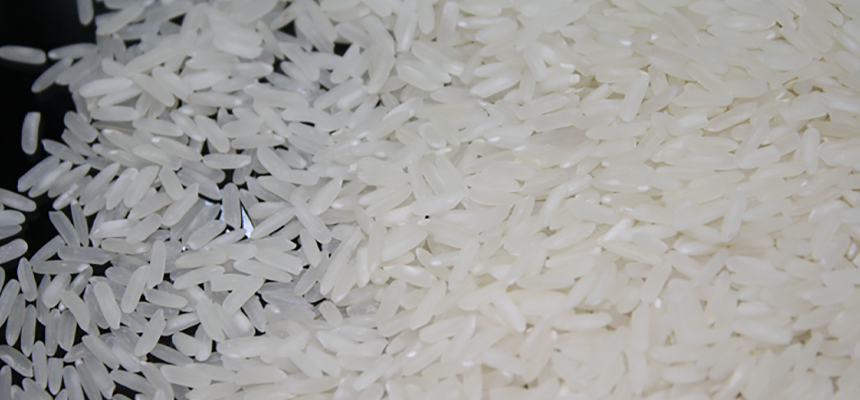
Broken pieces cook faster than whole grains and turn mushy. At 5% broken or less, cooked jasmine rice looks long and even. At 15% or 25%, it starts to look like a cheaper product. When we supply bulk jasmine rice for restaurants, we only recommend 5% broken or better.
Purity
For Hom Mali, purity is the percentage of real Hom Mali grains in the bag. Lower purity means it’s been blended with cheaper rice, and you’ll smell and taste it. Our Hom Mali is 92% minimum, which is the Thai export standard for Hom Mali.
Crop year
Jasmine rice is most fragrant in the months after harvest and slowly loses aroma as it ages. New crop rice also needs a little less water. Our post on old crop vs new crop jasmine rice explains how to adjust your cooking when the crop changes.
Moisture
14% maximum. Higher moisture rice doesn’t keep as well in a warm storeroom and can go off faster.
Cleanliness
Sortexed rice has had discoloured grains, stones and husk taken out by optical sorters. In a kitchen, that means no gritty mouthfuls and no complaints. All of our bulk jasmine rice for restaurants is sortexed.
Bag Sizes for Restaurant Use
We pack bulk jasmine rice for restaurants in the sizes kitchens actually use:
| Bag size | Who it suits |
|---|---|
| 10kg | Small restaurants, limited storage, rice used for one or two days |
| 25kg | The most common size for restaurant kitchens. One person can lift it |
| 50 lb (22.68kg) | Kitchens in the US and other markets that buy in pounds |
| 50kg | Large kitchens, central kitchens, caterers with loading equipment |
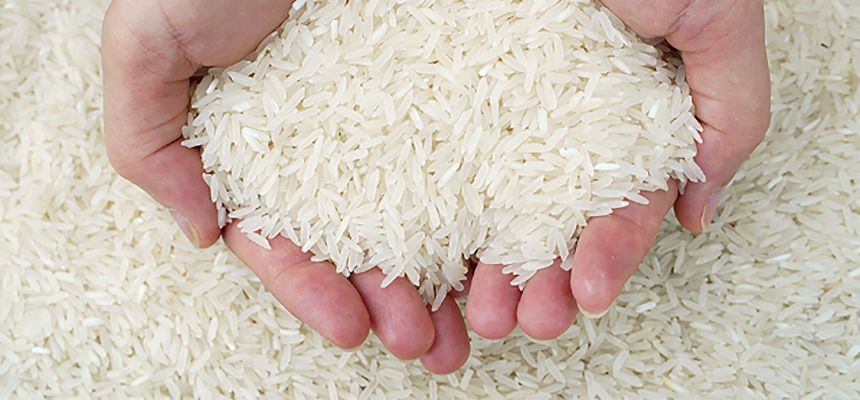
Most kitchens buying bulk jasmine rice for restaurants settle on 25kg. It’s light enough to move safely and big enough to cut packaging and cost. Bags are PP woven or laminated, and we can add a handle or a zip on smaller bags. If you buy 50kg bags, plan for two people or a trolley to move them.
Restaurant groups and distributors can also order bulk jasmine rice for restaurants in bags printed with their own brand. That’s handy if you run several outlets and want staff to recognise “your” rice, or if your distributor sells to many restaurants under one label.
How Much Rice Does a Restaurant Need?
A rough guide that works for most menus:
- About 75 to 90 g of dry jasmine rice per main portion
- Rice roughly triples in weight when cooked, so 1kg dry gives about 2.5 to 3 kg cooked
- A 25kg bag gives roughly 280 to 330 portions
So a restaurant serving 200 portions of rice a day uses about 15 to 18 kg of dry rice, or a 25kg bag every one and a half days. Over a month that’s around 20 bags, or half a ton.
That’s why direct container orders make sense for restaurant groups, central kitchens and the distributors who supply restaurants, while a single restaurant usually buys bulk jasmine rice for restaurants through a local importer who brings in our containers. Our standard minimum is one 20 foot container, about 25 tons, which can be mixed across products and bag sizes. More on that in our post on the Thai rice minimum order quantity. Our post on Thai Hom Mali rice wholesale explains how wholesale buyers order.
Cooking Bulk Jasmine Rice in a Busy Kitchen
Jasmine rice isn’t hard to cook, but in volume it’s easy to get wrong. Here’s what works for most kitchens using our rice.
- Rinse it once or twice. Thai export rice is clean, but a quick rinse takes off surface starch and stops the rice getting gluey in big batches. Don’t soak it for long, or it goes soft.
- Use less water than you think. Start at about 1 part rice to 1.1 to 1.25 parts water by volume in a rice cooker. New crop needs the lower end. Old crop needs the higher end.
- Don’t stir while it cooks. Let it steam.
- Rest it for 10 minutes before fluffing with a paddle.
- Hold it properly. Keep cooked rice hot in a warmer, and don’t keep it in the danger zone for long. Food safety rules for holding and cooling rice are set out in guides like the FDA Food Code, and your local rules may be similar.
Once you’ve found the right water ratio for our rice, write it on the rice cooker. Because bulk jasmine rice for restaurants from one mill stays consistent, that ratio shouldn’t need changing until the crop changes.
Fixing Common Kitchen Problems
Most rice complaints in restaurants come down to a handful of things, and they’re nearly always fixable.
Rice is wet and sticky. Too much water, usually because the crop has changed or someone measured by eye. Cut the water back a little and rinse the rice once more. New crop bulk jasmine rice for restaurants nearly always needs less water than old crop.
Rice is dry or hard in the middle. Too little water, or the lid was lifted during cooking. Add a splash more water next time and leave the lid alone.
Rice smells flat. Either it’s old crop, it’s been stored somewhere warm, or it’s been sitting next to strong smelling goods. Keep it cool and sealed, and use stock in date order.
Rice turns mushy in the warmer. Too much broken rice, or it’s been held too long. Check the broken percentage on your spec, and cook smaller batches more often during service.
Lots of variation between batches. Usually a sign the rice itself keeps changing because it’s bought from different places. Sticking with one supplier of bulk jasmine rice for restaurants is the cheapest fix there is.

Storing Bulk Rice in a Restaurant
Rice keeps well if it’s treated right. A few simple rules:
- Store bags off the floor on pallets or shelves, away from walls
- Keep the storeroom cool, dry and out of direct sun
- Use the oldest bags first
- Keep opened bags of bulk jasmine rice for restaurants sealed in a lidded bin
- Keep rice away from anything with a strong smell, because jasmine rice picks up odours
Stored like this, jasmine rice keeps its quality for well over a year, though the aroma is best in the first six to nine months. If you’re buying a container at a time, plan your storage before the rice arrives.
Cost: What Buying in Bulk Saves
We don’t put a fixed price on this page, because Thai rice prices change every week. What we can say is how the costs usually compare.
Rice bought in 1kg or 2kg retail packs can cost several times more per kilo than the same rice bought in 25kg bags from an importer, and an importer’s price includes their own margin on top of the container price. Restaurant groups that buy direct by the container remove a layer of that. On a group serving thousands of portions a week, the saving adds up to real money over a year.
To get an exact figure for bulk jasmine rice for restaurants delivered to your port, send us your quantity, bag size and port and we’ll quote CFR or CIF. If you’re unsure about shipping terms, our guide on FOB vs CIF rice price explains them simply.
Bulk Jasmine Rice for Restaurants by Type of Kitchen
Different kitchens want slightly different things from the same rice. Here’s how our customers tend to use it.
Thai restaurants
Almost always Hom Mali. Customers who know Thai food notice the aroma straight away, and it’s the rice served with green curry, pad krapow and grilled meats. Many Thai restaurants buy a small amount of glutinous rice in the same order for som tam and grilled chicken.
Chinese, Vietnamese and pan-Asian restaurants
Hom Mali for the steamed rice, often Pathumthani jasmine or 5% white rice for fried rice, because day-old rice with slightly firmer grains fries better. Buying both as bulk jasmine rice for restaurants in one container keeps it simple.
Fast casual, poke and rice bowl chains
These kitchens cook huge volumes and need the rice to hold well in a warmer or cold bar. Pathumthani jasmine at 5% broken is a common choice, sometimes with red cargo rice as a second option on the menu.
Hotels and buffets
Hotels usually take Hom Mali for the à la carte kitchen and a cheaper jasmine or parboiled rice for staff meals and buffets, where rice sits in chafing dishes for a long time.
Caterers and central kitchens
Large batch cooking, often in combi ovens or industrial cookers. Consistency matters more than anything, so these customers like to lock in one grade of bulk jasmine rice for restaurants and keep it for the whole year.
How Ordering Works, Step by Step
- Tell us what you need. Rice type, bag size, monthly use and your destination.
- Get samples. We courier samples of the rices that fit, usually within a week.
- Cook and test. Try them in your own kitchen with your own equipment.
- Receive the offer. We quote per ton, FOB Bangkok or delivered CFR or CIF to your port.
- Confirm and pay. Usually a deposit and the balance against documents, or a letter of credit.
- We mill, pack and inspect. An independent surveyor can check quality and weight at loading.
- Ship. You get the bill of lading, certificate of origin, phytosanitary and fumigation certificates and the rest of the paperwork.
From signed order to loading usually takes 15 to 30 days. Our guide on how to import rice from Thailand covers the import side, and our post on rice export documents explains each paper you’ll receive.
Quality Checks Before Your Rice Leaves the Mill
Every lot of bulk jasmine rice for restaurants we pack is checked in our lab before the bags are sewn: moisture, broken percentage, grain length, purity for Hom Mali, colour defects and foreign matter. We also do a cooking test, because a spec sheet can’t tell you how the rice smells in the pot.
We keep a retained sample from each lot for months after shipment. If a customer ever says a delivery cooks differently, we can cook the same lot side by side and find out why. You can read more about our process on our quality control page.
Signs You’re Buying Good Jasmine Rice
Whether you buy from us or someone else, here’s how to tell if a supplier’s bulk jasmine rice for restaurants is the real thing:
- It smells fragrant raw, before it’s cooked, when you open the bag
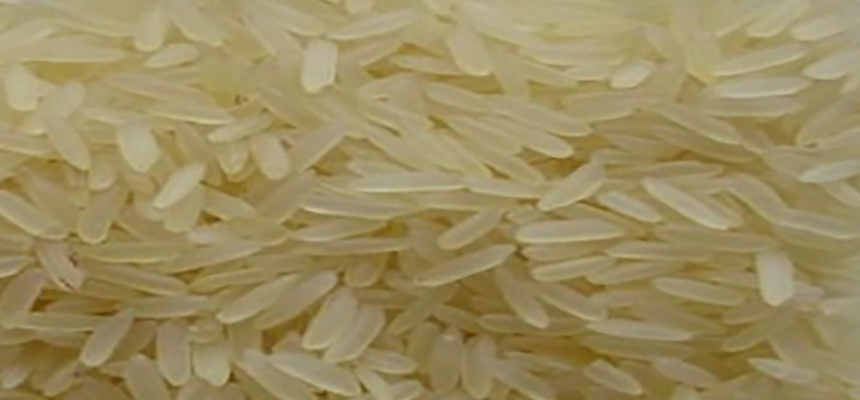
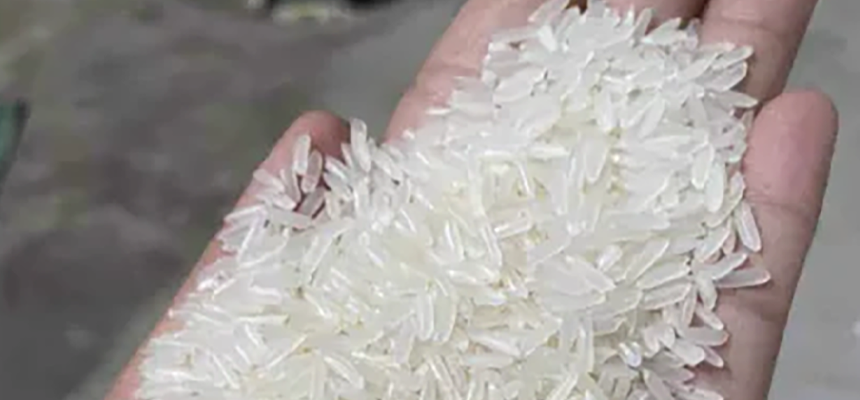
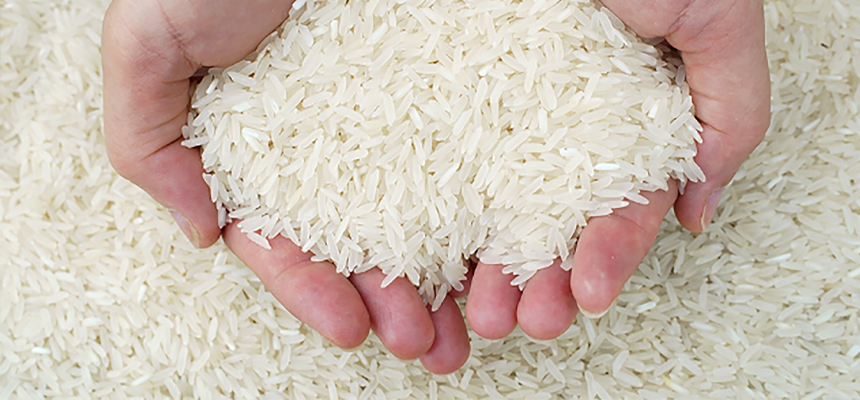
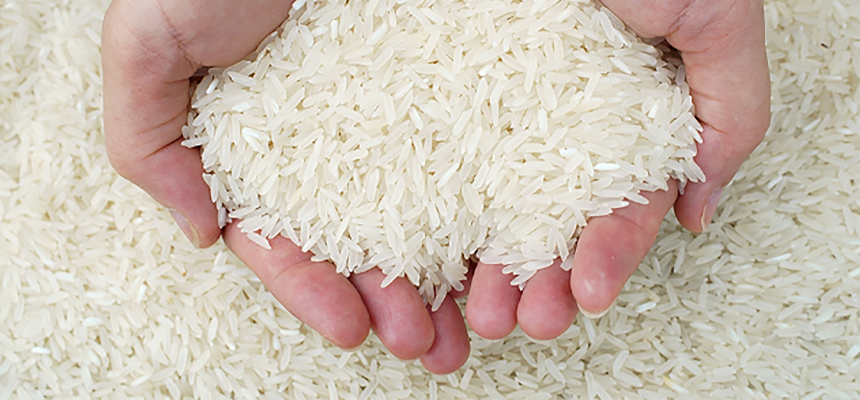
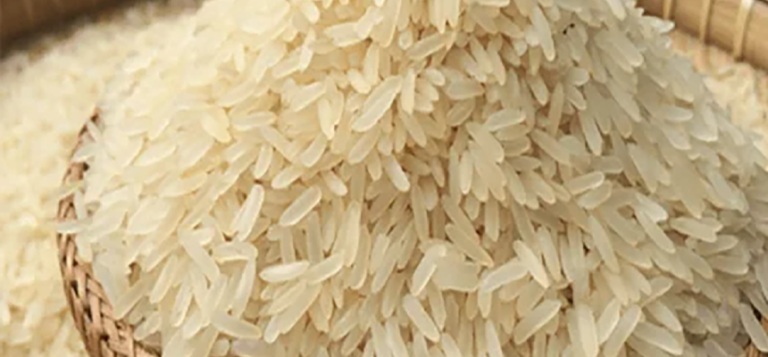
- Grains are long, slim and translucent, with very few broken pieces
- Cooked rice is soft and slightly clingy, not dry or separated like basmati
- There’s a crop year and lot number on the bag
- The supplier can tell you the variety and purity
Our post on how to identify genuine Thai Hom Mali rice goes through simple tests you can do in your own kitchen. For the history of the variety, the jasmine rice article on Wikipedia is a good general background.
Other Rice Restaurants Buy From Us
Many customers who order bulk jasmine rice for restaurants add other rice to the same container, which keeps the minimum order easy to hit:
- Thai glutinous rice for sticky rice, mango sticky rice and desserts
- Thai white rice 5% broken for fried rice and staff meals
- Thai parboiled rice for buffets and dishes that need rice to hold its shape
- Thai red cargo rice for health-focused menus
- Organic jasmine rice for organic and premium concepts
If you’re comparing sticky rice and jasmine rice for a menu, see our post on glutinous rice vs jasmine rice.
Frequently Asked Questions
What is the best bulk jasmine rice for restaurants?
For Thai food and premium menus, Thai Hom Mali at 92% purity and 4.5% broken or less. For high volume kitchens where cost matters more, Thai Pathumthani jasmine rice at 5% broken gives good aroma at a lower price.
Can a single restaurant order directly from you?
Our minimum is one container, about 25 tons, so most single restaurants buy our rice through a local importer or distributor. Restaurant groups, central kitchens and caterers often order direct. If you’re a single site, tell us your city and we’ll try to point you to someone who stocks our rice.
Do you supply bulk jasmine rice for restaurants in other countries?
Yes. We ship worldwide: Asia, the Middle East, Africa, Europe, North and South America, and Australia.
What bag size do most restaurants buy?
25kg. In the US, 50 lb bags are common, and we pack those too. See 50 lb bag jasmine rice wholesale for details.
How long does jasmine rice keep?
Over a year in a cool, dry store. Bulk jasmine rice for restaurants is best used within six to nine months for the strongest aroma, so order in amounts you’ll use in that time.
Can we get our restaurant brand on the bag?
Yes. Private label bags are available on container orders. The first print run takes a few extra weeks for the printing cylinders.
Is your jasmine rice halal?
Rice is naturally halal, and as a halal certified rice supplier we can supply a halal certificate with shipments on request.
Order Bulk Jasmine Rice for Restaurants From Thailand
We’re De Thai Products 1989 Company Limited, a rice miller and exporter in Chachengsao, Thailand. We supply bulk jasmine rice for restaurants, hotels, caterers and food distributors around the world, with full export documents, inspection at loading and samples before you buy.
Whether you run one busy dining room or fifty, we can set up a regular supply of bulk jasmine rice for restaurants that arrives on schedule and cooks the same every time. Tell us which rice you’re interested in, the bag size, roughly how much you use each month, and where you are. We’ll send samples and a quote, and suggest a container mix that fits your kitchen.
Email info@dethairice.com, WhatsApp +66 81 034 6390, or use our contact page.
13 thoughts on “Bulk Jasmine Rice for Restaurants: Best Direct Offer”