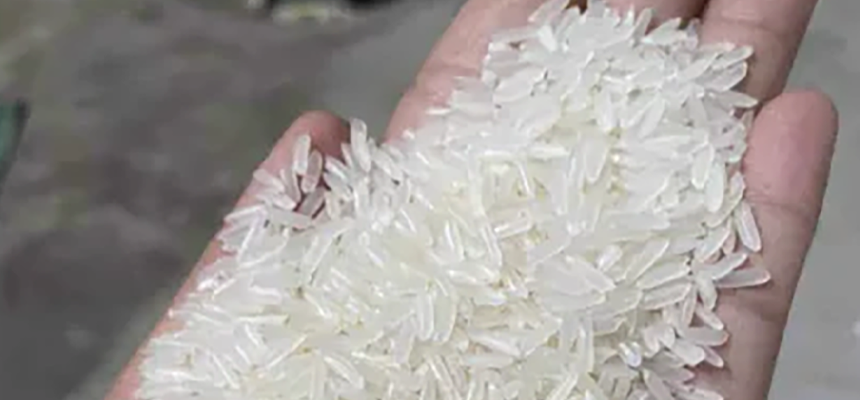
Walk into any supermarket in Toronto, Chicago or Los Angeles and look at the rice aisle. Twenty years ago brown rice had one shelf, usually the bottom one. Now there’s brown jasmine, brown basmati, sprouted brown rice, microwave pouches, brown rice blends with quinoa, and brown rice on the menu of every bowl restaurant in town. Brown rice demand in North America has moved from a health food corner to the mainstream, and it hasn’t slowed down.
We’re De Thai Products 1989 Company Limited, a rice miller and exporter in Thailand. We sell brown rice in bulk and in private label packs, including long grain brown rice and Thai brown jasmine rice, to importers, distributors, supermarkets, restaurants and food manufacturers across the United States and Canada, and worldwide. This page looks at where brown rice demand in North America comes from, what buyers there want, the specs we sell to, and how to bring in a container from Thailand.
Table of Contents
What Brown Rice Is
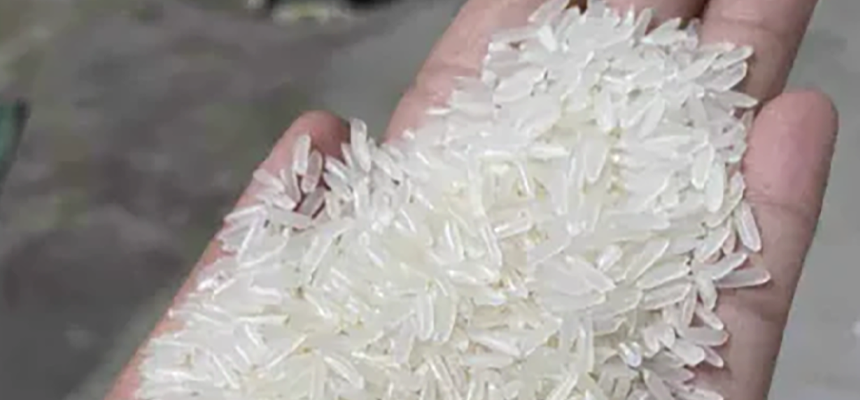
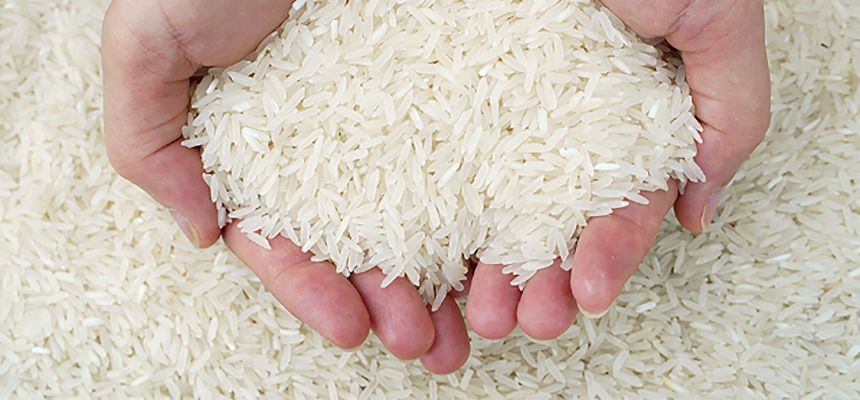
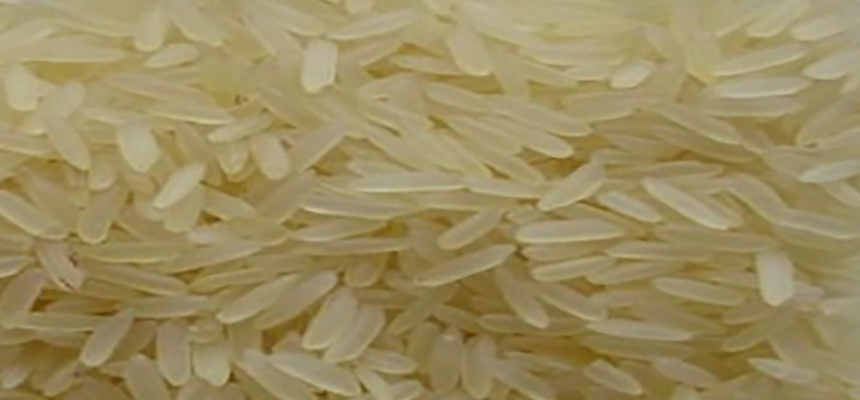
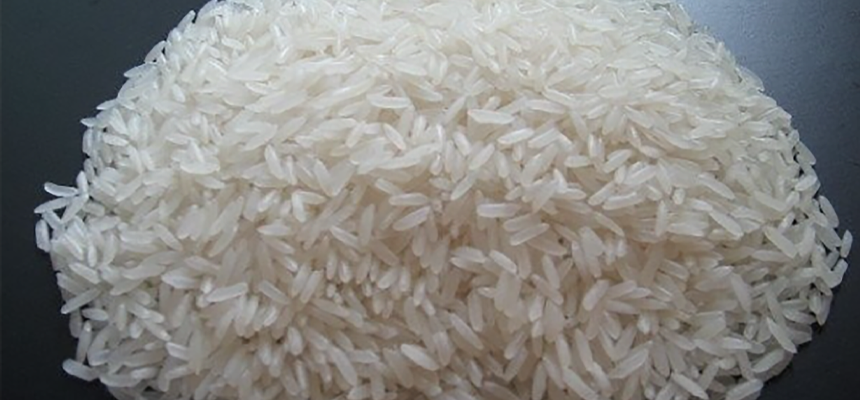
Rice comes off the field as paddy, with a hard husk around each grain. Take the husk off and you have brown rice. Keep milling to strip off the bran layer and the germ and you have white rice. That’s the whole difference. Brown rice keeps the bran and the germ, so it has more fiber, more minerals and more B vitamins, a nutty taste and a chewier bite. The brown rice article on Wikipedia has a good general summary if you want the background.
The trade-off is that brown rice cooks more slowly and keeps for less time, because the bran contains natural oils that can go stale. That one fact shapes a lot of how brown rice is bought, shipped and stored, and we’ll come back to it.
Where Brown Rice Demand in North America Comes From
A few things have pushed brown rice up over the last couple of decades.
Whole grain advice. US and Canadian dietary guidelines have told people for years to make half their grains whole grains. Brown rice is one of the easiest ways to do that, and it’s naturally gluten-free.
Diabetes and weight concerns. Brown rice has more fiber and a lower glycemic response than most white rice. People managing blood sugar, and doctors and dietitians advising them, often suggest it.
Bowl restaurants and meal prep. Poke shops, burrito chains, grain bowl places and meal kit companies almost always offer brown rice as a base. Every one of those outlets buys in bulk.
Asian and South Asian communities. Brown jasmine and brown basmati are popular with home cooks who already eat jasmine and basmati and want a whole grain version.
Convenience products. Microwave pouches, frozen brown rice and ready meals have made brown rice easier for people who don’t want to wait 45 minutes for a pot.
Gluten-free and plant-based foods. Brown rice flour, brown rice protein and brown rice syrup go into a long list of packaged foods.
None of this is a fad that’ll be gone next year. Brown rice demand in North America is built on habits that have been forming for a long time.
Why Shoppers Pick Brown Rice
It helps to know what’s in the shopper’s head, because that’s what drives brown rice demand in North America in the end. Most people who switch from white to brown rice give the same reasons: more fiber, feeling full longer, steadier blood sugar, and a general sense that whole grains are better for them. Some just like the nutty taste and the chew.
What puts people off is the cooking time and the texture if it’s undercooked. That’s why quick-cook and pre-cooked brown rice have done well, and why brown jasmine, which is softer, wins over people who found long grain brown too chewy. If you’re writing your own pack copy, lean on taste and fullness as much as health. People buy health once. They buy taste every week.
There’s one more point worth knowing. Brown rice carries more inorganic arsenic than white rice, because arsenic collects in the bran. It’s been in the news in the US and Canada, and some retailers now ask for test results. It’s not a reason to avoid brown rice, but it’s a reason to have a lab report ready when a buyer asks. Being ready for that question is part of serving brown rice demand in North America well.
What Brown Rice Demand in North America Looks Like in Practice
From the inquiries we get, buyers in the US and Canada tend to want a few specific things.
- Long grain brown rice for general retail and food service. Cooks separate, mild flavor.
- Brown jasmine rice for Asian grocery, premium retail and restaurants. Softer, with some of the jasmine aroma.
- Specialty rice like red cargo and riceberry for health food stores and premium shelves.
- Clean labels. Non-GMO, gluten-free, and often organic.
- Tight specs on paper, including arsenic testing for some buyers.
- Private label packs in 2 lb, 5 lb and 10 lb bags, or 1 kg and 2 kg in Canada.
- Food service bags of 25 lb, 50 lb or 25 kg for kitchens.
If your buyers are in this market, these are the details to get right before you place the first order.
What We Sell
We built our range around brown rice demand in North America. Here’s what we sell:
- Brown rice, whole grain long grain, bran and germ intact.
- Thai brown jasmine rice, also called brown Hom Mali. See our post on Thai brown jasmine rice wholesale.
- Thai red cargo rice, a red-bran whole grain rice.
- Riceberry, a dark purple whole grain rice. See riceberry rice wholesale.
- Organic options on request. Our post on organic brown rice suppliers Canada explains what’s involved.
Our full range is on the products page.
Brown Rice Specifications
These are the specs we normally contract for long grain brown rice for buyers serving brown rice demand in North America. Brown jasmine specs are similar, with jasmine purity added.
| Item | Thai Long Grain Brown Rice |
|---|---|
| Grain | Whole grain, bran and germ intact |
| Purity | 95% min |
| Moisture | 14% max |
| Broken grains | 5% max, adjustable on request |
| Green and immature grains | Limited according to grade |
| Unhusked paddy grains | Limited according to grade |
| Foreign matter | 0.5% max |
| Crop | Current season |
| Shelf life | About 6 to 12 months in cool, dry storage |
| Packing | 25 kg, 50 lb or retail private label |
A certificate of analysis goes with every shipment. If your customers need lab tests for pesticide residue, heavy metals or inorganic arsenic, we can arrange testing at an accredited lab and send the report with the papers. Our rice standard page has more on Thai grading.
Long Grain Brown or Brown Jasmine?
This comes up all the time when buyers talk about brown rice demand in North America, so here’s the short answer.
Long grain brown rice is the everyday product. It cooks up separate and a bit firm, has a mild nutty taste, and suits bowls, burritos, side dishes and meal prep. It’s usually the cheaper of the two.
Brown jasmine is softer and slightly sticky, with a light jasmine smell. Asian grocery shoppers like it, and it’s become popular in premium retail. It costs more, because whole jasmine costs more.
If you’re stocking a general supermarket shelf or supplying a burrito chain, long grain brown is the safe start. If you’re selling into Asian grocery or premium health retail, brown jasmine usually moves better. A lot of distributors carry both.
The Shelf Life Problem
This is the part that catches new brown rice importers out. Because the bran is still on the grain, its natural oils can go rancid over time, especially in heat. A container that spends weeks crossing warm water and then sits in a hot warehouse can lose quality before it’s sold.
Here’s how we deal with it:
- We mill and pack close to the shipping date, not months ahead.
- We keep moisture tight.
- We offer vacuum-packed retail bags and lined bulk bags.
- We plan shipments so the rice isn’t sitting at the port.
- For long holds, we suggest smaller, more frequent orders instead of one big one.
On your side, store brown rice cool and dry, rotate stock strictly, and don’t overbuy. For brown rice demand in North America to turn into repeat customers, the rice on the shelf has to taste fresh.
Shipping to the US and Canada
Shipping is where brown rice demand in North America meets the long sea route from Asia. We ship from Bangkok and Laem Chabang. Common routes go to Los Angeles, Long Beach, Oakland, Seattle and Tacoma on the West Coast, Vancouver and Prince Rupert for Canada, and New York, Savannah, Houston and Montreal through longer routings. West Coast transit is usually three to four weeks. East Coast takes longer.
We quote FOB Thailand or CIF your port. If you’re new to the difference, our post on FOB vs CIF rice price explains it.
Import Rules in the US and Canada
You’ll need your own import setup to serve brown rice demand in North America, but here’s what to expect.
United States. Food importers deal with the FDA. Shipments need prior notice before arrival, the foreign facility needs FDA registration, and the importer usually needs a Foreign Supplier Verification Program in place. Labels must meet US rules for nutrition facts, ingredients and allergens. Customs clearance goes through CBP.
Canada. Importers generally need a Safe Food for Canadians license from the CFIA, a preventive control plan, and bilingual English and French labels for retail packs.
We supply the documents your broker and your FSVP or PCP need: commercial invoice, packing list, bill of lading, certificate of origin, phytosanitary certificate, fumigation certificate, certificate of analysis, and lab reports. Our rice export documents checklist goes into each one.
Private Label Brown Rice
A big share of brown rice demand in North America is for store brands and private label. Retail chains, Asian grocery groups and online sellers want their own name on the bag. We pack brown rice in printed bags with your design, in sizes from 1 kg or 2 lb up to 25 kg or 50 lb. Send us your artwork, or we can help with the layout.
For the full process, see rice supplier for supermarkets and private label Thai Hom Mali rice.
Supplying Food Manufacturers
Manufacturing is a quiet but large part of brown rice demand in North America. Brown rice goes into frozen meals, microwave pouches, rice cakes, cereals, snack bars and flour. Manufacturers usually need tighter specs: microbiology, residue tests, consistent moisture and grain size. If you’re buying for a plant, send us your spec sheet. We’ll tell you clearly which points we can meet. Our post on rice supplier for food manufacturers has more detail.
Restaurants and Food Service
Food service is a big part of brown rice demand in North America. Bowl chains, Asian restaurants, university dining halls, hospitals and meal kit companies all cook brown rice daily. They want consistent cooking from bag to bag and a supplier who doesn’t run out. Most buy through distributors in 25 lb or 50 lb bags. If you’re a food service distributor, ask us about a regular shipping schedule so you’re never caught short. See also bulk jasmine rice for restaurants.
Quality Control
Quality is what turns brown rice demand in North America into repeat orders. On every lot we do the following.
- Color sorting to remove discolored grains, stones and paddy
- Moisture checks on the bagging line
- Visual check for green and immature grains
- Fumigation before loading, with certificate
- Retained sealed sample from each lot
- Independent survey at loading on request
- Third-party lab testing on request
You can read more on our quality control page.
Brown Rice Demand in North America by Channel
Not every buyer is chasing the same thing. Here’s how we see brown rice demand in North America split up.
Mainstream supermarkets. Long grain brown in 2 lb and 5 lb bags, plus brown rice blends. Price matters, and so does a familiar look in the bag. Store brands compete directly with national brands here.
Asian grocery chains. Brown jasmine is the strong seller, often in 5 lb, 10 lb and 25 lb bags. Shoppers know Thai jasmine and trust it. In our experience, brown rice demand in North America from this channel has grown fastest in the last few years.
Health food and natural stores. Organic, sprouted, red cargo and riceberry. Smaller volumes, higher prices, and buyers who read every word on the label.
Food service. Large bags, steady supply, consistent cooking. Bowl chains and institutional kitchens don’t want surprises.
Manufacturing. Brown rice for frozen meals, pouches, snacks, cereals and flour. Specs and lab numbers matter more than anything.
Online sellers. Smaller brands selling direct to consumers, often with a health or ethnic angle. They want private label and short runs to start.
If you know which channel you’re selling into, you’ll know which product to buy first.
US-Grown Brown Rice vs Imported Thai Brown Rice
The United States grows a lot of rice, mainly in Arkansas, California, Louisiana, Mississippi, Missouri and Texas. Much of the brown rice on US shelves is domestic long grain or Californian medium grain. So why import from Thailand at all?
Three reasons come up. First, jasmine. Brown jasmine with the real Thai aroma comes from Thailand, and shoppers who want it look for it. Second, price and supply for some grades, depending on the year and the domestic crop. Third, specialty rice like red cargo and riceberry, which aren’t grown at scale in North America.
Canada grows almost no rice, so all of its brown rice is imported, mostly from the US and Asia. That makes Canada a straightforward market for Thai brown rice, especially brown jasmine.
So brown rice demand in North America isn’t one market. Domestic long grain covers a big part of it, and imported Thai brown rice fills the jasmine, specialty and value gaps.
Cooking Brown Rice
Good cooking advice on the pack helps sell brown rice, because people who cook it badly don’t buy it again. Rinse the rice. Soak for 30 minutes if there’s time. Use about 1 cup of rice to 2 to 2.25 cups of water. Bring to a boil, cover, and simmer on low for 40 to 45 minutes. Rest for 10 minutes before opening the lid. Brown jasmine needs a little less water and cooks a bit faster. In a rice cooker, use the brown rice setting.
We can print cooking instructions in English and French on private label bags, which is required for Canadian retail.
How to Start Importing Brown Rice
If you’re new to this, here’s a simple order of things.
- Decide your channel and product: long grain brown, brown jasmine, or specialty.
- Get your import paperwork in place: FDA registration checks and FSVP in the US, SFC license in Canada.
- Ask for samples and cook them yourself.
- Agree a written spec, packing and label design.
- Get a dated quote, FOB or CIF.
- Book a customs broker at your end.
- Place a first order of one container, split if you like.
- Plan the second container before the first one is sold out.
That last point matters more than people think. Brown rice demand in North America rewards suppliers who keep the shelf full.
Mistakes We See
- Buying too much brown rice at once and watching it go stale in the warehouse.
- Shipping in midsummer without thinking about heat in the container and the warehouse.
- Skipping lab tests when a retail customer is going to ask for them anyway.
- Using a white rice cooking time on a brown rice label.
- Forgetting bilingual labels for Canada.
Each one is easy to avoid if you plan for it.
Price
We don’t post fixed prices, and anyone serious about brown rice demand in North America knows why. Thai rice prices move with the harvest, the baht and freight. As a rule of thumb, long grain brown rice is priced close to the matching white grade, sometimes a little above. Brown jasmine is priced well above long grain brown, following whole jasmine. Organic adds a premium on top. Retail packing, vacuum bags and lab tests add cost per ton.
For a quote, send us the variety, quantity, packing, destination port, and whether you need organic or extra testing.
Minimum Order
Our usual minimum is one 20-foot container, which suits most importers serving brown rice demand in North America. For a first order you can split it between long grain brown and brown jasmine, or between brown rice and white jasmine. See Thai rice minimum order quantity. If you also buy white jasmine for the US, our post on wholesale jasmine rice suppliers USA is worth a read.
Frequently Asked Questions
Is brown rice demand in North America still growing?
From what we see in our own inquiries, yes. Interest from bowl restaurants, private label and health retail keeps rising, and brown jasmine is growing fastest.
Do you sell brown jasmine rice?
Yes. It’s one of the fastest growing parts of brown rice demand in North America. We sell Thai brown jasmine, also called brown Hom Mali, in bulk and private label.
Can you provide arsenic test reports?
Yes, through an accredited lab, on request.
How long does brown rice keep?
About 6 to 12 months in cool, dry storage. Vacuum packs last longer.
Do you ship to Canada?
Yes. We ship to Vancouver, Prince Rupert, Montreal and other Canadian ports, as well as across the US.
Can you print our brand on the bags?
Yes. We pack private label in retail and food service sizes.
Get a Quote
If you’re building a business around brown rice demand in North America, send us the variety, packing, quantity and port. We’ll send samples and a dated offer with the full spec in writing.
De Thai Products 1989 Company Limited. Email info@dethairice.com, WhatsApp +66 81 034 6390, or use our contact page. You can also read about us.