


Thai Hom Mali rice certification for US buyers isn’t one single certificate. It’s a small stack of papers, tests and marks that together prove the rice in the bag is genuine Hom Mali from Thailand, that it’s safe, and that it can clear US customs. We’re a Thai rice mill and exporter, and we sell certified Thai Hom Mali rice by the container to American importers, distributors and retailers, with the full set of documents for every shipment.
I’ve written this because the question comes up in nearly every first conversation we have with an American buyer: “What certificates will I get?” Here’s the full answer, in plain language. I’ll go through what the Thai side certifies, what the US side expects, which extra certificates are worth asking for, seven checks I’d run on any supplier, and what we sell, with specifications.
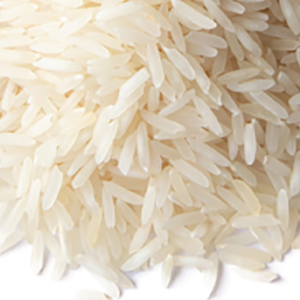
Table of Contents
Thai Hom Mali Rice Certification for US Buyers: The Short Answer
If you only remember one thing, remember this. Proper Thai Hom Mali rice certification for US buyers covers three separate questions:
- Is it really Hom Mali? Answered by the Thai Hom Mali standard, purity testing and the official certification mark.
- Is it the grade and quality I paid for? Answered by an independent quality and weight certificate.
- Can it legally enter the US? Answered by the shipping and plant health documents, the supplier’s FDA facility registration, and your own import compliance.
Everything else in Thai Hom Mali rice certification for US buyers, halal, organic and so on, is optional and depends on who you sell to.
What Counts as Thai Hom Mali Rice?
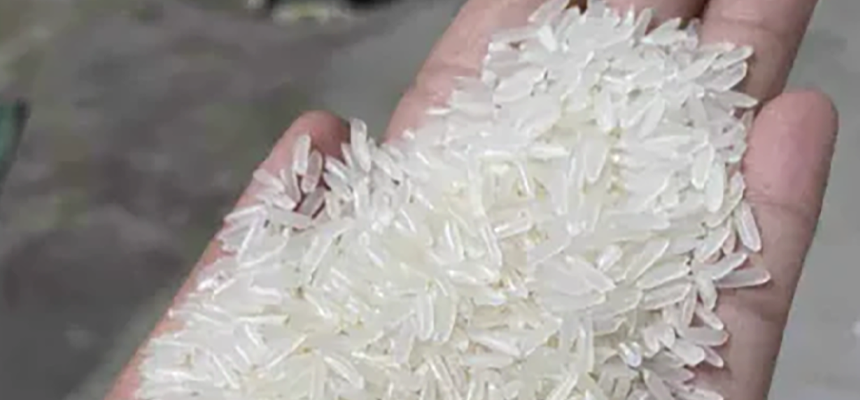
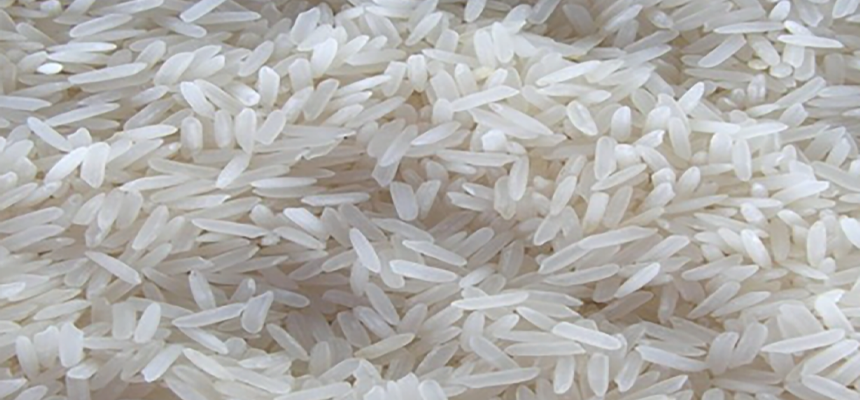
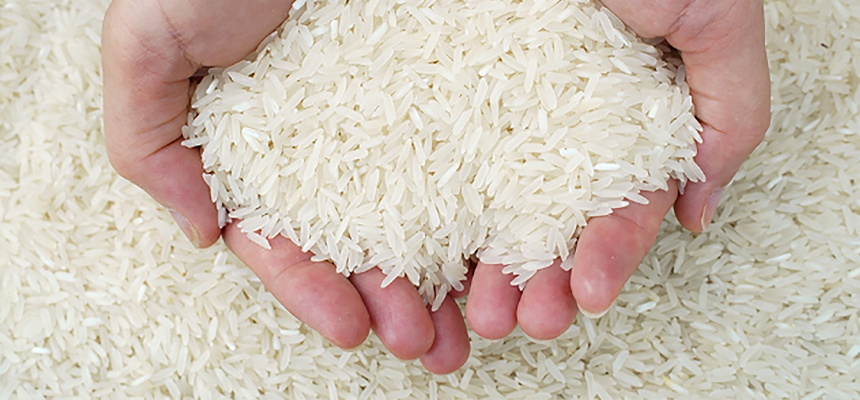
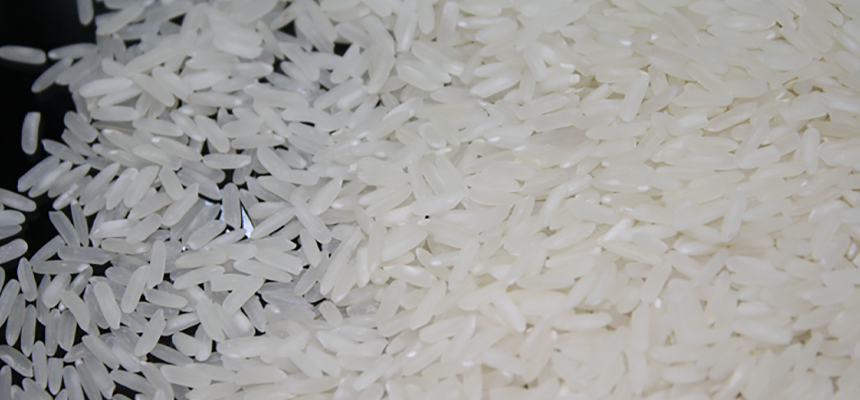
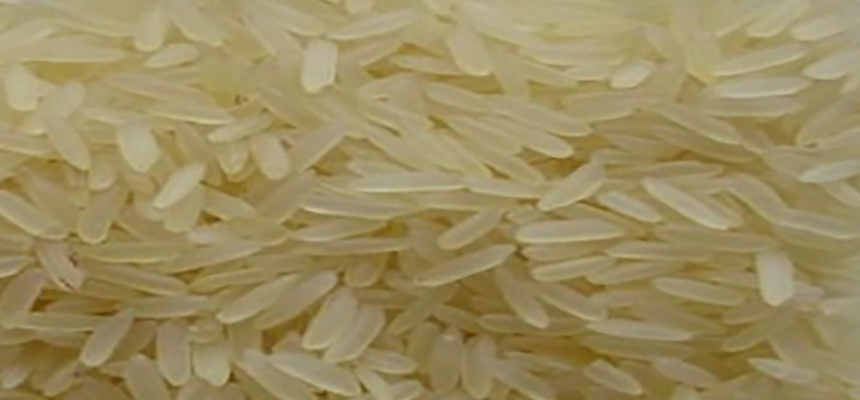
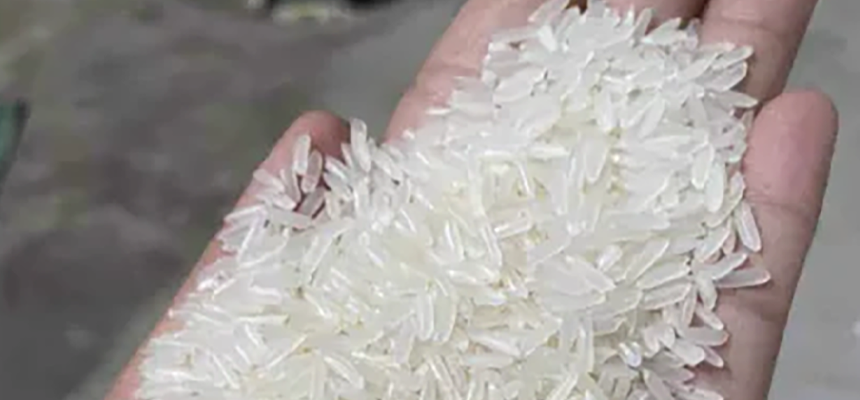
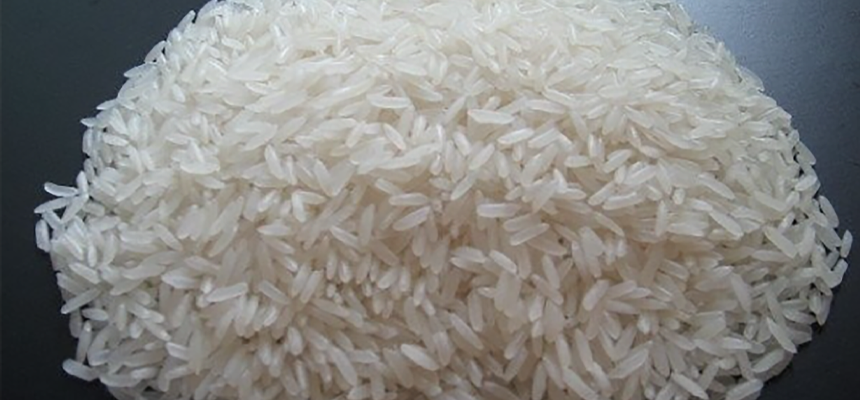
Before getting into Thai Hom Mali rice certification for US buyers, it’s worth being clear about the product. Thai Hom Mali rice is jasmine rice from specific Thai varieties, mainly Khao Dawk Mali 105 (KDML 105) and RD15, grown mostly in the northeast of Thailand. It’s known for a strong natural fragrance and a soft, slightly sticky texture when cooked. The jasmine rice entry on Wikipedia covers the history.
Under the Thai export standard, rice sold as Thai Hom Mali has to contain at least 92% Hom Mali grains. That 92% figure is the heart of Thai Hom Mali rice certification for US buyers, because cheap blends with ordinary long grain are the main fraud risk in this market. If you’d like to know more about the variety, read our page on Hom Mali 105 rice (KDML 105).
The Thai Side: How Hom Mali Gets Certified
The Thai Hom Mali rice standard
Thailand’s Ministry of Commerce sets the standard that every Thai Hom Mali rice certification for US buyers starts from, including the minimum purity, the allowed broken percentage for each grade, moisture limits and so on. Export shipments of Hom Mali are inspected against this standard before they leave the country.
Purity testing
How do you prove rice is 92% Hom Mali when it looks a lot like other long grain? Labs use a combination of physical and chemical checks, such as the alkali spreading test and amylose content, and DNA testing can confirm the variety. You don’t need to understand the chemistry. What matters is that the rice has been tested by a recognised lab and the result is on paper.
The certification mark
Thailand’s Department of Foreign Trade owns an official Thai Hom Mali rice certification mark, a logo that approved packers can print on bags of rice that meet the standard. It’s registered as a trademark in many countries, the US among them. When you see it on a bag, it should mean the rice has passed the purity checks. Using it without permission isn’t allowed, and genuine use is tracked. For a lot of American shoppers in Asian grocery stores, that logo is the quickest signal of the real thing.
The export inspection certificate
Before a Hom Mali shipment is cleared to leave, it’s inspected and a certificate is issued confirming it meets the standard for the grade shown on the contract. This is one of the key papers in any Thai Hom Mali rice certification for US buyers, and we include it with every Hom Mali container.
Geographical indication
Some Hom Mali grown in the Thung Kula Rong Hai area of northeast Thailand is protected as a geographical indication, including in the European Union. It’s a premium niche. Most US buyers don’t need it, but if you’re building a top shelf brand, ask about it.
The Shipping and Plant Health Documents
These are part of Thai Hom Mali rice certification for US buyers, and they come with every container we ship, Hom Mali or not:
- Commercial invoice and packing list. What’s in the container and what it’s worth.
- Bill of lading. The shipping document and title to the goods.
- Certificate of origin. Confirms the rice is a product of Thailand.
- Phytosanitary certificate. Issued by the Thai authorities to confirm the consignment has been inspected for pests.
- Fumigation certificate. Confirms the container or bags were fumigated before loading.
- Certificate of quality and weight. From an independent surveyor such as SGS, Intertek or Bureau Veritas, confirming the rice matches the contract specs and the weight is correct.
Our full list is in rice export documents.
The US Side: What American Importers Need
Getting Thai Hom Mali rice certification for US buyers right also means meeting American requirements. I’m an exporter, not a US regulatory advisor, so check the details with your customs broker. In general, though, this is what’s involved.
FDA food facility registration
This part of Thai Hom Mali rice certification for US buyers sits with the supplier. Foreign facilities that make, process, pack or hold food for the US have to be registered with the FDA. Ask your supplier for their registration number. We provide ours.
Prior notice
The FDA must be told about food shipments before they arrive. Your customs broker normally files this.
Foreign Supplier Verification Program
Most US importers of food need an FSVP: a documented process for assessing the risks of each food and checking that each foreign supplier is producing it safely. The FDA’s FSVP rule page sets out the requirements. A good supplier makes this easy by sharing its food safety documents, test results and certificates. We do.
Labelling
Labels are the visible end of Thai Hom Mali rice certification for US buyers. Retail bags need US compliant labels: common name, net weight in US and metric units, the name and place of business of the manufacturer, packer or distributor, a Nutrition Facts panel, and country of origin. The FDA’s guidance on importing food products into the United States is a good starting point. We print to your approved artwork.
Residues and contaminants
Residue limits are a part of Thai Hom Mali rice certification for US buyers that people tend to forget. Pesticide residues have to fall within US tolerances. Many US buyers also ask for heavy metal tests, especially arsenic and cadmium, and some ask for microbiology. We arrange lab testing on request and send you the reports.
Optional Certificates Worth Asking For
Depending on who you sell to, you may want more than the basic Thai Hom Mali rice certification for US buyers.
| Certificate | Who wants it | Available from us |
|---|---|---|
| Halal | Muslim consumers, halal food service, some retailers | Yes, on request |
| Organic (USDA Organic for US retail) | Natural food stores, organic brands | Ask us for current status on organic lines |
| Non GMO statement | Natural and clean label brands | Yes, Thai rice is not genetically modified |
| Lab analysis (heavy metals, residues, micro) | Most retailers, FSVP files | Yes, on request |
| Kosher | Kosher consumers, some retailers | Ask us |
| Food safety system audits | Big retailers and food service chains | Ask us for our current certificates |
More on two of these in our posts on being a halal certified rice supplier and a non GMO Thai rice supplier.
7 Checks to Run on Any Supplier
Here’s how I’d check Thai Hom Mali rice certification for US buyers with any supplier, us included.
1. Ask for the full document list in writing
Before you sign, get a written list of every certificate that will come with the shipment. If the Hom Mali inspection certificate and the quality and weight certificate aren’t on it, ask why.
2. Ask for a sample certificate set
A supplier who ships Hom Mali regularly can show you a recent example set with the customer details blanked out. Look at who issued each one.
3. Choose your own surveyor
You should be able to nominate or approve the inspection company that checks quality and weight at loading.
4. Test the rice yourself
Cook the samples. Smell the raw rice. Better still, send a sample to a lab for a purity check. Our guide on how to identify genuine Thai Hom Mali rice lists nine tests you can do.
5. Check the FDA registration
Ask for the facility’s FDA registration number and confirm it with your broker.
6. Ask about the certification mark
If you want the official Thai Hom Mali logo on your bags, ask whether the supplier is approved to use it for your packing and what’s needed to put it on your private label.
7. Make the certificates a condition of payment
Under a letter of credit, list the required certificates as documents for payment. Under other terms, write them into the contract. That’s the simplest way to make sure Thai Hom Mali rice certification for US buyers is delivered, not just promised.
What We Sell
We mill and export from Chachengsao, close to Bangkok’s ports. Every Hom Mali container we ship to the US goes with the full certificate set described above.
| Specification | Thai Hom Mali rice 100% Grade A | Thai Hom Mali rice 5% broken |
|---|---|---|
| Variety | KDML 105 / RD15 | KDML 105 / RD15 |
| Hom Mali purity | 92% minimum | 92% minimum |
| Broken grains | 4.5% maximum | 7% maximum |
| Moisture | 14% maximum | 14% maximum |
| Average whole grain length | 7.0 mm minimum | 7.0 mm minimum |
| Chalky grains | 6% maximum | 6% maximum |
| Red and undermilled grains | 0.5% maximum | 0.5% maximum |
| Yellow grains | 0.2% maximum | 0.5% maximum |
| Sorting | 100% sortexed | 100% sortexed |
| Crop | New crop | New crop |
| Packing | 5 lb, 10 lb, 25 lb, 50 lb, or 1 to 50 kg | Same |
| Brand | Our brand or your private label | Same |
| Documents | Full Thai and export certificate set, plus optional certificates | Same |
Full product details are on our Thai Hom Mali rice page. If you want a cheaper fragrant rice alongside, look at Thai jasmine rice (Pathumthani). The differences are explained in Thai Hom Mali vs jasmine rice, and the top grade is covered in Thai Hom Mali rice 100% Grade A.
Private Label and the Certification Mark
Most of our American buyers sell under their own brand. Private label doesn’t weaken Thai Hom Mali rice certification for US buyers, as long as the rice and documents are right. The certificates relate to the rice and the shipment, not the brand on the bag. Using the official Thai Hom Mali logo on your own bag takes a few extra steps, and we’ll walk you through them. Read private label Thai Hom Mali rice for the full process.
Price, Minimum Order and Lead Time
Thai Hom Mali rice certification for US buyers is included in every Hom Mali quote we send. Our minimum is one 20 foot container, about 25 tonnes, with mixed bag sizes allowed. Lead time is usually 15 to 30 days from confirmed order, plus a little extra for a first private label print. We quote FOB Thailand or CFR and CIF to your US port. For current price levels, see Thai Hom Mali rice price per ton. Optional lab tests and extra certificates are quoted separately so you only pay for what you need.
Common Mistakes With Hom Mali Paperwork
- Assuming “jasmine” means Hom Mali. It doesn’t. Without the Hom Mali inspection certificate, you can’t be sure.
- Accepting a supplier’s own quality report only. Insist on an independent surveyor.
- Forgetting the FSVP. The paperwork from Thailand doesn’t replace your own obligations as importer.
- Printing the logo without approval. It can cause problems for you and your supplier.
- Not tying documents to payment. If they’re not a condition, they can go missing.
Why the Paperwork Is Worth It
Some buyers see Thai Hom Mali rice certification for US buyers as just another cost. I’d see them as insurance. Jasmine rice demand in America keeps growing, and so does the temptation to sell blended rice as Hom Mali. Proper Thai Hom Mali rice certification for US buyers is what protects your brand, your customers and your margin. When a shopper opens one of your bags and smells real new crop Hom Mali, they come back. That’s the whole point.
For more on the market, read jasmine rice demand in the USA. If you’re choosing a grade, see the best Thai jasmine rice for American kitchens, and if you’re comparing sources, wholesale jasmine rice suppliers in the USA. Shipping to Canada too? Read jasmine rice imports to Canada.
Who Issues What: A Simple Map
People get lost in Thai Hom Mali rice certification for US buyers mostly because there are several organisations involved. This table puts it on one page.
| Document or check | Issued or done by | What it proves |
|---|---|---|
| Hom Mali export inspection certificate | Inspection under the Thai Ministry of Commerce system | Rice meets the Thai Hom Mali standard and grade |
| Thai Hom Mali certification mark | Department of Foreign Trade, for approved packers | Packed rice has passed the purity checks |
| Quality and weight certificate | Independent surveyor | Specs and weight match your contract |
| Certificate of origin | Thai authorities | The rice is a product of Thailand |
| Phytosanitary certificate | Thai plant protection authorities | Consignment inspected for pests |
| Fumigation certificate | Licensed fumigation company | Container or cargo fumigated |
| FDA facility registration | US FDA, held by the supplier | Supplier facility is registered |
| Prior notice and entry | Your US customs broker | Shipment declared to US authorities |
| FSVP file | You, the US importer | You’ve verified the supplier and the food |
Read down the right hand column and you’ll see why each one matters. Leave one out and there’s a question nobody can answer when a customer, an auditor or a customs officer asks.
How Long Each Step Takes
Buyers sometimes worry that Thai Hom Mali rice certification for US buyers slows a shipment down. In practice it runs alongside milling and packing, so it adds very little time if it’s planned.
- Purity testing and Hom Mali inspection: a few days, done while the rice is being prepared.
- Surveyor inspection at loading: on the day of loading, report within a few days.
- Phytosanitary and fumigation: arranged around loading.
- Certificate of origin: issued once shipping details are confirmed.
- Optional lab tests: about one to two weeks, so ask for them early.
The one thing that does cause delays is changing your mind about certificates after the rice is packed. Decide up front, put it in the contract and we’ll schedule everything together.
One Container, From Order to US Release
Here’s how Thai Hom Mali rice certification for US buyers fits into a typical order with us, using a West Coast importer buying one 20 foot container of Hom Mali in 25 lb private label bags.
- The importer sends their spec, artwork and the certificates they need, say the standard set plus halal and a heavy metal test.
- We send rice samples and a sample document set. They cook the rice and their broker reviews the documents.
- We agree the contract, with every certificate listed.
- Bags are printed and the rice is milled to order.
- Purity tests and the Hom Mali inspection are done. A lab sample goes off for the heavy metal test.
- The surveyor attends loading and checks quality and weight. The container is fumigated and sealed.
- The phytosanitary certificate, certificate of origin and other papers are issued, and the full set is sent to the importer or their bank.
- The broker files prior notice and entry before arrival. The importer’s FSVP file already holds our supplier documents.
- The container arrives, clears, and the rice goes to the warehouse.
Nothing in that list is unusual. It just has to be done in order, by people who’ve done it before.
Questions US Retailers Will Ask You
If you’re selling into American supermarkets, their buyers and quality teams will ask you questions too. Having Thai Hom Mali rice certification for US buyers in good order means you can answer them on the spot.
- Can you prove this is genuine Thai Hom Mali?
- Who’s your supplier, and are they FDA registered?
- Do you have recent lab results for residues and heavy metals?
- How do you trace a bag back to its production lot?
- What’s your recall procedure?
- Do you hold, or does your supplier hold, a recognised food safety certification?
We’ll help you put together a supplier pack that covers our side of every one of these. Retail buyers might also find rice supplier for supermarkets useful.
Restaurants and Food Service
Food service buyers usually need less on the label but just as much in the file. A restaurant group or distributor still has to know the rice is what it says it is. For 50 lb food service bags, Thai Hom Mali rice certification for US buyers works exactly the same way: same inspection, same surveyor, same plant health papers. See 50 lb bag jasmine rice wholesale and bulk jasmine rice for restaurants for packing details.
Frequently Asked Questions
What does Thai Hom Mali rice certification for US buyers include?
The Hom Mali export inspection certificate, a quality and weight certificate from an independent surveyor, a certificate of origin, phytosanitary and fumigation certificates, plus the commercial documents. Halal, lab tests and others are available on request.
Is the Thai Hom Mali logo required to sell in the US?
No, but many buyers like it because shoppers recognise it. Its use is controlled, so ask your supplier about it.
What purity does certified Hom Mali have?
At least 92% Hom Mali under the Thai export standard.
Do you provide FDA registration details?
Yes. We share our facility registration and the supplier information your FSVP file needs.
Can you arrange heavy metal and residue testing?
Yes, through an independent lab, on request.
Do you sell certified Hom Mali outside the US?
Yes. We export worldwide, with the certificates each market needs.
Can I see sample certificates first?
Yes. Ask and we’ll send an example set along with rice samples.
Buy Certified Thai Hom Mali Rice From Us
De Thai Products 1989 Company Limited mills and exports certified Thai Hom Mali rice, Thai jasmine rice, brown and organic jasmine, white rice, parboiled rice, glutinous rice and red cargo rice. Every Hom Mali shipment goes with the full certificate set, and we’re happy to add extra tests or certificates for your customers. You can see how we check each lot on our quality control page.
If you need Thai Hom Mali rice certification for US buyers sorted properly from the start, tell us the grade, bag sizes, brand, quantity, port and any extra certificates you need. We’ll send samples, a sample document set and a dated offer. Email info@dethairice.com, WhatsApp +66 81 034 6390, or use our contact page.
One thought on “Thai Hom Mali Rice Certification for US Buyers: 7 Best Checks”