


Pathumthani fragrant rice vs Hom Mali rice is a question we get from almost every new buyer of Thai fragrant rice. Both are long grain, both are white, both smell nice, and both come from Thailand. But they are not the same rice, they’re not graded the same way, and they don’t cost the same. If you’re stocking a shop, supplying restaurants or building a rice brand, picking the right one can make a real difference to your margin and to what your customers think of you.
We mill and export both. So this isn’t a comparison from a textbook. It’s what we see every week at the mill, in the lab and in buyers’ feedback. Below we go through where each rice comes from, how they differ in smell, texture, grading and price, which markets prefer which, and the specs you get when you buy either one from us.
Table of Contents
Pathumthani Fragrant Rice vs Hom Mali Rice in One Minute
If you only have a minute, here’s the short version.
- Thai Hom Mali rice is the premium one. It comes mainly from KDML 105 and RD15 varieties grown in the northeast of Thailand, one crop a year, with the strongest aroma and the softest texture.
- Pathumthani fragrant rice comes from the Pathum Thani 1 variety, grown mostly in the central plains. It can be planted more than once a year, it has a lighter aroma, and it costs less.
- In the pot, a lot of people can’t tell them apart straight away. Side by side, Hom Mali smells stronger and stays softer for longer after cooking.
- Hom Mali has its own Thai government standard and certification mark. Pathumthani is sold under the Thai fragrant rice standard, which is a separate grade.
So the honest answer to Pathumthani fragrant rice vs Hom Mali rice is: Hom Mali for top quality and aroma, Pathumthani for good quality at a better price.
Where Thai Hom Mali Rice Comes From
Thai Hom Mali is Thailand’s flagship rice. The main variety, Khao Dawk Mali 105 (KDML 105), was selected in the 1950s from rice found in Chachoengsao province and later became the backbone of Thai fragrant rice exports. RD15 is a related variety developed from it.
These are photo-sensitive varieties. That means they only flower when the days get shorter, so farmers plant them with the rains and harvest from about November. One main crop a year.
The best Hom Mali comes from the northeast, in provinces like Surin, Roi Et, Si Sa Ket, Yasothon, Ubon Ratchathani and the Thung Kula Rong Hai plain. The sandy soil, the dry cool weather at harvest time and the stress the plants go through all help push up the aroma. Rice grown there has a reputation of its own, and the Thung Kula Rong Hai name is protected as a geographical indication.
If you want a general background, the jasmine rice article on Wikipedia is a fair place to start. For the trade side, see our own post on Hom Mali 105 rice (KDML 105).
Where Pathumthani Fragrant Rice Comes From
Pathum Thani 1 was developed by the Thai Rice Department at its research centre in Pathum Thani province, near Bangkok, and released around 2000. The aim was simple: a fragrant rice that farmers in the irrigated central plains could grow more than once a year.
Unlike Hom Mali, Pathum Thani 1 is not photo-sensitive. Farmers can plant it in the dry season with irrigation as well as in the wet season. That means more supply, more steady supply, and a lower cost per tonne.
It’s grown mainly in central provinces like Suphan Buri, Ang Thong, Chai Nat, Ayutthaya and Pathum Thani itself. Most Pathumthani fragrant rice for export is milled in the central region, close to Bangkok and the ports, which also helps keep cost down.
The Thai Rice Department still manages the seed and breeding work behind both varieties.
Side by Side Comparison Table
| Thai Hom Mali rice | Pathumthani fragrant rice | |
|---|---|---|
| Main varieties | KDML 105, RD15 | Pathum Thani 1 |
| Main growing area | Northeast (Isan) | Central plains |
| Crops per year | One (photo-sensitive) | Two or more (not photo-sensitive) |
| Aroma | Strong, sweet, pandan and popcorn | Lighter, fades sooner |
| Cooked texture | Very soft, moist, slightly sticky | Soft, a little firmer |
| Grain look | Long, slender, translucent | Long, slender, very similar |
| Thai standard | Thai Hom Mali rice standard, 92% purity | Thai fragrant rice standard |
| Certification mark | Yes, Thai Hom Mali mark | No Hom Mali mark |
| Price | Higher | Usually a few hundred dollars a tonne lower |
| Typical buyers | Premium retail, Hong Kong, US, Singapore | Value retail, catering, Africa, Middle East, Asia |
Difference 1: Aroma
This is where most people notice the gap. The aroma in both comes from the same compound, 2-acetyl-1-pyrroline, but Hom Mali grown in the northeast carries more of it. Open a bag of fresh Hom Mali and you’ll smell it straight away. Pathumthani has the same kind of smell, just quieter.
Aroma also fades faster in Pathumthani. After six to nine months, a lot of Pathumthani fragrant rice smells close to ordinary long grain white rice. Good Hom Mali still holds a fair bit of its scent at that age.
So when buyers compare Pathumthani fragrant rice vs Hom Mali rice on smell alone, Hom Mali wins every time. Whether that matters depends on who’s buying from you.
Difference 2: Texture After Cooking
Both cook soft. Hom Mali is softer, a bit more moist and a touch stickier, and it stays soft when it cools. Pathumthani is slightly firmer, and leftover rice hardens a bit quicker.
For steamed rice with Thai food, Hom Mali has the edge. For fried rice, catering and anything that’s cooked in bulk and held warm, a lot of kitchens actually prefer Pathumthani because the grains stay separate.
Difference 3: How They Look
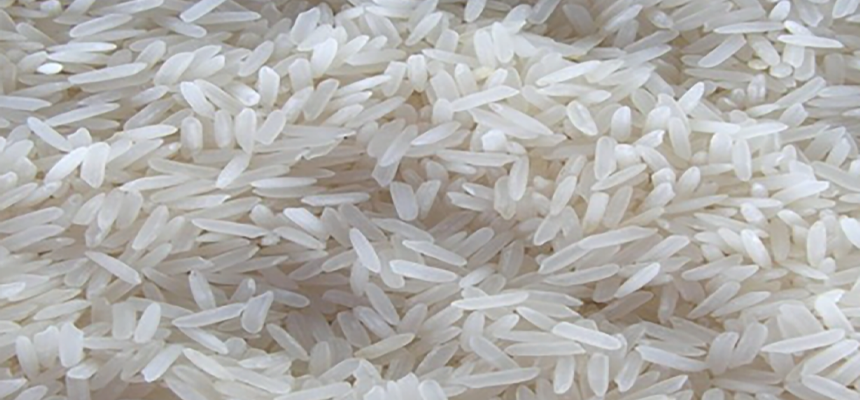
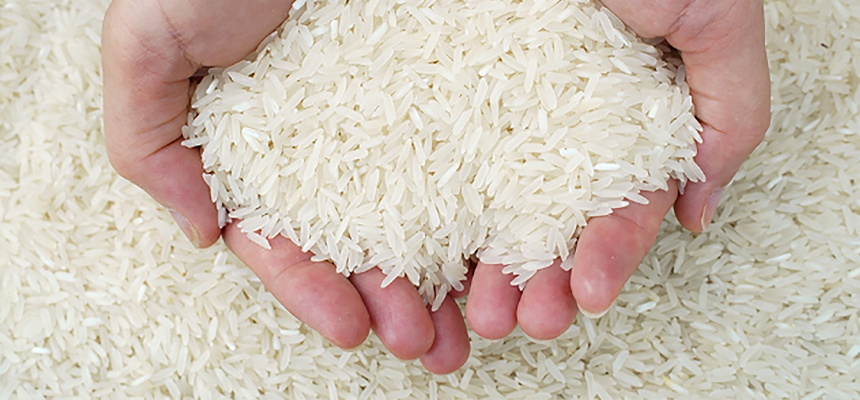
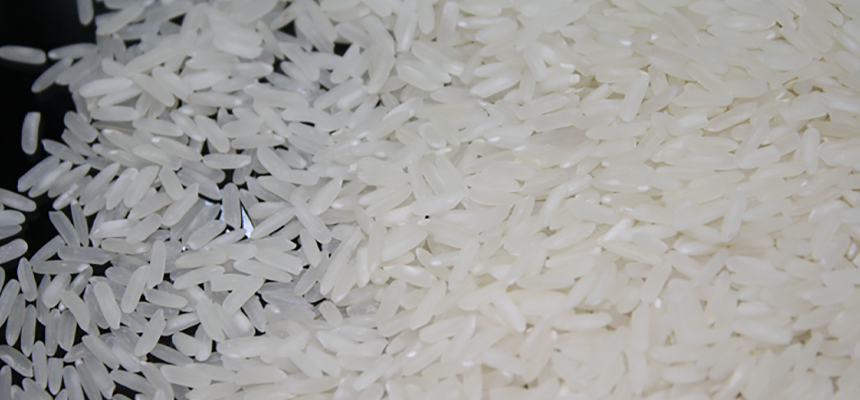
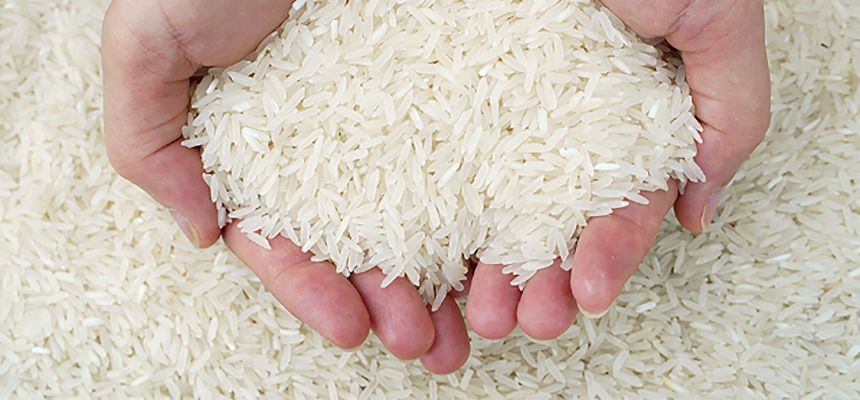
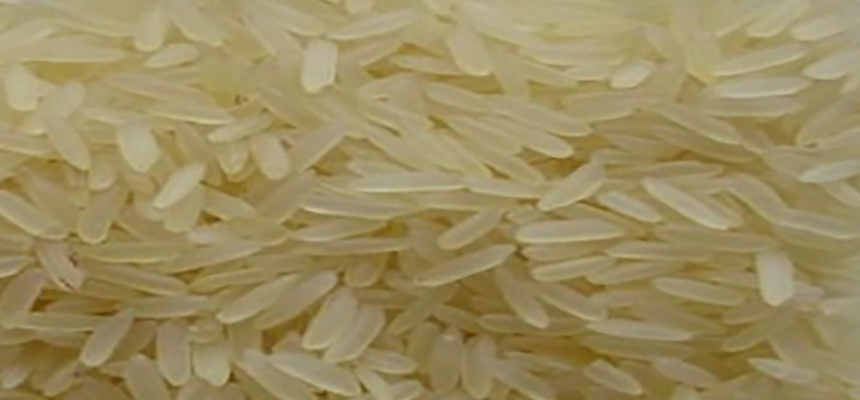
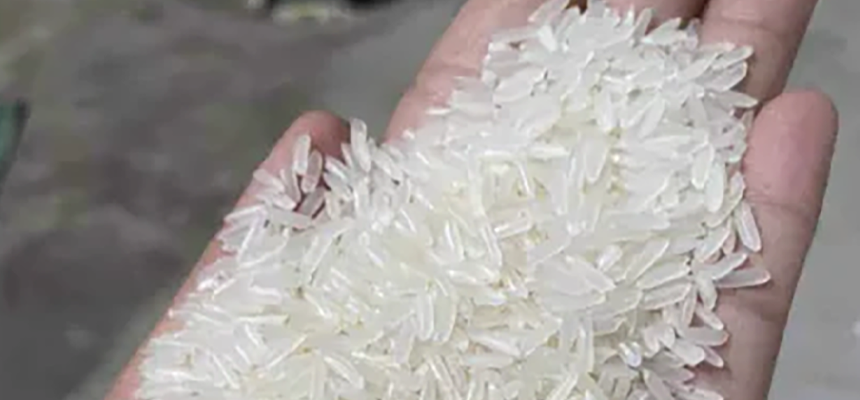
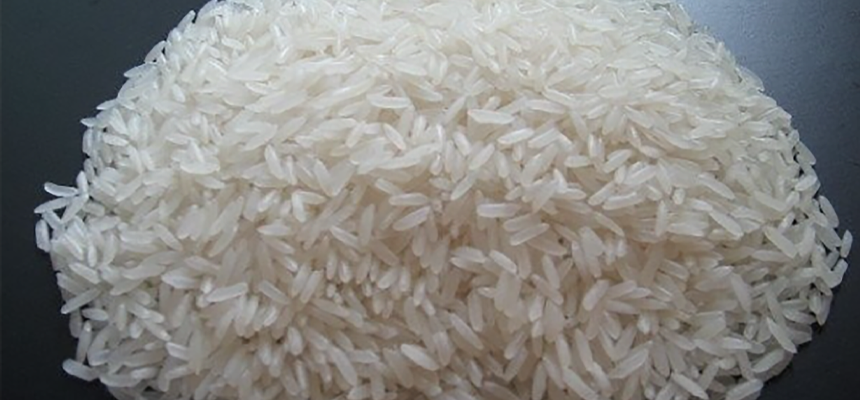
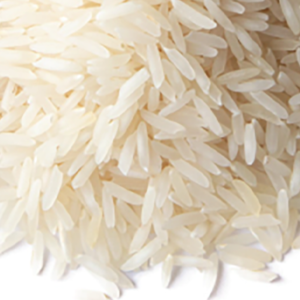
Raw, they’re almost the same. Long, slender, clear white grains. Even experienced buyers can struggle to tell one from the other by eye. That’s exactly why blending happens in the trade, and why you should buy from a supplier you trust. Our guide on how to identify genuine Thai Hom Mali rice goes into the tests that actually work.
Difference 4: Grading and Standards
This is the part most buyers don’t know about, and it matters.
Thai Hom Mali rice has its own official standard from the Thai Ministry of Commerce. Export rice sold as Thai Hom Mali must contain at least 92% Hom Mali grains (KDML 105 or RD15), and the rest can only be other Thai rice. It must also meet limits on amylose content, brokens and defects. Rice that meets the standard can carry the green Thai Hom Mali certification mark.
Pathumthani rice is sold under the Thai fragrant rice standard, sometimes written as “Thai Pathumthani fragrant rice”. It’s a recognised grade, but it can’t be labelled as Thai Hom Mali, and it doesn’t carry the Hom Mali mark.
In short: if your label says Thai Hom Mali, the rice inside should be Hom Mali. If it’s Pathumthani, call it Pathumthani or Thai fragrant rice. That keeps you on the right side of import rules and customer trust.
Difference 5: Price
Hom Mali is the most expensive Thai rice you can buy in volume. In early 2026, Thai Hom Mali was trading around US$1,100 to 1,200 a tonne FOB. Pathumthani fragrant rice usually trades a few hundred dollars a tonne lower, sometimes closer, sometimes further apart, depending on the season.
Why the gap?
- Hom Mali grows once a year in a limited area. Pathumthani grows two or more crops a year.
- Yields of Hom Mali are lower per rai.
- Hom Mali carries the brand value of the name and the certification mark.
- Demand from the US, Hong Kong, China and Singapore for real Hom Mali keeps its price up.
For live numbers, see our posts on Thai Hom Mali rice price per ton and Thai jasmine rice price per ton.
Difference 6: Supply and Availability
Because Pathumthani is grown more than once a year, there’s new crop coming in several times through the year. Supply is steadier and quality is more even across months.
Hom Mali has one big harvest. New crop arrives from December, then the market works through that crop until the next one. Late in the season, fresh Hom Mali can get tight and prices can move. If you need a steady supply year round at a steady price, that’s worth thinking about. Our post on old crop vs new crop jasmine rice explains how crop timing affects what you get.
Difference 7: Which Markets Buy Which
From what we ship:
- United States, Canada, Hong Kong, Singapore, Australia: mostly Hom Mali for retail, with some Pathumthani for food service.
- China: both, with Hom Mali for premium retail and Pathumthani for value lines.
- Malaysia, Philippines, Indonesia: growing demand for Pathumthani as an affordable fragrant rice.
- Africa: Pathumthani is popular as a step up from white rice without the Hom Mali price. Hom Mali sells in premium shops in big cities.
- Middle East and Gulf: both, often in 5kg and 10kg retail packs.
- Europe: mostly Hom Mali in Asian grocery, some Pathumthani in catering.
Difference 8: Who Should Buy What
| You are… | Our usual suggestion |
|---|---|
| A premium retail brand selling on aroma | Thai Hom Mali 100% Grade A |
| An Asian grocery importer with price-sensitive shoppers | Both, side by side on the shelf |
| A restaurant group cooking Thai food | Hom Mali for steamed rice, Pathumthani for fried rice |
| A caterer, hotel or airline | Pathumthani |
| A distributor entering a new market | Start with Pathumthani, add Hom Mali once you have customers |
| A food factory | Pathumthani or Thai white rice |
Blending: What’s Fine and What Isn’t
In the trade, you’ll see blends of Hom Mali and Pathumthani, or fragrant rice mixed with white rice. Blending isn’t wrong in itself. Some buyers want a fragrant blend at a middle price, and that’s a fair product.
What’s wrong is selling a blend as 100% Thai Hom Mali. If you ask us for a blend, we’ll make it and write the blend ratio on the contract and, if you want, the label. If you ask for Hom Mali, you get Hom Mali at 92% purity or better. That’s how we keep buyers coming back.
Pathumthani Fragrant Rice vs Hom Mali Rice: Our Specifications
Here’s what you get when you order either one from us.
Thai Hom Mali Rice 100% Grade A
| Parameter | Specification |
|---|---|
| Variety | KDML 105 and RD15 |
| Hom Mali purity | 92% minimum |
| Broken grains | 4.5% maximum |
| Moisture | 14% maximum |
| Chalky kernels | 6% maximum |
| Yellow kernels | 0.2% maximum |
| Admixture | 2% maximum |
| Milling | Double polished, sortexed |
| Crop | Current season, confirmed at booking |
| Packing | 1kg to 50kg, private label available |
See Thai Hom Mali rice for sale.
Thai Pathumthani Fragrant Rice
| Parameter | Specification |
|---|---|
| Variety | Pathum Thani 1 |
| Grain | Long grain, white |
| Broken grains | 5% maximum |
| Moisture | 12 to 14% maximum |
| Purity | 95% minimum |
| Foreign matter | 0.1% maximum |
| Milling | Well milled, sortexed |
| Crop | Current season |
| Packing | 1kg, 5kg, 10kg, 25kg, 50kg, private label available |
See Thai jasmine / Pathumthani fragrant rice for sale and our post on Thai Pathumthani fragrant rice wholesale.
Pathumthani Fragrant Rice vs Hom Mali Rice for Private Label
If you’re putting your own brand on the bag, the choice shapes your whole product line. A few things we’ve learned from brands we pack for:
- Decide what your brand stands for first. If it’s “premium Thai jasmine”, it has to be Hom Mali. Customers who pay for aroma notice when it isn’t there.
- If your brand is about value, Pathumthani lets you sell a fragrant rice at a price that ordinary white rice buyers can stretch to.
- Many brands run two lines: a gold pack with Hom Mali and a second pack with Pathumthani. Same look, clear difference in name and price.
- Put the variety on the pack. “Thai Hom Mali” or “Thai fragrant rice (Pathumthani)”. Honest labels build trust, and they keep you clear of trouble with import inspectors.
- Use vacuum packs or good barrier bags for Pathumthani in particular, because its aroma fades faster.
More on this in our guide to private label Thai Hom Mali rice.
Storage and Shelf Life
Both rices keep 12 to 24 months in cool, dry storage. The difference is how long they keep their smell. Hom Mali holds aroma longer. Pathumthani is best sold within six to nine months of milling if aroma matters to your customers.
Keep bags on pallets, off the floor, away from walls and strong smells. Heat is the main enemy. A warehouse at 35°C will strip the aroma out of either rice in a few months. If you can, store fragrant rice in the coolest part of the building and sell the oldest stock first.
Mistakes Buyers Make With Fragrant Rice
From the Pathumthani fragrant rice vs Hom Mali rice orders we’ve handled, these are the mistakes we see most:
- Paying Hom Mali prices for rice that turns out to be Pathumthani or a blend. Always get the variety and purity in writing.
- Buying Pathumthani for a premium shelf, then wondering why customers say it doesn’t smell like real jasmine rice.
- Buying Hom Mali for a catering contract where nobody notices the aroma and every dollar counts.
- Not asking for the crop year. Old crop of either rice smells weaker.
- Testing samples with the same water ratio and judging the wrong rice as too hard or too soft.
How to Cook Each One
Small difference, but worth printing on the bag if you sell retail.
- Hom Mali: rinse once or twice, about 1 cup rice to 1 to 1.2 cups water in a rice cooker. New crop needs even less.
- Pathumthani: rinse once or twice, about 1 cup rice to 1.2 to 1.4 cups water. It takes a touch more water than Hom Mali.
Let both rest five to ten minutes after cooking before fluffing.
A Quick Taste Test You Can Do
If you’re trying to decide between the two, do this. Ask us for a sample of each. Cook them side by side with the right water for each, in the same type of pot. Then:
- Smell both pots when you lift the lid.
- Taste them hot.
- Leave some out for an hour and taste again.
- Ask two or three of your customers or staff which they prefer, without telling them which is which.
You’ll know very quickly whether your market needs Hom Mali or is happy with Pathumthani. We’ve seen buyers switch either way after this test.
Packing and Shipping
Both rices ship the same way. We pack in retail bags from 1kg, vacuum packs on request, BOPP bags of 5kg, 10kg and 25kg, and PP woven bags of 25kg and 50kg. A 20ft container takes about 25 tonnes. Mixed containers of Hom Mali and Pathumthani are common and easy to arrange.
We ship from Bangkok or Laem Chabang, FOB, CFR or CIF. If you’re not sure which price basis suits you, read our guide on FOB vs CIF rice price. Documents and inspection are covered in our rice export documents checklist.
Frequently Asked Questions
Is Pathumthani rice the same as jasmine rice?
It’s a Thai fragrant jasmine-type rice, and many shops sell it as jasmine rice. But it’s not Thai Hom Mali, which is the original and premium Thai jasmine rice.
Is Pathumthani fragrant rice good quality?
Yes. It’s a good, clean, soft fragrant rice. It just has less aroma than Hom Mali and costs less.
Which is better, Pathumthani fragrant rice vs Hom Mali rice?
Hom Mali is better on aroma and softness. Pathumthani is better on price and supply. Better depends on what your customers pay for.
Can I put Pathumthani in a bag labelled Thai Hom Mali?
No. That would break the Thai Hom Mali standard and probably your local labelling rules too.
Does Pathumthani fragrant rice have a certification mark like Hom Mali?
No. The green Thai Hom Mali mark is only for rice that meets the Hom Mali standard. Pathumthani fragrant rice is graded and inspected under the Thai fragrant rice standard instead, and the export documents will show that grade.
Why is there such a big price gap between them?
Mainly supply. Hom Mali grows once a year in a limited area with lower yields. Pathumthani grows two or more crops a year in irrigated fields. The Hom Mali name and mark also carry brand value that buyers pay for.
Can I order both in one container?
Yes. Many of our buyers do exactly that.
Our Take From the Mill
We get asked to pick a winner in the Pathumthani fragrant rice vs Hom Mali rice debate all the time. We won’t, because they do different jobs. Hom Mali is the rice you sell to people who know what they’re buying and will pay for it. Pathumthani is the rice that gets fragrant rice onto more tables at a fair price. A good importer usually ends up carrying both.
What we will say is this: whichever you buy, buy it honestly labelled, from a supplier who can show you the variety and the crop.
Order Pathumthani or Hom Mali Rice From Us
We export Thai Hom Mali rice 100% Grade A and Thai Pathumthani fragrant rice worldwide, plus organic jasmine rice, Thai white rice, glutinous rice and parboiled rice. Every lot is lab tested, sortexed and packed the way you want, with independent inspection on request. Read more about how we check every lot on our quality control page.
Send us your quantity, packing and port, and tell us whether you want Hom Mali, Pathumthani or both. We’ll send an offer and samples so you can settle the Pathumthani fragrant rice vs Hom Mali rice question with your own customers.
Email info@dethairice.com, WhatsApp +66 81 034 6390, or use our contact page.
8 thoughts on “Pathumthani Fragrant Rice vs Hom Mali Rice: 8 Best Facts”